Maintenance & Service: Building a Structured Preventive Inspection Framework
Maintenance & Service teams in Singapore's industrial sector face unique challenges—high humidity, salt-air corrosion in coastal facilities, and 24/7 operational demands across refineries, manufacturing plants, and food processing facilities. With over 35 years of experience supplying industrial equipment throughout Southeast Asia, 3G Electric has observed that unplanned downtime costs 5–10 times more than scheduled preventive maintenance. This guide provides practical, evidence-based inspection protocols that maintenance teams can implement immediately to protect capital equipment investments.
The foundation of effective Maintenance & Service is understanding component degradation patterns. High-pressure systems—whether hydraulic pumps operating at 200+ bar or gas regulators managing critical pressure points—require monitoring at intervals based on operational severity, environmental conditions, and manufacturer specifications. Rather than reactive repair, this guide focuses on threshold-based preventive action that catches wear before failure occurs.
Critical Inspection Points for High-Pressure Pump Systems
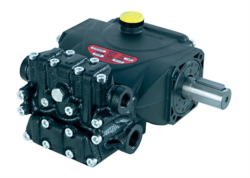
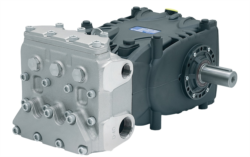
Industrial pumps like the Pratissoli KF30 (106 L/min, 200 bar) and Pratissoli MW40 (211 L/min, 210 bar) are workhorses in hydraulic and pressurized fluid applications. Maintenance teams must establish baseline performance metrics during commissioning, then monitor deviation monthly.
Flow Rate Verification:
Measure actual flow output against nameplate specifications using calibrated flow meters. A 10–15% drop indicates internal leakage or impeller wear. For the KF30 operating at rated speed, expect 106 L/min ±5%. Record values in a maintenance log. Deviations exceeding 15% warrant bearing inspection or impeller replacement before catastrophic failure occurs.
Pressure Loss Monitoring:
Pressure gauges installed at pump inlet and outlet reveal system health. Excessive inlet pressure drop (>0.5 bar) signals clogged suction filters or cavitation risk. Outlet pressure ripple (pressure spikes >10% of nominal) indicates worn displacement chambers. For the KF30 at 200 bar, acceptable ripple is ±20 bar maximum. Install electronic pressure transducers with data logging to identify trending—even small increases compound into major failures.
Vibration Baseline Establishment:
Take vibration readings (acceleration, mm/s) at motor/pump coupling during initial commissioning. Compare future readings monthly. Increasing vibration suggests bearing wear, cavitation, or misalignment. Most industrial pumps tolerate 4.5 mm/s; exceeding 7.1 mm/s requires immediate investigation. Portable vibration meters cost $2,000–5,000 but prevent $50,000+ emergency replacements.
Temperature Trending:
Fluid temperature rising 5–10°C above baseline indicates increased friction from wear. Use infrared thermometers on pump housing and return line fluid. Temperatures exceeding 65°C require filter changes and potential fluid analysis (ISO code assessment). Document dates and readings.
Pressure Regulator and Safety Component Maintenance Protocols
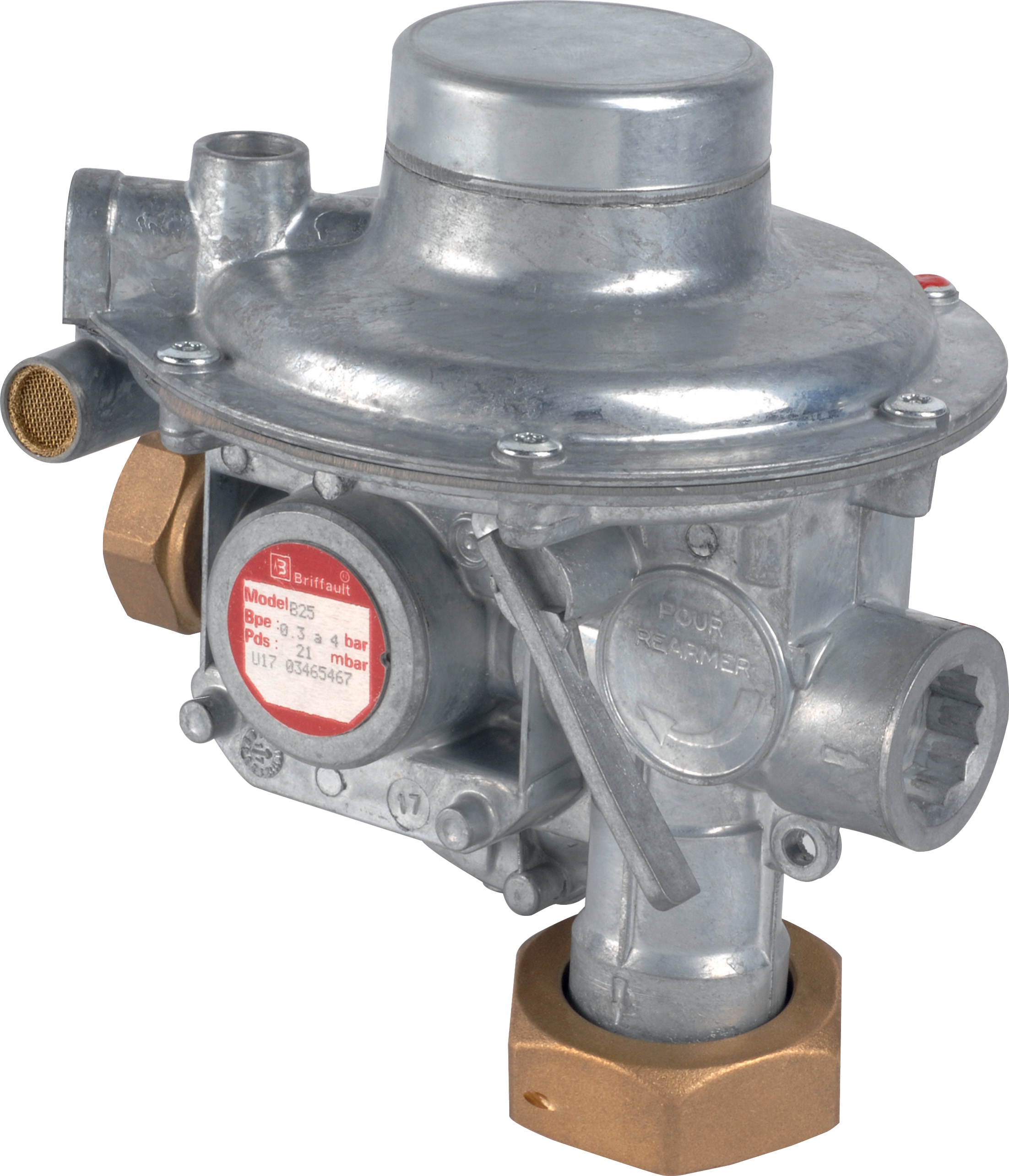
The Francel B25/37mb pressure regulator with integrated safety relief exemplifies components where failure = safety risk. Unlike pumps with gradual degradation, regulators can fail suddenly if relief mechanisms stick.
Visual Inspection Schedule (Monthly):
- Check for external corrosion, especially salt spray near coastal facilities
- Verify mounting bolts are tight (use calibrated torque wrench)
- Confirm outlet pressure vent path is clear—blocked vents prevent relief function
- Inspect flexible hose connections for cracks or seeping fluid
With system pressurized, verify:
1. Outlet pressure matches setpoint (37 mbar for the B25/37mb). Use digital pressure gauge with ±1% accuracy
2. Relief valve opens at setpoint +10% by slowly increasing inlet pressure and observing gauge response
3. No audible hissing from vent port when at steady state (indicates internal leakage)
Replacement Trigger:
If outlet pressure drifts >5% from setpoint despite adjustment attempts, or relief valve fails to open within ±15% tolerance, replace the regulator. For critical safety applications, 3-year maximum service life is industry standard before replacement regardless of condition.
Spray Nozzle and Injection System Care
The Euspray flat jet nozzle (25° angle, 1/4" M BSPT) delivers precise spray patterns in cleaning and coating applications. Nozzle performance degrades from scale buildup, debris, and thermal cycling.
Weekly Cleaning Protocol:
- Remove nozzle from system
- Soak in appropriate solvent (deionized water for mineral deposits, citric acid for scale, commercial nozzle cleaner for varnish)
- Use soft brass brush or plastic bristles—never steel wool, which damages spray orifice
- Rinse thoroughly; compressed air dry
- Reinstall and test spray pattern (compare to reference photo taken during commissioning)
If spray angle widens, narrows, or becomes asymmetrical:
1. Remove and inspect orifice under magnification (10× minimum)
2. If orifice shows erosion pitting, replace nozzle—reworking is unreliable
3. If debris visible, perform upstream filtration system check (may require filter replacement)
4. Document findings in maintenance log—patterns indicate upstream system health issues
Service Life Replacement:
High-pressure nozzles (>150 bar applications) warrant replacement every 12 months in continuous-duty plants, 24 months in intermittent duty. Cost ($150–400 per nozzle) is negligible versus production downtime from flow loss.
Fluid Analysis and System Cleanliness Management
Hydraulic and pressurized fluid systems degrade from contamination. ISO 4406 particle count codes track cleanliness—ISO 18/16/13 is industrial standard; 16/14/11 is preferred for precision systems.
Quarterly Fluid Sampling Protocol:
- Draw samples from multiple system locations (pump discharge, return line, reservoir) to identify contamination sources
- Send to certified lab for:
- Water content (Karl Fischer titration)
- Acid number (TAN) for oxidation assessment
- Viscosity confirmation at operating temperature
Action Thresholds:
- Particle count exceeding 20/18/15: Change fluid immediately
- Water content >500 ppm: Drain and flush system; investigate source (seal leaks, condensation)
- TAN increase >0.5 mg KOH/g from baseline: Fluid oxidizing; replace within 30 days
- Pressure drop across filter exceeds 3 bar at normal flow (check gauge)
- Bypass valve opens (indicates clogged element)
- Visual inspection of element shows debris accumulation
Regular fluid analysis costs $300–600 per sample but identifies problems before failures occur—the KF30 pump (72 kg, $8,000–12,000 replacement cost) can be protected by $2,000/year in fluid management.
Documentation, Spare Parts Strategy, and Team Training
Maintenance Record System:
Use digital or paper logs capturing:
- Equipment ID, nameplate data, installation date
- Baseline measurements (flow, pressure, vibration, temperature)
- Each inspection date, findings, and measurements
- Repairs performed, parts replaced, technician name
- Deviation trends flagged for analysis
Over 3–5 years, this data reveals which components require planned replacement budgets.
Critical Spare Parts Inventory:
Maintain on-site stock for components with 2+ week lead times:
- Pump impellers or displacement cartridges
- Pressure regulator bodies
- Spray nozzles (buy in sets of 4–6)
- Filter elements
- Seals and gasket kits
3G Electric's 35-year supply network provides same-day delivery in Singapore for KF30, MW40, DTG06002 regulator, and Euspray nozzles, reducing emergency procurement delays.
Team Training Requirements:
Maintenance technicians require competency in:
1. Pressure gauge and flow meter operation (basic metrication)
2. Torque wrench use and fastener management
3. Fluid sampling and ISO code interpretation
4. Vibration and temperature trending
5. Safety protocols for pressurized system isolation
Annual refresher training and certification upgrades ensure consistent protocol execution across shifts.