Understanding High-Pressure Spray System Maintenance Fundamentals
High-pressure spray systems operating in Singapore's demanding industrial environment—from automotive coating facilities to precision manufacturing plants—require a different maintenance approach than traditional pump systems. The difference lies in spray quality consistency, ATEX compliance, and pressure stability. Even minor component degradation can result in uneven coating application, customer rejections, and unexpected shutdowns.
With 35+ years of experience distributing industrial equipment across Southeast Asia, 3G Electric has observed that most spray system failures stem from neglected calibration routines rather than catastrophic component failure. Plant managers who implement structured Maintenance & Service protocols reduce unplanned downtime by 40-60% and extend equipment lifespan significantly.
Spray system maintenance differs from standard pump care because it involves three critical interdependent systems: the pressure generation unit, the flow and pressure regulation components, and the spray nozzle assembly. Each requires specific testing protocols and calibration intervals. Pressure fluctuations of even 10 bar can produce visible spray pattern degradation, making regular diagnostics essential.
Pressure Calibration and Component Verification Procedures
Accurate pressure measurement is the foundation of spray system maintenance. Many plant managers rely on equipment gauges alone, which can drift 5-15% over 6-12 months without calibration verification.
Establishing Your Baseline Reference
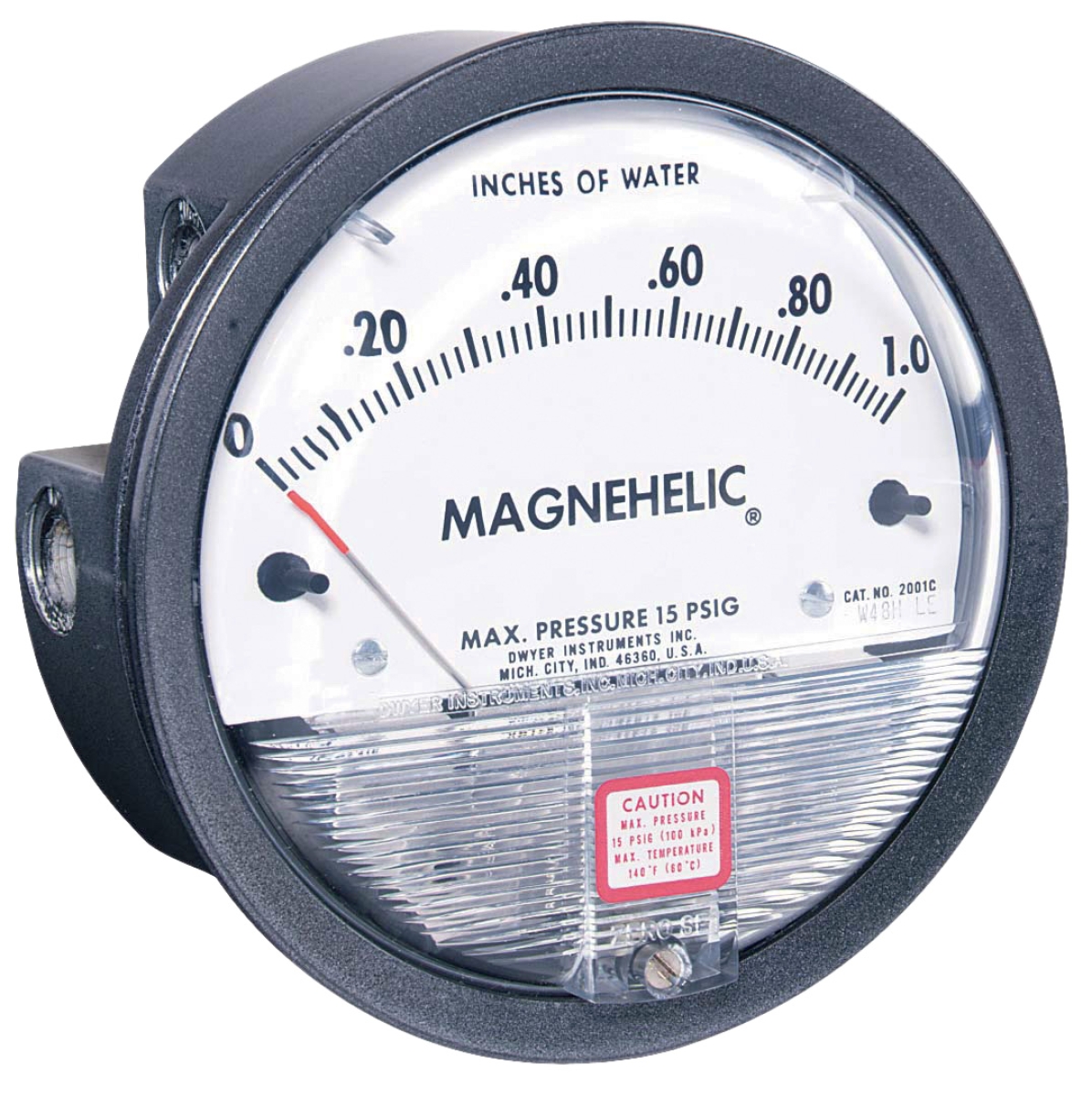
Begin by installing a certified reference gauge at the pump discharge point. The Dwyer Magnehelic pressure gauge provides reliable differential pressure measurement across your system and serves as your verification reference. Mount this gauge on a stable test panel separate from day-to-day production lines—this becomes your calibration baseline.
Monthly calibration checks should compare:
- Pump discharge pressure reading against your reference gauge
- Pressure drop across spray gun triggers and hose assemblies
- Backpressure readings at the solenoid valve inlet
Document all readings in a standardized log. Pressure drift exceeding ±5% from baseline indicates that internal pump components require professional inspection. At this threshold, component wear is still reversible through proper service, but continued operation risks sudden pressure spikes that damage spray nozzles.
Flow Rate Verification Testing
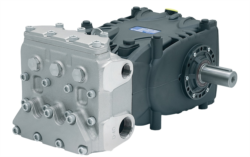
Spray pattern quality depends equally on consistent flow rates. The Pratissoli KF30 pump delivers precisely 106 L/min at rated pressure, but this specification only holds when internal components remain within wear tolerances.
Implement quarterly flow testing using the collection method: direct spray discharge into a calibrated tank for exactly 60 seconds, then measure the volume collected. Compare results against your equipment's rated specification:
- Normal operation: ±5% of rated capacity
- Service interval triggered: 5-10% deviation
- Urgent component replacement: >10% deviation
Flow reduction typically indicates wear ring degradation or impeller erosion. Early detection through this simple test prevents the catastrophic failure scenario where flow drops 30-40% suddenly, leaving you with emergency service calls and production stoppages.
Spray Gun and Nozzle Assembly Inspection
The Pratissoli PISTOLA P560*LANCIA 1000 ATEX spray gun operates at 600 bar and maintains ATEX compliance only through precise internal clearances. Monthly visual inspection focuses on three failure modes:
1. Spray Pattern Degradation: Compare current spray pattern against reference photos taken during commissioning. Fan width narrowing or uneven saturation indicates nozzle orifice wear or internal guide damage. Worn nozzles should be replaced—attempting to restore worn nozzles introduces inconsistency that affects downstream coating quality.
2. Trigger Response and Pressure Spiking: Manually cycle the trigger 10 times while monitoring your reference gauge. Sluggish trigger response or pressure spikes >20 bar above normal indicate internal valve sealing deterioration. Schedule component service before this escalates to complete valve failure.
3. External Seal Inspection: Check for fluid weeping around trigger assembly and nozzle connections. Minor seeping (one drip per minute) is acceptable, but steady seepage requires seal replacement. ATEX-rated equipment cannot be field-modified—use only certified replacement seal kits from your equipment supplier.
Solenoid Valve and Control System Testing
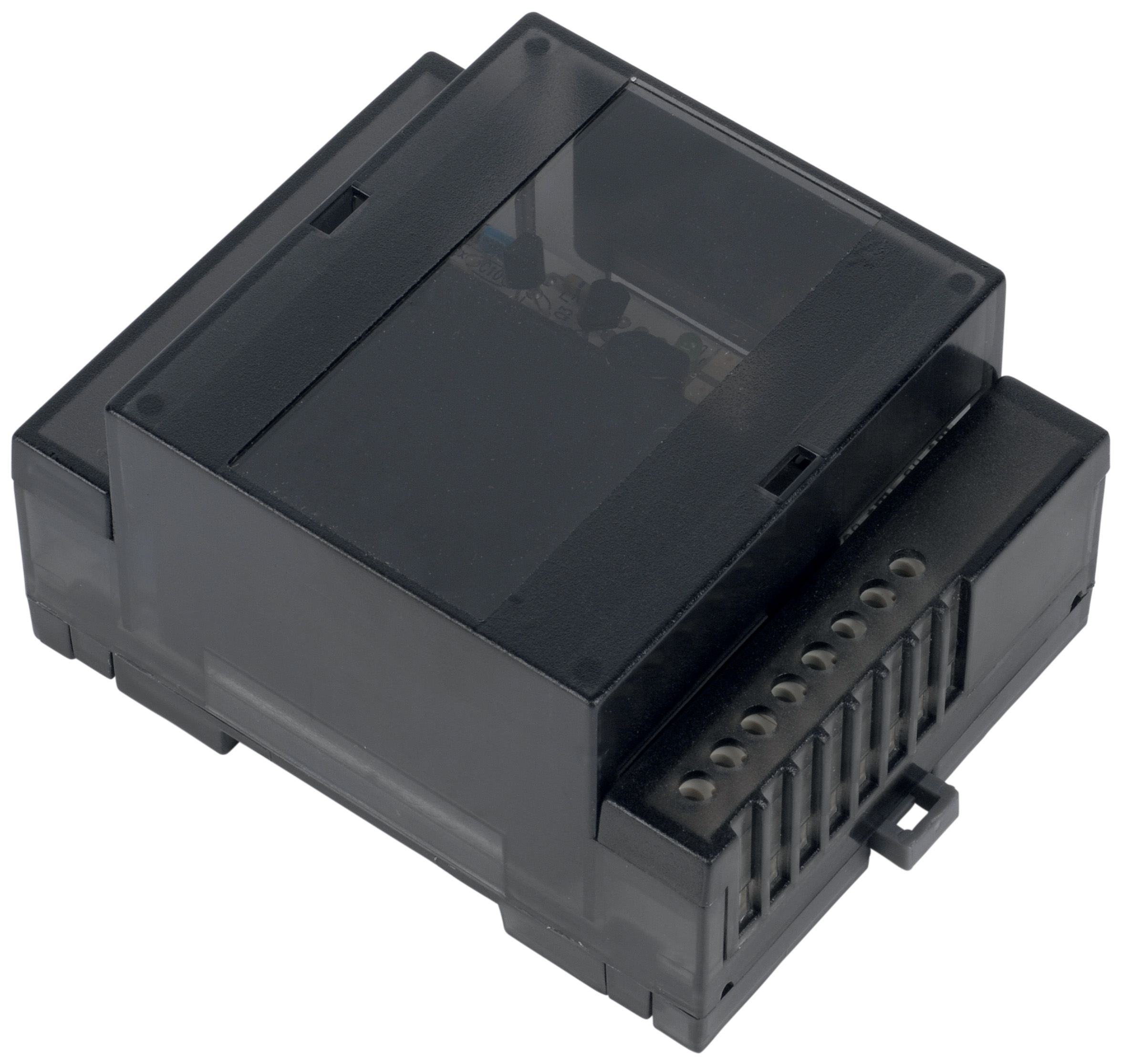
Modern spray systems rely on solenoid valves for precise flow control and safety shutdown. The Elektrogas EVRM NA 7 solenoid valve rated for DN65 flanges manages flow regulation in high-pressure circuits, making it critical to your system's reliability.
Solenoid Valve Response Time Verification
Solenoid valves that drift in response timing create quality inconsistencies—coating starts and stops become visible as color variations on the finished part. Test response time quarterly:
- Set system pressure to normal operating point (typically 150-200 bar for industrial spray applications)
- Manually trigger the solenoid valve and time how long spray takes to begin after signal is sent
- Normal response: <200 milliseconds
- Service trigger: 200-400 milliseconds (valve internal spring weakening)
- Replacement required: >400 milliseconds or inconsistent response
Document response times in your maintenance log. Gradual increase in response time (trending data) predicts component failure 4-8 weeks in advance, allowing planned replacement rather than emergency intervention.
Electrical Connection and IP54 Protection Check
The Elektrogas solenoid valve carries IP54 protection rating suitable for industrial environments, but this protection degrades if connections corrode. Monthly electrical inspection involves:
- Visual inspection of terminal connections for corrosion or salt spray damage (critical in Singapore's coastal manufacturing zones)
- Measurement of coil resistance using a multimeter—compare against manufacturer specifications
- Verification of control signal continuity from PLC or operator panel to solenoid terminals
Corroded connections should be cleaned and re-tightened. If corrosion recurs within 4 weeks, upgrade connector specification to nickel-plated or stainless steel rated for your environmental conditions.
Pump Drive System and Power Transmission Maintenance
Many plant managers overlook the mechanical connection between prime movers and pumps. The Interpump GEARBOX RS500 transmission couples engine or motor power to pump input shafts, delivering 18.5 kW maximum power transmission at 2.2 reduction ratio.
Gearbox Lubrication and Temperature Monitoring
Gearbox failure typically occurs suddenly—little warning until complete seizure stops your spray system. Prevent this through systematic lubrication:
- Weekly visual check of gearbox oil level (dipstick or sight glass)
- Monthly temperature monitoring using infrared thermometer on gearbox housing—normal operating temperature: 45-60°C
- Temperature exceeding 70°C indicates low oil level, viscosity degradation, or internal gear wear
If temperature exceeds 70°C, shut down the system immediately and investigate:
1. Check oil level and top up if below minimum mark
2. Verify oil viscosity matches equipment specification (typically ISO 46 for industrial gearboxes)
3. If oil appears dark brown or burnt-smelling, perform complete oil change
Gearbox oil should be changed annually or every 500 operating hours, whichever comes first. In Singapore's high-humidity environment, annual oil change is essential because moisture ingress degrades lubricant viscosity and promotes internal corrosion.
Coupling and Shaft Alignment Verification
Misalignment between motor shaft and pump input coupling produces vibration that accelerates bearing wear and creates noise that alerts you to the problem—until it doesn't. Semi-annual coupling inspection:
- Check for visible gaps or offset between coupling halves
- Measure coupling bolt tightness with a calibrated torque wrench—re-tighten to original specification
- Feel for vibration with your hand at the coupling (switch off equipment first)
- Excessive vibration indicates either misalignment requiring re-coupling or internal pump bearing degradation requiring professional service
Alignment checking requires laser alignment equipment available from most industrial maintenance service providers in Singapore. Schedule professional alignment every 18 months or after any significant bearing replacement.
Implementing Your Maintenance & Service Schedule
Effective Maintenance & Service for high-pressure spray systems requires moving beyond calendar-based scheduling to condition-based monitoring. Your maintenance calendar should reflect these intervals:
Weekly Tasks
- Visual inspection of spray patterns against reference baseline
- Oil level check on pump and gearbox
- Review of pressure and flow logs for drift trends
- Pressure calibration verification using reference gauge
- Spray gun trigger response testing
- Solenoid valve electrical continuity check
- Gearbox temperature monitoring trend review
- Flow rate collection testing
- Complete spray gun seal and nozzle inspection
- Solenoid response time measurement
- Gearbox coupling visual inspection
- Professional pressure gauge calibration verification
- Complete gearbox oil change
- Bearing inspection and lubrication
- Laser shaft alignment verification
When you identify parameters trending toward service thresholds (pressure creeping up 3-5% monthly, response time increasing gradually, flow declining slowly), schedule preventive service during scheduled production downtime rather than waiting for failure. This approach costs 30-40% less than emergency service calls and maintains the coating quality consistency your customers expect.
3G Electric's 35+ years distributing industrial spray equipment across Southeast Asia confirms that plant managers using this structured approach reduce maintenance costs by 25-35% annually while improving equipment availability. The key is consistent documentation and acting on trends before they become failures.