Understanding Maintenance & Service Requirements for Gearbox-Driven Systems
Maintenance & Service planning for industrial equipment has evolved significantly since 3G Electric began distributing industrial solutions over 35 years ago. One of the most critical distinctions operators must understand is the difference between direct-drive and gearbox-assisted pump configurations. A gearbox transmission system like the Interpump GEARBOX RS500 introduces additional maintenance considerations compared to direct-drive pumps, yet offers distinct operational advantages for high-pressure applications.
The GEARBOX RS500 delivers a 2.2 transmission ratio with maximum 18.5 kW power transmission capacity, making it ideal for applications requiring lower engine RPM input with higher pump displacement output. This mechanical advantage reduces motor stress and extends overall system lifespan—but only when proper maintenance protocols are implemented. Understanding these trade-offs is essential for Singapore industrial professionals deciding between pump configurations for their operations.
Gearbox-driven systems operate fundamentally differently from direct-drive alternatives. When selecting between Pratissoli KF30 (40 kW, 106 L/min direct configuration) and a gearbox-assisted alternative like the SN7045 model paired with transmission, maintenance intervals, lubrication requirements, and failure modes diverge significantly. This guide compares both approaches to help you optimize maintenance strategies specific to your Singapore operation.
Section 1: Direct-Drive Versus Gearbox-Assisted Pump Configurations
Performance and Maintenance Trade-offs
Direct-drive pumps like the Pratissoli KF30 connect engine output directly to pump displacement, eliminating intermediate mechanical components. At 1450 rpm operation, these systems require precise fluid specification and consistent thermal management. The advantage: simpler maintenance with fewer wear surfaces. The trade-off: motors must operate at higher RPM, increasing energy consumption and heat generation.
Gearbox-assisted systems like the Interpump GEARBOX RS500 reduce motor input speed through gear reduction, typically allowing 1000 rpm motor input to produce equivalent 2200 rpm pump displacement effect. This configuration offers three distinct maintenance advantages:
- Extended motor lifespan: Lower RPM operation reduces motor bearing stress and winding temperature
- Improved fuel or electrical efficiency: Smaller motors achieve equivalent hydraulic output
- Flexible power source compatibility: Can integrate oversized, lower-RPM motors for redundancy
However, gearbox systems introduce additional lubrication points, seal interfaces, and potential wear surfaces. Maintenance intervals shift from pump-centric focus to system-wide gear train health monitoring.
Lubrication Strategies: Single-Point vs. Multi-Point Systems
Direct-drive pumps typically use unified fluid reservoirs feeding both pump and any hydraulic actuators. Pratissoli SN7045 L operates at 210 bar with 18.4 kW motor—requiring ISO VG 46 hydraulic oil meeting ISO 4406 16/14/11 cleanliness standards. Maintenance focuses on single-point fluid analysis and top-up cycles.
Gearbox-assisted configurations require parallel but separate lubrication protocols:
1. Pump circuit lubrication: High-pressure hydraulic fluid (ISO VG 46) for displacement chambers
2. Gearbox sump lubrication: Separate medium-viscosity gear oil (typically ISO VG 150) for tooth mesh and bearing surfaces
3. Motor bearing lubrication: Sealed or grease-packed bearing management
This separation prevents fluid cross-contamination but demands organized maintenance calendars. Singapore's tropical humidity intensifies water absorption risk in multi-point systems—requiring quarterly breather element inspection instead of semi-annual protocols used in direct-drive setups.
Section 2: Condition Monitoring and Predictive Maintenance Protocols
Vibration Analysis and Early Failure Detection
Gearbox-driven systems exhibit distinctive vibration signatures compared to direct-drive pumps. Industrial professionals in Singapore should implement baseline vibration measurement within first 50 operating hours, establishing reference data for comparison. Gearbox tooth mesh frequency (gear RPM × number of teeth ÷ 60) creates detectable vibration patterns that direct-drive systems lack.
Practical monitoring approach:
- Weeks 1-4: Establish baseline ISO 10816 vibration velocity measurements at 1x, 2x, and 3x operating frequency
- Monthly thereafter: Compare current measurements to baseline, alerting maintenance teams when levels increase 20% or more
- Quarterly: Perform spectral analysis identifying specific gear damage (sideband frequencies indicate bearing defects)
Direct-drive pump systems show different failure progression—typically exhibiting pressure ripple and volumetric loss before catastrophic breakdown. Gearbox systems can fail suddenly when bearing preload deteriorates. This fundamental difference means condition monitoring schedules must diverge.
Fluid Analysis Protocols for Mixed-Lubrication Systems
When operating Interpump PUMP W2035 L ATEX with gearbox transmission, establish dual fluid sampling protocols:
Pump circuit sampling (high-pressure hydraulic line):
- ISO particle count target: 16/14/11 or better
- Water content: ≤500 ppm (critical in Singapore's humid climate)
- Acid number: ≤0.4 mg KOH/g
- Sampling frequency: Monthly for first 6 months, then quarterly
- ISO particle count target: 18/16/13 (less stringent than pump circuit)
- Ferrous content tracking: Rising trends indicate gear tooth wear
- Copper presence: Signals bearing corrosion, common in humid environments
- Sampling frequency: Quarterly year-round
Fluid analysis costs Singapore operations approximately SGD 150-280 per test, but prevents catastrophic gearbox replacement (SGD 3,500-6,000 installed). This makes quarterly testing standard practice among high-utilization facilities.
Component-Level Monitoring for Solenoid-Controlled Systems
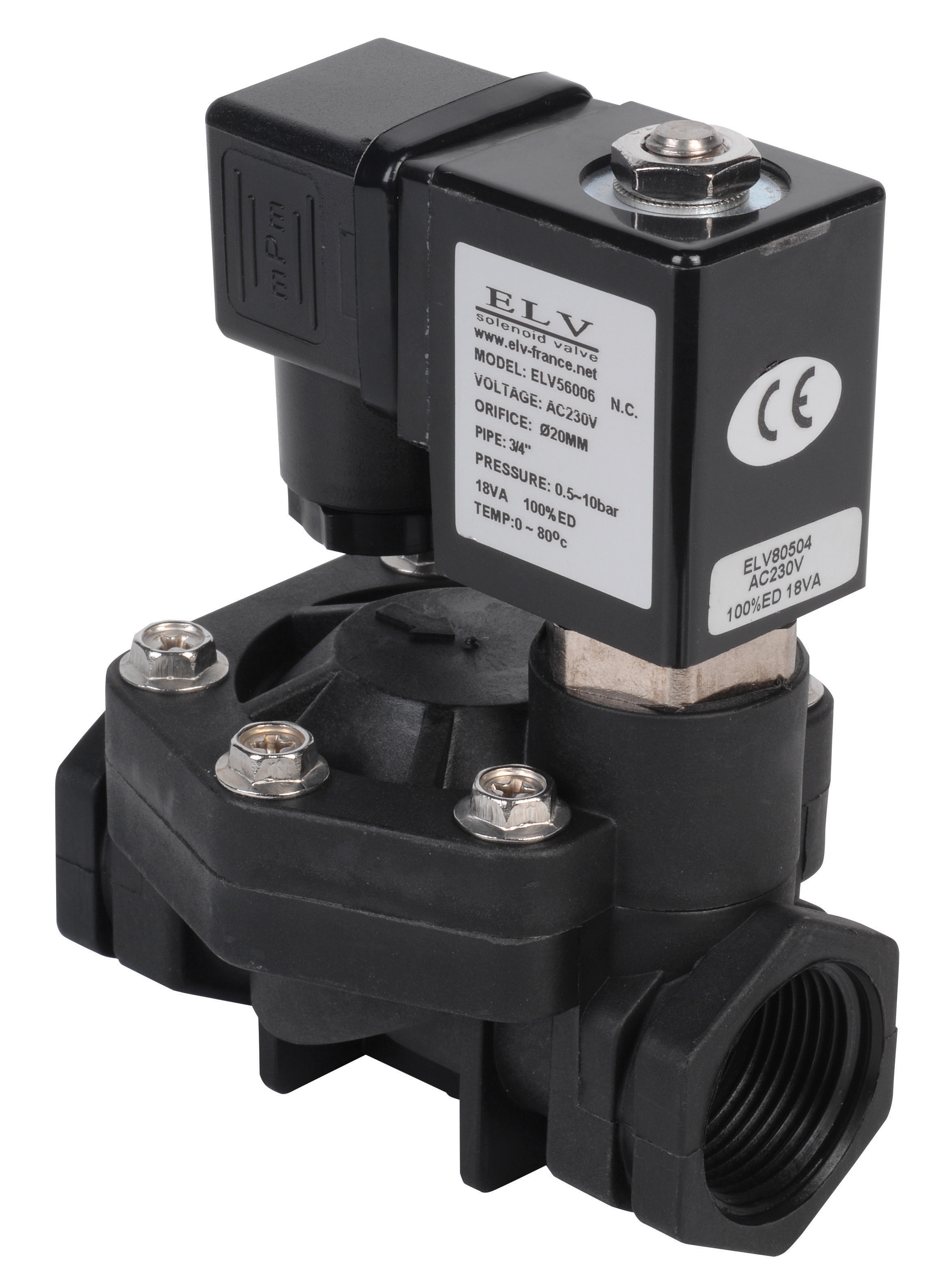
When paired with ELV Plastic solenoid valve D.3/4 NF 230V, gearbox pump systems require distinct solenoid maintenance considerations. The pressure spikes generated by gearbox gear mesh can stress solenoid valve windings and pilot pressure stages.
Monitoring approach:
- Electrical monitoring: Measure coil current draw monthly. The ELV56006 draws nominal 22 VA—deviations exceeding ±15% indicate coil degradation or magnetic contamination
- Response time testing: Manually verify solenoid opening/closing delays quarterly. Gearbox systems demand <200 ms response—delays indicate pilot stage fouling
- Pilot pressure trending: Install 0-10 bar pressure gauges on solenoid pilot stages, recording weekly values. Declining pilot pressure indicates internal leakage
Section 3: Maintenance Schedule Development and Spare Parts Strategy
Tiered Maintenance Calendar for Singapore Operations
Establishing maintenance schedules requires aligning component lifecycles with operational intensity. For gearbox-driven configurations, 3G Electric recommends this tiered approach:
Daily (operator responsibility):
- Visual inspection: Check for oil seeps, unusual noise, temperature anomalies
- Pressure gauge monitoring: Record operating pressures at start and shut-down
- Fluid level top-up: Maintain pump circuit and gearbox sump within marked ranges
- Temperature monitoring: Record gearbox housing temperature using infrared thermometer (target <60°C ambient+20°C)
- Solenoid valve function: Cycle solenoid manually, confirming full actuation and no sticking
- Breather element inspection: Check for moisture accumulation or oil saturation
- Fluid sampling and laboratory analysis
- Vibration baseline measurement (gearbox-specific)
- Pressure relief valve testing (pilot stage verification for solenoid systems)
- Fastener inspection: Tighten gearbox flange bolts to manufacturer torque specification
- Seal integrity assessment: Inspect shaft seals for weeping or active leakage
- Filter element replacement: Both pump circuit and gearbox breather filters
- Pressure transducer calibration: Compare mechanical gauges against electronic monitoring
- Complete gearbox disassembly inspection (internal gear wear assessment)
- Bearing preload verification
- Shaft runout measurement
- Complete seal and gasket replacement kit installation
Strategic Spare Parts Inventory for Singapore Facilities
Direct-drive pump configurations allow minimal spare parts holding (pump internal kits, seals, filters). Gearbox-assisted systems demand expanded inventory due to greater component complexity:
Critical spare parts for gearbox systems (maintain on-site):
- Gearbox internal seal kit (≈SGD 450-700)
- Bearing set with preload shims (≈SGD 600-900)
- Oil filter elements for gearbox sump (≈SGD 80-120, minimum 2 units)
- Shaft key and coupling bolts (≈SGD 150 kit)
- Breather element (≈SGD 45)
- Replacement coil assembly (≈SGD 280)
- Pilot stage internal springs and seals (≈SGD 120)
- Connector and electrical leads (≈SGD 65)
Section 4: Troubleshooting Common Gearbox Failure Modes in Tropical Climates
Moisture Ingestion and Corrosion Management
Singapore's tropical climate (80-90% relative humidity, 26-32°C ambient) accelerates moisture absorption in multi-point lubrication systems. Gearbox sump oils accumulate water faster than pump circuits due to lower operating temperatures and static reservoir conditions.
Failure mode: Gearbox bearing corrosion leading to loss of preload and catastrophic gear mesh contact failure
Prevention protocol:
- Replace gearbox breather elements monthly during monsoon periods (Nov-Mar), quarterly otherwise
- Maintain SGD 200-300 dehumidifier unit near gearbox reservoir during shutdown periods
- Conduct monthly water content testing (Karl Fischer coulometric analysis, ≈SGD 40 per test)
- Target water content ≤300 ppm in gearbox oil (compared to ≤500 ppm for pump circuits)
Gear Tooth Spalling and Bearing Preload Loss
Contamination in pump circuits can migrate to gearbox oil through coupling leakage. Particle ingestion (>10 microns) causes progressive gear tooth wear.
Early warning signs:
- Increased vibration (>25% above baseline)
- Audible metallic grinding during start-up
- Ferrous content trending upward in fluid analysis (>100 ppm/month increase)
- Gearbox housing temperature exceeding 80°C under normal load
Response protocol:
1. Reduce operating pressure 10-15% immediately
2. Schedule emergency fluid sampling and detailed analysis
3. Increase vibration monitoring to daily measurements
4. Plan gearbox replacement within 2-3 weeks (don't wait for catastrophic failure)
Solenoid Valve Pilot Stage Fouling in High-Pressure Applications
When paired with solenoid valve ELV56006, gearbox systems create unique pilot stage challenges. The pressure ripple generated by gear mesh (±5-10% around nominal pressure) can cause pilot relief valve chatter, introducing micro-particulates into pilot circuits.
Failure progression:
- Week 1: Occasional solenoid hesitation (100-200 ms response delay)
- Week 2: Consistent pilot pressure drift (±0.3-0.5 bar variation)
- Week 3: Solenoid fails to fully open, requiring manual intervention
Troubleshooting steps:
1. Measure pilot pressure stability using 0-1 bar pressure gauge with 1-second sampling
2. If pilot ripple exceeds ±0.2 bar, pilot filter replacement is likely required
3. Verify solenoid coil current draw (should match 22 VA specification within ±10%)
4. Test manual override functionality—if sluggish, internal solenoid plunger fouling indicates full coil assembly replacement needed
Conclusion: Integrating Gearbox Maintenance into Broader Asset Management
The decision between direct-drive and gearbox-assisted pump configurations extends far beyond initial capital cost. Gearbox systems offer superior efficiency and motor longevity but demand more sophisticated maintenance protocols. Singapore industrial professionals operating Interpump GEARBOX RS500 or similar transmission systems must commit to the expanded monitoring, fluid management, and spare parts logistics outlined above.
3G Electric's 35+ years distributing industrial equipment has revealed a critical pattern: facilities implementing rigorous gearbox maintenance achieve 40-60% longer transmission lifespan compared to reactive troubleshooting approaches. The initial investment in quarterly fluid analysis, monthly vibration monitoring, and predictive maintenance tools typically pays for itself within 12-18 months through avoided catastrophic failures.
Your maintenance & service strategy should reflect the specific failure modes and environmental stressors present in Singapore operations. Tropical humidity, continuous high-utilization cycles, and the complexity of solenoid-integrated systems all demand disciplined, data-driven maintenance planning. By establishing clear monitoring protocols, maintaining organized spare parts inventory, and responding promptly to trending indicators, you can transform gearbox maintenance from reactive crisis management into predictable, manageable asset care.