Strategic Maintenance & Service Planning for Procurement Decision-Making
Maintenance & Service strategies directly impact procurement budgets and operational continuity. Unlike reactive maintenance that responds to failures, strategic Maintenance & Service planning enables procurement engineers to make informed equipment selections, establish realistic spare parts inventories, and forecast long-term capital requirements. With over 35 years of industrial equipment distribution experience, 3G Electric has observed that organizations adopting proactive Maintenance & Service frameworks reduce unplanned downtime by 40-60% while lowering component replacement costs by 25-35%.
The procurement engineer's role extends beyond initial equipment selection. By understanding component degradation patterns, failure modes, and service intervals, procurement professionals can align purchasing cycles with maintenance schedules, negotiate volume discounts on consumables, and build supplier relationships that support rapid spare parts availability. This approach transforms Maintenance & Service from a cost center into a strategic advantage that influences equipment selection criteria, warranty negotiations, and vendor partnerships.
Component Lifecycle Management: Matching Maintenance Intervals to Procurement Cycles
Effective Maintenance & Service requires understanding how different industrial components age and fail. High-pressure pumps like the Pratissoli KF30 (106 L/min, 200 bar) and Pratissoli MW40 (211 L/min, 210 bar) follow predictable maintenance intervals that directly inform procurement timing. Seals typically require replacement every 2,000-3,000 operating hours, bearing inspections every 500 hours, and complete overhauls every 8,000-10,000 hours depending on application severity.
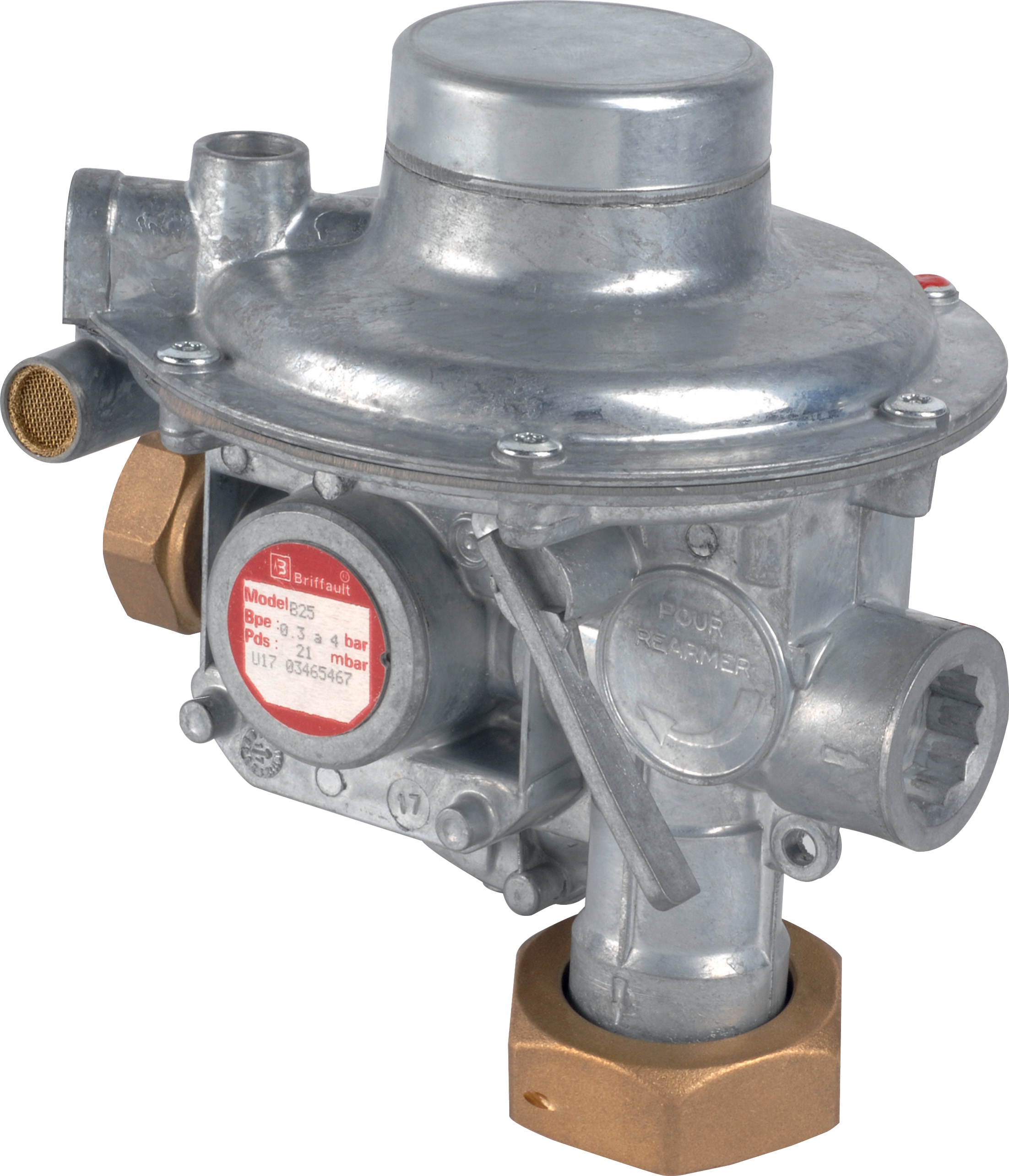
Procurement engineers should develop component lifecycle schedules that map maintenance intervals against production calendars. For pressure regulation systems using components like the Francel B25/37mb pressure regulator with safety relief, Maintenance & Service planning must account for annual pressure relief testing, diaphragm inspection at 6-month intervals, and complete seal kit replacement every 18-24 months. By forecasting these maintenance events 6-12 months in advance, procurement teams can:
- Consolidate spare parts orders to achieve volume pricing
- Align maintenance scheduling with planned production downtime
- Build safety stock of critical seals and bearings without excessive inventory costs
- Negotiate extended payment terms with suppliers based on predictable demand patterns
Compact gear pumps like the Interpump PUMP E1D1808 L (8 L/min, 180 bar, 2800 rpm) benefit from preventive seal and bearing replacement at 50% of typical failure hours. While this increases short-term Maintenance & Service costs, it eliminates catastrophic failures that damage downstream components and halt production. Procurement engineers must evaluate these trade-offs when selecting between budget-tier and premium components.
Spray System Component Management: Predictable Wear and Nozzle Replacement Strategies
Industrial spray applications present unique Maintenance & Service challenges because nozzle performance directly affects product quality and energy efficiency. The Euspray flat jet nozzle HP 1/4"M BSPT with 25° spray angle operates in high-pressure environments (typically 100-200 bar) where mineral deposits, corrosion, and mechanical wear degrade spray patterns within predictable timeframes.
For Maintenance & Service planning, procurement engineers should establish nozzle replacement intervals based on application type rather than calendar time. Coating applications typically require nozzle replacement every 500-1,000 operating hours; cleaning applications every 2,000-3,000 hours; and dust suppression systems every 3,000-5,000 hours. Water quality significantly impacts these intervals—demineralized water extends nozzle life by 40-60% compared to untreated water sources.
Strategic Maintenance & Service procurement for spray systems requires:
- Standardized nozzle specifications: Specify identical nozzle designs across multiple production lines to simplify inventory management and enable rapid changeovers during maintenance windows
- Bulk nozzle procurement: Purchase nozzles in 12-24 month quantities when volume discounts exceed 30%, storing spare inventory in controlled environments to prevent corrosion
- Pressure system maintenance: Regularly inspect coupling integrity, filter screens, and pressure hose assemblies every 250 hours to prevent debris from damaging replacement nozzles
- Documentation protocols: Maintain detailed records of nozzle installation dates, performance metrics, and failure modes to refine replacement interval predictions
Maintenance & Service Documentation and Spare Parts Inventory Optimization
Procurement engineers often struggle with excess spare parts inventory that strains working capital while facing critical shortages of items with long lead times. Strategic Maintenance & Service documentation creates visibility into actual consumption patterns, enabling data-driven inventory decisions.
Implement a three-tier spare parts strategy aligned with Maintenance & Service requirements:
Tier 1: Critical Safety Components (30-day minimum stock)
Pressure relief cartridges, safety seals, and system interlocks must maintain sufficient inventory to respond immediately to failures. For systems using Francel B25/37mb regulators, maintain minimum 3-month stock of replacement diaphragms and safety relief cartridges.
Tier 2: Performance-Critical Items (60-90 day rotating stock)
Pump seals, bearings, and nozzles directly affect system performance. Maintain inventory levels that support planned maintenance intervals plus 30% buffer for accelerated wear cycles. For Pratissoli KF30 and Pratissoli MW40 pumps, rotating seal and bearing stock should support quarterly replacement schedules.
Tier 3: Consumable Components (just-in-time with verified lead times)
Minor seals, gaskets, and fasteners with established 2-4 week lead times can operate on just-in-time procurement models. Coordinate with 3G Electric's distribution network to verify stock availability and confirm lead times before implementing just-in-time approaches.
Maintenance & Service documentation systems should track:
- Component installation dates and operating hours
- Replacement intervals and actual replacement timing
- Failure modes and root causes
- Supplier lead times and order-to-receipt duration
- Inventory turnover rates by component category
- Cost per maintenance event compared to budget forecasts
This data enables procurement engineers to challenge vendors on lead times, negotiate volume commitments based on actual consumption, and make informed decisions about equipment standardization that reduces the total number of unique spare parts requiring inventory management.
Establishing Maintenance & Service Agreements with Global Suppliers
Procurement engineers should negotiate Maintenance & Service clauses directly into equipment supply agreements rather than treating maintenance as a separate operational function. Effective agreements specify:
- Spare parts pricing guarantees: Lock in component pricing for 3-5 years to enable accurate maintenance cost forecasting
- Priority fulfillment: Establish expedited order processing for critical components with documented lead time commitments
- Technical support access: Ensure field engineering support is available for Maintenance & Service diagnostics and troubleshooting
- Component availability: Confirm suppliers can provide replacement components throughout the entire equipment lifespan (typically 10-15 years for industrial pumps)
- Documentation access: Verify suppliers provide detailed maintenance schedules, technical drawings, and component specifications
With 35+ years as a global equipment distributor, 3G Electric supports Maintenance & Service planning by maintaining comprehensive inventory across multiple geographies, providing technical documentation, and offering flexible ordering programs. When procuring high-performance equipment like Pratissoli KF30 pumps or Euspray nozzles, establish supplier agreements that explicitly cover spare parts availability, pricing stability, and technical support throughout the equipment lifecycle.