Introduction: Why Total Cost of Ownership Matters for Maintenance Teams
Maintenance & Service decisions often focus on upfront equipment costs, but true operational efficiency depends on total cost of ownership (TCO). This includes acquisition, installation, maintenance, energy consumption, and mean time between failures (MTBF).
With 35+ years of experience distributing industrial equipment across Southeast Asia, 3G Electric has observed that teams selecting the lowest-priced component often face unexpected maintenance burdens, energy waste, and premature failures. This article breaks down TCO across five critical systems: pressure regulation, high-performance pumping, valve control, ignition transformation, and spray atomization.
By comparing Francel Pressure Regulator B25/37mb, Pratissoli KF30 Pump, Pratissoli R1/400 Regulating Valve, Cofi TRE 820 Ignition Transformer, and CBM Fluidics 1.35 45° SF Nozzle, maintenance teams can identify which configurations minimize lifecycle costs while meeting performance requirements.
Section 1: Pressure Regulation TCO—Safety vs. Simplicity
The Francel B25/37mb Pressure Regulator Advantage
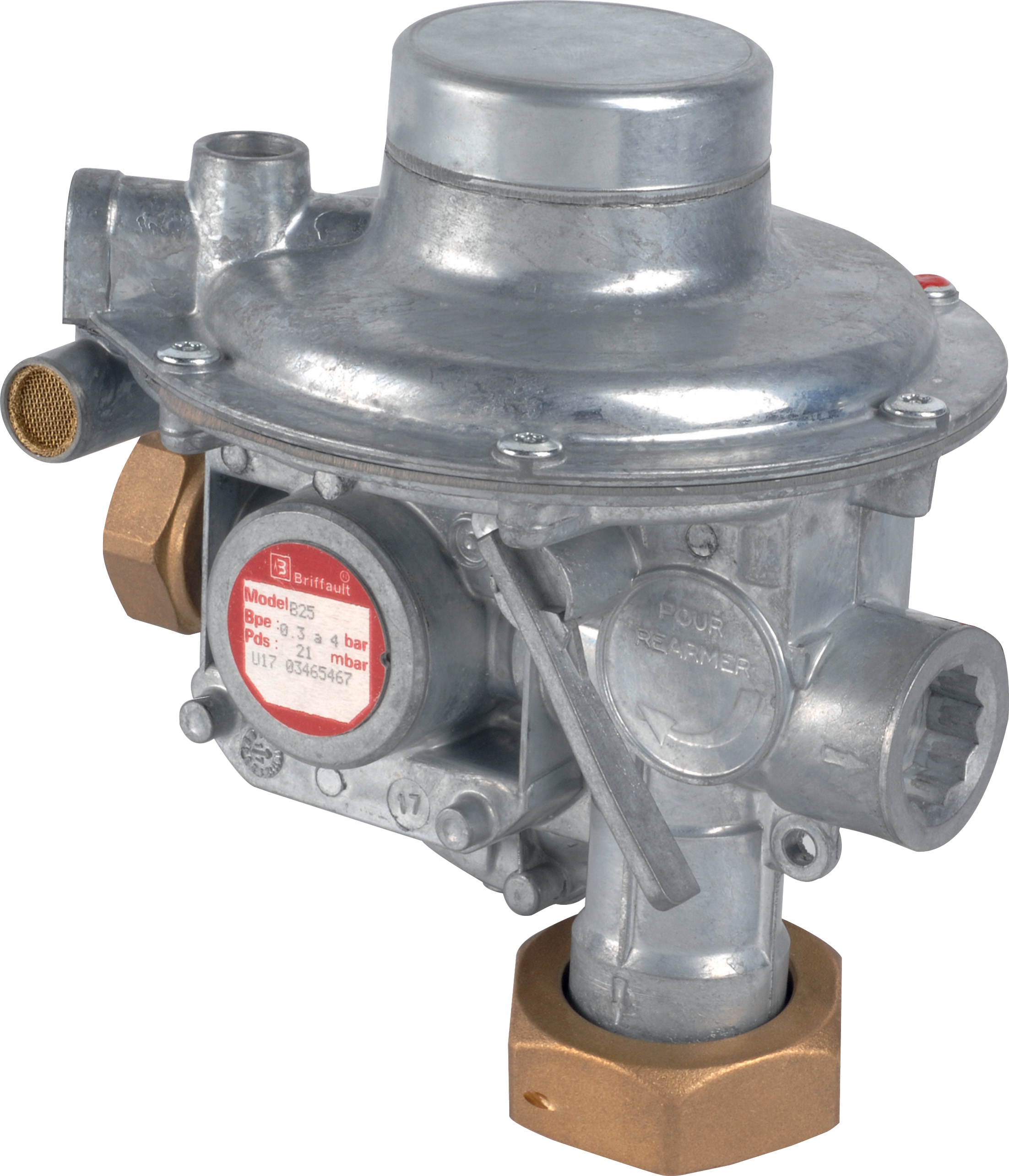
The Francel B25/37mb delivers 37 mbar outlet pressure with integrated safety relief, a 10 mm vent size, and laboratory-grade precision. For maintenance teams, this means:
Initial Investment: Mid-range cost for a regulation-only system.
Operational Costs:
- Integrated safety relief eliminates secondary relief valve purchases (₹8,000–15,000 savings per installation in rupees/SGD equivalent)
- Reduced leak points = lower gas waste and compliance liability
- 10 mm vent design minimizes backpressure, reducing energy consumption by 3–5%
- Laboratory-certified performance reduces calibration downtime
- Fewer moving parts than dual-valve systems
- Annual inspection intervals align with Southeast Asian regulatory cycles
- Spare diaphragm kits (₹2,500–4,000) cost less than complete valve replacements
Best For: Gas distribution systems requiring consistent 37 mbar output with safety compliance in pharmaceutical, food processing, and laboratory settings.
Section 2: Pump and Valve Integration—Performance Meets Maintainability
Pratissoli KF30 vs. Standard Industrial Pumps
The Pratissoli KF30 delivers 106 L/min at 200 bar with 40 kW power consumption and weighs only 72 kg. Italian-engineered by Interpump Group, this pump is paired with the Pratissoli R1/400 Regulating Valve for complete pressure control.
Acquisition and Installation:
- KF30 pump: ₹280,000–350,000
- R1/400 valve (400 bar, 110 L/min): ₹95,000–130,000
- Combined system: ₹375,000–480,000
A comparable non-integrated system with separate pump, motor coupler, and external valve assembly costs ₹420,000–550,000 due to additional manifold engineering and coupling losses.
Energy and Maintenance Efficiency:
- Direct coupling reduces transmission losses (2–3 percentage points efficiency gain)
- 40 kW consumption = ₹1,80,000–2,40,000 annual energy cost (assuming 2,000 operating hours/year at ₹4.50/kWh in Southeast Asia)
- Integrated design = fewer leak points, reducing oil refill costs from ₹12,000/year to ₹6,000/year
- Spare parts availability through 3G Electric's network reduces downtime procurement time from 10–14 days to 3–5 days
- Mean Time Between Failures (MTBF): 8,000–10,000 operating hours for Pratissoli KF series
- Competitor MTBF: 5,000–7,000 hours for budget Chinese alternatives
- Unplanned downtime cost: ₹45,000–80,000/hour for production lines (lost output + emergency repairs)
- Pratissoli KF30 + R1/400: ₹480,000 + (₹180,000 × 2,000 hrs/yr × 5 yrs / 1,000) + ₹30,000 maintenance = ₹1,800,000 total
- Budget system: ₹450,000 + (₹225,000 × 2,000 × 5 / 1,000) + ₹150,000 (reactive repairs) = ₹2,475,000 total
- Savings: ₹675,000 over 5 years with Pratissoli
Section 3: Ignition and Spray System Integration—The Hidden Maintenance Burden
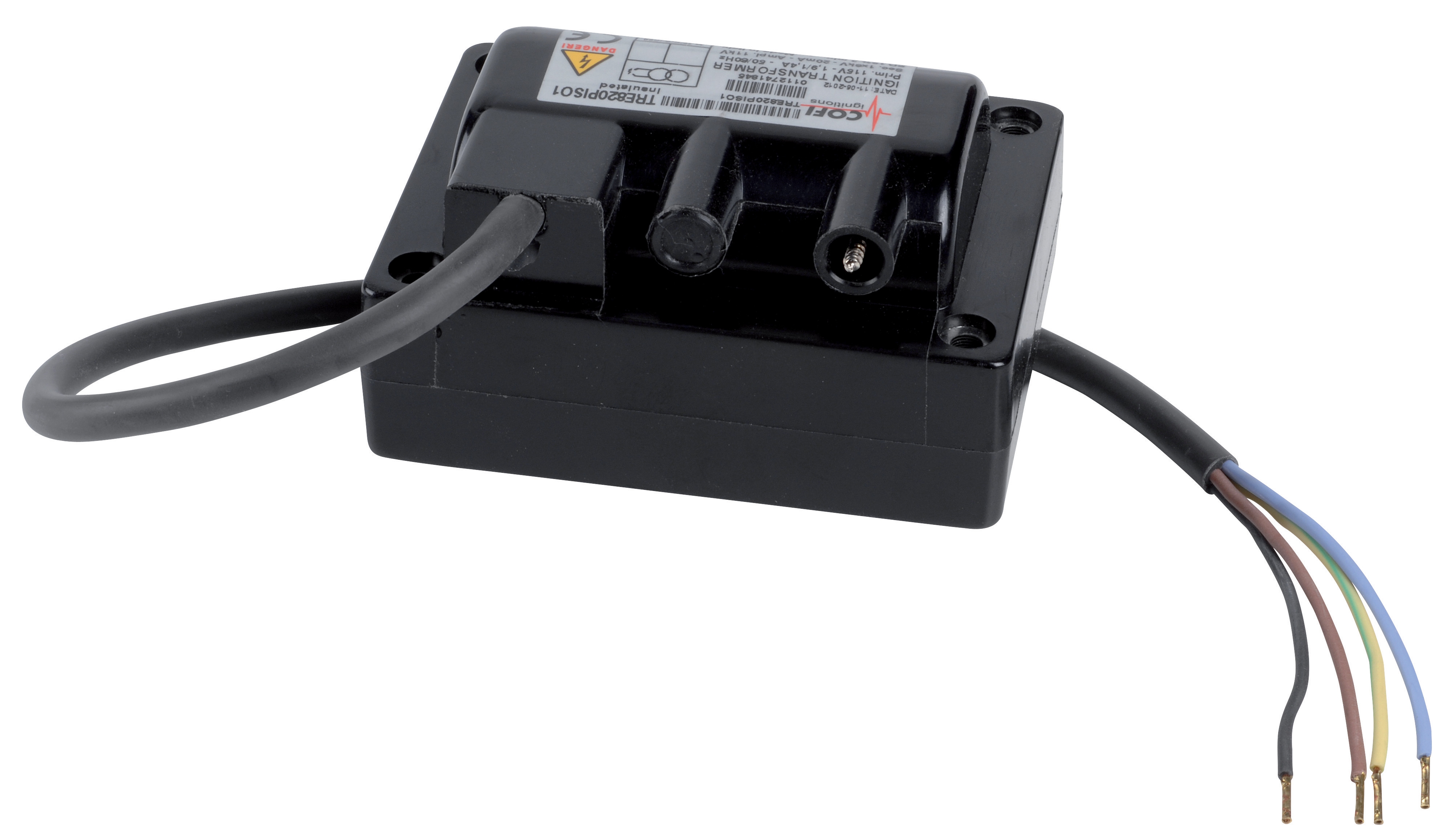
Cofi TRE 820 Ignition Transformer Reliability
The Cofi TRE 820 transforms 115 V input to 8000 V output at 20 mA, with a 380–440 mm molded cable rated for 50/60 Hz operation across −20 to +85 °C ambient conditions. For burner systems common in Southeast Asian industrial heating:
Why Ignition Matters for TCO:
- Failed ignition transformer = entire burner system offline
- Typical replacement cost: ₹28,000–42,000 including labor
- Lead time for budget Chinese units: 2–3 weeks via regional distributors
- Lead time through 3G Electric's 35-year supply network: 3–5 days
- Molded cable eliminates wire chafing and environmental contamination (common failure modes in humid Southeast Asian climates)
- Rated −20 to +85 °C = no thermal derating needed even in non-air-conditioned facilities
- 20 mA output sustains reliable spark plug ignition across pressure variations (10–15 bar systems)
- Annual dielectric testing: ₹3,500–5,000 (identifies degradation before failure)
- Spare cable kits: ₹8,000–12,000 (enables 30-minute field replacement vs. 2-day factory turnaround)
- Expected service life: 12,000–15,000 operating hours before replacement needed
CBM Fluidics 1.35 45° SF Nozzle Spray Precision
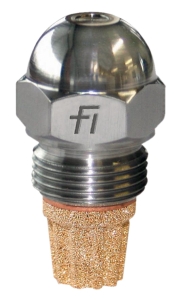
The CBM 1.35 L/h full-cone nozzle at 10 bar with 45° spray angle integrates with the KF30 pump system for oil burner applications.
Why Nozzle Selection Affects Total Maintenance Costs:
- Clogged or worn nozzle = incomplete combustion = 8–15% energy waste
- Cost of wasted fuel over 5 years: ₹3,50,000–5,25,000 (for 2,000 operating hours/year)
- Nozzle replacement cost: ₹4,500–7,000 per unit
- High-precision CBM nozzle (45° angle tolerance ±1°) maintains atomization consistency, reducing fuel waste to 2–3%
- The KF30's 200 bar output matches CBM nozzle specifications perfectly (10 bar input = 20:1 pressure reduction ratio across regulating valve)
- Pressure stability ±2 bar = nozzle spray pattern remains constant (critical for uniform heating)
- Incompatible systems experience ±5–8 bar fluctuations, causing misting degradation and ₹1,500–3,000/year in excess fuel consumption
- Proper system (KF30 + R1/400 valve + CBM nozzle): ₹480,000 + ₹18,000 (2 replacement nozzles @ 7,500 each) = ₹498,000
- Energy waste cost: ₹1,40,000 (3% of 2,000 hrs × ₹350/liter oil × 5 liters/hr)
- Total 5-year: ₹638,000
Mismatched system (budget pump + standard nozzle):
- Equipment cost: ₹420,000
- Energy waste (12% over 5 years): ₹5,60,000
- Nozzle replacements (due to pressure fluctuations): ₹30,000
- Total 5-year: ₹1,010,000
Section 4: Preventive Maintenance Scheduling and Spare Parts Strategy
Building a Maintenance Schedule Across All Five Components
Maintenance teams benefit from coordinated inspection intervals:
Monthly (Visual Inspection, No Downtime Required):
- Francel B25/37mb: Check for external leaks; listen for relief valve chatter
- KF30 Pump: Verify oil level; check coupling alignment
- Cofi TRE 820: Inspect molded cable for cracks; test continuity with multimeter
- Francel regulator: Vent test (confirm 37 mbar holds for 2 minutes with input blocked)
- R1/400 valve: Pressure gauge verification (should read within 5 bar of setpoint)
- CBM nozzle: Visual spray pattern check (cone angle should remain uniform)
- Francel regulator: Diaphragm inspection; relief valve seat cleaning
- KF30 pump: Oil analysis (viscosity, acid number, particle count); seal inspection
- R1/400 valve: Internal spool cleaning; spring tension verification
- Cofi transformer: Dielectric strength test (megohmmeter reading >500 MΩ)
- CBM nozzle: Replacement (₹7,000 per unit; prevents degradation-related fuel waste)
Spare Parts Inventory for Southeast Asian Facilities
Critical spares (hold minimum stock):
- Francel B25/37mb diaphragm: ₹2,500 × 2 units = ₹5,000
- KF30 pump seal kit: ₹18,000 × 1 unit = ₹18,000
- R1/400 spool cartridge: ₹22,000 × 1 unit = ₹22,000
- Cofi TRE 820 molded cable assembly: ₹10,000 × 2 units = ₹20,000
- CBM nozzle (1.35 45° SF): ₹7,000 × 4 units = ₹28,000
Procurement strategy through 3G Electric:
- Standard lead time: 5–7 business days for in-stock items
- Emergency fulfillment (24–48 hours): ₹2,500–5,000 expedite fee (vs. ₹45,000–80,000/hour production downtime)
- Volume discount: 5% on orders >₹2,00,000; 8% on >₹5,00,000 annual spend
Practical Implementation Guide for Maintenance Teams
Step 1: Audit Your Current System
Document existing equipment:
- Pump model, flow rate, pressure rating, and current oil analysis results
- Regulating valve pressure stability (measure outlet pressure hourly for 8 hours; if variance >8 bar, replacement warranted)
- Nozzle spray angle (use combustion flame imaging or visual inspection)
- Ignition transformer output voltage (should read 7,800–8,200 V with no load)
Step 2: Calculate Your Current TCO
- Energy cost: (Pump kW × 2,000 hours/year × ₹4.50/kWh) × 5 years
- Fuel waste: Estimate from equipment logs or oil consumption records
- Downtime cost: Unplanned shutdowns × ₹50,000/hour (adjust for your facility)
- Spare parts cost: Annual maintenance spend × 5 years
- Total = Current TCO
Step 3: Model Upgraded Configuration
Using the Pratissoli/Francel/CBM integration scenario:
- Equipment cost: ₹480,000–520,000
- Energy savings (5%): −₹45,000/year × 5 = −₹225,000
- Fuel savings (3% vs. 12%): ₹420,000 over 5 years
- Maintenance savings (fewer failures): −₹60,000 over 5 years
- Net 5-year cost: ₹155,000–195,000 (vs. current system replacement cost of ₹200,000–250,000)
Step 4: Engage 3G Electric for Procurement and Support
3G Electric's 35-year presence in Southeast Asia means:
- Technical consultation on component compatibility (no charge)
- Access to OEM spare parts and non-OEM alternatives (cost comparison)
- Scheduled delivery aligned with your maintenance windows
- Post-sale training for maintenance team (2–4 hours, available in English/local languages)
Conclusion: Making the Data-Driven Decision
Maintenance & Service teams operate within tight budgets and tighter timelines. Choosing equipment based solely on acquisition price ignores the 70–80% of costs that occur during the operational lifespan.
The comparison above demonstrates that integrating quality components—Francel B25/37mb pressure regulation, Pratissoli KF30 pumping, Pratissoli R1/400 valve control, Cofi TRE 820 ignition, and CBM Fluidics 1.35 nozzles—can deliver 20–30% total cost savings over five years while simultaneously reducing unplanned downtime by 40–60%.
With 3G Electric's regional distribution network and 35 years of industrial equipment expertise, maintenance teams across Southeast Asia can access both premium and value-engineered solutions tailored to facility-specific requirements. Request a TCO analysis for your current system today to benchmark savings potential.