Understanding Your Condensate and Vacuum System Components
As an HVAC contractor in Singapore's humid climate, you're managing condensate drainage and refrigerant evacuation daily. These systems operate silently until they fail, often during peak cooling season when downtime costs the most. Proper Maintenance & Service procedures prevent emergency calls and protect your reputation.
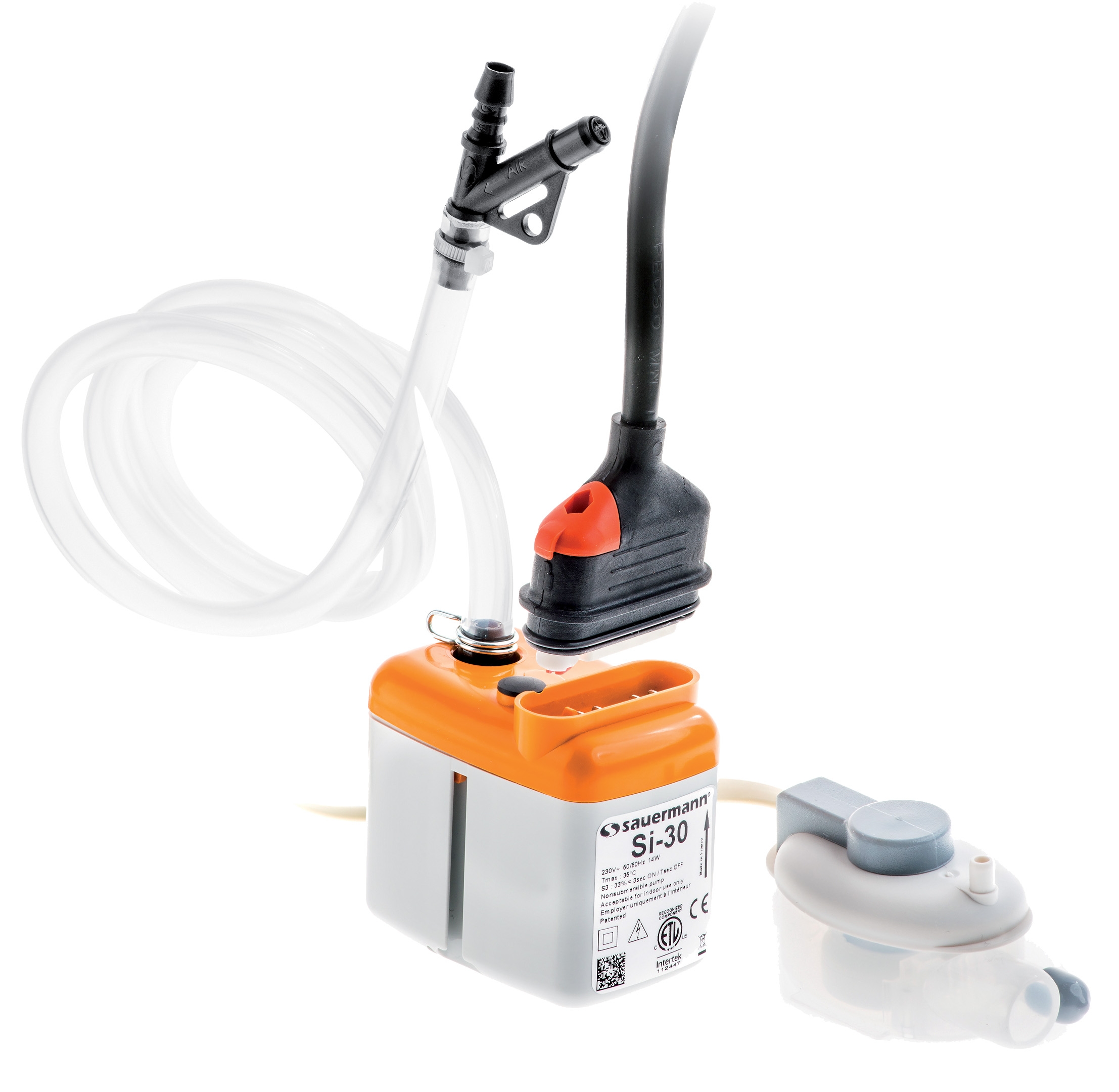
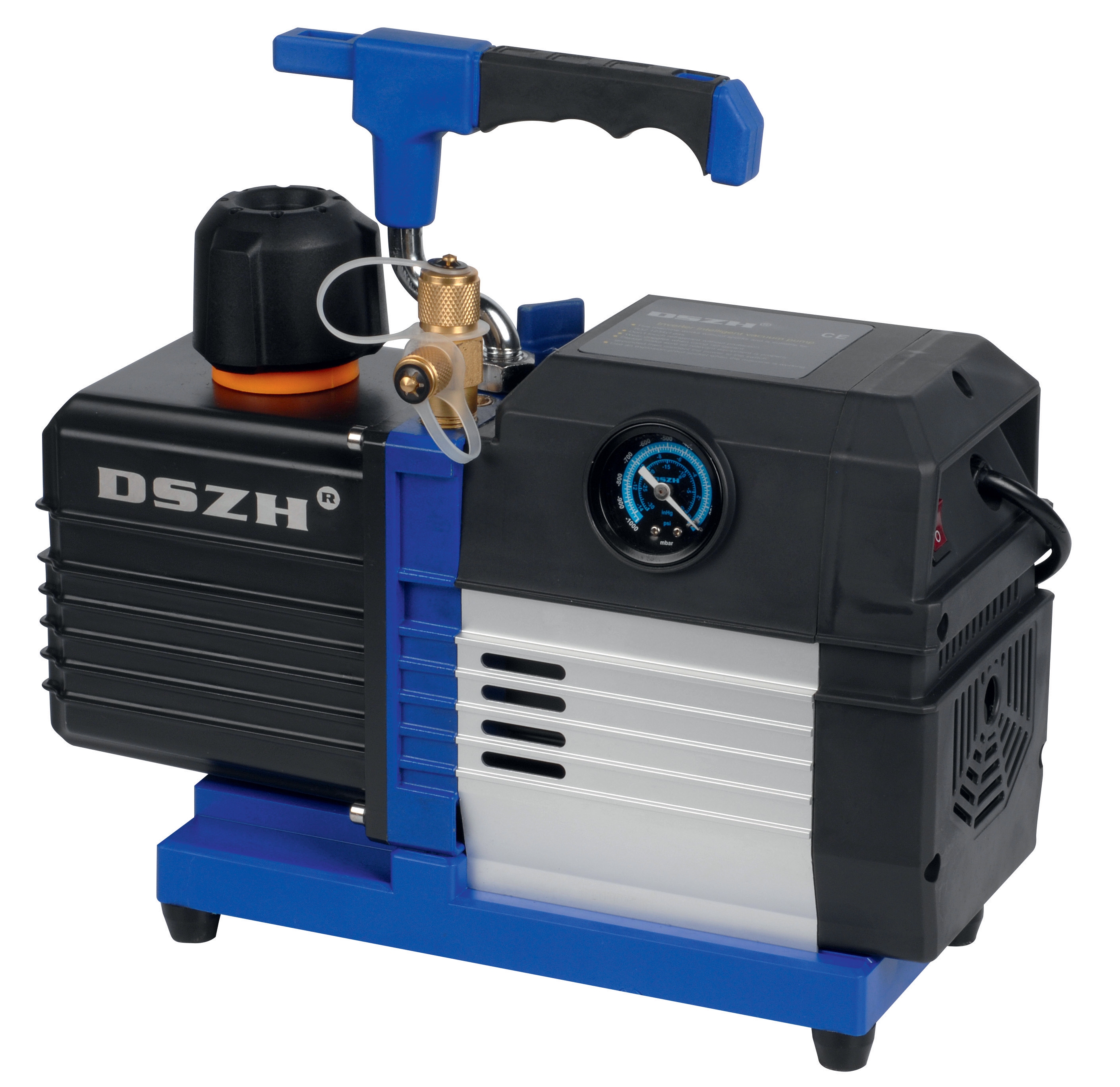
Condensate pumps handle water removal from air conditioning units—the Grundfos SI-30 condensate pump is purpose-built for systems up to 20 kW, delivering 20 l/h continuously. Vacuum pumps like the CBM WK-2BM vacuum pump are essential for refrigerant circuit evacuation before charging, ensuring moisture-free systems that perform efficiently and last longer.
3G Electric has supplied HVAC contractors across Southeast Asia for over 35 years. We've documented thousands of equipment failures—most were preventable through systematic Maintenance & Service practices. This guide shares that practical knowledge.
Routine Maintenance & Service: Monthly and Seasonal Protocols
Monthly Inspection Checklist
Condensate pump systems require monthly attention in Singapore's environment:
- Visual inspection: Check pump housing for corrosion or discoloration. Humidity accelerates deterioration, particularly around electrical connections. Document any visible mineral deposits or slime buildup in the reservoir.
- Float switch testing: Manually lift the float switch while power is on. You should hear an audible click and see pump engagement. If the switch fails to activate, replace immediately—stuck floats cause overflow and water damage within hours.
- Drainage path verification: Trace condensate lines for kinks, blockages, or improper slope. Lines should slope continuously downward at minimum 1:100 gradient. Horizontal sections pooled with stagnant water are ideal breeding grounds for bacterial growth and algae formation.
- Oil level check: The CBM vacuum pump requires oil level verification before each use. Operate only with reservoir at minimum fill line. Running dry destroys the pump in minutes—a 600 ml bottle costs less than replacement equipment damage.
- Electrical connection inspection: Tighten all terminal connectors monthly. Singapore's humidity causes oxidation that increases resistance and generates heat. Corroded connections fail during peak season precisely when you need them most.
Seasonal Deep Service (Pre-Monsoon Preparation)
Before Singapore's monsoon season begins:
- Filter element replacement: If your system includes inlet filters, replace them quarterly in tropical climates. Wet filter media restricts flow and causes pump cavitation.
- Thermal protection testing: The Grundfos SI-30 has automatic thermal cutoff at 115°C. Confirm proper operation by documenting discharge line temperatures during high-load operation. Readings consistently above 110°C suggest overload conditions.
- Vacuum pump oil replacement: Change vacuum pump oil twice yearly in Singapore. Moisture absorption accelerates oil degradation. Fresh oil maintains pumping capacity and prevents corrosion of internal components.
- Drain valve operation: Test reservoir drain valves monthly even if not fully draining. Seized drain valves prevent system cleaning when necessary.
Maintenance & Service Troubleshooting: Diagnosing Common Failures
Condensate Pump Not Engaging
Symptom: Float switch appears functional, but pump doesn't activate even when condensate level is high.
Diagnosis sequence:
- Verify power at pump terminals with a multimeter (should read circuit voltage).
- Check for tripped thermal overload protection. Reset and observe operation under no-load conditions.
- Inspect pump inlet for blockage—mineral deposits commonly accumulate around the float chamber inlet, preventing condensate from reaching the float itself.
- Test capacitor (if equipped) using a capacitor tester. A failed capacitor prevents motor startup even with power present.
Reduced Vacuum Flow During Evacuation
Symptom: Evacuation process takes significantly longer than historical baseline. System still evacuates but requires 6+ hours instead of typical 2-3 hours for residential AC units.
Diagnosis sequence:
- Check oil level immediately. Low oil is the most common cause—as oil depletes through normal wear, pumping capacity drops proportionally.
- Inspect inlet hose and filter for blockages. Crumpled hoses or debris in the inlet restricts intake air.
- Verify gauge readings during operation. If inlet gauge shows vacuum but discharge pressure is elevated, internal wear or valve leakage is occurring.
- Measure evacuation rate using a vacuum gauge: plot pressure versus time. Healthy pumps should achieve 25 microns within 30 minutes on a standard isolated air conditioning circuit.
Condensate Leakage Around Pump Housing
Symptom: Water seeps from pump body even though internal float cutoff prevents overfilling.
Diagnosis sequence:
- Isolate the issue: is water coming from the inlet port, outlet port, or motor seal area?
- Check outlet line for backpressure. If outlet is at or above pump's maximum head rating (typically 7-10 meters for small AC units), pressure forces seals to fail.
- Inspect inlet connection threads. Cross-threaded fittings during installation damage seals permanently.
High-Pressure Systems and Supplementary Equipment
While condensate pumps handle low-pressure water removal, your toolkit may include high-pressure components for specialized applications. The Interpump E1D1808 gear pump and Pratissoli KF30 industrial pump serve commercial hydronic systems and pressure-washing equipment that HVAC contractors sometimes maintain.
These high-pressure pumps require different Maintenance & Service protocols:
- Pressure relief valve testing: Monthly activation of relief valves under zero-load confirms they function at rated setpoint. Failed relief valves cause catastrophic hose failures.
- Hose inspection intervals: High-pressure hoses should be replaced every 5 years regardless of condition. Internal elastomer degradation isn't visible externally but causes sudden rupture.
- Fluid condition monitoring: Monthly fluid samples from high-pressure systems reveal bearing wear, contamination, and oxidation. This predictive approach prevents $10,000+ pump replacements.
For these complex systems, partner with distributors like 3G Electric who maintain technical staff experienced in both HVAC-specific and industrial equipment requirements.
Documentation and Service Records
Maintain a simple but consistent service log for each installed system:
- Date and technician name: Enables tracking of which contractor handled each service.
- Components tested: Record which elements you verified (float switch, thermal protection, oil level, etc.).
- Observations and actions: Note any abnormal findings and corrective work performed.
- Next service date: Schedule follow-up maintenance based on operating hours and season.
Digital tools now make this effortless—many contractors photograph equipment nameplates and serial numbers immediately after installation, enabling rapid lookups when problems occur. This documentation also supports warranty claims when manufacturers require proof of proper maintenance.
Sourcing Replacement Components in Singapore
3G Electric stocks replacement parts for condensate and vacuum equipment serving the Singapore market. Lead times for OEM components from European manufacturers average 2-3 weeks, so maintaining small inventory of high-failure items (capacitors, float switches, seal kits) prevents emergency shipping costs.
Common stock items we recommend keeping on-site:
- Replacement capacitors (match microfarad rating precisely)
- Float switch assemblies
- Inlet strainer screens
- O-ring and seal kits
- Vacuum pump oil (ISO VG 32)
- Dielectric grease for electrical connectors
Regular suppliers can often drop-ship common replacement components same-day if you maintain account status.