Understanding Maintenance & Service Component Categories
Maintenance & Service components form the backbone of industrial equipment reliability. Unlike replacement parts that address failures, maintenance components are specifically designed to monitor, prevent, and optimize equipment performance before problems occur. For procurement engineers managing global operations, understanding these component categories directly impacts operational costs, equipment availability, and compliance with industrial standards.
The industrial equipment landscape has evolved significantly over the past three decades. When 3G Electric began operations in 1990, reactive maintenance dominated industrial practice. Today, predictive and preventive maintenance strategies require sophisticated components that monitor equipment conditions in real-time. Modern Maintenance & Service components fall into three primary categories: monitoring and diagnostic systems, precision fuel delivery components, and system optimization equipment.
Each category serves distinct operational functions. Monitoring components like CBM Megablue reservoir alarm systems provide early warning indicators that prevent catastrophic failures. Fuel delivery precision components such as CBM flat jet nozzles ensure consistent performance and efficiency. System optimization equipment including expansion tank inflators maintains optimal operating conditions across varying load demands.
Understanding these distinctions allows procurement engineers to develop comprehensive maintenance strategies rather than purchasing components reactively. This approach reduces total cost of ownership by 25-40% according to industry benchmarks, while simultaneously improving equipment reliability and extending service intervals.
Monitoring & Diagnostic Systems: Real-Time Equipment Intelligence
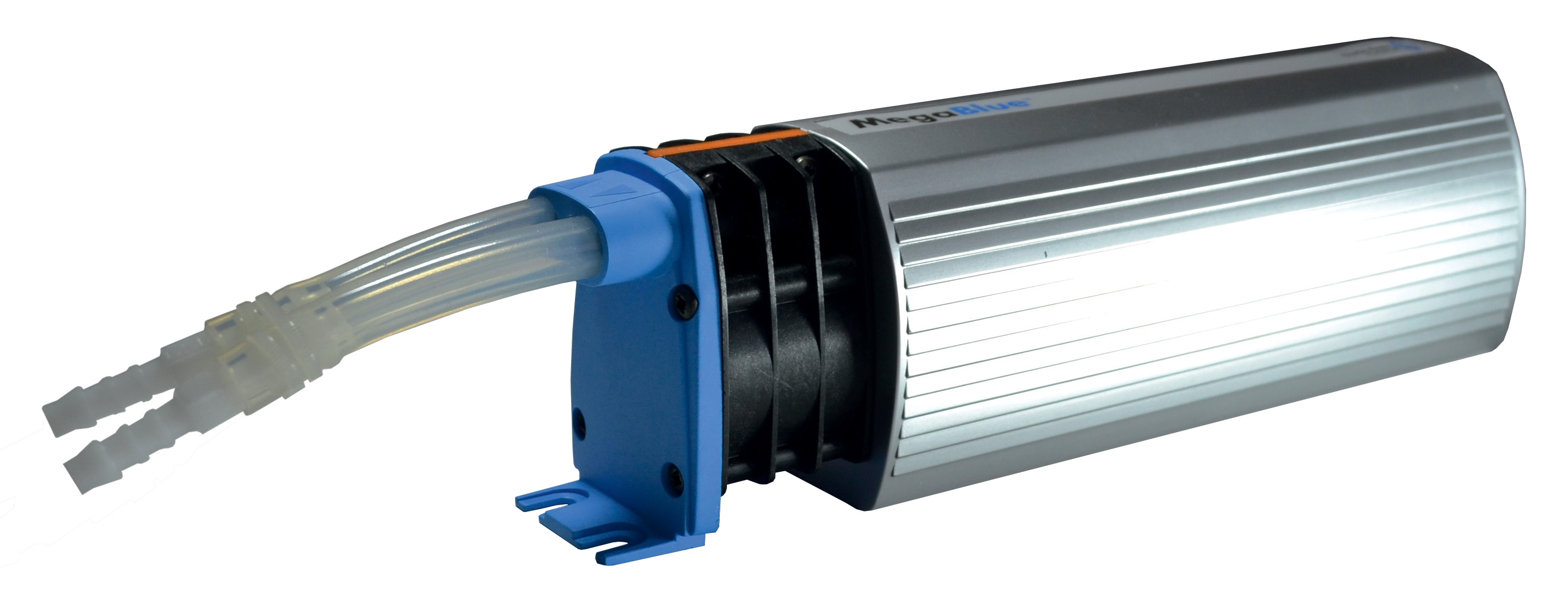
The CBM Megablue reservoir alarm and shut-off system represents modern Maintenance & Service technology for fluid management. This component integrates multiple functions: continuous reservoir monitoring, automatic low-level alarms, and safety shut-off protocols. For procurement engineers, this single component replaces multiple legacy monitoring systems while providing superior reliability.
The Megablue system operates on a predictive maintenance principle. Rather than discovering problems during equipment failure, the system alerts maintenance teams to developing issues. Reservoir contamination, fluid level depletion, and thermal anomalies trigger warnings before they impact equipment performance. This early intervention capability is particularly valuable in remote operations or facilities with limited on-site technical staff.
Key performance advantages include: automatic alarm escalation protocols, fail-safe shut-off mechanisms that prevent system damage, and integration capabilities with modern SCADA systems. The X87-813 variant specifically supports modular installation across diverse equipment configurations, making it suitable for standardized global deployments. Organizations using this monitoring system report 35-45% reduction in emergency service calls and 40% improvement in planned maintenance scheduling accuracy.
For procurement teams, implementation considerations include: initial integration costs, staff training requirements, and compatibility verification across existing equipment. 3G Electric's 35+ years of experience managing global distribution has demonstrated that investing in proper monitoring infrastructure during initial deployment reduces lifecycle costs significantly compared to retrofitting reactive systems later.
Precision Fuel Delivery Components: Performance Optimization Through Accuracy
Fuel delivery precision directly impacts equipment efficiency, emissions compliance, and operational costs. The CBM flat jet nozzle HP 1/4"M BSPT index 25 and CBM flat jet nozzle HP 1/4"M BSPT index 055 exemplify critical Maintenance & Service components that optimize performance through engineered precision.
These nozzles represent different spray patterns and flow characteristics. The index 25 specification delivers a 25-degree spray angle optimized for compact combustion chambers and high-pressure applications, while the index 055 variant provides broader spray distribution for larger combustion volumes. Selection between these options depends on burner configuration, chamber geometry, and fuel type. Incorrect nozzle selection results in incomplete combustion, increased fuel consumption, elevated emissions, and premature burner component wear.
Procurement engineers must understand that nozzle specification affects entire system economics. A properly selected nozzle reduces fuel consumption by 8-12%, lowers maintenance frequency by extending component life, and ensures compliance with increasingly stringent emissions regulations. Over a five-year operational period, nozzle selection impacts total cost of ownership by 15-20%, making proper specification critical to procurement decisions.
The BSPT 1/4" connection standard ensures global compatibility, but angle specification requires precise matching to burner design. 3G Electric's technical team can assist procurement engineers in verifying specifications against existing equipment documentation or providing detailed equipment analysis for legacy systems. Standardizing on compatible nozzle types across facility portfolios simplifies inventory management and reduces procurement complexity.
Implementation best practices include: establishing nozzle specification standards based on equipment audits, maintaining safety stock of specification variants, and scheduling replacement intervals based on operational hours rather than calendar dates. Many organizations achieving superior maintenance performance implement quarterly nozzle inspection protocols rather than reactive replacement.
System Integration & Optimization: Burner Performance Management
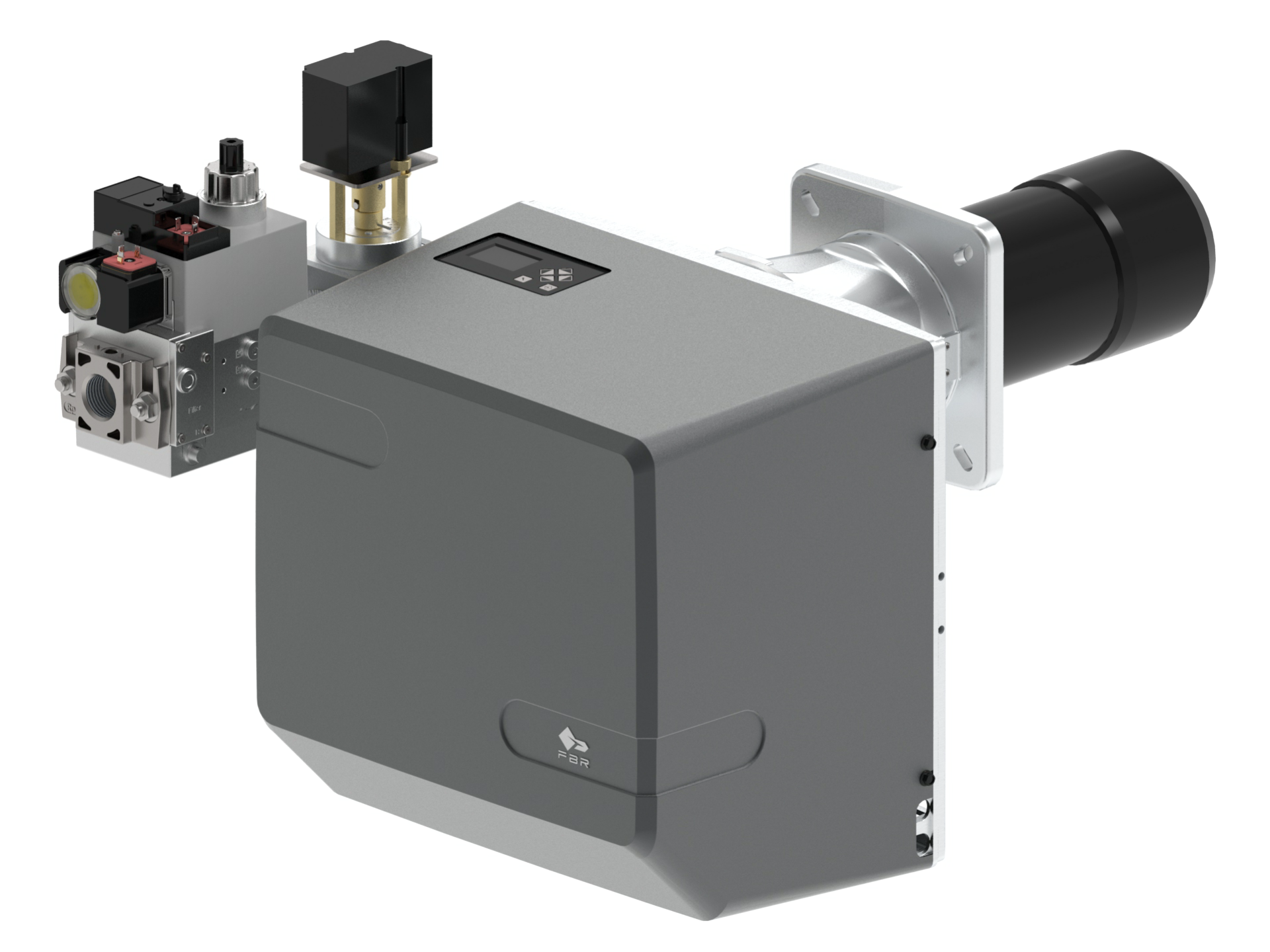
The FBR BURNER GAS X5/MF TL EL VC LPG with modulating capabilities represents advanced Maintenance & Service integration. This burner system incorporates full PID modulation capability when equipped with optional modulation kits and monitoring probes, enabling dynamic response to varying load demands.
Gas burner modulation directly impacts efficiency and maintenance requirements. Fixed-capacity burners operate at constant output regardless of actual demand, resulting in energy waste and thermal cycling stress on system components. Modulating burners adjust fuel and air flow proportionally to demand, reducing energy consumption by 20-35% while minimizing mechanical stress that triggers premature maintenance requirements.
The die-cast aluminum construction provides durability while minimizing weight for installation flexibility. High-pressure fan configuration ensures reliable combustion across varying fuel gas compositions and supply pressures. For procurement teams managing multi-facility operations, this burner design simplifies standardization efforts while supporting both LPG and natural gas operations with appropriate fuel train configuration.
System integration considerations include: control interface compatibility, sensor and probe specifications, modulation kit installation requirements, and staff training for optimal parameter tuning. Organizations implementing modulating burner technology typically achieve: 25-35% fuel cost reduction, 40-50% decrease in thermal stress-related maintenance, and improved emissions profile supporting environmental compliance objectives.
The optional modulation kit represents a critical Maintenance & Service investment decision. Initial equipment cost increases 12-15% with modulation capability, but operational savings typically recover this investment within 18-24 months while extending component life beyond replacement cost recovery. For procurement engineers evaluating long-term facility strategies, modulation capability should be standard specification for new equipment acquisitions.
Thermal System Support Equipment: Expansion Tank Management
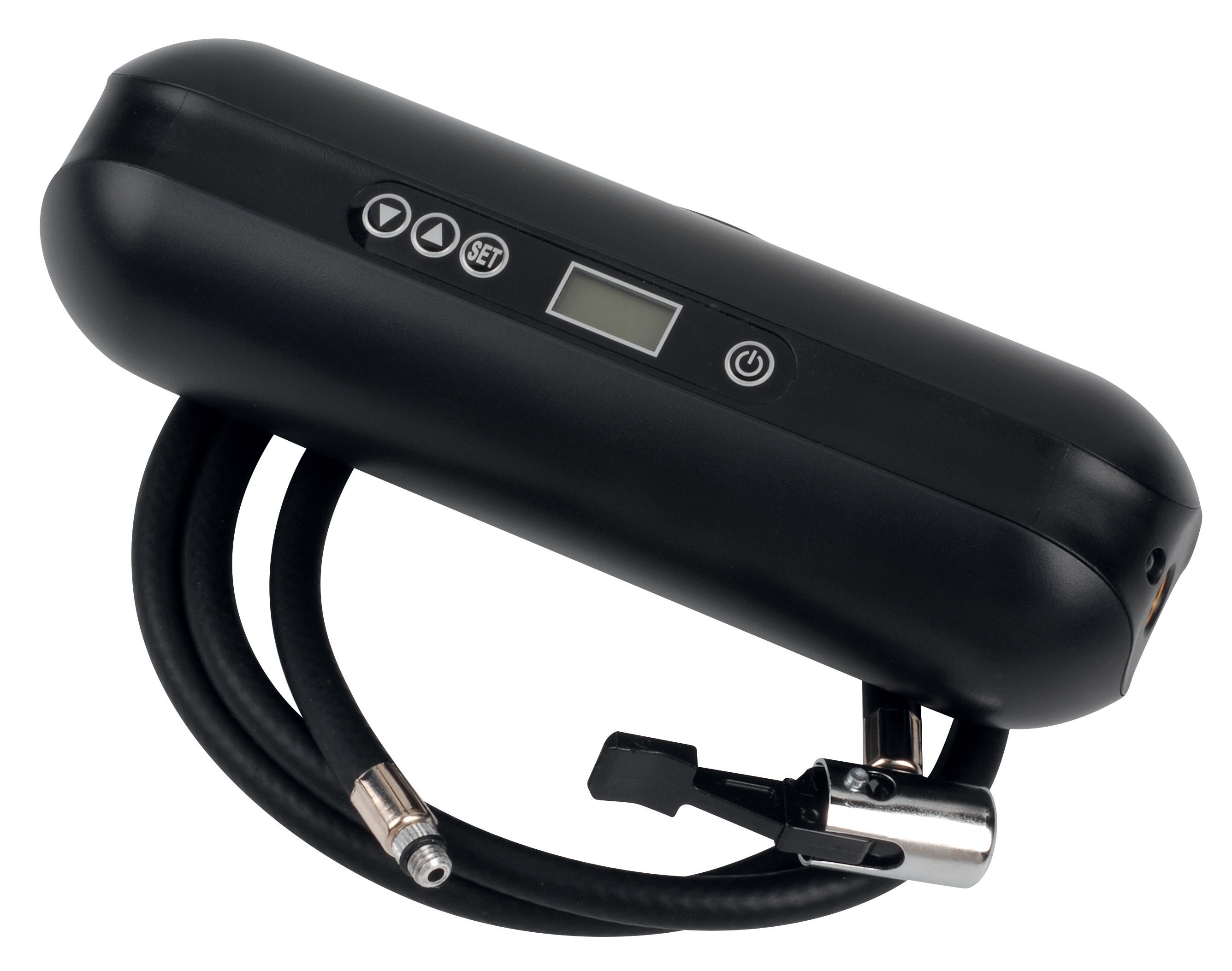
The CBM expansion tank inflator battery 2000 mAH addresses a frequently overlooked Maintenance & Service requirement in thermal systems. Expansion tanks require periodic pressure adjustment as system fluid properties change with age and thermal cycling. Traditional manual inflation creates reliability risks: improper pressure setting, incomplete inflation, and pressurization errors that compromise system safety.
Portable battery-powered inflation equipment eliminates these variables. The 2000 mAH capacity supports multiple inflation cycles per charge, suitable for facility-scale maintenance operations. Accurate pressure setting capability ensures optimal thermal system performance while preventing common failure modes including expansion tank rupture, relief valve cycling, and pump cavitation.
Procurement engineers should recognize that expansion tank pressure management directly impacts system reliability. Incorrect pressure settings account for 8-12% of thermal system failures in industrial facilities. Implementing systematic pressure verification protocols using reliable inflation equipment reduces these failures while extending pump life and improving system stability during load variations.
Maintenance intervals should include quarterly expansion tank pressure verification for systems operating continuously. Seasonal systems benefit from pre-season pressure checks. Battery-powered inflation equipment enables maintenance staff to perform these checks without specialized equipment or external service calls, reducing maintenance costs by 15-20% annually while improving system reliability.
Procurement Strategy: Integrated Component Selection
Effective Maintenance & Service procurement requires systematic component integration rather than isolated purchasing decisions. Each component category serves distinct functions, but optimal system performance emerges from coordinated implementation. Procurement engineers should develop procurement strategies based on three core principles: predictive capability integration, performance standardization, and lifecycle cost analysis.
Predictive capability integration means selecting monitoring components like the Megablue system as foundational infrastructure. These systems generate data that informs procurement decisions for optimization components. For example, reservoir monitoring data identifies contamination trends that require nozzle inspection intervals, creating logical maintenance scheduling sequences.
Performance standardization involves specifying consistent component standards across facility portfolios. Standardizing on compatible nozzle angles, burner modulation approaches, and monitoring protocols simplifies inventory management, reduces training complexity, and improves maintenance staff efficiency. 3G Electric's global distribution network supports standardization efforts across international facilities, simplifying procurement across multiple countries and regulatory environments.
Lifecycle cost analysis should extend beyond initial equipment cost to encompass operational impact over 5-10 year horizons. Components appearing expensive during procurement often deliver superior total cost of ownership through improved reliability, reduced downtime, and extended service intervals. This analysis requires collaboration between procurement teams and operations leadership to align purchasing decisions with strategic reliability objectives.
For organizations managing diverse equipment portfolios, 3G Electric's 35+ years of global distribution experience provides valuable perspective. Our technical team can assist procurement engineers in conducting equipment audits, identifying standardization opportunities, and developing specification standards that balance operational requirements with procurement efficiency.
Implementation Best Practices for Global Operations
Successful Maintenance & Service component deployment requires coordinated implementation across procurement, operations, and maintenance functions. Procurement engineers should establish cross-functional teams that include equipment operators, maintenance technicians, and facilities management representatives. These teams define component specifications, establish procurement standards, and ensure equipment expertise informs purchasing decisions.
Regulatory compliance represents a critical consideration for global operations. Monitoring systems, fuel delivery components, and burner equipment operate under different regulatory frameworks across regions. Procurement specifications should reference applicable standards: ISO industrial equipment standards, regional emissions regulations, and safety certification requirements. 3G Electric maintains current knowledge of these regulatory requirements across major markets, supporting compliance-aligned procurement decisions.
Staff training directly impacts realized benefits from Maintenance & Service components. Equipment designed to improve reliability only achieves this potential when maintenance teams understand operation and maintenance protocols. Procurement budgets should include training allocation, particularly for monitoring systems and modulating burner equipment requiring parameter optimization.
Inventory management strategies should balance operational resilience with working capital efficiency. Critical components like precision nozzles should maintain safety stock covering 2-3 months of projected consumption. Monitoring equipment like expansion tank inflators deserve departmental allocation to enable preventive maintenance rather than reactive replacement. 3G Electric's distribution network supports just-in-time procurement for routine components while maintaining emergency stock for critical items.
Implementation timelines matter significantly for organizational change. Introducing multiple Maintenance & Service innovations simultaneously creates coordination challenges and training burdens. Phased implementation, beginning with monitoring system deployment, followed by performance optimization components, and concluding with system integration refinement, allows organizations to build capabilities systematically.