Understanding Precision Jet Nozzle Applications in Modern Industry
Industry Applications for precision spray systems span manufacturing, process cooling, combustion optimization, and equipment maintenance across every global sector. Procurement engineers must understand how nozzle specifications directly impact operational efficiency, energy consumption, and product quality. With over 35 years of experience distributing industrial equipment worldwide, 3G Electric has observed that incorrect nozzle selection remains one of the most common procurement errors—often resulting in 15-25% efficiency losses and premature equipment failure.
Precision jet nozzles serve critical functions in both direct and indirect applications. Direct applications include spray cooling on injection molding equipment, precision cleaning of optical components, and fuel atomization in combustion systems. Indirect applications involve system testing, maintenance operations, and performance validation across thermal management systems. The angle and index specifications determine spray pattern, penetration distance, and flow distribution—parameters that directly affect downstream system performance.
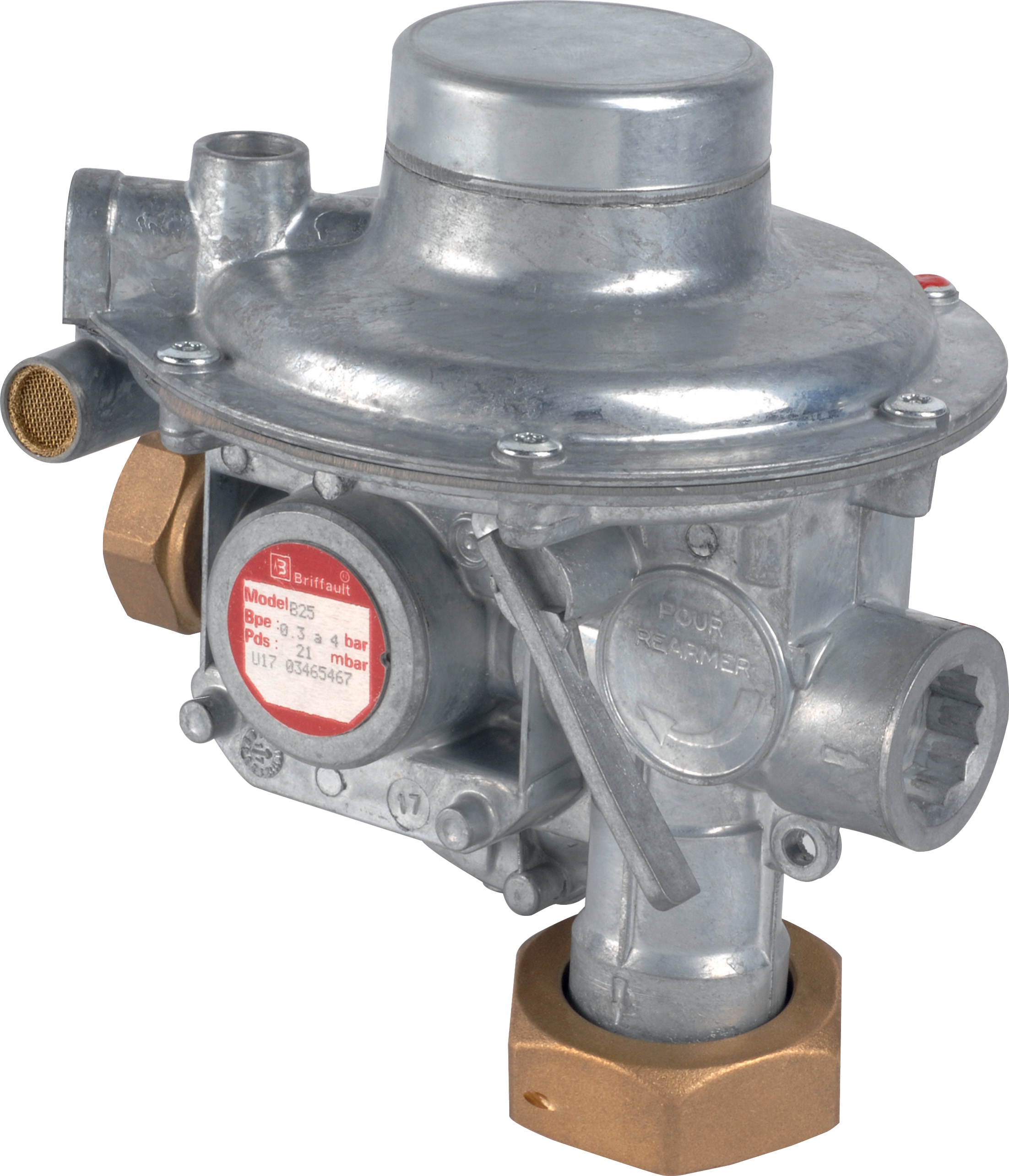
For procurement professionals evaluating nozzles like the CBM Flat jet nozzle HP 1/4"M BSPT index 25 angle 15°, specification must consider operating pressure, fluid viscosity, target application distance, and pattern requirements. An index 25 specification differs fundamentally from index 055 variants—the lower index number produces a wider, more dispersed spray pattern suitable for general cooling applications, while higher indices create more concentrated jets for precision targeting. The 15° angle designation indicates the spray direction relative to the nozzle axis, critical for applications requiring specific directional fluid delivery.
Specification Criteria for Global Procurement
Effective procurement of precision nozzles requires systematic evaluation of application requirements before component selection. Begin by mapping your facility's operational envelope: identify all locations requiring spray or jet delivery, document current pressure settings, measure flow requirements, and analyze target surface geometry. This foundation prevents the costly mistake of specifying components mismatched to actual operating conditions.
Pressure and Flow Considerations
CBM nozzles rated for high-pressure (HP) applications typically function between 250-400 bar, though performance specifications must be verified against your system's actual operating pressure. Procurement engineers often overlook the relationship between nozzle index and optimal pressure—at pressures below design specifications, pattern integrity degrades significantly, reducing effectiveness. Conversely, exceeding maximum rated pressure risks nozzle damage and creates safety hazards. For applications using CBM Flat jet nozzle HP 1/4"M BSPT index 055 angle 15°, document whether your system operates at constant pressure or variable demand conditions.
Thread and Connection Standards
The 1/4"M BSPT (British Standard Pipe Taper) connection specification ensures compatibility with European and Commonwealth industrial equipment—a critical consideration for global procurement. BSPT threads differ from NPT (North American Pipe Thread) standards, and mixing these connections creates leakage risks and unsafe conditions. When evaluating equipment across multiple geographic markets, verify thread standards explicitly. 3G Electric's global distribution experience confirms that thread incompatibility accounts for approximately 8-12% of returned components in multinational procurement operations.
Application-Specific Selection
The dramatic difference between index 25 and index 055 nozzles reflects different application families. Index 25 nozzles suit general spray cooling, equipment lubrication, and broad-area misting applications. Index 055 nozzles target precision cleaning, combustion air-assist applications, and situations requiring concentrated jet penetration. Your procurement specification must explicitly state the intended application, as each nozzle type delivers different performance characteristics. A single procurement document covering multiple facilities often requires multiple nozzle variants—a detail frequently overlooked in centralized purchasing operations.
System Monitoring and Auxiliary Component Integration
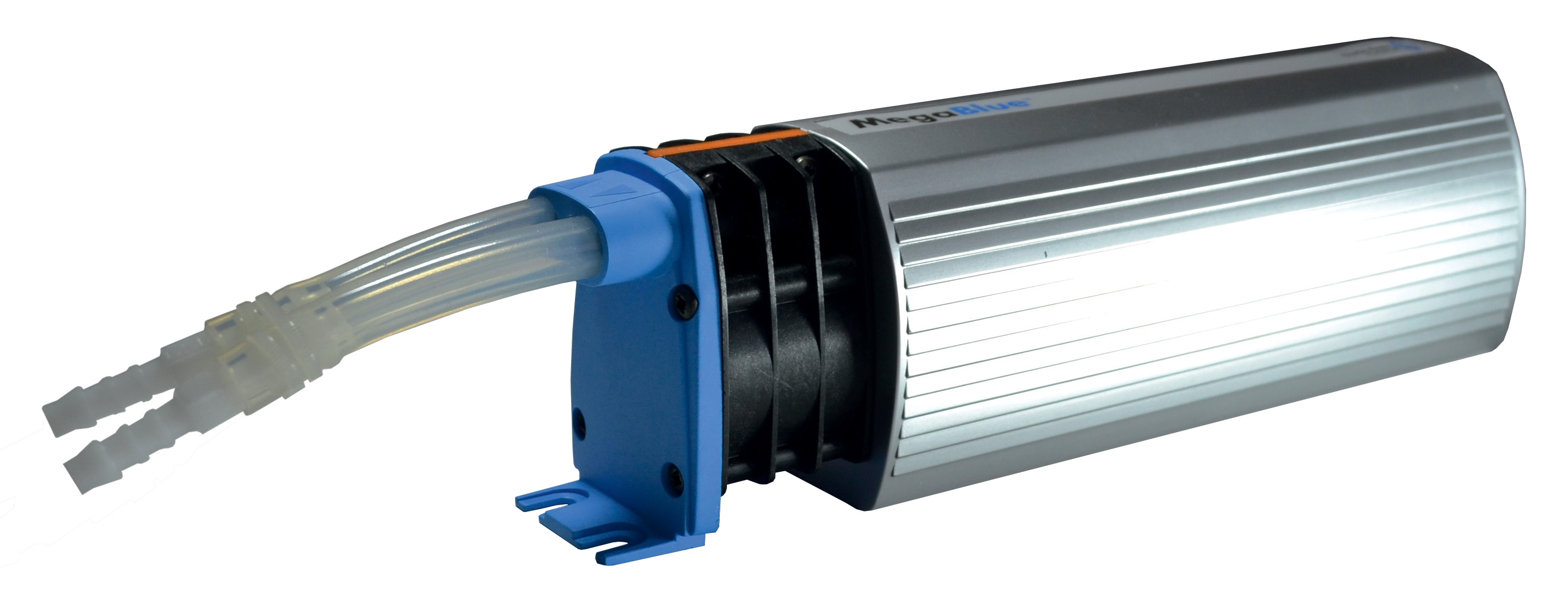
Modern industrial applications demand integrated monitoring capabilities alongside precision fluid delivery. Equipment failure, pressure loss, or performance degradation frequently goes undetected until secondary systems suffer damage. The CBM Megablue reservoir alarm + shut-off X87-813 exemplifies the evolution toward intelligent system monitoring, providing real-time pressure and volume detection with automated safety shut-down capabilities.
Integration with Thermal and Hydraulic Systems
Reservoir monitoring serves multiple critical functions: pressure threshold detection prevents over-pressurization damage, volume monitoring identifies leaks before they compromise system operation, and temperature sensors track fluid condition. For procurement engineers, the key specification question involves system criticality—is reservoir failure merely inconvenient, or does it risk downstream equipment damage or safety hazards? High-criticality systems warrant alarm plus shut-off functionality, while lower-risk applications may accept alarm-only monitoring.
The X87-813 specification indicates this unit integrates with CBM's Megablue series architecture, ensuring compatibility with existing system infrastructure. When evaluating reservoir monitoring equipment, confirm that alarm signal outputs match your facility's control system inputs—whether hardwired contacts, analog 4-20mA signals, or modern Ethernet/fieldbus protocols. Procurement mismatches between monitoring equipment and control systems frequently result in disabled alarms or false shutdowns, creating operational instability.
Battery-Powered Auxiliary Equipment for Remote Locations
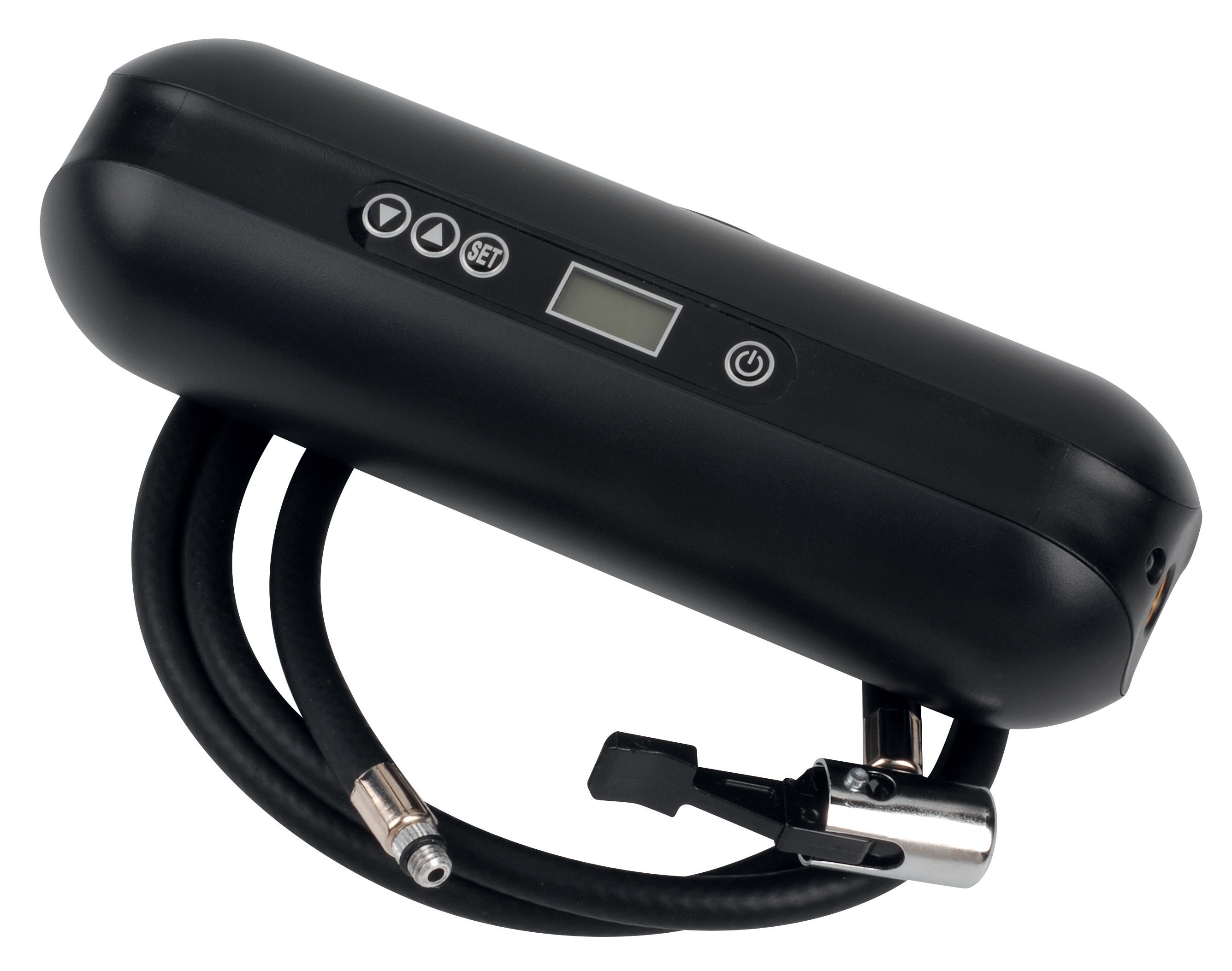
Global industrial facilities increasingly operate in locations with limited infrastructure—offshore platforms, remote manufacturing sites, or mobile equipment installations. The CBM Expansion tank inflator battery 2000 mAH addresses this challenge by providing portable pressurization capability without requiring fixed electrical connections or compressed air supplies.
For procurement applications involving thermal storage systems, heating loops, or closed-circuit cooling, expansion tank pressurization occurs infrequently but requires immediate availability when needed. Traditional air compressors or hand pumps introduce operator error risks and require skilled personnel. The 2000 mAH specification indicates this battery-powered inflator provides multiple pressurization cycles from a single charge—typically sufficient for 3-5 expansion tank charges depending on tank volume and target pressure. Procurement specifications should document the number and timing of pressurization events your facility experiences annually, enabling calculation of total cost of ownership including battery replacement cycles.
Mechanical Installation and Infrastructure Requirements
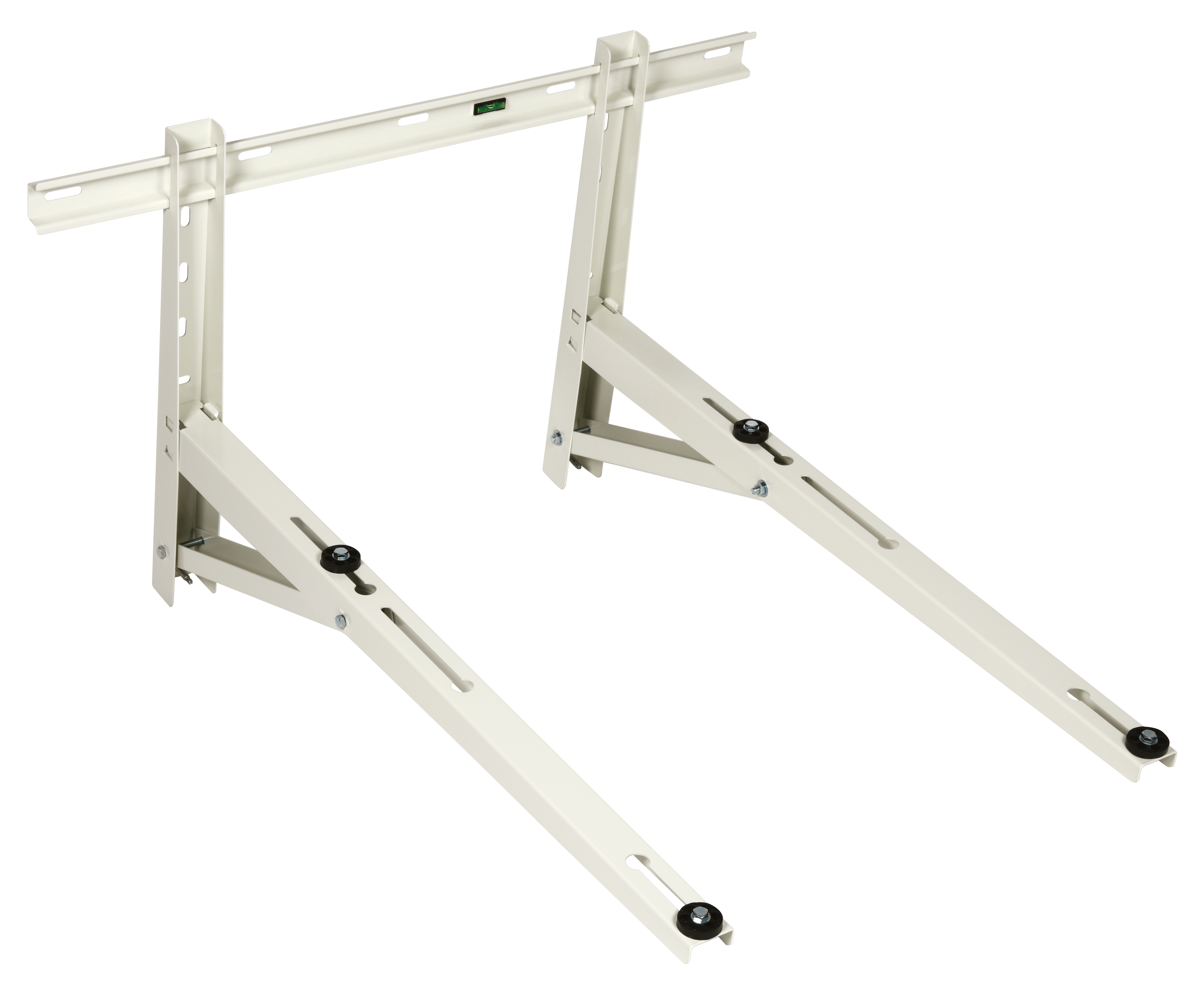
Precision nozzle and monitoring system installation requires infrastructure planning beyond component procurement. The CBM Wall bracket 1000 illustrates the importance of mounting infrastructure—specification "1000" indicates load capacity, though procurement engineers must verify actual component weight and vibration forces against rated capacity. Under-specified brackets risk equipment displacement, nozzle misalignment, and safety hazards.
Vibration and Alignment Considerations
High-pressure fluid systems generate significant vibration, particularly at spray nozzle discharge points. Nozzles mounted on inadequately-damped brackets exhibit directional drift, spray pattern distortion, and accelerated seal wear. When procuring mounting hardware alongside precision nozzles, specify brackets rated for 1.5× the calculated vibration load, enabling accommodation of unexpected demand fluctuations or process changes.
Alignment precision directly impacts application effectiveness. A nozzle misaligned by just 5-10mm from target often produces 30-40% efficiency loss due to pattern overlap or missed spray coverage. For critical applications, procurement specifications should include calibrated installation procedures and post-installation verification protocols.
Fluid Line Integration and Pressure Management
Connecting multiple nozzles or mixing index variants within single systems requires careful pressure manifold design. Different nozzle specifications have different flow characteristics, and attempting to operate them simultaneously in series often creates backpressure problems. Procurement engineers specifying multiple nozzles should consult system pressure curves or engage 3G Electric's technical team for manifold sizing recommendations. Undersized distribution lines frequently result in pressure drops that degrade performance, while oversized infrastructure increases capital cost and fluid volume without functional benefit.
Practical Implementation and Global Considerations
Successful precision component procurement requires documented processes addressing the reality of global operations. Facilities spanning multiple countries often operate similar equipment under different maintenance schedules, environmental conditions, and supplier relationships. Establishing standardized nozzle and monitoring component specifications reduces complexity, improves spare parts availability, and enables training consistency across operations.
Document your facility's operating pressure, environmental conditions, maintenance frequency, and criticality classifications for each equipment location. Map these parameters against component specifications from 3G Electric's product portfolio. For applications spanning multiple regions, verify that selected components meet local regulatory requirements—some geographic markets impose restrictions on specific pressure ratings or connection standards.
Maintenance interval planning represents an often-overlooked procurement consideration. Precision nozzles typically require cleaning or replacement every 500-2000 operating hours depending on fluid cleanliness and application severity. Procurement should establish strategic inventory reserves—typically 15-20% above calculated consumption—ensuring immediate replacement availability without extended shutdown periods. Battery-powered equipment like the expansion tank inflator requires periodic function verification and battery replacement planning, aspects frequently omitted from initial procurement documentation but critical for long-term operational reliability.
With 35+ years of global distribution experience, 3G Electric understands that effective procurement extends beyond component selection to encompass installation support, spare parts strategy, and ongoing technical guidance. Engage your supplier early in the evaluation process, provide comprehensive facility documentation, and establish clear communication regarding performance expectations. This collaborative approach reduces specification errors, accelerates implementation, and builds supplier relationships that deliver long-term operational advantages.