Understanding Hazardous Area Classification and Equipment Requirements
Plant managers operating in hazardous environments face a critical challenge: balancing operational efficiency with safety compliance. Whether your facility processes flammable liquids, gases, or operates in explosive atmospheres, equipment selection directly impacts worker safety, regulatory compliance, and operational continuity.
The ATEX (Atmosphères Explosibles) directive establishes the framework for equipment safety in explosive atmospheres across Europe and globally recognized markets. However, many plant managers misunderstand how ATEX compliance translates into practical equipment specifications. ATEX certification doesn't mean an equipment piece is "overkill" for hazardous applications—it means the equipment is engineered to prevent ignition sources that could trigger catastrophic incidents.
With over 35 years of experience distributing industrial equipment, 3G Electric has supported plant managers across chemical processing, petrochemical refining, pharmaceutical manufacturing, and powder coating operations. Drawing on this experience, we've identified that successful hazardous area operations require three core competencies: understanding equipment ratings, selecting integrated systems rather than isolated components, and establishing maintenance protocols aligned with certification standards.
Selecting ATEX-Compliant Spray and Fluid Delivery Systems
High-pressure spray systems represent one of the most common ignition risk sources in hazardous areas. Whether you're cleaning reactor vessels, coating products, or applying protective coatings, traditional spray equipment can generate static electricity, mechanical friction, and heat—all potential ignition sources in explosive atmospheres.
The Pratissoli PISTOLA P560*LANCIA 1000 ATEX is specifically engineered for these applications. Rated at 600 bar operating pressure and 60 L/min flow, this ATEX-compliant spray gun accessory delivers the performance your operations demand while maintaining compliance with explosive atmosphere regulations. Unlike standard spray guns, ATEX-rated equipment incorporates design features that minimize static buildup, eliminate hot surfaces, and prevent uncontrolled pressure release.
When selecting spray systems for hazardous areas, plant managers should evaluate:
- Certification documentation: Verify that equipment carries valid ATEX marking and category rating (Category 2 for Zone 1 or Zone 21 areas; Category 3 for Zone 2 or Zone 22 areas). Request certificates from your distributor.
- Operating pressure consistency: Hazardous area spray guns must maintain stable pressure without pressure spikes that could create friction or heat. The P560 LANCIA 1000 ATEX achieves this through precision valve design.
- Material compatibility: ATEX-compliant spray equipment typically uses specific elastomers and metals that won't create spark hazards. Confirm your equipment materials are compatible with the fluids you're spraying (solvents, coatings, cleaning agents).
- Nozzle and tip specifications: Standard nozzle replacement parts may not be ATEX-compliant. Always source replacement tips and needles from certified sources to maintain compliance.
Pump Selection and Pressure Regulation in Explosive Atmospheres
The foundation of any hazardous area fluid system is a pump that reliably delivers rated pressure without surges, cavitation, or temperature extremes. Plant managers often view pumps as generic components, but in hazardous areas, pump characteristics directly influence system safety.
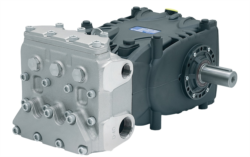
The Pratissoli Series 71 - KF30 represents the industrial-grade pump selection appropriate for hazardous area integration. With 106 L/min flow, 200 bar pressure capability, and 40 kW power, the KF30 delivers consistent performance across extended operating cycles. Italian-engineered by Pratissoli (Interpump Group), this pump family is specifically designed for applications where pressure stability and thermal management are critical.
For hazardous area applications, pump selection requires attention to:
- Pressure stability: Centrifugal surging or variable displacement errors can create pressure spikes that transfer downstream to spray systems. The KF30's fixed displacement design eliminates variable pressure transients common in gear pump designs.
- Thermal management: Pumps operating continuously in hazardous areas must dissipate heat without exceeding temperature thresholds specified in ATEX equipment categories. The KF30's 72 kg weight and robust construction facilitate heat dissipation even during high-flow operations.
- Integration with transmission systems: Many hazardous area operations require engine-driven pumps rather than direct electric motors (electric motors can be ignition sources in explosive atmospheres). The Interpump GEARBOX RS500 provides a 2.2 transmission ratio and 18.5 kW power transmission capability for seamless integration with gasoline or diesel engines—preferred prime movers in Zone 1 and Zone 21 hazardous areas.
- Maintenance accessibility: Pumps in hazardous areas must be serviceable without requiring special procedures that might create ignition risks. Verify that replacement parts (seals, internal components, bearings) are readily available from your equipment distributor.
Gas Pressure Control and Flow Management in Hazardous Operations
Beyond liquid spray systems, many plant managers oversee operations involving pressurized gas control—combustion air supply, inert gas systems for inerting, or pneumatic actuation in hazardous zones. Solenoid valves represent critical control points, and selecting ATEX-compliant gas valves is essential for operational safety.
The Elektrogas Solenoid valve EVRM NA 7 flanges DN65 600 Mbar is engineered for industrial gas distribution in regulated environments. Rated for DN65 flanged connections and 600 Mbar maximum pressure, this solenoid valve incorporates IP 54 protection and operates at only 19 W power consumption—key specifications for hazardous area compliance.
Plant managers specifying gas control valves should understand:
- Pressure rating versus system safety: A 600 Mbar rated valve provides substantial safety margin (typically 1.5:1 minimum design factor) above normal operating pressure. However, overly aggressive sizing (selecting 10 bar valves for 2 bar systems) can introduce control instability. Right-size valves to your actual operating pressure range.
- Flow coefficient and response time: The EVRM NA 7's DN65 rating supports 300+ m³/h gas flow, appropriate for large industrial systems. However, smaller zone 2 applications may require proportional solenoid technology rather than on-off control. Evaluate your turndown ratio before specifying.
- Electrical certification: Solenoid coils must meet ATEX electrical safety standards separately from the valve body. Confirm that coil voltage (24 VDC is typical for hazardous areas) and protection class match your facility's electrical distribution.
- Leakage and pilot drain: Gas solenoid valves require pilot-operated designs with controlled drainage paths. Never route pilot drainage to atmospheric discharge in hazardous areas—establish closed drainage to safe locations.
System Integration and Monitoring for Compliance
Selecting individual ATEX-compliant components is necessary but insufficient for safe hazardous area operations. Plant managers must integrate these components into cohesive systems with appropriate monitoring and control instrumentation.
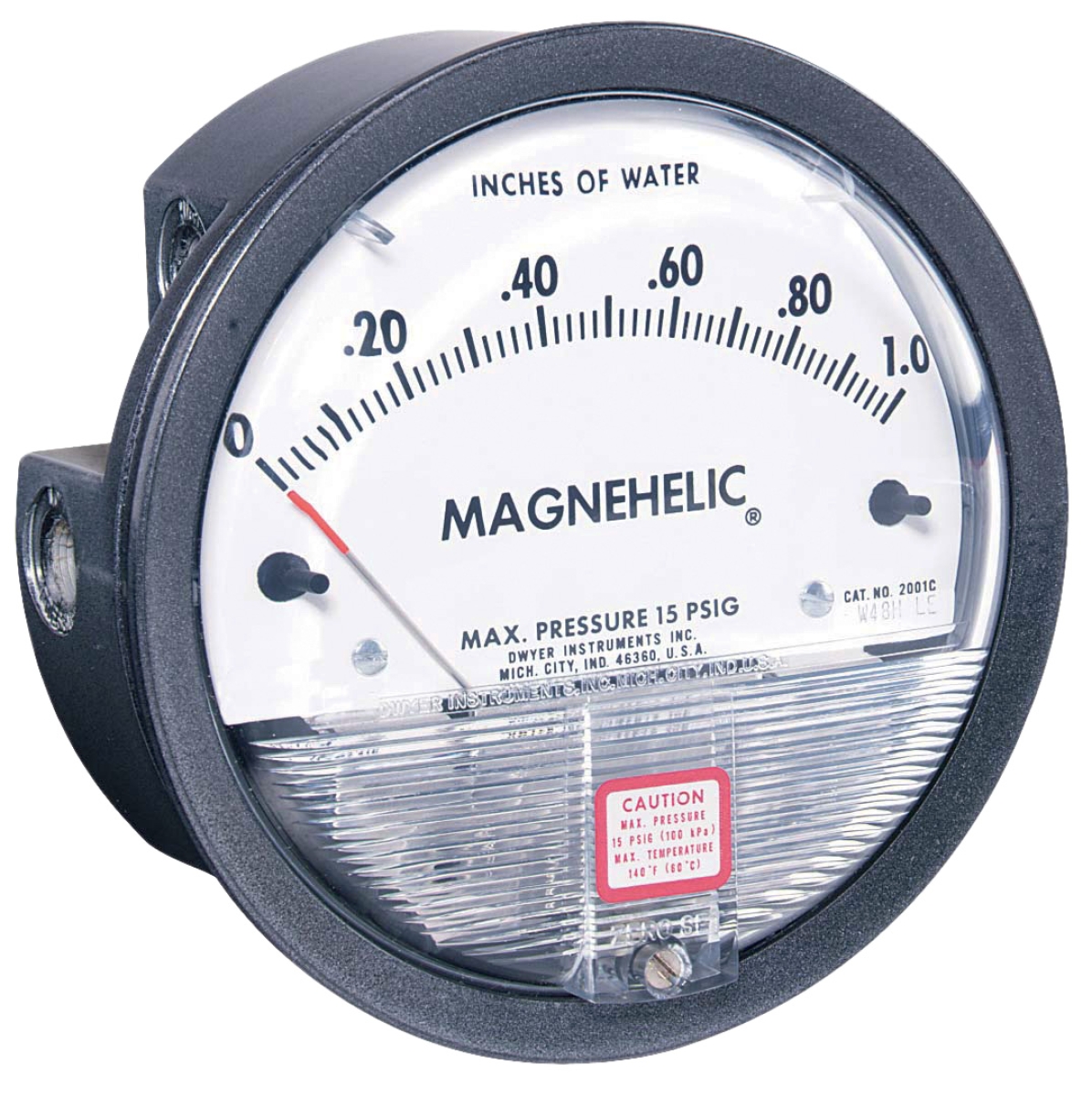
Pressure monitoring becomes critical in hazardous area systems. The Dwyer Magnehelic pressure gauge 2000-8KPA provides differential pressure measurement across 0–8 kPa ranges with a 4-inch dial and 1/8 inch female NPT connection. While this gauge is commonly specified for HVAC and cleanroom applications, it's equally valuable for monitoring filter pressure differentials, system blockage, and pump performance in hazardous area installations.
In hazardous area applications, pressure monitoring serves multiple purposes:
- System health indicators: Abnormal pressure readings (higher than expected differential across filters, unexpected drops across valves) indicate mechanical problems before they become safety hazards.
- Compliance documentation: ATEX-regulated facilities must maintain records of system performance. Calibrated pressure gauges provide objective evidence that equipment is operating within certified parameters.
- Operational efficiency: Monitoring pressure trends helps plant managers identify efficiency degradation—signs that pumps need service, seals are wearing, or filters require replacement.
With over 35 years supporting industrial operations globally, 3G Electric has learned that successful hazardous area management combines three elements: proper equipment selection (ATEX-certified components), correct system integration (appropriate pump, valve, and gauge matching), and consistent maintenance (periodic inspection and calibration). Plant managers who master these elements significantly reduce safety incidents while improving operational reliability.
Implementation Best Practices for Your Facility
Translating hazardous area equipment knowledge into practical facility management requires structured execution. Start by auditing your current operations against ATEX classification standards. Identify which areas require Zone 1/Zone 21 (occasional explosive atmosphere presence) versus Zone 2/Zone 22 (rare explosive atmosphere presence) equipment. This classification directly determines acceptable equipment categories and simplifies your specification process.
Next, establish equipment specification standards for your facility. Document approved pump models, solenoid valve types, spray gun platforms, and pressure gauge ranges. This standardization reduces procurement complexity, accelerates troubleshooting when equipment fails, and simplifies spare parts inventory management.
Finally, create a maintenance protocol aligned with ATEX certification requirements. Most ATEX-certified equipment requires annual inspection and periodic recertification. Work with your equipment distributor to establish schedules and document all service activities. This documentation proves compliance to regulatory agencies and protects your facility during audits.
Hazardous area operations demand precision, but the investment in proper equipment selection and system integration pays dividends through improved safety, regulatory compliance, and operational reliability.