Understanding Industry Applications in Modern Procurement
Industry applications represent the practical intersection of equipment specification and real-world operational requirements. For procurement engineers managing global supply chains, understanding how specific components function within larger systems is critical to reducing downtime, optimizing costs, and ensuring regulatory compliance.
At 3G Electric, we've spent over 35 years partnering with procurement teams across Europe, Asia, North America, and beyond. Our experience shows that successful procurement isn't simply about purchasing individual components—it's about understanding how those components integrate into complete systems across diverse industrial sectors. Whether managing fuel supply systems in petrochemical facilities, HVAC/R installations in commercial buildings, or pressurized fluid applications in manufacturing plants, procurement engineers need a framework for evaluating equipment applicability and system compatibility.
This guide provides that framework by examining practical industry applications, system integration strategies, and procurement best practices that align equipment selection with operational excellence.
Sector-Specific Applications and Equipment Integration
Thermal Energy and Combustion Systems
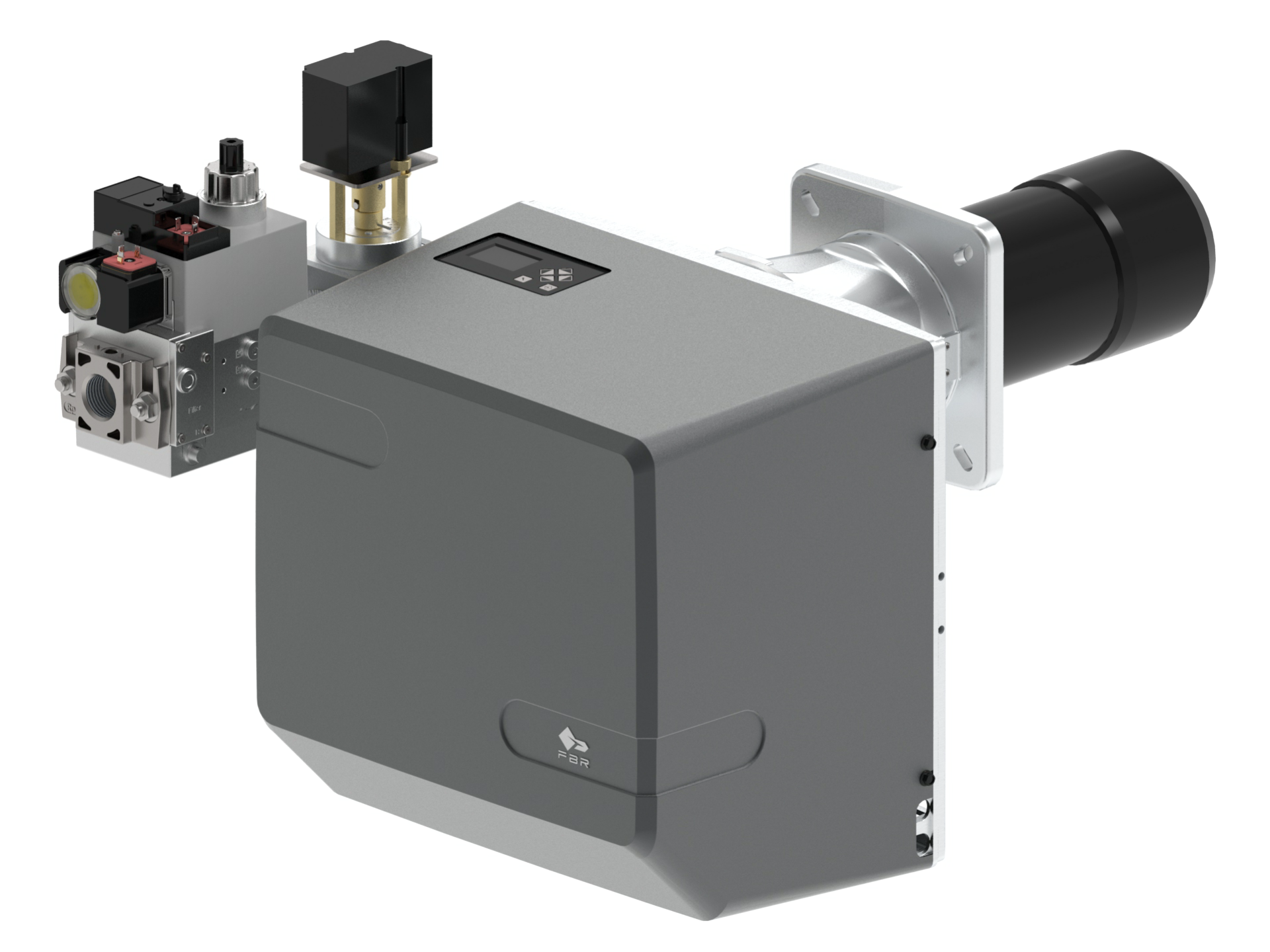
Gas burner systems represent one of the most critical applications in industrial settings, particularly across heating, manufacturing, and chemical processing sectors. The FBR BURNER GAS X5/MF TL EL VC LPG exemplifies modern burner technology designed for modulating applications where precise fuel-air mixture control directly impacts operational efficiency and emissions compliance.
Procurement engineers specifying gas burners must evaluate several critical parameters:
- Modulation capability: PID (Proportional-Integral-Derivative) fully modulating burners with optional modulation kits allow facilities to adjust combustion intensity based on real-time demand. This reduces fuel consumption by 15-30% compared to on-off systems in variable-load applications.
- Pressure specifications: The X5/MF designation indicates specific pressure ratings and flow capacities. Engineers must cross-reference these specifications against system design pressures and fuel supply characteristics.
- Fuel type compatibility: LPG vs. natural gas specifications determine supply infrastructure requirements. Switching fuel types often requires nozzle changes, control adjustments, and safety certification updates.
For facilities operating multiple burner systems across different production lines, standardizing on modulating burner systems with consistent control interfaces reduces operator training requirements and simplifies spare parts inventory management. This integration approach has proven particularly effective in pharmaceutical manufacturing, food processing, and textile production facilities we've supported globally.
Pressurization and Expansion Systems
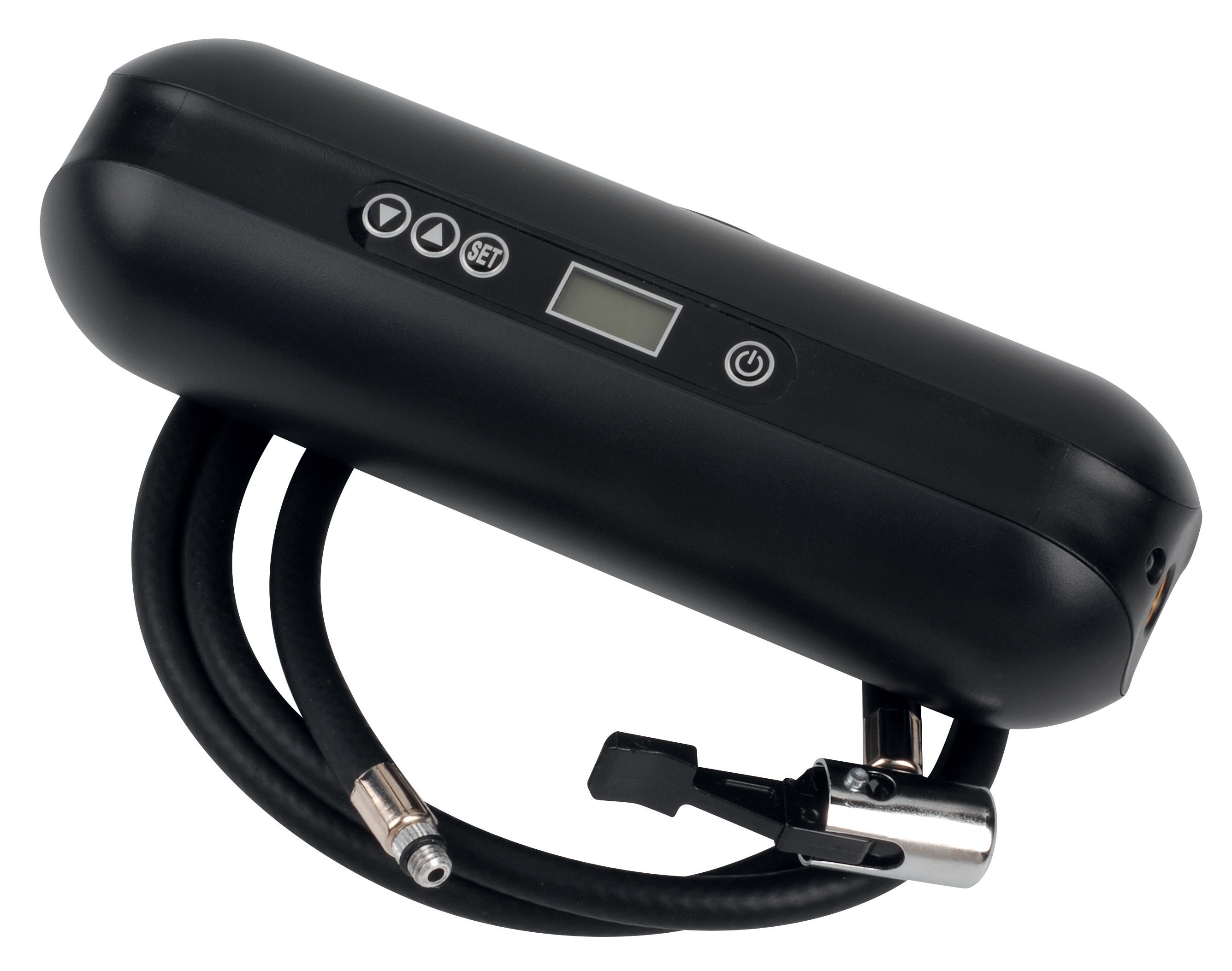
Hydraulic and thermal expansion systems operate in every industrial facility with pressurized fluid circuits. The CBM Expansion tank inflator battery 2000 mAH represents a critical maintenance and safety component that procurement engineers often overlook until system failure occurs.
Expansion systems serve multiple critical functions:
- Pressure regulation: As fluids heat or cool, volume changes create pressure fluctuations. Properly sized expansion tanks with correct pre-charge pressure prevent system overpressure and equipment damage.
- Maintenance accessibility: Battery-powered inflation tools allow facility maintenance teams to perform routine pre-charge inspections and adjustments without specialized equipment or downtime.
- Safety compliance: Correct expansion tank function directly impacts system safety ratings and regulatory compliance in jurisdictions with strict pressure equipment directives (PED in Europe, ASME in North America).
Procurement engineers should establish expansion system specifications based on total system fluid volume, fluid type, operating temperature ranges, and system pressure ratings. In our experience serving manufacturing facilities across 40+ countries, expansion system failures account for 8-12% of unplanned pump shutdowns—a highly preventable category through proper specification and maintenance planning.
Fluid Control and Nozzle Technology
High-pressure nozzles appear in applications ranging from precision cleaning systems to industrial cooling to combustion optimization. The CBM Flat jet nozzle HP 1/4"M BSPT index 25 angle 15° and CBM Flat jet nozzle HP 1/4"M BSPT index 055 angle 15° represent sophisticated fluid dynamics components requiring careful specification.
Nozzle selection impacts system performance through several mechanisms:
- Flow pattern and spray angle: The 15-degree angle specification determines coverage area and impact force. Wider angles (typically 60-90 degrees) suit broad surface cleaning, while narrow angles (15-25 degrees) concentrate pressure for precision applications.
- Flow index ratings: Index 25 vs. Index 055 designations indicate different flow rates at standard pressures. Procurement engineers must match nozzle flow capacity to pump output and application requirements. Undersized nozzles create backpressure and cavitation damage; oversized nozzles reduce coverage intensity.
- Thread compatibility: 1/4" BSPT (British Standard Pipe Taper) threading is standard in European and many Asian facilities. Engineers specifying for North American facilities should verify NPT (National Pipe Thread) vs. BSPT compatibility to avoid costly adapter requirements or thread damage during installation.
Nozzle applications span industrial cooling towers, precision manufacturing wash systems, agricultural spraying equipment, and fuel injection optimization. In textile manufacturing facilities we've equipped across Southeast Asia, correct nozzle specification reduced water consumption by 22% while improving product quality by ensuring uniform fluid distribution.
Fluid Monitoring and System Protection
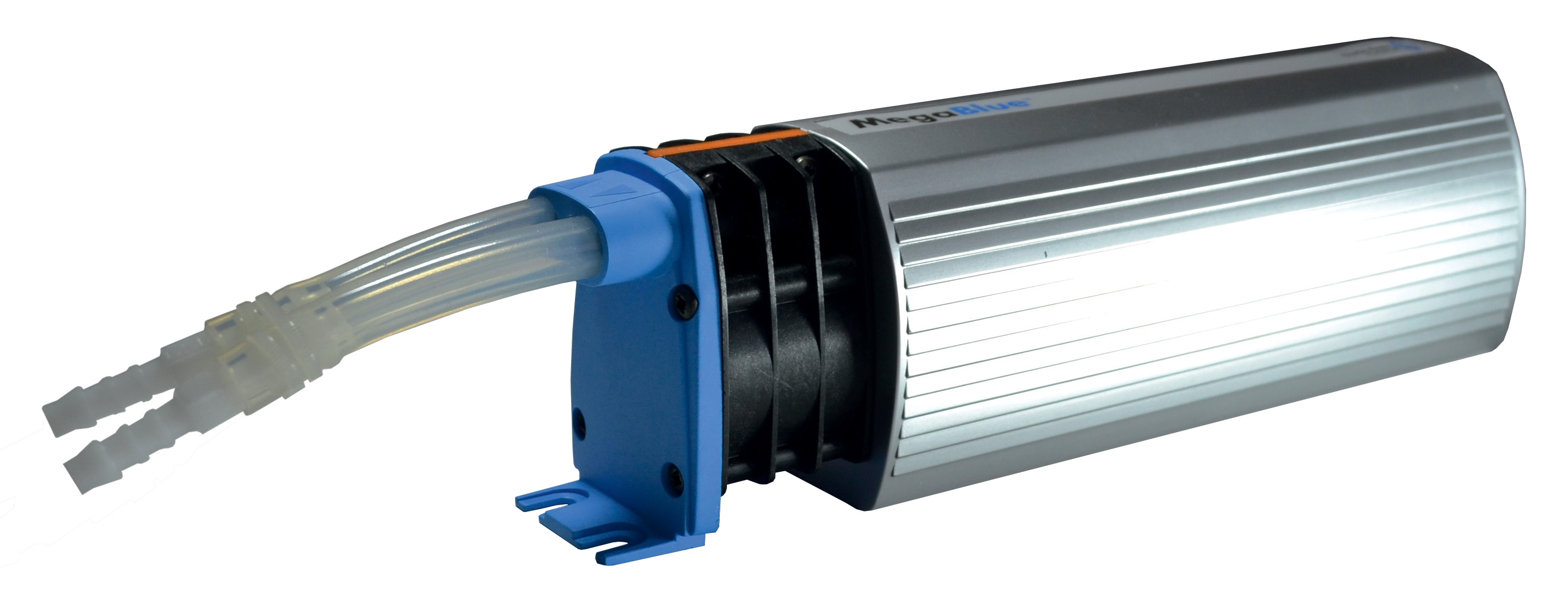
Fluid supply system integrity depends on continuous monitoring and protective mechanisms. The CBM Megablue reservoir alarm + shut-off X87-813 integrates fluid level detection with automated system protection—critical for preventing equipment damage from fluid starvation.
Reservoir monitoring systems address several operational risks:
- Predictive maintenance: Fluid level trending identifies leaks or consumption anomalies before catastrophic failure occurs, enabling scheduled maintenance rather than emergency response.
- Automated protection: Integrated shut-off functions prevent equipment operation during inadequate fluid levels, protecting pumps, motors, and control systems from dry-running damage.
- Regulatory compliance: Facilities in regulated industries (pharmaceuticals, food processing, aerospace) require documented fluid level monitoring and system integrity checks. Integrated monitoring solutions simplify compliance documentation.
Procurement engineers designing fluid distribution systems should specify monitoring solutions that provide both local indication and remote alerting. In manufacturing facilities we've supported across Europe and Asia, proper fluid level monitoring reduces unexpected downtime by 35-40% and extends equipment service life by 15-20%.
Global Procurement Strategy: From Specification to Implementation
Cross-Functional Requirement Definition
Successful equipment procurement begins with comprehensive requirement definition involving operations, maintenance, engineering, and procurement teams. This cross-functional alignment ensures specifications address:
- Operational requirements: Production rates, duty cycles, environmental conditions (temperature, humidity, corrosive atmospheres)
- Maintenance capabilities: Available expertise, spare parts inventory, service intervals
- Regulatory compliance: Industry-specific standards (ISO, ASME, PED, EPA, local regulations)
- Supply chain considerations: Supplier reliability, lead times, local vs. global sourcing, total cost of ownership
3G Electric's 35+ years as an experienced global distributor has taught us that procurement engineers who invest time in thorough requirement definition reduce specification errors by 60-70% and equipment rejection rates by 50%.
Vendor Evaluation and Performance Benchmarking
When evaluating equipment suppliers, procurement engineers should assess:
- Technical documentation quality: Complete specifications, application guides, integration diagrams
- Supply chain reliability: Geographic distribution centers, lead time consistency, inventory depth
- After-sales support: Technical support availability, warranty programs, field service networks
- Quality certifications: ISO 9001, industry-specific certifications (PED, ASME, UL)
Our global network—supplying industrial equipment across Europe, Asia-Pacific, North America, and Middle East regions—demonstrates that equipment supplier diversity reduces supply chain risk. Procurement engineers managing global facilities should establish relationships with distributors offering both local responsiveness and global scale.
Total Cost of Ownership Analysis
Procurement engineers increasingly must justify equipment selections using total cost of ownership (TCO) analysis encompassing:
- Acquisition costs: Equipment purchase price, shipping, installation, commissioning
- Operating costs: Energy consumption, fluid/fuel requirements, typical operating pressures
- Maintenance costs: Preventive maintenance intervals, typical component replacement costs, labor requirements
- Downtime costs: Equipment reliability history, mean time between failures (MTBF), impact on production
- Disposal costs: Equipment lifecycle, recycling requirements, environmental compliance
In our experience, equipment with 10-15% higher acquisition cost often delivers 30-40% lower TCO through improved reliability and reduced maintenance requirements. Presenting TCO analysis to finance and operations stakeholders significantly improves procurement decision acceptance.
Implementation Best Practices
System Integration Documentation
When integrating new equipment into existing systems, comprehensive documentation prevents commissioning delays and operational errors:
- Create system architecture diagrams showing equipment interconnections, pressure/flow relationships, and control signals
- Document equipment specifications, operating ranges, and maintenance procedures in accessible formats
- Establish spare parts lists with supplier contact information and typical lead times
- Develop operator training materials tailored to facility-specific configurations
Commissioning and Performance Verification
Proper commissioning ensures equipment performs according to specification:
- Conduct system pressure and flow testing with calibrated instruments
- Verify control system functionality under representative operating conditions
- Document baseline performance (pressure, flow, temperature, consumption rates)
- Train operators and maintenance staff on normal operating parameters and alarm responses
Preventive Maintenance Planning
Equipment longevity depends on systematic maintenance:
- Establish maintenance schedules based on manufacturer recommendations and facility operating conditions
- Create maintenance records tracking component replacements, performance trends, and anomalies
- Schedule preventive maintenance during production downtime to minimize operational disruption
- Build spare parts inventory for critical components with longer lead times
Conclusion
Industry applications span diverse sectors and equipment categories, yet successful procurement follows consistent principles: thorough requirement definition, vendor evaluation, system integration planning, and ongoing performance monitoring. 3G Electric's 35+ years as an experienced global distributor has reinforced that procurement engineers who embrace these practices achieve superior operational results, reduced costs, and stronger supplier relationships.
Whether specifying thermal management systems, fluid control equipment, pressurization components, or monitoring solutions, procurement engineers should engage qualified suppliers who understand both equipment technical capabilities and real-world application requirements. This approach transforms procurement from a transactional activity into a strategic function that directly impacts facility competitiveness and operational excellence.