Understanding Industry Applications in Hazardous Environments
Industry Applications for high-pressure fluid systems in hazardous zones present unique challenges that go beyond typical manufacturing operations. Singapore's chemical processing, petrochemical refining, pharmaceutical manufacturing, and specialty coating sectors operate under strict regulatory frameworks that mandate equipment certification and ongoing compliance verification.
The critical difference between standard industrial pumps and ATEX-compliant equipment lies in design philosophy. Standard pumps focus on performance metrics—flow rate, pressure rating, and efficiency. ATEX-rated pumps prioritize ignition prevention through material selection, electrical safety design, and surface temperature management. As a distributor with 35+ years serving Singapore's industrial sector, 3G Electric works with plant managers navigating these compliance requirements daily.
ATEX (Atmosphères Explosibles) certification means your pump system won't create an ignition source in explosive atmospheres. This matters whether you're handling flammable vapors, combustible dusts, or pressurized gas systems. Your facility's insurance, regulatory standing, and worker safety depend on proper equipment selection.
Selecting ATEX-Compliant Pumps: Core Specifications Plant Managers Must Verify
When evaluating ATEX pumps for your facility, three specification categories determine suitability:
Pressure and Flow Requirements
Your process needs drive pump selection. The Interpump PUMP W2035 L ATEX delivers 35 L/min at 200 bar with 13.23 kW power consumption—suitable for chemical injection systems, precision coating applications, and fuel transfer operations. For higher-flow requirements in hazardous zones, the Pratissoli SN7045 L provides 45 L/min at 210 bar with 18.4 kW motor power, handling larger-scale operations while maintaining ATEX compliance.
Match your process flow specifications precisely. Oversizing creates unnecessary pressure losses and energy waste; undersizing causes system strain and reduces component lifespan. Document your system's actual demand during peak operation, not theoretical maximum.
Temperature Classification
ATEX equipment carries temperature classifications (T1 through T6, with T1 being the most restrictive). Your specific hazardous atmosphere determines required classification. Flammable vapor applications typically require T3 or T4 rating, while certain dust environments demand T5 or T6. The pump's surface temperature under full-load operation must remain below the classification limit. Request thermal performance data from your supplier and verify it applies to your cooling conditions—an ATEX pump rated correctly for sea-level Singapore operations with standard cooling may exceed temperature limits at higher ambient conditions or with reduced ventilation.
Electrical Certification
ATEX pumps integrate motors, seals, and control systems certified as complete units. You cannot retrofit a standard motor to an ATEX pump or modify electrical configurations. Verify the specific EC type examination number and notified body certification. Singapore's Economic Development Board and your industry regulator (HSE equivalent) may require documentation of specific certification bodies and examination dates.
Implementation: Integration with Your Facility's Fluid Power Systems
Installing ATEX-rated pumps requires system-level thinking. The pump is one component; the complete circuit determines safety and compliance.
Circuit Design Considerations
Your suction line, discharge piping, and return filtration must match the pump's specifications. An ATEX pump delivering 45 L/min into a standard industrial hose rated for lower flow creates turbulence and heat—both compromise safety margins. Work with your maintenance team to audit existing piping, validate pressure ratings, and identify potential failure points. Hose assemblies, quick couplers, and filters should carry equivalent or superior safety ratings.
Filtering becomes more critical in ATEX applications. Contaminated fluid degrades seal integrity, increases friction heat, and accelerates component wear. Implement offline filtration during maintenance windows—a 3-micron absolute filter protecting your fluid quality prevents many temperature-related failures.
Control and Monitoring Integration
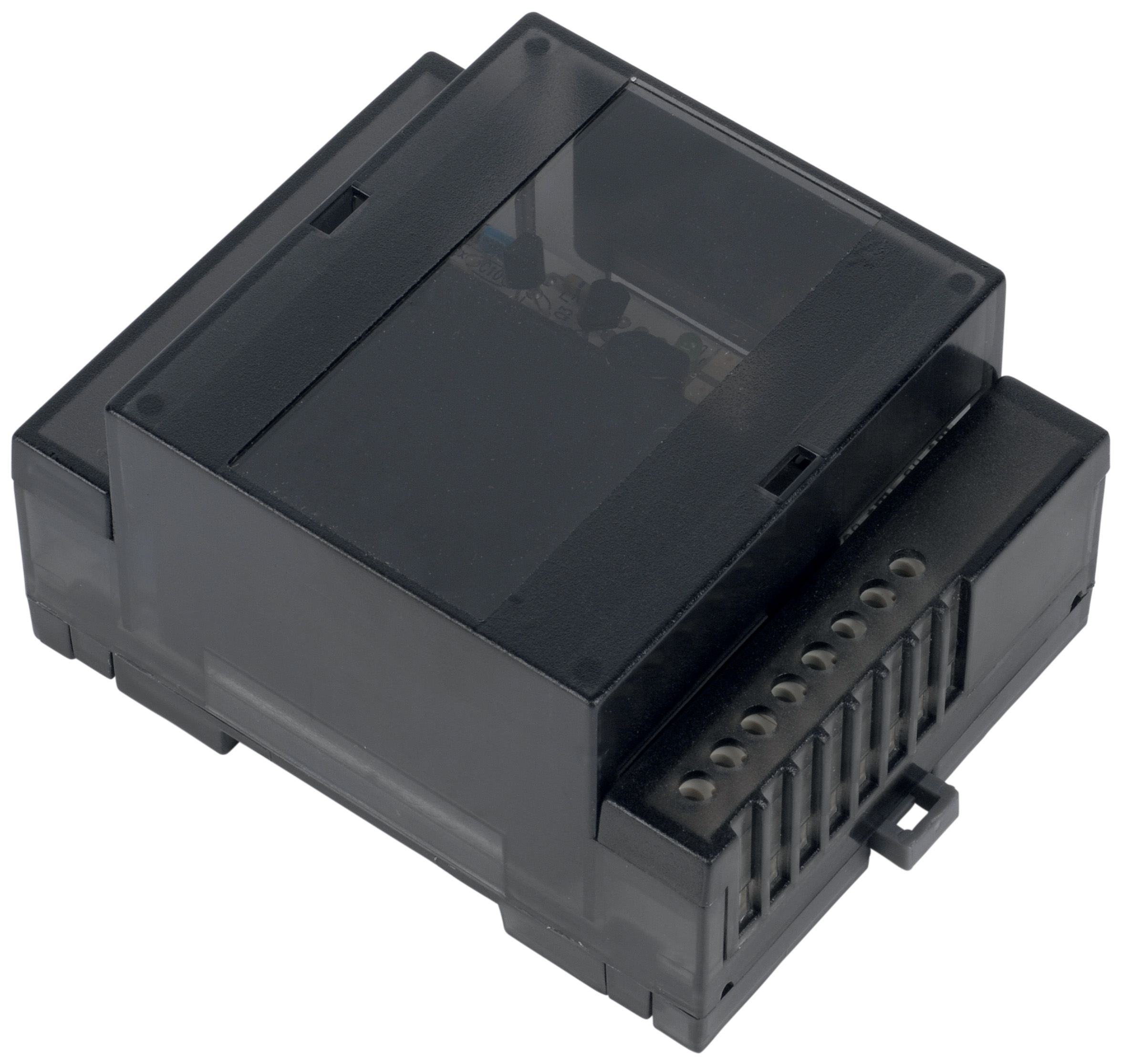
For applications combining fluid power with combustion or gas systems, flame detection and safety interlocks demand careful specification. The Combutech Flame relay CF1 supports combustion safety monitoring with 1 A switching capacity at both AC and DC voltages. If your process combines hydraulic pressure with gas burner control (common in heat-treat, drying, and industrial cooking), this module provides the flame verification that prevents uncontrolled pressure release if combustion fails.
Program your PLC or control system to log pump performance data: inlet pressure, discharge pressure, motor amperage, and circuit temperature. Trend this data monthly. Gradually increasing amperage or discharge pressure indicates wear; stable readings confirm normal operation. Alert thresholds—set 10-15% above normal baseline—trigger maintenance investigation before failure.
Maintenance and Compliance: Keeping ATEX Certification Effective
ATEX compliance isn't a one-time installation. Your certification remains valid only when equipment operates within design parameters and receives proper maintenance.
Documentation and Record-Keeping
Maintain a equipment log for every ATEX pump: model, serial number, EC type examination number, certification date, and installation location. Record maintenance intervals—typically monthly visual inspection, quarterly filter changes, and annual full service—in your facility management system. When regulatory inspectors visit, you must demonstrate that ATEX equipment received appropriate care.
Document any modifications or troubleshooting. If you change discharge piping, substitute a hose coupling, or adjust motor speed, that modification potentially affects ATEX certification. Consult with your equipment distributor before making changes. Many plant managers assume minor modifications (like adding a pressure gauge or repositioning a drain line) don't matter—they do, from a compliance perspective.
Inspection Protocols
Monthly visual checks identify developing problems: weeping seals, heat discoloration on hose jackets, corroded electrical connectors, or loose mounting bolts. These observations seem minor but indicate system stress that could eventually create an ignition risk.
Quarterly, check that motor cooling fins remain unobstructed. Dust accumulation or partial blockage from facility operations (coating overspray, powder residue) reduces cooling effectiveness and raises operating temperature. Your ATEX pump might meet temperature limits with clean cooling fins but exceed them when partially blocked—a condition that develops gradually and goes unnoticed without deliberate inspection.
Annually, pressure-test all hose assemblies connected to the ATEX pump circuit. Hoses rated at 210 bar should hold test pressure at 1.5× working pressure (315 bar) without seeping or swelling. Failed hoses get replaced, not repaired with tape or patches.
Seasonal and Environmental Adjustments
Singapore's tropical climate—high humidity, salt-air exposure in coastal facilities, and consistent high ambient temperatures—stresses ATEX equipment differently than temperate regions. During monsoon seasons or when humidity exceeds 85%, increase inspection frequency to monthly. Salt spray environments require corrosion-inhibiting lubricants and more frequent electrical connector cleaning.
During peak summer months when ambient temperature approaches 35°C, your ATEX pump's surface temperature margin narrows. Verify that cooling airflow remains unobstructed and consider additional passive cooling (reflective covers, improved ventilation) if temperature monitoring shows upward trends.
Practical Decision-Making: Which ATEX Pump for Your Application
The Interpump W2035 L ATEX suits applications requiring moderate flow—chemical batch processing, precision coating systems, or specialist pressure washing in hazardous zones. Its 35 L/min capacity handles most pneumatic control circuits and medium-duty hydraulic operations. Lower power consumption (13.23 kW) reduces cooling demands and operational cost.
For larger-scale operations, the Pratissoli SN7045 L provides 28% greater flow with proportional pressure capability. Ideal for food processing in hazardous zones, large-volume fluid transfer systems, or dual-pump redundant configurations. Italian-engineered reliability and Interpump Group backing mean parts availability and technical support remain consistent.
If your application combines hydraulic pressure with ignition or combustion control, integrate the Combutech Flame relay CF1 to ensure complete system safety certification. This module bridges fluid power and combustion systems, preventing pressure-ignition hazards.
Consult with 3G Electric's technical team before finalizing specifications. Your facility's specific hazard classification, ambient conditions, and duty cycle determine which ATEX pump provides optimal safety margins and operational life. Generic selection errors—choosing equipment for "similar" applications or industries—cost more in retrofitting and downtime than investing in proper initial specification.