Understanding ATEX Compliance in Singapore Industrial Operations
Industry Applications in hazardous environments demand more than standard equipment—they require certified solutions designed to prevent ignition sources in explosive atmospheres. Singapore's chemical processing, petrochemical refining, and pharmaceutical manufacturing sectors operate under strict regulatory frameworks that mirror European ATEX (Directive 2014/34/EU) standards through adoption by the Economic and Social Commission for Asia and the Pacific (ESCAP).
ATEX compliance certification indicates that equipment has been tested and verified to operate safely where flammable gases, vapors, or dusts may be present. For industrial professionals sourcing pumps in Singapore, this certification is non-negotiable. The Interpump PUMP W2035 L ATEX represents the category of equipment required for these demanding applications—delivering 35 L/min at 200 bar with explicit ATEX rating, making it suitable for Group II Category 2G environments where explosive atmospheres are unlikely in normal operation but may occur occasionally.
Understanding the distinction between ATEX categories is critical. Category 1G equipment operates in atmospheres present for extended periods; Category 2G operates where atmospheres occur occasionally; Category 3G operates where atmospheres are unlikely. Singapore's industrial facilities must match equipment ratings to their specific operational profiles. A petrochemical facility with continuous volatile organic compound (VOC) exposure requires Category 1G equipment, while a pharmaceutical dry-goods warehouse with intermittent solvent use may justify Category 2G solutions. This distinction directly impacts equipment cost, availability, and operational flexibility.
Pressure and Flow Requirements in Hazardous Area Applications
Hazardous environment operations in Singapore frequently involve high-pressure fluid transfer tasks—from precision chemical dosing to solvent recycling systems and pressure-fed coating applications in controlled atmospheres. The pressure and flow specifications must serve the application while maintaining ATEX compliance, creating a dual constraint that eliminates many standard industrial pumps from consideration.
Consider a typical scenario in Singapore's specialty chemical sector: transferring flammable solvents through a closed-loop recycling system at consistent pressure. Standard non-certified pumps are eliminated immediately. The Pratissoli KF30 high-performance pump (106 L/min at 200 bar, 40 kW) provides the flow and pressure headroom required for larger-scale operations. Its Italian engineering heritage—sourced through Interpump Group—ensures design maturity and proven reliability across European hazardous area installations, with documentation supporting equivalency under ESCAP-ATEX frameworks.
For mid-range operations requiring balanced flow and pressure, the Pratissoli SN7045 L pump (45 L/min at 210 bar, 18.4 kW motor at 1450 rpm) bridges the gap between compact Category 2G equipment and full-scale refinery-grade systems. Singapore's pharmaceutical manufacturers and specialty chemical producers frequently operate at these specifications—high enough pressure to overcome system resistance and maintain consistent spray or transfer patterns, yet efficient enough for continuous duty cycles without excessive thermal loading.
Thermal management becomes critical in hazardous areas. Equipment operating in explosive atmospheres must maintain surface temperatures below ignition temperatures for the specific substance involved. A solvent with a 400°C autoignition temperature allows higher operational flexibility than a substance with 200°C ignition risk. Industrial professionals must therefore specify both the pump's maximum outlet temperature and the application's substance autoignition temperature during procurement, ensuring a comfortable margin (typically 100-150°C minimum buffer).
Integration with Safety Systems and Regulatory Documentation
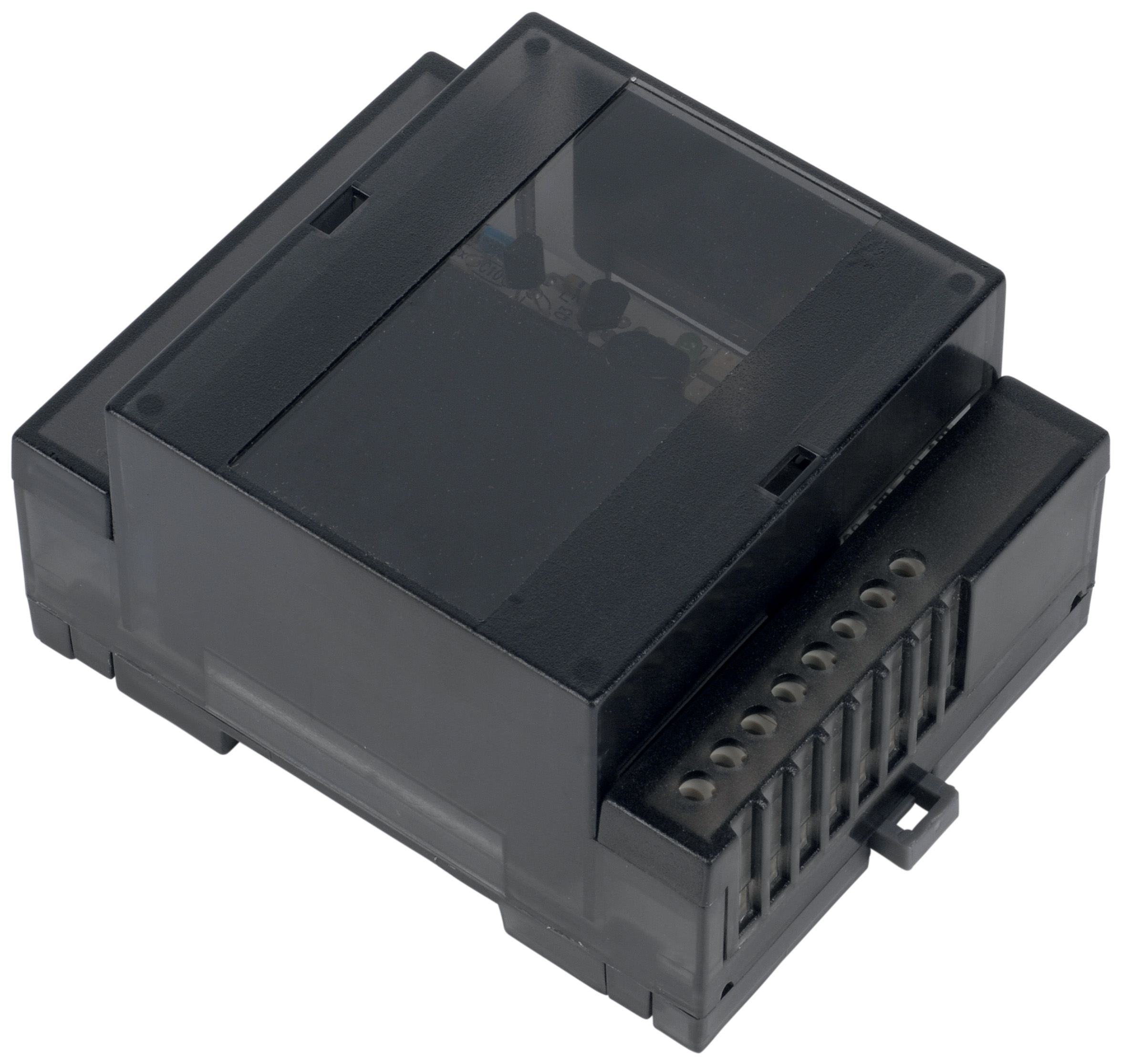
ATEX compliance extends beyond the pump itself to encompass the entire system architecture. Hazardous area operations in Singapore require integration with combustion detection and safety shutdown systems—especially in applications involving fuel transfer or where ignition sources could trigger explosive reactions. The Combutech Flame relay CF1 serves as the detection and response interface, monitoring for unwanted combustion events and triggering equipment shutdown before dangerous conditions develop.
The flame relay's 1 A @ 250 VAC and 1 A @ 30 VDC ratings match standard PLC and safety control interfaces found in Singapore industrial facilities. Its IP40 protection and UL94-V0 polycarbonate housing withstand chemical vapor environments and temperature cycling without material degradation. Supporting up to 10 UV detectors on a single line, it provides the scalability needed for multi-zone monitoring in larger facilities—common in pharmaceutical manufacturing where hazardous solvents operate in geographically separated processing areas.
Regulatory documentation requirements in Singapore are comprehensive. The Ministry of Manpower (MOM) requires facilities to maintain certification documentation, conformity assessment records, and installation/operation guidelines for all ATEX-rated equipment. Industrial professionals should establish procurement protocols that ensure equipment arrives with complete Technical Files (TF) and Declaration of Conformity (DoC) paperwork. 3G Electric's 35+ years in industrial equipment distribution includes experience managing these documentation requirements across Southeast Asia, ensuring clients receive equipment with complete regulatory support materials.
Practical Pump Selection Strategy for Singapore Hazardous Operations
Selecting the correct pump for hazardous area applications requires a systematic approach that balances technical performance, regulatory compliance, and operational cost. Begin by defining the application's hazardous atmosphere classification—determine whether flammable gases, vapors, or dusts create the risk, and estimate frequency/duration of dangerous atmospheres.
For continuous or long-duration hazardous exposure (petrochemical facilities, chemical manufacturing), specify Category 1G equipment with redundant safety monitoring. For occasional or brief exposure (specialty chemical labs, pharmaceutical research facilities), Category 2G equipment may provide cost-effective compliance while meeting safety requirements.
Next, establish exact pressure and flow requirements. Over-specification wastes energy and creates thermal management challenges in hazardous environments; under-specification forces equipment to operate at maximum load continuously, reducing service life and increasing failure risk. A 45 L/min pump operating at 210 bar may be ideal for solvent transfer applications, but a 35 L/min unit at 200 bar might prove sufficient while reducing power consumption and heat generation—a significant advantage when operating in temperature-sensitive hazardous atmospheres.
Temperature management and thermal protection must be explicit selection criteria. Specify maximum outlet temperature requirements and verify that the selected pump, motor, and cooling system can maintain operation within those limits during worst-case ambient conditions. Singapore's tropical climate—with ambient temperatures frequently reaching 32-35°C—combined with humidity and chemical-laden atmospheres creates challenging cooling conditions. Ensure thermal relief valves, coolers, and circulation systems are sized appropriately.
Finally, establish maintenance protocols that preserve ATEX certification. Many industrial professionals assume equipment certification is permanent; in reality, modifications, repairs, or component substitutions can void ATEX rating. Work with qualified technicians who understand ATEX requirements and maintain certification documentation throughout the equipment lifecycle. Routine seal replacement, filter changes, and motor servicing should follow manufacturer specifications precisely to avoid unintended certification loss.
System Integration and Accessory Compatibility
Hazardous area pumps rarely operate in isolation. They integrate with gearboxes, transmission systems, control valves, and safety equipment—all of which must maintain system-level ATEX compliance. The Interpump GEARBOX RS500 (18.5 kW maximum power, 2.2 transmission ratio, 1-inch engine coupling) exemplifies the accessory approach required in hazardous environments. Rather than replacing the pump, a properly rated gearbox modifies output characteristics while preserving the original equipment's ATEX certification, provided the gearbox itself carries appropriate certification.
Singapore industrial facilities frequently encounter situations where existing pump equipment requires speed or torque modification to accommodate new applications. Instead of purchasing entirely new ATEX-certified pumps, integrating a certified gearbox extends equipment life while maintaining regulatory compliance. This approach also simplifies documentation—system integrators can reference the pump's original certification and the gearbox's certification to demonstrate compliance for the combined assembly.
Cable routing, connector selection, and electrical interface design all carry ATEX implications. Even a certified pump becomes non-compliant if connected through non-rated electrical components that could introduce ignition sources. Professional system integration in hazardous areas requires coordination between mechanical design, electrical engineering, and regulatory compliance specialists—not just component selection.
Industrial professionals should engage equipment suppliers early in the design phase, not as an afterthought. 3G Electric's experience across 35+ years of industrial distribution includes collaboration with system integrators and plant engineers to ensure ATEX-compliant architecture from procurement through installation. This collaborative approach prevents costly rework and certification delays that frequently derail hazardous area projects in Southeast Asia.