How to Select and Configure Industrial Pumps for High-Pressure Applications in Singapore
Industrial pump selection is one of the most critical decisions plant managers and operations directors make when designing or upgrading fluid transfer systems. The wrong pump choice can result in costly downtime, equipment damage, and operational inefficiency. In Singapore's fast-paced industrial sector, where uptime directly impacts profitability, understanding pump specifications, pressure ratings, flow rates, and installation requirements is essential. This guide walks you through the technical evaluation process and best practices for selecting and configuring industrial pumps that deliver reliable performance in high-pressure applications across manufacturing, food processing, chemical plants, and HVAC systems.
Understanding Industrial Pump Core Specifications
When evaluating industrial pumps for your facility, you must understand five fundamental specifications that determine whether a pump matches your application requirements: flow rate, pressure rating, power consumption, rotation speed, and physical dimensions.
Flow Rate is measured in liters per minute (L/min) or US gallons per minute (GPM) and represents the volume of fluid the pump can transfer. High-performance industrial pumps typically deliver flow rates between 10–20 L/min for compact installations, with larger models exceeding 100 L/min. Undersizing the pump reduces efficiency and creates system bottlenecks; oversizing wastes energy and increases operational costs.
Pressure Rating is the maximum operating pressure the pump can sustain, measured in bar, MPa, or PSI. Industrial applications requiring pressurization, spraying, or injection demand pumps rated well above their normal operating pressure to provide safety margins. A pump rated for 250 bar provides 25 MPa (3,625 PSI) of available pressure, suitable for medium-to-heavy industrial tasks.
Power Consumption directly affects operating costs and electrical infrastructure requirements. Pumps are specified by their motor power in kilowatts (kW) or horsepower (hp). A 7.13 kW pump consumes approximately 9.7 hp and draws proportional electrical current. Three-phase power systems in industrial facilities provide more efficient operation than single-phase alternatives.
Rotation Speed, measured in RPM (revolutions per minute), determines how quickly the pump operates. Direct-drive pumps typically run at 1450 RPM for 50 Hz electrical systems common in Singapore, while some applications require gearbox-equipped models for variable speed control.
Physical Dimensions matter significantly in space-constrained facilities. Compact pump designs measuring 265 mm in length can fit into confined spaces while delivering industrial-grade performance, whereas larger installations may allow for oversized units with additional features.
Technical Specifications and Real-World Product Configuration
To illustrate how these specifications translate to practical applications, consider the Interpump PUMP E3B2515I R, a workhorse pump for high-pressure industrial systems. This unit delivers 15 L/min flow at 250 bar pressure (3,625 PSI), powered by a 7.13 kW motor running at 1450 RPM. At just 9.5 kg in weight with dimensions of 265 mm length, it represents an excellent balance of power and portability—ideal for industrial burner systems, hydraulic circuits, and circulation applications across Singapore manufacturing plants.
The Interpump PUMP E3B2515 L offers identical specifications with a different shaft configuration, allowing flexibility in mounting orientation and coupling arrangements. This variation is crucial because pump orientation affects seal life, cavitation risk, and accessibility for maintenance.
For applications requiring variable speed control or torque multiplication, the Interpump PUMP E3B1515 DX with GEARBOX RS500H integrates a gearbox transmission with proportional valve control. This configuration allows operators to adjust flow and pressure dynamically, essential for burner modulation systems and climate control applications in Singapore's tropical environment where load variation is constant.
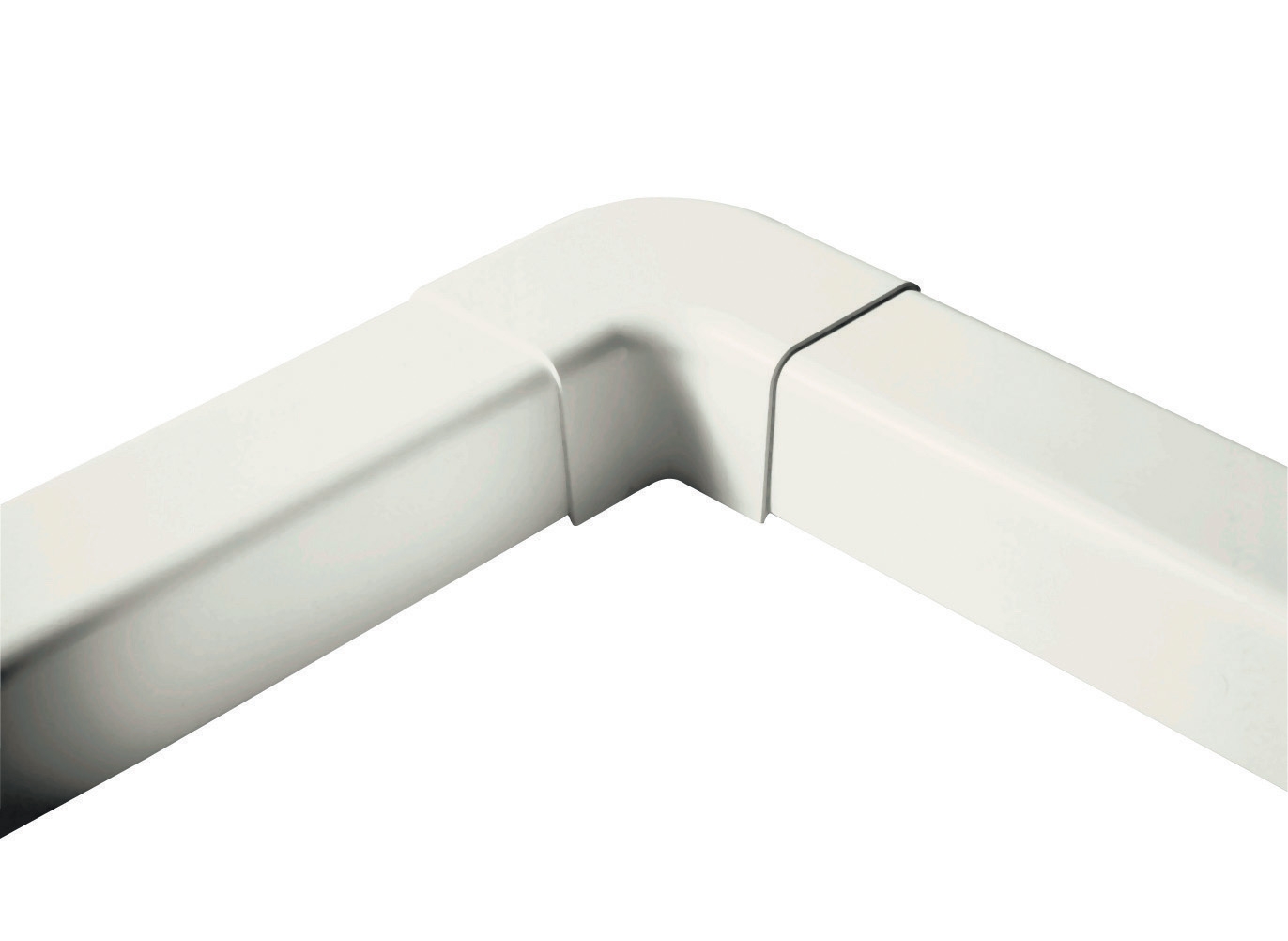
Complementing these pump options are precision fittings and connectors like the CBM Flat elbow 90° 60mm, which enable efficient system layout while minimizing pressure drop and turbulence. Proper piping configuration directly affects pump lifespan and energy efficiency.
To monitor system performance continuously, industrial facilities require pressure measurement and diagnostic tools such as the CBM Glycerin stainless steel pressure gauge. This gauge provides accurate real-time pressure feedback essential for tuning pump operation and detecting system faults early.
Step-by-Step Pump Selection and Configuration Process
Step 1: Calculate System Requirements
Begin by determining the volume of fluid requiring transfer (measured in L/min) and the pressure needed to overcome system resistance. For example, a burner system may require 15 L/min at 250 bar, while a cooling circulation system might need 50 L/min at only 2 bar. Document peak flow and pressure to avoid undersizing.
Step 2: Evaluate Electrical Infrastructure
Confirm your facility has adequate three-phase power available for the pump's kW rating. A 7.13 kW pump requires proper wiring, circuit breakers, and motor starters. In Singapore, verify compliance with SP Group power specifications and consult your facility's electrical engineer.
Step 3: Assess Physical Space and Orientation
Measure available installation space and determine whether a compact 265 mm pump fits or whether a larger unit is permissible. Consider shaft orientation—horizontal, vertical, or angled—and ensure adequate clearance for maintenance access. Choose between direct-drive and gearbox-equipped configurations based on speed control requirements.
Step 4: Select Pressure Rating with Safety Margin
Choose a pump rated at least 20% above your maximum operating pressure. If your system peaks at 200 bar, select a 250 bar pump to provide safety margin and extend service life.
Step 5: Install and Commission
Mount the pump securely using vibration-dampening isolation feet. Connect inlet and outlet ports with appropriately sized piping, ensuring inlet lines are never kinked or restricted—cavitation damage occurs within seconds. Install pressure gauges at inlet and outlet to monitor performance. Prime the system before startup and run at low pressure initially to purge air.
Step 6: Establish Maintenance Schedule
Document baseline pressure, temperature, and noise during commissioning. Perform visual inspection monthly and plan for oil analysis every 500 operating hours to detect wear particles early.
Selection Criteria and Best Practices for Singapore Industrial Environments
Singapore's tropical climate, high-humidity maritime conditions, and 24/7 operational demands require pumps engineered for durability. Select stainless steel or epoxy-coated models for salt-air environments common in port-adjacent facilities. Ensure pump seals are rated for continuous operation in 30–35°C ambient temperatures without thermal stress.
Energy efficiency is non-negotiable in Singapore, where electricity costs directly impact margin. Variable displacement or gearbox-equipped pumps like the Interpump model with RS500H gearbox allow load-adaptive operation—the pump reduces flow when demand decreases, consuming less energy. A facility running 24/7 can recover the gearbox investment in 12–24 months through electricity savings.
Redundancy is essential for critical systems. Consider specifying two smaller pumps (each 7.5 L/min at 250 bar) instead of one large pump (15 L/min) if process continuity is vital. If one pump fails, the second maintains partial capacity during repair—preventing total shutdown.
Noise pollution in densely populated Singapore industrial parks necessitates attention to pump decibel rating. Request silent-running models with damping mounts and consider enclosures for installations near office areas.
Sourcing components from established distributors like industrial pump suppliers in Singapore ensures availability of spare parts, technical support, and genuine components. Counterfeit seals and bearings are common in Asia and cause catastrophic failures.
Conclusion and Next Steps
Selecting and configuring the right industrial pump is a technical decision that directly affects your facility's productivity, safety, and profitability. By carefully evaluating flow rate, pressure rating, power consumption, rotation speed, and physical dimensions—and by following a structured selection and commissioning process—plant managers can specify pumps that deliver years of reliable service in Singapore's demanding industrial environment.
Whether you're upgrading an existing burner system, designing a new HVAC circulation loop, or implementing a high-pressure industrial process, the principles outlined in this guide apply universally. The key is matching component specifications precisely to your system requirements and never compromising on quality or safety margins.
Ready to select the right industrial pump for your application? Contact the technical team at 3G Electric Singapore. Since 1990, we've served Singapore's manufacturing, food processing, chemical, and facility management sectors with expert equipment selection, commissioning support, and ongoing maintenance guidance. Our distribution network carries a comprehensive range of industrial pumps, pressure monitoring equipment, and precision fittings. Reach out today for a free technical consultation—our engineers will help you specify the exact components your system needs.