Industrial Pumps and Burner Systems: Selecting the Right Equipment for Singapore Manufacturing
Singapore's industrial landscape demands equipment that can reliably perform in tropical climates, comply with strict electrical standards, and deliver consistent performance under continuous operation. Whether you're specifying equipment for food processing, manufacturing, marine applications, or building systems, the choice between different pump and burner configurations significantly impacts operational efficiency and long-term costs. This guide provides procurement and purchase engineers with a technical framework for evaluating and comparing industrial pumps and gas burner systems, with practical examples from equipment commonly deployed in Singapore's industrial sector.
Understanding Industrial Pump and Burner System Fundamentals
Industrial pumps and burner systems form the backbone of countless manufacturing and heating applications across Singapore. Pumps are critical for hydraulic systems, cooling circuits, pressure washing, and fluid transfer operations, while burners provide thermal energy for boilers, furnaces, and process heating. The selection decision is rarely straightforward—it requires balancing flow rate, pressure output, power consumption, fuel type compatibility, and physical installation constraints.
Pump selection hinges on three primary technical parameters: flow rate (measured in litres per minute or US gallons per minute), operating pressure (in bar or PSI), and power requirement (in kilowatts or horsepower). Similarly, burner selection depends on fuel type availability (natural gas or LPG in Singapore), thermal output range, modulation capability, and noise/emission characteristics. Both categories involve trade-offs between compact design, efficiency, maintenance accessibility, and cost of ownership.
In Singapore's context, procurement engineers must also consider electrical supply compatibility (3-phase 380V is standard in industrial settings), tropical humidity effects on motor insulation, and the availability of spare parts from distributors. Additionally, Singapore's strict environmental regulations and land constraints favor equipment with efficient combustion characteristics and compact footprints. Understanding these fundamental requirements prevents costly equipment mismatches and supports right-first-time procurement decisions.
Technical Specifications and Performance Comparison
The Interpump pump series offers a useful case study for comparing performance across similar equipment classes. The Interpump E3B2515 pump (available in both standard and integrated valve configurations) delivers a flow rate of 15 litres per minute at a maximum pressure of 250 bar (3,625 PSI), with a power output of 7.13 kilowatts at 1,450 RPM. This specification makes it suitable for moderate-pressure hydraulic applications, portable pressure-washing equipment, and compact industrial circuits where footprint is constrained.
The same pump family includes variants with integrated gearbox arrangements, such as the Interpump pump with RS500H gearbox, which allows speed reduction and increased torque output while maintaining the same fundamental flow and pressure characteristics. This flexibility enables engineers to select a single pump model that works across multiple installations by simply changing the drive configuration—a significant advantage in standardizing spare parts and training across multiple facilities.
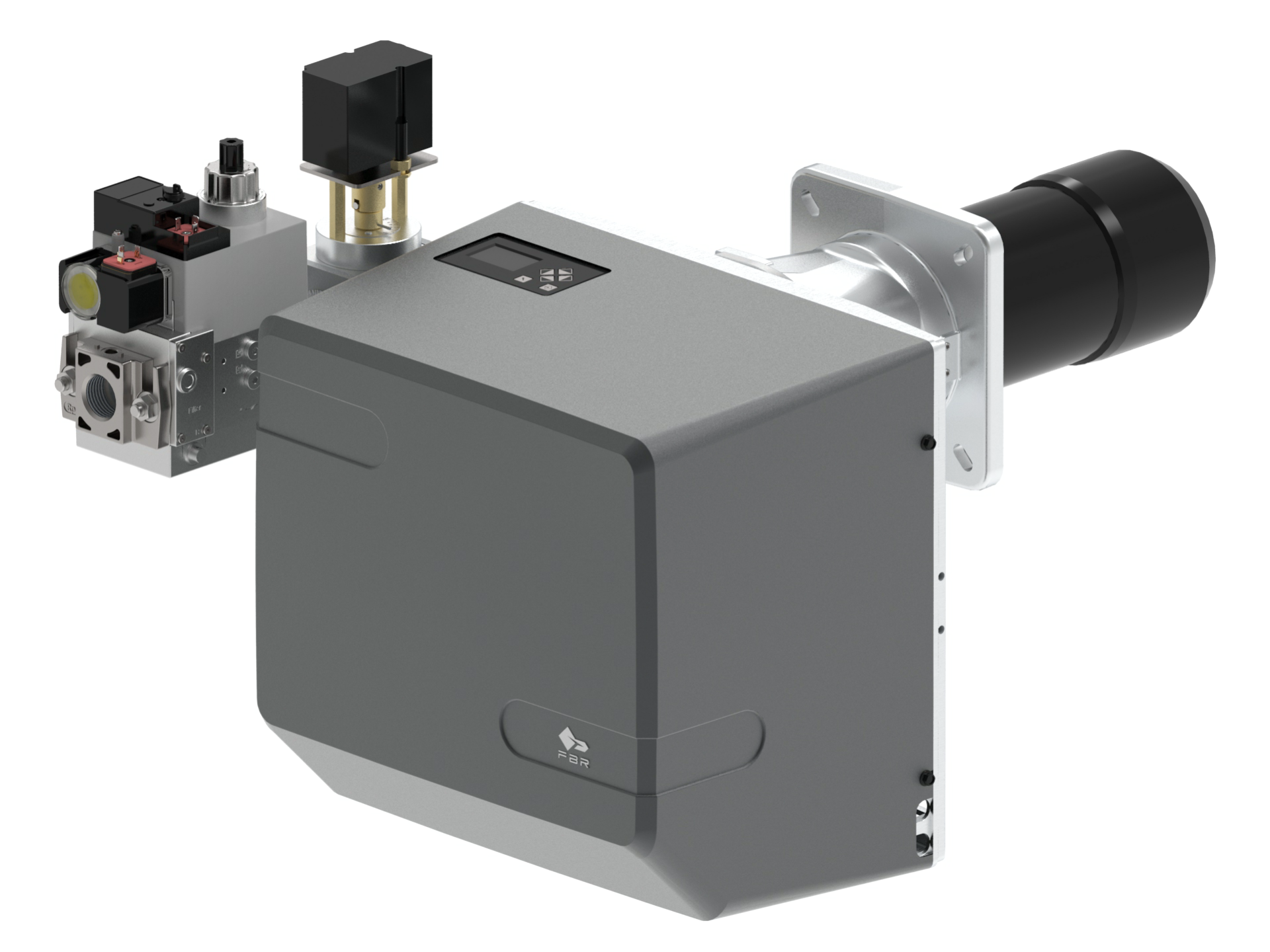
For burner applications, the FBR GAS X5 modulating burner represents a modern approach to industrial heating. Operating on both natural gas and LPG with minimum gas train pressure of 27 mbar for natural gas and 33 mbar for LPG, this burner provides thermal output ranging from 69.8 kW minimum to 349 kW maximum. The die-cast aluminum construction with high-pressurization fan and noise-reduction cover makes it suitable for heat-sensitive environments where ambient noise must be controlled. The PID-compatible modulation capability allows precise thermal output adjustment, reducing energy waste when full-load operation is unnecessary.
Key comparative considerations: Pump systems emphasize mechanical efficiency and seal reliability under sustained pressure, while burner systems prioritize combustion stability and emission control. The Interpump pump's compact dimensions (265 mm length) make it suitable for space-constrained installations common in Singapore's high-density industrial parks. The FBR burner's modulation capability suits applications where thermal demand fluctuates throughout the day—typical in food processing, textile manufacturing, and HVAC systems serving multi-tenant facilities.
Real-World Application Scenarios in Singapore
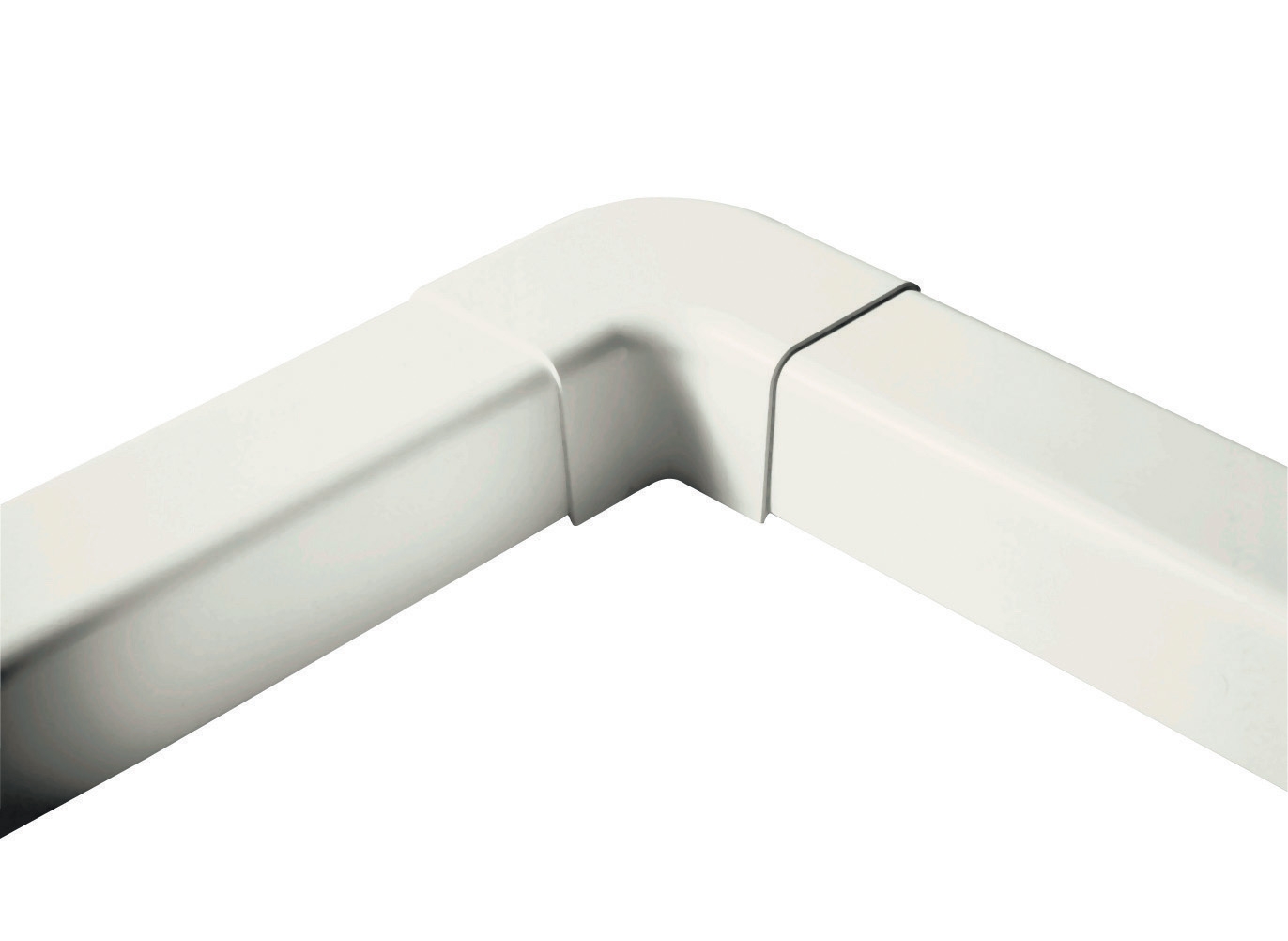
Scenario 1: Food Processing Facility Cooling Circuit A food manufacturing plant in the Jurong Industrial Estate requires reliable hydraulic pressure for stamping and forming equipment while maintaining closed-loop cooling. The combination of the Interpump pump delivering 15 L/min at 250 bar with a 90-degree flat elbow connector (60mm) for directional fluid routing provides a compact, efficient system. The 7.13 kW power consumption fits within the facility's existing electrical infrastructure, and the 1,450 RPM rotation regime ensures smooth operation without excessive motor heating in tropical ambient conditions.
Scenario 2: Industrial Boiler and Hot Water System A marine services facility in the Port of Singapore operates a steam boiler for equipment sterilization and hot water generation. The FBR burner's modulation from 69.8 kW to 349 kW allows the facility to reduce fuel consumption during low-demand periods (overnight, weekends) while maintaining rapid heat-up capability during peak processing hours. The burner's compatibility with both natural gas (from island-wide piped supply) and LPG (for backup continuity) provides operational flexibility. The IP 40 electrical protection rating protects motor components from salt spray and humidity in the coastal industrial environment.
Scenario 3: Pressure Testing and Mobile Service Equipment An industrial maintenance contractor in Singapore uses portable hydraulic pressure-testing equipment for on-site equipment validation. The compact 9.5 kg weight of the Interpump pump allows integration into mobile equipment without excessive vehicle loading, while the 250 bar output rating accommodates pressure-testing of pressure vessels and piping systems up to code-allowable test pressures. The pump's direct integration with gearbox options enables field technicians to swap drive configurations without replacing the entire pump assembly.
Selection Criteria and Best Practices for Procurement
Flow and Pressure Requirements: Begin by calculating actual system demand—not worst-case theoretical demand. A common procurement error is over-specifying pressure to achieve high flow rates, resulting in excessive power consumption and accelerated component wear. The 15 L/min specification of the Interpump pump suits 80% of Singapore's moderate-pressure industrial applications; over-specifying to 25+ L/min pumps increases capital cost and operating expense unnecessarily.
Electrical Compatibility: Verify motor power ratings against your facility's available three-phase supply. Most Singapore industrial facilities provide 380V 50Hz three-phase power; the 7.13 kW Interpump pump motor aligns with standard motor frame sizes in this region. Confirm with your electrical contractor that soft-starters or variable frequency drives (if needed) are compatible with the motor specification.
Fuel Availability and Storage: For burner selection, confirm long-term fuel supply stability. Natural gas piping reaches most Singapore industrial parks via PetroChina or other providers, making the FBR burner's natural gas compatibility attractive for cost certainty. However, if your facility lacks piped gas access, LPG capability becomes essential—the FBR burner's dual-fuel compatibility removes this procurement constraint.
Maintenance Access and Spare Parts: Engage with your equipment distributor early to confirm spare parts availability and lead times. In Singapore, distributors like 3G Electric maintain stock of common wear components for both Interpump pumps and FBR burners, reducing downtime risk compared to importing specialized equipment without local support.
Operational Considerations in Singapore's Climate
Tropical humidity and ambient temperatures of 25–35°C continuously challenge industrial equipment. Both pump and burner systems must incorporate adequate cooling and ventilation. For pump installations, ensure motor cooling fans receive unrestricted air intake; in dusty environments near the coast, consider mesh guards to prevent salt deposits and particulate buildup on cooling fins. For burner systems, the FBR's noise-reduction cover also functions as a thermal shield, protecting surrounding equipment from radiant heat—a benefit in densely packed industrial facilities common in Singapore.
Electrical protection ratings matter significantly: the IP 40 rating of the FBR burner motor protects against water spray and larger dust particles, suitable for indoor industrial environments but not for direct weather exposure. If equipment will be installed outdoors or in high-humidity washing areas, confirm IP ratings with your supplier before purchase.
Conclusion and Next Steps
Selecting industrial pumps and burner systems requires matching technical specifications to actual operational requirements rather than accepting default or over-specified solutions. The Interpump pump series and FBR burner family represent mature, field-proven solutions for Singapore's industrial applications, but selection success depends on careful analysis of your flow/pressure/thermal requirements, electrical infrastructure, and operational environment.
For procurement engineers evaluating equipment options, we recommend documenting your actual system requirements (measured flow, steady-state pressure, peak thermal load, fuel type), confirming electrical compatibility with your facility manager, and consulting with an experienced industrial equipment distributor who understands Singapore's specific infrastructure and regulatory environment. 3G Electric's team can provide technical comparison data, lead time estimates, and support for integrating your selected equipment with existing systems. Contact 3G Electric today for a technical consultation on your specific application requirements.