Industrial Pumps and Burner Systems: Technical Specifications and Global Application Guide
Industrial pumps and burner systems form the backbone of process heating, fluid transfer, and combustion applications across manufacturing, petrochemical, food processing, and HVAC sectors globally. These critical components demand precise technical specification matching to ensure operational efficiency, regulatory compliance, and system reliability. This guide explores the technical fundamentals of industrial pump and burner selection, providing engineers and facility managers with actionable insights for equipment specification and deployment in diverse industrial environments.
Understanding Industrial Pump Performance Specifications
Industrial pump selection requires careful analysis of multiple interdependent performance parameters. Flow rate, measured in liters per minute (L/min) or US gallons per minute (GPM), defines the volume of fluid transported per unit time. Pressure rating, expressed in bar, MPa, or PSI, indicates the maximum force the pump can sustain without structural failure. The relationship between flow and pressure is non-linear; many industrial applications require moderate flow at very high pressures, fundamentally different from high-flow, low-pressure scenarios.
Rotational regime (measured in RPM) directly influences both pump efficiency and component longevity. Lower rotational speeds reduce cavitation risk, extend seal life, and decrease noise generation—critical factors in temperature-sensitive or noise-restricted environments. Power consumption, expressed in kilowatts (kW) or horsepower (HP), must align with available electrical infrastructure and operational budgets. Weight and dimensional specifications determine mounting requirements, spatial constraints, and installation feasibility in retrofit or confined-space scenarios.
Shaft configuration (male or hollow) and connection ports (measured in inches or millimeters) directly impact system integration. Industrial facilities must verify compatibility with existing piping systems, fittings, and mechanical interfaces before equipment procurement. Pressure differential ratings and maximum operating temperatures further constrain application suitability. For tropical or thermally variable environments, thermal stability becomes particularly critical, as fluid viscosity changes significantly affect pump performance and system response characteristics.
Technical Deep Dive: Pump Specifications and Industrial Applications
The Interpump PUMP E3B2515I exemplifies compact, high-pressure industrial pump design. Delivering 15 liters per minute at 250 bar (3,625 PSI) with 7.13 kW power consumption and a compact footprint of 265mm, this pump operates at 1,450 RPM, making it suitable for applications requiring stable, efficient fluid delivery without excessive heat generation. The 9.5 kg weight enables flexible mounting configurations, while the hollow shaft design accommodates direct mechanical coupling to gearboxes or variable transmission systems.
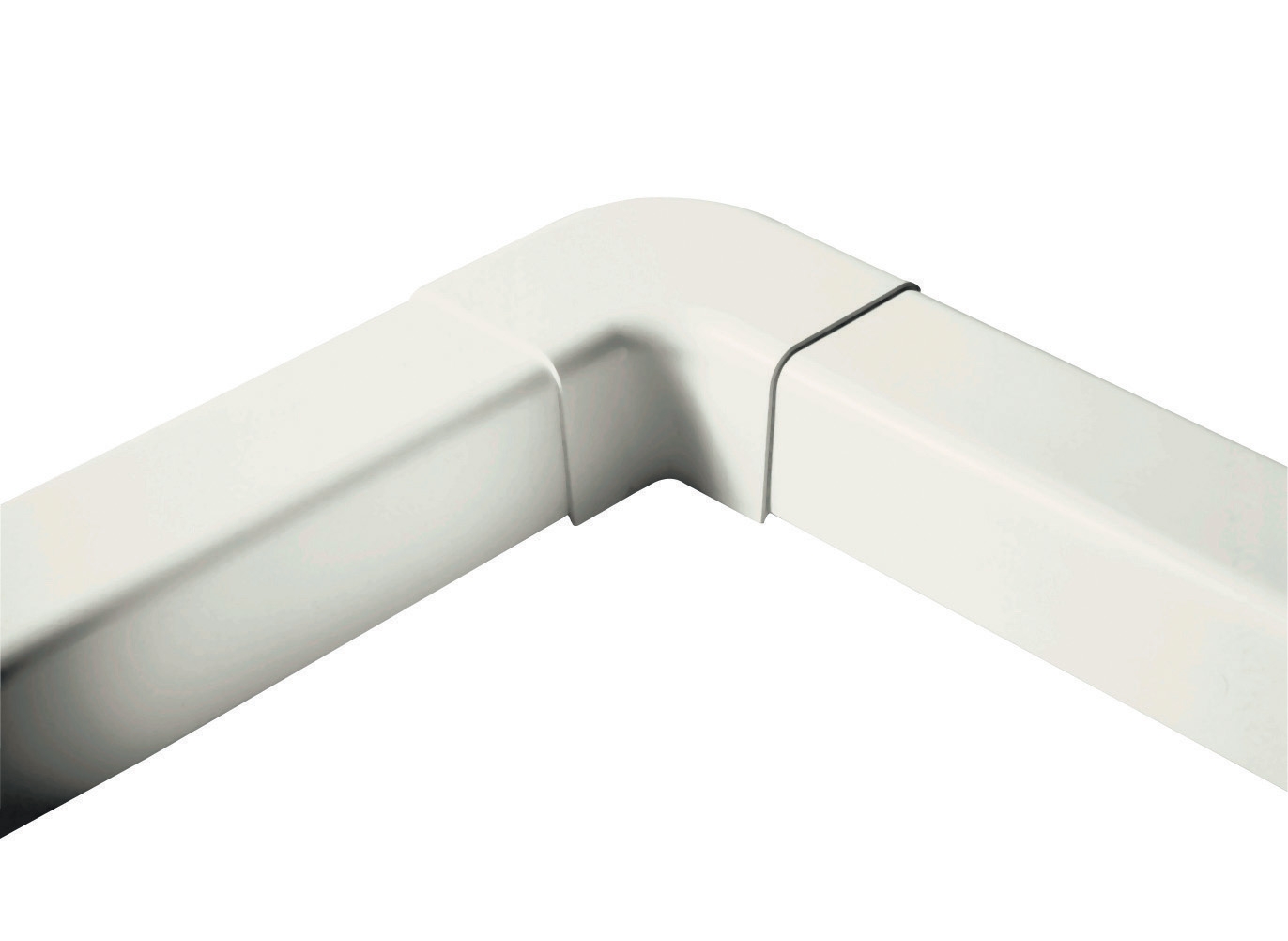
The Interpump PUMP E3B2515 L variant maintains identical flow and pressure specifications while optimizing for different rotational regime requirements. This flexibility allows industrial designers to match pump characteristics precisely to motor speed availability and load profiles. Both pump variants integrate seamlessly with flat elbows and directional fittings like the CBM Flat elbow 90° 60mm, which maintain fluid passage consistency while enabling compact piping geometry within constrained installation spaces.
For applications requiring integrated valve and gearbox functionality, the Interpump PUMP E3B1515 with integrated directional valve and RS500H gearbox consolidates multiple system components into a single assembly. This integrated approach reduces connection points, decreases leak potential, and simplifies maintenance protocols. Industrial facilities deploying such systems benefit from standardized spare parts management and reduced troubleshooting complexity in high-pressure applications exceeding 25 MPa.
The industrial pump selection process must account for fluid compatibility, as mineral oils, synthetic fluids, and water-based media exhibit fundamentally different viscosity-temperature relationships and chemical reactivity profiles. Pump selection errors result in efficiency losses of 15-30%, accelerated component wear, and system failures with consequential operational downtime.
Gas Burner Systems: Combustion Efficiency and Industrial Integration
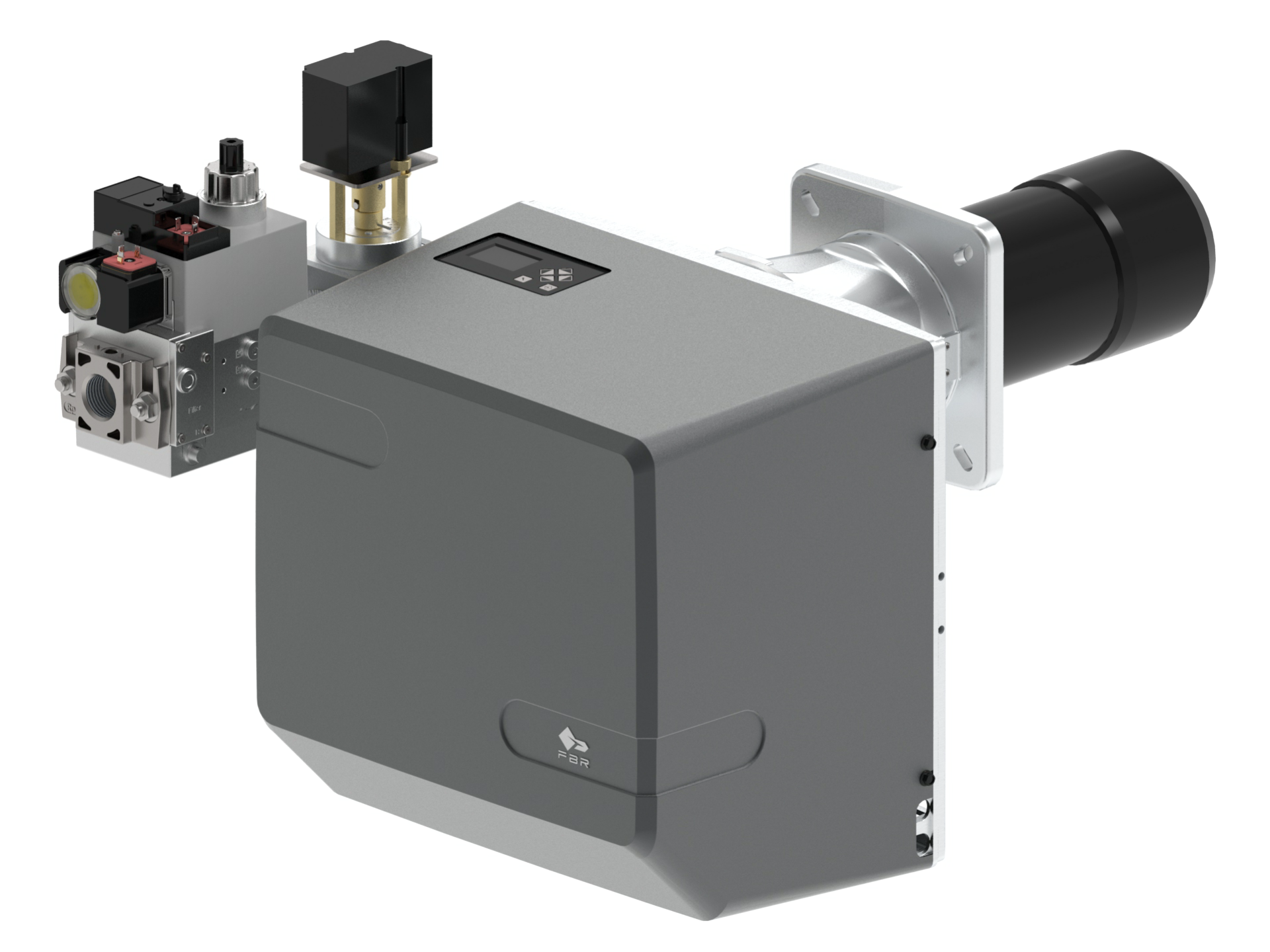
Industrial burner systems convert chemical energy into thermal output with varying efficiency levels depending on design sophistication, fuel type, and operational modulation capabilities. The FBR BURNER GAS X5/MF TL EL VC LPG represents advanced modulating burner technology, featuring a die-cast aluminum body, high-pressure fan with 370W motor capacity, and fully modulating PID control when equipped with optional modulation kits and temperature probes.
This burner delivers maximum power output of 349 kW and minimum modulation down to 69.8 kW, providing turndown ratios exceeding 5:1. Such extensive modulation capability enables precise thermal output matching to actual process demands, reducing fuel consumption by 20-35% compared to on-off burner operation. The combustion head design incorporates efficiency-oriented geometry with flame stability optimization and integrated noise reduction plating—critical features for industrial facilities requiring acoustic compliance with environmental regulations.
The burner's IP 40 electrical protection rating suits standard industrial environments, though tropical or corrosive atmospheres may require supplemental enclosure protection. Gas supply requirements specify minimum pressure of 27 mbar for natural gas and 33 mbar for LPG, with the burner accepting fuel categories I2R, I2H, I2L, I2E, I2E+, I2Er, I2ELL, I2E(R), I3B/P, I3+, I3P, I3B, and I3R. This extensive fuel category compatibility enables deployment across diverse geographic regions with varying fuel specifications and supply characteristics.
Real-World Applications Across Industrial Sectors
In food processing facilities, the combination of high-pressure pumps and modulating burner systems enables precise temperature control for pasteurization, sterilization, and product heating processes. The Interpump E3B2515I pump at 250 bar delivery pressure suits closed-loop heating circuits where temperature stability directly impacts product quality and regulatory compliance. Modulating burner systems prevent temperature overshoot and product degradation while reducing energy consumption.
Manufacturing facilities deploying hydraulic clamping systems benefit from pump integration with gearbox units, enabling efficient power transmission at standardized motor speeds. Industrial automation requires precise pressure maintenance within ±5% tolerances, achievable through pump-integrated pressure relief valve configurations. These systems commonly operate 16-24 hours daily, making efficiency and reliability paramount considerations.
District heating systems in commercial or industrial campuses leverage modulating burner technology to maintain supply temperatures across extended pipe networks. The thermal mass of such systems creates complex demand patterns requiring responsive burner modulation. Turndown-capable burners prevent cycling losses and maintain system efficiency during partial-load periods, typical for 60-70% of annual operating hours in temperate climates.
Equipment Selection Criteria and Operational Best Practices
Pump selection begins with process flow rate and system pressure requirements, expressed as absolute values with ±10% safety margins. Verify pump displacement ratings against available motor speeds to confirm power availability and efficiency. Fluid compatibility assessment must precede procurement; incompatible fluids cause seal degradation, paint damage, and internal corrosion within 1,000-5,000 operating hours.
Burner equipment selection requires fuel type confirmation (natural gas versus LPG), supply pressure verification, and turndown ratio analysis based on expected load profiles. Seasonal demand variations in heating applications often justify modulating burner investment despite higher capital cost, as energy savings accumulate rapidly. Acoustic considerations merit attention in noise-sensitive environments; integrated noise reduction features reduce decibel levels by 5-8 dB compared to standard designs.
Installation specification should incorporate appropriate fittings and connection hardware matching operating pressures and fluid types. Pressure gauge installation on both pump inlet and outlet enables diagnostic monitoring and early fault detection. Regular maintenance protocols—including fluid analysis, seal inspection, and combustion efficiency verification—extend equipment life and maintain operational reliability. Budget annual maintenance expenses at 3-5% of equipment capital cost for sustained performance.
Conclusion and Next Steps
Industrial pump and burner system selection demands rigorous technical analysis integrating performance specifications, application requirements, and operational constraints. The equipment featured throughout this guide—from the versatile Interpump pump series to advanced modulating burner technology—enables engineers to deploy reliable, efficient solutions across global industrial sectors. Specification errors result in premature equipment failure, efficiency losses, and unexpected downtime costs far exceeding initial procurement savings.
3G Electric's technical team brings three decades of industrial equipment expertise to complex application specification challenges. Contact our Singapore office or representatives serving your region to discuss pump and burner system requirements, obtain detailed technical documentation, and access equipment samples for integration testing. Our specialists can evaluate your process parameters and recommend optimal equipment configurations tailored to your facility's unique demands and operational constraints.