Industrial Pumps and Burner Systems: Technical Specifications and Global Application Guide
Industrial pumps and burner systems form the backbone of modern manufacturing, heating, and processing operations worldwide. For maintenance teams and service engineers managing these critical assets, understanding pump performance metrics, burner combustion characteristics, and system integration requirements is essential to ensuring operational reliability, energy efficiency, and regulatory compliance. This comprehensive guide examines technical specifications, real-world deployment scenarios, and selection methodologies for industrial pump and burner equipment, providing actionable insights for professionals responsible for equipment maintenance, troubleshooting, and optimization across global industrial facilities.
Understanding Industrial Pump Performance and System Requirements
Industrial pumps serve as the circulatory system for fluid delivery in heating, cooling, pressurization, and transfer applications. Unlike consumer-grade pumps, industrial-duty equipment must deliver consistent performance under sustained operation, variable load conditions, and often in hostile environmental contexts—including high-temperature fluids, corrosive media, and continuous 24/7 runtime scenarios.
Key performance metrics that define pump suitability include volumetric flow rate (measured in liters per minute or gallons per minute), maximum operating pressure (bar, MPa, or PSI), rotational speed (RPM), and power consumption (kilowatts or horsepower). These parameters determine whether a pump can satisfy specific application requirements and whether it will operate within safe thermal and mechanical margins.
The Interpump E3B2515I R pump, for example, delivers 15 L/min at maximum pressure ratings of 250 bar (25 MPa / 3,625 PSI), operating at 1,450 RPM with 7.13 kW (9.7 hp) input power. This specification profile positions it for mid-range industrial applications requiring moderate flow with high pressure capability—typical in hydraulic systems, fuel delivery, and pressurized fluid transfer. The compact footprint (265 mm overall length) and 9.5 kg weight enable flexible installation in space-constrained industrial environments.
Pressure rating deserves particular attention during equipment selection. Many maintenance professionals overlook the distinction between maximum rated pressure and operating pressure. Pumps rated for 250 bar may deliver optimal efficiency and component longevity at 150–180 bar continuous operation, with peak pressure ratings reserved for transient surge conditions. Operating consistently at maximum pressure accelerates seal wear, increases thermal load on the motor, and reduces service life. Understanding your application's actual pressure requirements—not simply selecting equipment with the highest rated capacity—is fundamental to cost-effective asset management.
Burner System Specifications and Combustion Control Architecture
Industrial burner systems translate fuel energy into controlled heat for processes ranging from building heating and industrial drying to chemical processing and metal treatment. Burner performance is characterized by fuel type compatibility, modulation capability, thermal output (kilowatts), fan motor power, and flame stability under variable load conditions.
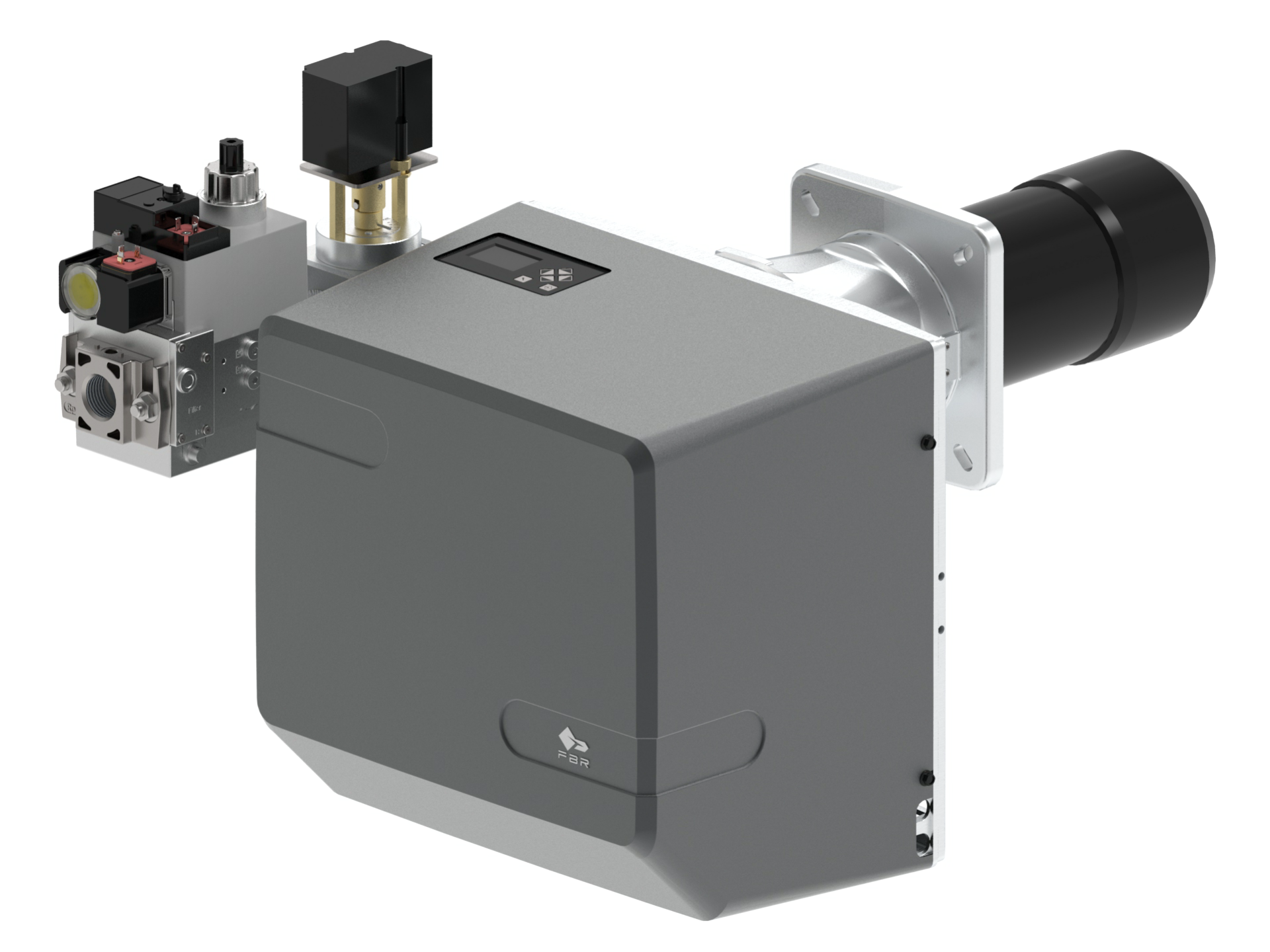
The FBR BURNER GAS X5/MF TL EL VC LPG exemplifies modern industrial burner design. Constructed from die-cast aluminum with high-pressurization fan and efficiency-optimized combustion head, this unit delivers thermal output ranging from 69.8 kW minimum to 349 kW maximum, controlled by a 370-watt fan motor. The burner supports both natural gas and LPG (liquefied petroleum gas) operation across multiple fuel categories (I2R, I2H, I2L, I2E, I2E+, I3B/P, I3+, I3P, I3B, I3R), meeting diverse regional fuel supply standards globally. IP 40 electrical protection rating ensures functionality in industrial environments with dust and moisture exposure, while minimum gas train pressure requirements (27/33 mbar for natural gas/LPG) define upstream regulator specifications.
Modulation capability represents a critical advancement in burner technology. Traditional on-off burners cycle between full fire and shutdown, creating temperature swings and reduced fuel efficiency. The FBR burner's PID fully modulating capability—when equipped with optional modulation kit and temperature probe—continuously adjusts fuel and air flow to match thermal demand, reducing fuel consumption by 15–25% compared to on-off operation while improving process temperature stability. For applications with variable heat demand (such as space heating or batch processing), modulation transforms burner economics and process control precision.
Flame stability and combustion efficiency depend on precise air-fuel mixture control. The FBR's adjustable combustion head and high-efficiency design minimize flame lift-off risk and incomplete combustion. A noise reduction plate further enables deployment in noise-sensitive industrial facilities, expanding application scope beyond traditional plant rooms. Understanding these design features is essential when troubleshooting flame stability issues or optimizing efficiency in existing installations.
System Integration and Real-World Application Scenarios
Industrial pump and burner systems rarely operate in isolation. Successful deployment requires careful integration of multiple component categories: pumps for fluid circulation, burners for heat generation, control valves for pressure and flow regulation, pressure instrumentation for system monitoring, and appropriate piping materials and configurations.
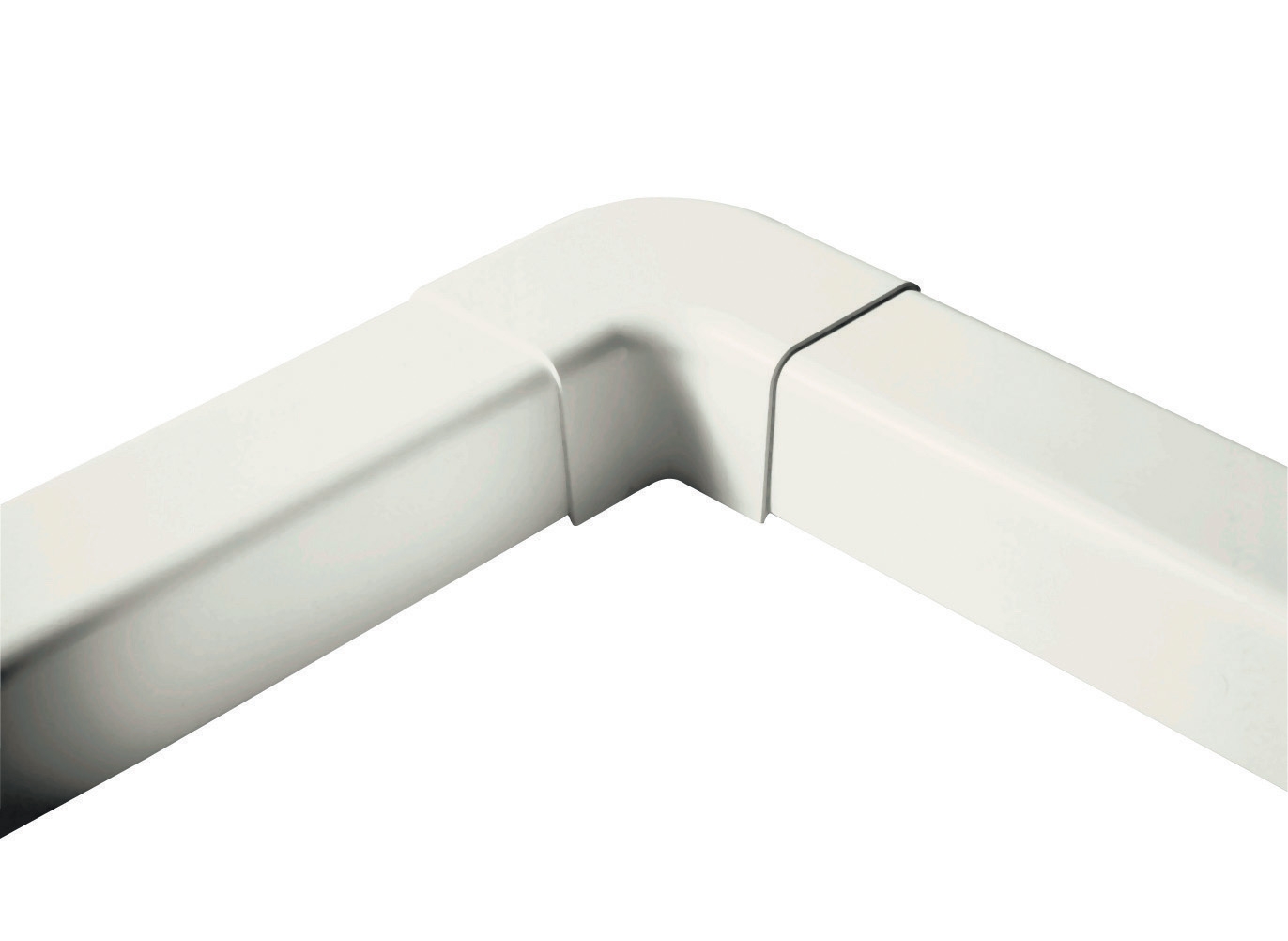
Heating System Integration: In district heating or large building heating systems, a pump unit circulates heated fluid from a burner through distribution networks. The burner's modulating capability responds to building temperature setpoint, while the pump maintains consistent circulation regardless of system demand. Pressure instrumentation at pump discharge, accumulator inlet, and critical distribution points enables real-time system health monitoring. A flat elbow connector like the CBM Flat elbow 90° 60mm provides space-efficient direction changes in confined plant rooms, reducing installation complexity and pressure drop.
Pressurized Process Application: High-pressure fluid transfer in industrial processing—such as hydraulic actuator control, fuel injection systems, or pressure-assisted chemical reactions—demands pump selection aligned with both flow and pressure requirements. The Interpump E3B1515 DX with RS500H gearbox offers integrated pressure control and speed reduction, enabling precise flow metering and load holding in complex hydraulic circuits. Maintenance teams benefit from understanding gearbox integration ratios and valve response times when diagnosing pressure instability or actuator performance issues.
Thermal Process Control: Applications requiring precise temperature maintenance—batch reactors, material curing, or food processing—combine burner thermal output with pump circulation and temperature feedback control. The burner's modulation range (69.8–349 kW) accommodates diverse process scales, while pump flow rate determines residence time and thermal uniformity. Integration of temperature sensors and modulation probes enables closed-loop control, stabilizing process conditions and reducing product variability.
Selection Criteria and Maintenance Best Practices
Pump Selection Methodology: Specify pump equipment based on application's actual operating parameters: required flow rate at typical system pressure (not maximum rated pressure), fluid viscosity and temperature, duty cycle (continuous vs. intermittent), and environmental constraints. Select equipment with 20–30% pressure margin above peak system pressure to ensure safe operation and component longevity. Consider pump displacement (cc/rev) and motor speed compatibility with available electrical supply (3-phase, frequency, voltage).
Burner Selection Framework: Match thermal output to process load with headroom for peak demand and standby losses. Specify fuel type compatibility with available supply infrastructure. Prioritize modulation capability for variable-load applications to optimize fuel consumption and reduce environmental impact. Verify electrical protection ratings for installation environment (indoor/outdoor, humidity, dust exposure). Document flame supervision requirements and integration protocols with building management systems.
System Commissioning and Monitoring: Establish baseline pressure, temperature, and flow measurements during commissioning. Implement regular monitoring protocols to detect performance degradation early. Schedule routine maintenance intervals for pump seals, motor bearings, and burner combustion head inspection. Train operations staff on safe shutdown procedures and emergency response protocols. Document all service records to support predictive maintenance planning and warranty management.
Conclusion and Next Steps
Industrial pump and burner systems demand technical depth, careful specification methodology, and disciplined maintenance execution to deliver reliable, efficient performance across global applications. Whether managing heating systems, process applications, or pressurized fluid transfer, maintenance teams benefit from understanding equipment performance specifications, integration requirements, and real-world operational scenarios.
3G Electric has served industrial customers worldwide since 1990 as an experienced equipment distributor, supplying premium pump, burner, and system components alongside technical expertise. Our team of experienced engineers can assist with equipment selection, integration guidance, troubleshooting support, and spare parts procurement. Contact 3G Electric today to discuss your specific industrial application requirements and explore how our technical resources can optimize your operational performance.