Industrial Pump Maintenance & Service: Specifications, Diagnostics, and Global Best Practices
Industrial pumps form the backbone of countless operations—from hydraulic systems to fluid transfer applications—yet their critical importance is often underestimated in maintenance planning. Effective pump maintenance and service extend equipment lifespan, reduce unplanned downtime, and optimize operational efficiency across global industrial facilities. Whether you operate in Singapore, across Southeast Asia, or internationally, understanding pump specifications, performance metrics, and diagnostic protocols is essential for maintaining system reliability and regulatory compliance. This comprehensive guide addresses the technical foundations of pump maintenance, diagnostic methodologies, and practical service strategies that apply to modern industrial operations.
Understanding Industrial Pump Performance Specifications and Operating Parameters
Industrial pumps are precision instruments that operate within defined performance envelopes. To maintain optimal function, maintenance professionals must understand key operational specifications: flow rate (measured in litres per minute or US gallons per minute), pressure capacity (expressed in bar, MPa, or PSI), power consumption (kilowatts or horsepower), and rotational speed (rpm). These parameters directly influence pump selection, installation requirements, and maintenance schedules.
Flow rate represents the volume of fluid the pump delivers per unit time. High-performance industrial pumps typically range from 15 L/min in compact applications to significantly higher volumes in large-scale operations. Pressure rating indicates the maximum operational pressure—critical for preventing system failures. For example, pumps rated at 250 bar (3,625 PSI) require specific component compatibility and pressure relief configurations. Power consumption directly correlates with operational costs and thermal management requirements. A pump operating at maximum capacity consuming 7.13 kW generates significant heat, necessitating adequate cooling and ventilation infrastructure.
Rotational speed (typically 1,450 rpm in standard industrial applications) affects pump efficiency and noise levels. Maintenance protocols must account for vibration analysis at these speeds—excessive vibration often signals bearing wear, misalignment, or cavitation. Understanding these specifications enables predictive maintenance planning and helps identify degradation before catastrophic failure occurs. Regular performance monitoring against manufacturer specifications provides early warning indicators of mechanical issues.
Diagnostic Equipment and Condition Monitoring Technologies for Pump Systems
Modern pump maintenance relies on specialized diagnostic tools that provide real-time performance data and identify emerging problems. Pressure measurement is fundamental to pump diagnostics. The CBM Glycerin Stainless Steel Pressure Gauge vertical D50 0/+4bar delivers reliable pressure monitoring with glycerin-damped needle response—critical for systems experiencing pressure fluctuations or vibration that could otherwise damage conventional gauges. Stainless steel construction ensures durability in corrosive environments common in global industrial facilities.
Electrical diagnostics require precision measurement instruments. The CBM Automatic Multimeter MM420 provides multifunction capability for voltage, current, and resistance testing essential for motor-driven pump diagnostics. Accurate electrical measurements prevent misdiagnosis and ensure proper motor operation. The non-contact voltage detection capability of the CBM Non-Contact Voltage Detector enables safe electrical verification without physical contact—critical for safety-critical applications and high-voltage systems.
Temperature monitoring represents another critical diagnostic parameter. Thermocouple technology, such as the CBM Type K Thermocouple for infrared measurement, enables precise bearing and discharge temperature monitoring. Elevated temperatures often indicate friction-related wear or inadequate lubrication. Combining pressure, electrical, and temperature data creates a comprehensive diagnostic profile that identifies pump degradation patterns. Regular baseline measurements enable trend analysis—essential for predicting maintenance requirements rather than reacting to failures.
Technical Specifications and Performance Characteristics of Modern Industrial Pumps
Contemporary industrial pump designs incorporate advanced engineering for reliability and efficiency. The Interpump E3B2515I pump exemplifies high-performance industrial pump architecture with 7.13 kW (9.7 hp) power output, 15 L/min flow capacity, and 250 bar (3,625 PSI) maximum pressure rating. At 1,450 rpm operational speed, this pump delivers precision fluid transfer suitable for hydraulic systems, pressure cleaning applications, and specialized industrial processes. The 9.5 kg weight facilitates integration into compact installations while maintaining robust pressure handling.
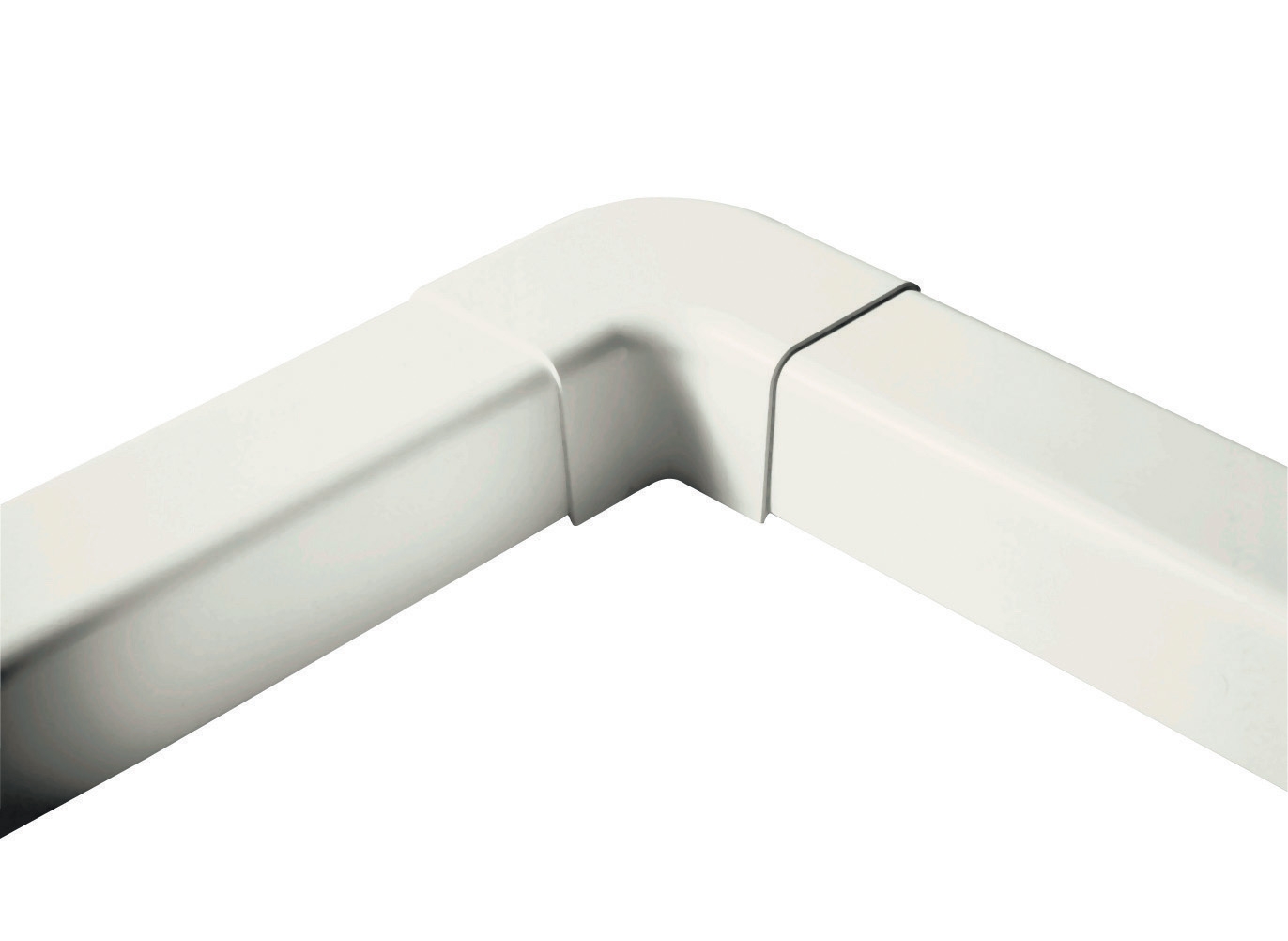
The Interpump E3B2515S pump offers comparable specifications with alternative shaft configuration for different mounting requirements. Both models feature overall dimensions of 265mm, enabling space-efficient installation in equipment-constrained environments. These pumps represent the performance tier suitable for moderate-to-high pressure applications where reliability and efficiency are paramount. Piping integration requires precision components—the CBM Flat Elbow 90° 60mm provides rigid connection capability at 60mm bore diameter, maintaining pressure integrity and minimizing fluid turbulence that could generate noise or reduce efficiency.
For applications requiring gearbox integration, the Interpump E3B1515 with RS500H Gearbox combines pump and transmission functionality into unified assemblies. This configuration suits applications requiring speed reduction or torque multiplication. The same 250 bar pressure capability and 15 L/min flow rate apply, but the integrated gearbox eliminates separate coupling components and reduces installation complexity. Service protocols for gearbox-integrated units differ slightly—lubrication management becomes more critical, requiring attention to both pump hydraulic oil and gearbox transmission fluid.
Real-World Application Scenarios and Integration Contexts
Industrial pump maintenance considerations vary significantly based on application context. In hydraulic systems, pump maintenance interconnects with valve maintenance, filtration, and heat management. Elevated fluid temperatures accelerate oil degradation, reducing lubricating film thickness and increasing wear rates. Monitoring pump discharge temperature and implementing adequate cooling prevents premature seal failure and bearing wear. In tropical climates common in Singapore and Southeast Asia, ambient temperature elevation compounds cooling demands—maintenance teams must adjust service intervals accordingly and verify heat exchanger performance regularly.
Pressure cleaning and surface preparation applications subject pumps to intermittent high-demand cycles. These operational patterns create stress concentrations at startup and shutdown points. Gradual pressure ramp-up and bleed-down procedures reduce shock loads and extend pump lifespan. Cavitation—formation and collapse of vapor bubbles within the pump—represents a critical failure mechanism in pressure applications. Adequate inlet pressure, proper suction line sizing, and temperature management prevent cavitation damage. Cavitation-induced damage appears as pitting on pump internals, typically followed by pressure loss and eventual functional failure.
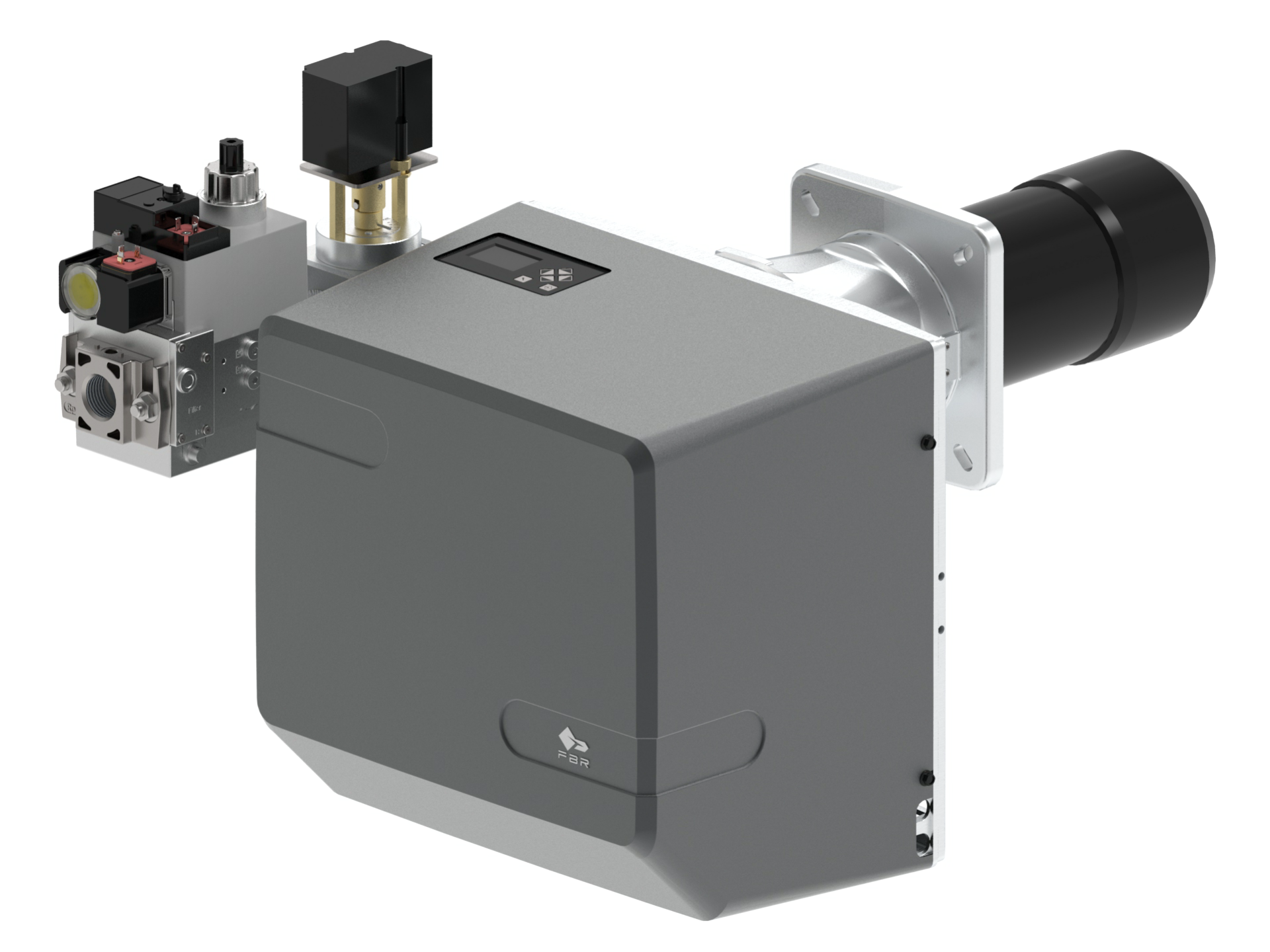
System integration in burner applications demonstrates cross-component maintenance interdependency. The FBR GAS X5/MCE-EL Burner incorporates fan motors and fuel delivery components that interface with pump systems in dual-fuel configurations. Burner maintenance protocols require coordination with fuel supply pump service schedules. Contaminated fuel damages pump internals; coordinated filter maintenance prevents system-wide failures. Understanding these interconnections enables holistic maintenance planning that addresses component interactions rather than isolated equipment silos.
Selection Criteria and Best Practices for Pump Service and Maintenance Planning
Effective pump maintenance begins with comprehensive documentation. Establish baseline performance records during commissioning—pressure readings at various flow rates, electrical consumption profiles, and operating temperatures. These baselines enable deviation detection that signals emerging problems. Create maintenance logs tracking service dates, measurements, component replacements, and observed anomalies. This historical record identifies recurring issues and validates maintenance interval optimization.
Adopt condition-based maintenance rather than strictly calendar-based scheduling. While manufacturers provide recommended service intervals, actual maintenance requirements depend on operating conditions, fluid cleanliness, and system load patterns. Trending analysis—plotting performance metrics over time—reveals degradation trajectories and enables targeted intervention before failure. Establish alert thresholds: pressure drops exceeding 10% from baseline, temperature increases above 10°C from normal operating range, or electrical current deviations suggest investigation is warranted.
Component compatibility represents a critical consideration in global operations. Different geographic regions may have varying regulatory standards, fluid specifications, and spare parts availability. Standardizing equipment from recognized manufacturers—such as Interpump pumps and CBM measurement instruments—ensures global spare parts availability and consistent performance characteristics. Documentation in multiple languages facilitates knowledge transfer across international teams. Regular training for maintenance personnel ensures consistent diagnostic practices and proper service execution regardless of facility location.
Conclusion and Next Steps for Optimizing Your Industrial Pump Maintenance Program
Industrial pump maintenance transcends routine servicing—it represents a strategic investment in operational reliability, cost reduction, and equipment longevity. By understanding pump specifications, implementing comprehensive diagnostic protocols, and adopting condition-based maintenance methodologies, industrial professionals minimize unplanned downtime and extend equipment lifespan. The principles outlined in this guide apply across global industrial contexts, from Singapore manufacturing facilities to international operations.
3G Electric has served industrial clients since 1990, providing expert guidance on pump selection, maintenance strategies, and diagnostic equipment for operations worldwide. Our distributor network offers direct access to Interpump pumps, CBM diagnostic instruments, and comprehensive technical support. Whether you need assistance selecting appropriate maintenance equipment, establishing condition-monitoring protocols, or troubleshooting emerging pump performance issues, our technical team stands ready to support your operational excellence. Contact 3G Electric today to schedule a consultation with our industrial maintenance specialists and optimize your pump service program.