How to Inspect and Service Industrial Pumps in Southeast Asia: A Maintenance Guide for Plant Operations
Industrial pumps are critical assets in manufacturing, processing, and utility operations across Southeast Asia. Yet many plant managers struggle with establishing reliable inspection schedules and diagnostic procedures that account for the region's unique tropical climate and operating conditions. This guide provides operations directors and plant managers with practical, actionable procedures for inspecting and servicing industrial pumps—from initial performance assessment through component evaluation and preventive maintenance planning. Whether managing burner fuel systems, cooling circuits, or pressurized fluid distribution, understanding pump diagnostics is essential for reducing unexpected downtime and extending equipment lifespan in demanding industrial environments.
Understanding Industrial Pump Performance and Diagnostic Fundamentals
Industrial pumps operate within strict performance parameters defined by flow rate, pressure capacity, and rotational speed. When a pump begins to underperform, the root causes are often subtle—developing gradually through wear, cavitation, misalignment, or bearing degradation. Effective pump diagnostics requires understanding the relationship between these key performance indicators and the physical mechanisms that drive them. Flow rate, measured in liters per minute or US gallons per minute, represents the volume of fluid the pump displaces per rotation cycle. Pressure rating, typically expressed in bar or PSI, indicates the maximum resistant force a pump can overcome. When combined, these metrics define the pump's operating envelope and power output in kilowatts. Deviations from manufacturer specifications signal underlying mechanical issues that demand investigation before catastrophic failure occurs. In Southeast Asia's tropical industrial settings, ambient heat, humidity, and corrosive environments accelerate degradation of mechanical seals, bearing assemblies, and shaft components. Routine inspection schedules must account for these environmental stressors, particularly in coastal locations where salt spray and moisture infiltration pose additional challenges to pump longevity. Temperature monitoring, vibration assessment, and pressure trend analysis form the foundation of predictive maintenance strategies that prevent unplanned shutdowns.
Key Components and Diagnostic Tools for Pump Assessment
Effective pump inspection requires access to appropriate diagnostic instrumentation and a systematic approach to component evaluation. Three essential tools enable comprehensive pump diagnostics: pressure measurement devices, temperature monitoring equipment, and vibration detection capabilities. Pressure assessment begins with accurate gauges compatible with your pump's operating range. For systems operating at moderate to high pressures, a CBM glycerin stainless steel pressure gauge rated for 0 to 4 bar provides reliable readings with resistance to corrosion—critical in humid tropical environments. Glycerin-filled gauges dampen pressure fluctuations, delivering stable readings that reveal system anomalies more accurately than dry gauges. Position gauges at strategic points: pump discharge, system load points, and return lines to establish pressure baselines for comparison during future inspections. Temperature monitoring complements pressure assessment. A CBM Type K thermocouple for infrared thermometer applications enables non-contact measurement of pump housing, bearing, and fluid temperatures. Temperature rise above baseline indicates excessive friction, cavitation, or system resistance that demands investigation. Compare discharge line temperature with return line temperature; abnormally high differentials suggest internal leakage or friction losses. Vibration detection requires a sensitive instrument capable of identifying amplitude and frequency patterns. While specialized vibration analyzers exist, a CBM automatic multimeter MM420 can assess electrical signatures in pump motors, detecting bearing wear and misalignment through current analysis. Coupling misalignment, worn bearings, and cavitation each produce distinctive vibration patterns; establishing baseline vibration signatures enables you to detect degradation early. Document vibration readings at multiple points on the pump housing and motor frame, comparing results monthly to track degradation rates.
Step-by-Step Pump Inspection and Diagnostic Procedure
Step 1: Establish Baseline Performance Metrics Before diagnosing problems, record current operating parameters: inlet pressure, discharge pressure, flow rate, motor current draw, bearing temperature, and housing vibration. Document ambient conditions and elapsed operating hours. These baseline values enable meaningful comparison during future inspections.
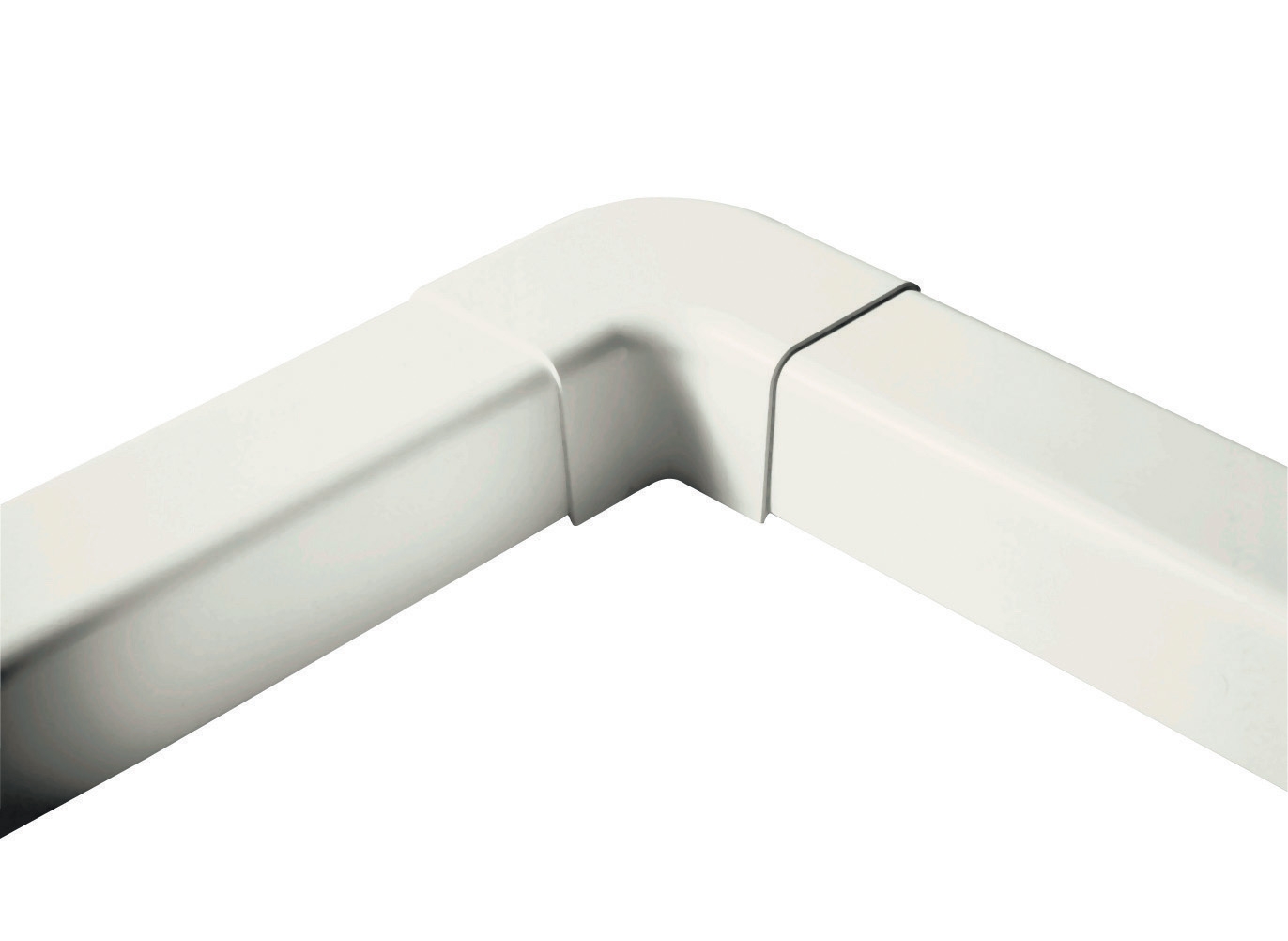
Step 2: Visual and Physical Inspection Shut down the pump system and allow it to cool. Inspect pump housing for cracks, corrosion, or external damage. Check all connection points, particularly CBM 90-degree flat elbows at 60mm diameter connections where installations employ modular piping configurations. Verify that all fittings are tight and show no signs of weeping or accumulated residue. Examine the pump shaft for runout and the coupling for alignment marks. Inspect seals for any evidence of past leakage—dried salt deposits or mineral buildup indicate intermittent or chronic seal degradation.
Step 3: Pressure System Assessment Restart the pump at normal operating conditions. Measure discharge pressure using calibrated pressure gauges at multiple points in the system. Compare discharge and return line pressures to identify unexpected drops that indicate internal leakage or blockages. Monitor pressure stability; oscillations exceeding ±10% of nominal pressure suggest cavitation, air entrainment, or valve issues.
Step 4: Temperature and Efficiency Monitoring Measure fluid temperatures at inlet and discharge using a Type K thermocouple. Temperature rise exceeding 10°C above normal operating range indicates excessive friction or system resistance. Also measure bearing housing temperatures; readings above 75°C warrant investigation of bearing lubrication and clearances.
Step 5: Motor and Electrical Assessment Using a multimeter, measure three-phase motor current on all phases. Imbalanced current exceeding 10% variance between phases suggests mechanical binding, misalignment, or internal pump friction. Record motor starting current and compare to manufacturer specifications.
Step 6: Documentation and Trend Analysis Record all findings in a maintenance logbook or digital asset management system. Establish monthly inspection intervals; over time, pressure trends, temperature patterns, and electrical signatures reveal degradation rates, enabling predictive maintenance scheduling.
Selecting Pumps and Components for Tropical Industrial Environments
When servicing or replacing pumps in Southeast Asian facilities, component selection directly impacts reliability and maintenance burden. Interpump industrial pumps rated at 7.13 kW with 15 liters per minute flow capacity and 250 bar maximum pressure represent typical mid-range equipment serving burner fuel systems, cooling circuits, and pressurized distribution applications. These pumps feature aluminum die-cast bodies and sealed bearing assemblies designed for continuous duty. When selecting replacement components or upgrading piping configurations, prioritize corrosion-resistant materials. Stainless steel construction for pressure gauges and thermocouples resists salt spray and humidity degradation common in coastal Southeast Asian locations. Glycerin-filled gauges prove superior to dry gauges in corrosive environments, maintaining calibration accuracy longer and reducing replacement frequency. For modular piping systems, CBM 90-degree flat elbows at 60mm diameter provide compact, efficient directional control without excessive pressure loss. Flat elbow designs reduce internal turbulence compared to standard elbows, minimizing cavitation risk in demanding applications. When assembling pump discharge piping, maintain slope toward drain points and eliminate high points prone to air trapping—critical in tropical heat where fluid expansion creates vapor pockets that degrade pump performance. Establish relationships with regional equipment distributors familiar with Southeast Asian environmental challenges. Equipment suppliers should provide technical guidance on component materials, seal options for high-temperature service, and maintenance interval adjustments accounting for tropical humidity, salt spray, and operating temperature extremes.
Preventive Maintenance Strategies for Extended Pump Life
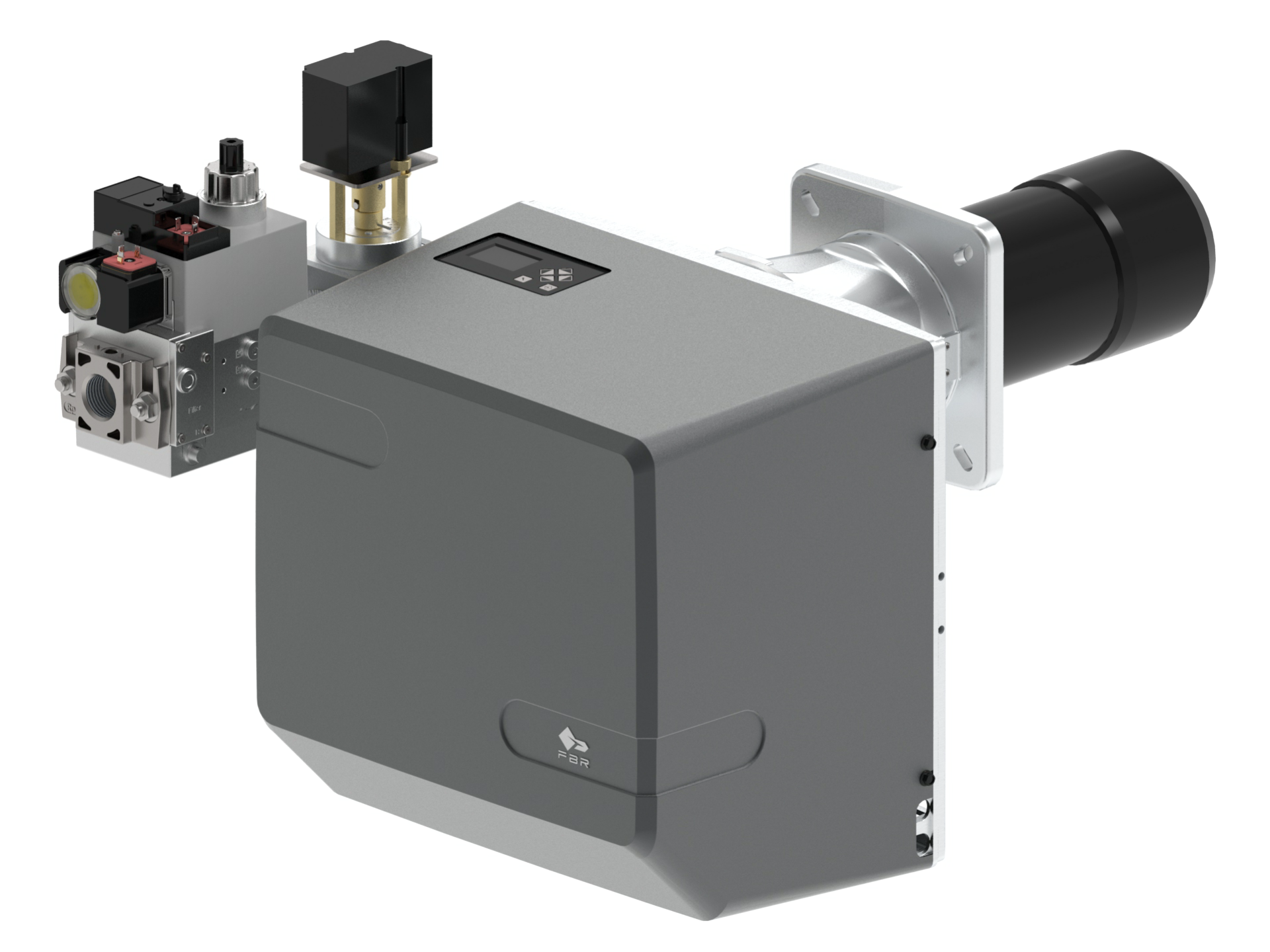
Reactive maintenance—responding to failures—proves more expensive than preventive maintenance grounded in systematic inspection and component renewal. Establish inspection intervals appropriate to your equipment duty cycle and environmental conditions. For pumps in continuous industrial service across Southeast Asia, monthly pressure, temperature, and vibration checks combined with quarterly bearing inspection and annual seal assessment represent a prudent maintenance schedule. Maintain spare bearing assemblies, mechanical seals, and drive couplings on hand. When inspection data trends indicate impending failure, scheduled component replacement during planned downtime costs far less than emergency replacement during production shutdown. Document all maintenance activities, component changes, and inspection results; over years, this history becomes invaluable for predicting replacement intervals and optimizing spare parts inventory. Coordinate pump maintenance with related system components. Gas burners, fuel supply systems, and pressurized cooling circuits depend on stable pump performance. When servicing pumps, simultaneously inspect associated burner systems and fuel supply equipment to ensure integrated system reliability. Consider establishing condition-based maintenance protocols supported by precision measurement instruments. Rather than replacing components on fixed schedules, use pressure trends, temperature data, and vibration signatures to make informed decisions about replacement timing. This approach maximizes component life while minimizing unnecessary replacements and waste.
Conclusion and Next Steps
Effective industrial pump maintenance requires systematic inspection procedures, appropriate diagnostic tools, and understanding of how tropical Southeast Asian environmental conditions accelerate component degradation. By establishing baseline performance metrics, conducting regular inspections, monitoring key performance indicators, and responding to trend data with predictive maintenance actions, plant managers dramatically reduce unexpected downtime and extend pump asset life. The procedures outlined in this guide apply across diverse pump applications—from high-pressure fuel supply for industrial burners to cooling system circulation and pressurized fluid distribution in manufacturing processes. Consistency in inspection methodology, accurate documentation, and timely component replacement form the foundation of reliable pump performance in demanding tropical industrial environments. If you operate industrial facilities across Southeast Asia and need guidance on pump selection, diagnostic procedures, or component sourcing, 3G Electric's team of industrial equipment specialists stands ready to support your maintenance programs. We distribute industry-leading pumps, measurement instruments, and piping components designed for tropical industrial applications. Contact us to discuss your facility's specific requirements and let us help optimize your equipment reliability and operational efficiency.