HVAC/R Systems and Measurement Equipment: Technical Integration Guide for Industrial Applications
Heating, ventilation, air conditioning, and refrigeration (HVAC/R) systems represent a critical infrastructure category across industrial, commercial, and residential sectors globally. For procurement and purchase engineers, selecting compatible equipment—from evacuation tools to diagnostic instruments—requires understanding system architecture, pressure dynamics, and measurement accuracy standards. This guide addresses the technical specifications, integration protocols, and real-world application scenarios that determine successful HVAC/R system deployment. Whether you're managing tropical climate installations in Southeast Asia or temperate-zone applications, the fundamental principles of system design, component compatibility, and preventive diagnostics remain constant.
Understanding HVAC/R System Architecture and Component Integration
HVAC/R systems operate as pressurized networks where refrigerant circulates through compressors, condensers, expansion devices, and evaporators. Each component must function within precise pressure and temperature parameters—exceeding these boundaries compromises efficiency, accelerates component degradation, and creates safety liabilities. The integration process begins with system evacuation, which removes non-condensable gases and moisture that compromise heat transfer efficiency and accelerate corrosion of internal surfaces.
Proper evacuation requires equipment capable of achieving deep vacuum levels (typically below 500 microns for new installations, below 1000 microns for recovery scenarios). This foundational step determines whether a newly installed system will achieve design performance or require repeated service interventions. The evacuation process also informs subsequent pressure testing—once vacuum integrity is confirmed, technicians introduce nitrogen at low pressure to verify system tightness before introducing refrigerant.
System architecture varies significantly based on application class. Industrial process cooling systems operate at pressures ranging from 50 to 250+ bar, depending on the refrigerant type and evaporation temperature. Commercial HVAC systems typically operate in the 5–20 bar range, while automotive and portable cooling systems may operate below 5 bar. Each pressure regime requires different component materials, seal types, and safety protocols. Procurement engineers must verify that selected components—evacuation pumps, pressure gauges, and expansion devices—are rated for the actual operating pressures of their target application, not assumed or generalized pressure ranges.
Refrigerant type fundamentally affects system material compatibility. HFC, HFO, hydrofluoroolefin, and hydrocarbon refrigerants exhibit different solubility characteristics with mineral oils and synthetic lubricants. Some refrigerant chemistries are incompatible with copper alloys; others require special elastomer seals. System evacuation and charging procedures also vary by refrigerant category, affecting equipment specification and technician certification requirements across different geographic markets.
Vacuum Pump Selection and Technical Performance Metrics
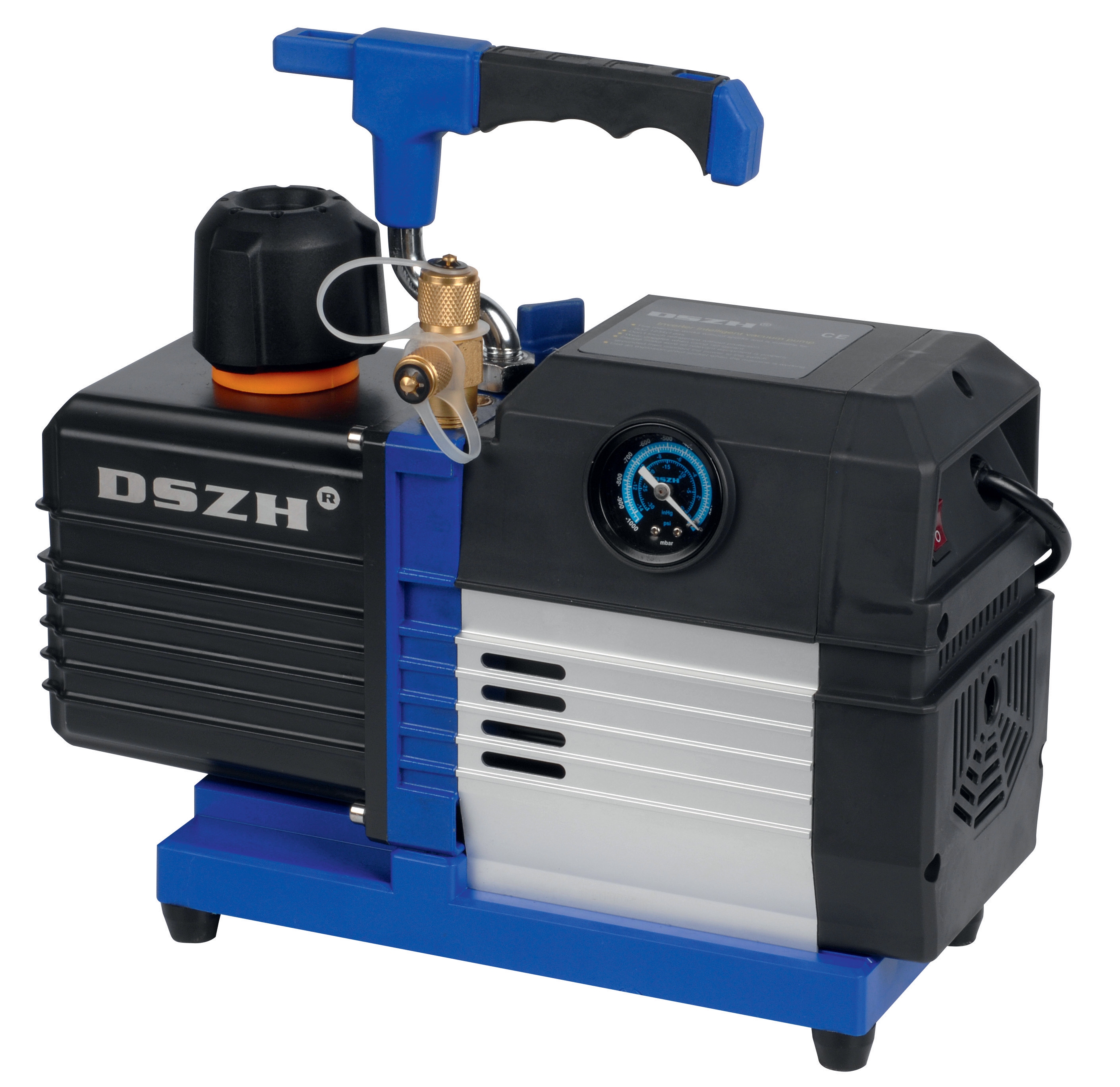
The CBM Vacuum Pump 71 L/MIN represents a high-performance evacuation solution designed for professional HVAC/R applications. With a flow rate of 71 liters per minute and dual inlet ports (1/4" and 3/8"), this unit accommodates both residential and light commercial system configurations. The WK-2BM model incorporates intelligent technology—a feature set that distinguishes modern evacuation equipment from conventional single-stage pumps.
Technical specifications reveal critical differentiation points for procurement decision-making. The 600 ml oil capacity supports extended service intervals while providing adequate heat dissipation during continuous operation. Dual inlet ports eliminate the need for multiple pump units or additional adapter configurations, reducing both capital cost and system complexity. The 71 L/min displacement rate translates to practical evacuation times: a typical 100-liter system volume evacuates to 1000 microns in approximately 2–3 minutes, while deep vacuum (500 microns) requires 8–12 minutes depending on system geometry and component vapor release rates.
Pump selection criteria extend beyond displacement rate. Oil type (mineral vs. synthetic) affects moisture absorption rates, particularly in tropical climates where humidity exceeds 80% during monsoon seasons. Synthetic oils (PAG or POE) absorb significantly more moisture than mineral oils, requiring more frequent oil changes in high-humidity environments. Vacuum pump efficiency also degrades with oil degradation—moisture-saturated oil increases internal leakage and reduces ultimate vacuum depth. This reality makes oil change intervals critical specifications for procurement engineers specifying equipment for long-term deployment.
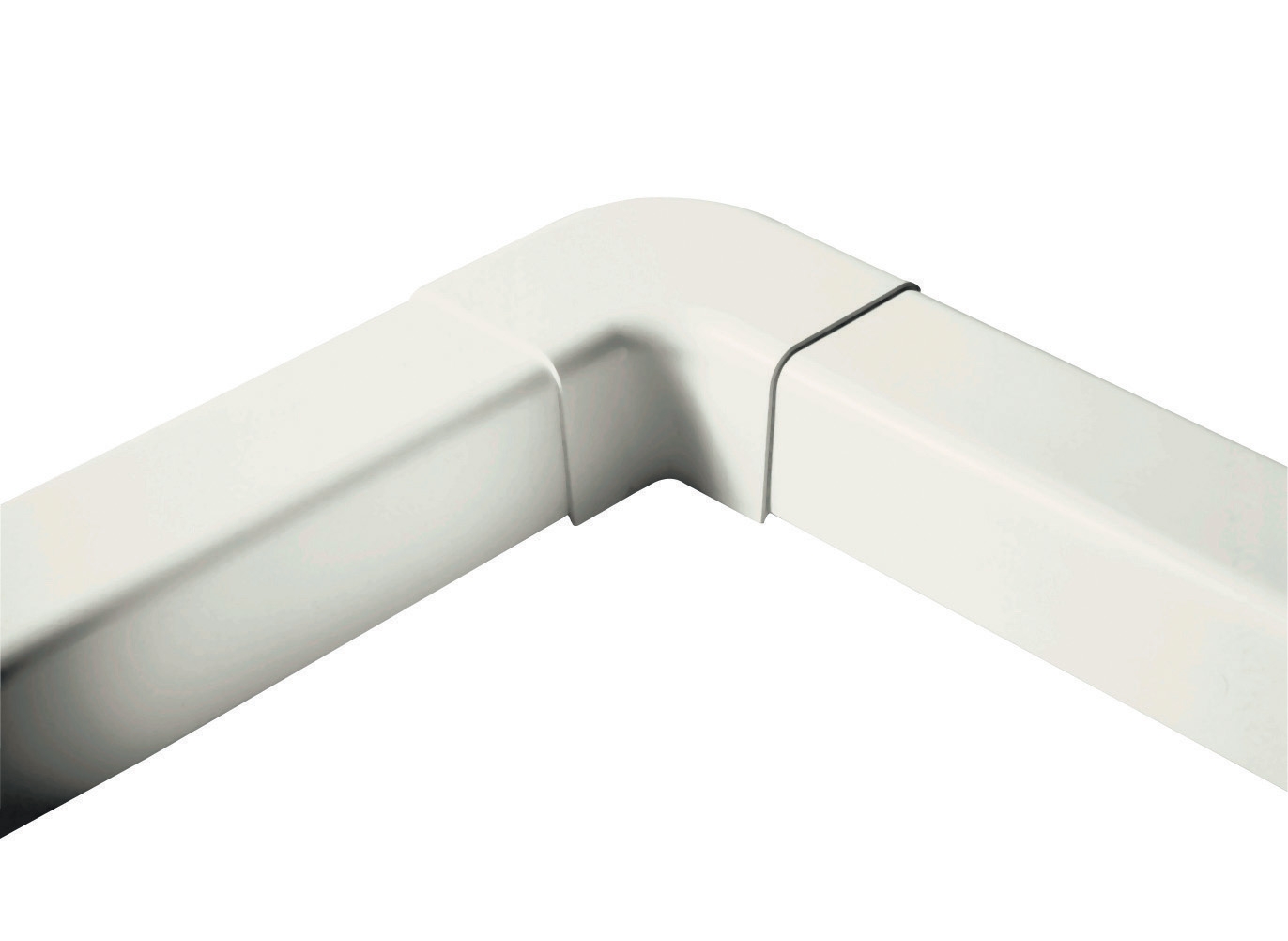
Complementary equipment selection determines overall evacuation system effectiveness. Manifold gauge sets provide real-time pressure monitoring throughout the evacuation process. Flat-bend piping—such as the CBM Flat Elbow 90° 60mm—enables efficient routing within confined equipment rooms while minimizing dead-leg volumes where refrigerant and moisture can accumulate. Small-diameter elbows reduce system volume, accelerating evacuation times and improving vacuum uniformity across multi-branch installations.
Pressure Measurement and System Diagnostics
Accurate pressure measurement forms the foundation of HVAC/R system diagnostics and optimization. The CBM Glycerin Stainless Steel Pressure Gauge (0–4 bar, G1/4) delivers corrosion-resistant measurement capability essential for tropical environments where salt spray, humidity, and aggressive atmospheric conditions accelerate gauge degradation. The glycerin-filled dial design dampens needle oscillation caused by pressure pulsations from reciprocating compressors, improving readability and reducing misdiagnosis caused by dynamic pressure transients.
Gauge selection addresses both installation location and measurement accuracy requirements. Suction-side gauges (low-pressure) typically measure -1 to +10 bar and use aluminum bodies with nylon faceplates for weight reduction and impact resistance. Discharge-side gauges (high-pressure) measure 0–35 bar or higher, requiring robust stainless steel or brass construction. Glycerin-filled designs reduce needle vibration from 50–100 Hz pulsation cycles inherent in reciprocating systems, improving measurement precision from ±3% (dry gauges) to ±1.6% (glycerin-damped). For critical applications, electronic pressure transducers provide digital logging and integration with building management systems, though installation costs exceed mechanical gauges by 200–400%.
System diagnostics extend beyond pressure reading. Superheat measurement (the temperature rise of refrigerant above its saturation point at a given pressure) determines expansion device setting accuracy and indicates whether the evaporator is flooded or starved. Subcooling measurement (the temperature difference between saturated liquid and actual liquid temperature at the condenser outlet) identifies overcharge/undercharge conditions and refrigerant contamination. Both measurements require simultaneous temperature and pressure readings, necessitating complementary diagnostic equipment beyond gauge sets.
Electrical Diagnostics and Predictive Maintenance
Modern HVAC/R systems incorporate electronic controls, safety interlocks, and energy management circuits. Commissioning and troubleshooting these systems requires electrical diagnostic capability. The CBM Automatic Multimeter MM420 provides essential measurement functions: AC/DC voltage (up to 1000V), current measurement (low range 0–400 mA, high range 0–10 A), resistance, and continuity testing. The 9V battery design enables field deployment without mains power dependency, critical for diagnostic work in mechanical rooms and rooftop installations.
Practical diagnostic scenarios include: verifying 24V control voltage presence before troubleshooting solenoid valve circuits; measuring compressor motor inrush current to identify bearing friction or refrigerant slugging; testing thermostat continuity to isolate control faults from equipment failures. The 400 mA low-range current measurement accommodates low-power circuits (control circuits, sensor inputs) while the 10 A high-range capacity addresses motor starting currents and heating element loads. Multi-function capability reduces field tool inventory and integration complexity.
Complementary diagnostic tools address specific safety and functional requirements. The CBM Non-Contact Voltage Detector enables rapid confirmation of circuit de-energization before maintenance work, reducing shock hazards and improving safety compliance. The 6 mm maximum detection range provides adequate sensitivity for standard industrial wiring while avoiding false positives from adjacent energized conductors. Dual-range capability distinguishes between low-voltage (24V control) and high-voltage (230V/400V power) circuits, critical for rapid diagnosis without circuit contact.
Real-World Application Scenarios: Integration and Commissioning
Consider a commercial office building in Singapore requiring replacement of a failing 20-year-old chiller system (350 kW cooling capacity, operating at 15 bar suction pressure, 40 bar discharge pressure). The retrofit installation specifies a new screw compressor with HFC-free refrigerant, requiring complete system evacuation before commissioning. The procurement engineer specifies the CBM vacuum pump for evacuation, complemented by a gauge manifold set for pressure monitoring. The 71 L/min displacement rate accommodates the estimated 800-liter system volume within a 15-minute service window, compatible with the building's operational constraints (maintenance only during nighttime hours).
During commissioning, pressure gauges confirm evacuation progress and identify refrigerant charge levels. Electrical diagnostics verify compressor motor protection settings, inverter carrier frequencies (if variable-speed equipped), and safety interlocks. Temperature measurements at compressor discharge confirm adequate oil circulation and cooling; suction temperature measurement confirms proper expansion device calibration. Within 48 hours of commissioning, continuous monitoring confirms system stability and efficiency targets.
A second scenario involves predictive maintenance on an industrial process-cooling system supporting pharmaceutical manufacturing in Malaysia. Monthly pressure logging reveals gradual suction pressure decline (indicating internal leakage or refrigerant loss) and discharge pressure elevation (indicating condenser fouling or degraded oil). Non-contact voltage testing isolates a failing low-pressure safety switch, preventing nuisance shutdowns. Multimeter continuity testing confirms the replacement switch wire terminations before energization.
Selection Criteria and Procurement Best Practices
Vacuum pump specification begins with system volume estimation and target evacuation depth. Residential systems (typically 10–50 liters) may accept lower displacement rates; industrial systems (200+ liters) require higher-displacement units. Ultimate vacuum depth determines pump stage count and cost: single-stage pumps achieve 1000–1500 microns; two-stage designs achieve 100–500 microns; three-stage units reach below 50 microns. Most HVAC/R applications require 500–1000 micron vacuum, favoring two-stage designs.
Pressure gauge selection prioritizes accuracy class, pressure range, and environmental resistance. Digital gauges provide superior readability and data logging but require battery management and calibration validation. Glycerin-filled mechanical gauges provide reliable operation across temperature extremes and high-vibration environments without battery dependency. For critical applications, dual-gauge installation (mechanical reference + electronic logging) enables cross-validation and regulatory compliance documentation.
Complementary equipment—elbows, manifolds, hoses, fittings—must match system operating pressure and refrigerant compatibility. Brass and copper components work across most refrigerant types; aluminum components face compatibility restrictions with some hydrofluoroolefin refrigerants. Hose selection determines system durability: standard rubber hoses degrade rapidly when exposed to hydrofluoroolefin refrigerants; barrier hose (with inner PTFE lining) extends service life 200–400%.
Procurement engineers should establish preferred-vendor relationships with distributors offering comprehensive HVAC/R equipment portfolios. System integration complexity—particularly across tropical installations requiring extended warranties and rapid-response service support—favors consolidated sourcing from distributors with local inventory, technical expertise, and established relationships with major refrigeration equipment manufacturers.
Global Deployment Considerations and Regulatory Context
HVAC/R system regulations vary significantly across geographic markets. European standards (EN 378) mandate refrigerant charge limits based on toxicity and flammability classifications; some national regulations prohibit high-charge systems in occupied spaces. North American codes (EPA 608 certification requirements) establish mandatory technician certification and recordkeeping standards. Asian markets increasingly mandate low-global-warming-potential refrigerants, accelerating transition away from traditional HFC refrigerants toward HFO and hydrocarbon alternatives with significantly different handling, safety, and equipment compatibility requirements.
Tropical climate deployment adds complexity: elevated ambient temperatures increase system discharge pressures, requiring higher-capacity condensers and lower expansion device superheat settings. High humidity promotes refrigerant absorption into mineral oils, accelerating oil acidification and compressor bearing degradation. Salt-spray environments demand corrosion-resistant materials (stainless steel, nylon, epoxy-coated steel) for extended service life. These environmental factors directly influence equipment selection and maintenance frequency.
3G Electric maintains distributed inventory across major industrial markets globally, supporting engineers and contractors across diverse regulatory environments and climatic conditions. Our product selection—from professional-grade vacuum pumps to diagnostic measurement instruments—reflects real-world deployment requirements across pharmaceutical, food processing, petrochemical, and commercial climate control applications.
Conclusion and Next Steps
HVAC/R system success depends on rigorous engineering from design through commissioning and ongoing maintenance. Equipment specification—vacuum pumps, pressure gauges, electrical diagnostics, and complementary components—determines whether installations achieve design efficiency or require repeated service interventions. Procurement engineers managing these systems must understand pressure dynamics, component compatibility, and measurement accuracy requirements across diverse applications and climatic conditions.
Contact 3G Electric to discuss your specific HVAC/R equipment requirements. Our technical team can help specify complete evacuation and commissioning systems, validate compatibility across your installation scope, and ensure regulatory compliance across your target markets. Whether you're managing single-building retrofits or multi-site deployments across Asia-Pacific, Europe, or global markets, we offer the technical expertise and distributed inventory to support your success.