Understanding HVAC Pump Maintenance & Service Requirements in Singapore's Tropical Environment
HVAC contractors in Singapore face distinct Maintenance & Service challenges that differ from temperate climates. The combination of year-round high humidity, aggressive salt-laden air in coastal areas, and continuous system operation creates accelerated wear on circulation pumps. With over 35 years of experience supplying industrial equipment across Southeast Asia, 3G Electric understands that tropical conditions demand proactive maintenance protocols beyond standard industry practices.
HTVAC systems in Singapore operate continuously throughout the year, with peak cooling loads during afternoon hours and high humidity creating condensation risks. Circulation pumps run extended duty cycles—often 12–18 hours daily in commercial facilities—resulting in elevated thermal stress on seals, bearings, and impeller assemblies. Traditional quarterly maintenance intervals prove insufficient; Singapore's climate requires monthly inspections with emphasis on moisture ingress and corrosion prevention.
The salt spray environment near coastal industrial zones accelerates external corrosion of pump housings and coupling components. Interior contamination from humid air creating microorganism growth in oil reservoirs compounds these challenges. Understanding these environmental stressors is foundational to effective troubleshooting and extending equipment lifespan.
Diagnosing Circulation Flow Problems and Pressure Anomalies
Identifying Low Flow Conditions
Reduced chilled water or hot water circulation represents the most common HVAC pump failure mode in Singapore installations. Contractors should systematically diagnose low flow through a three-step verification process:
1. Verify Pressure Differential: Measure inlet and outlet pressures at the pump using calibrated gauges on both suction and discharge ports. Note baseline readings from system commissioning documentation. Abnormal pressure drops exceeding 0.3 bar from design specifications indicate internal degradation or cavitation initiation.
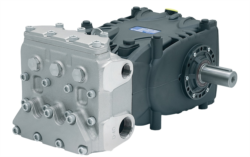
2. Check Flow Rate Against Load: Compare actual GPM (or L/min) output using thermographic analysis of supply/return line temperatures combined with system heat load calculations. If design flow is 50 L/min but temperature differential suggests only 35 L/min circulation, internal wear damage is progressing. The Pratissoli KF30 high-performance pump delivering 106 L/min establishes benchmark performance—significant deviation signals impeller damage.
3. Inspect Suction Conditions: Low flow originating at pump inlet indicates strainer blockage or inadequate tank head pressure. Clean or replace suction strainers immediately; Singapore's humidity promotes algae growth in tank internals that clogs suction sides within 6–8 weeks if left unchecked.
Pressure Stability and Spike Detection
Erratic pressure readings signal cavitation, bearing wear, or seal degradation. Install temporary pressure transducers on the discharge line to record 10-second sampling intervals; transient spikes exceeding 15% above nominal pressure indicate:
- Cavitation bubbles forming at pump inlet (suction pressure dropping below vapor pressure)
- Bearing clearance deterioration causing micro-vibrations
- Seal failure allowing internal bypass
In Singapore's humidity, vapor pressure varies seasonally. During monsoon periods with cooler inlet temperatures, cavitation risk decreases; in afternoon peaks with 45°C water temperatures, cavitation initiates at suction pressures below 0.8 bar absolute. Contractors must adjust baseline thresholds seasonally.
Seal, Bearing, and Internal Component Wear Assessment
Mechanical Seal Failure Patterns
Mechanical seals on HVAC circulation pumps typically fail due to three mechanisms in tropical environments:
1. Moisture ingress through secondary seal areas: Singapore's 80%+ humidity causes condensation to accumulate around seal glands, especially during night shutdowns when system temperatures drop below dew point. Implement daily morning visual inspections for crystalline deposits or wet residue around seal housings. Replace seals if any visual moisture is present; waiting for failure leaks wastes 40–80 liters of circulating fluid in small commercial systems.
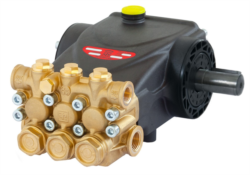
2. Biological fouling of seal faces: Algae and bacterial biofilm accumulate on seal friction surfaces when water-glycol mixtures are used in HVAC systems. Monthly flushing of seal cavities using filtered water or approved solvents prevents this degradation. The Interpump PUMP E2C2111 L operates at 210 bar—excessive pressure from blocked seals indicates organic buildup requiring immediate chemical cleaning.
3. Thermal cycling stress: Daily temperature swings from 22°C (early morning setback) to 48°C (afternoon peak) cause seal material expansion/contraction. Over 12–18 month periods, elastomer seals lose resilience and begin micro-leaking. Plan seal replacement every 18 months in Singapore installations rather than industry-standard 24–36 month intervals.
Bearing Wear Indicators
Rolling element bearings in HVAC pumps degrade progressively through four stages. Contractors should implement acoustic monitoring to catch Stage 2 degradation before catastrophic failure:
- Stage 1 (0–6 months typical): Silent operation; no detectable issues
- Stage 2 (6–12 months): High-frequency noise audible only with stethoscope near bearing housings; metal-to-metal contact beginning
- Stage 3 (12–18 months): Audible grinding noise during operation; vibration measurable with accelerometers
- Stage 4 (18+ months): Severe vibration, temperature rise exceeding 15°C above ambient, bearing seizure imminent
In Singapore, coastal salt spray accelerates Stage 1→Stage 2 transition by 30–40%. Inspect bearings monthly using a mechanic's stethoscope (cost ~SGD $15). If grinding noise appears, schedule bearing replacement within 2 weeks; delay risks shaft damage requiring complete pump replacement.
Impeller and Housing Corrosion
Tropical humidity causes internal corrosion even with stainless steel components. Implement semi-annual ultrasonic thickness measurements on pump housings (external and internal surfaces if accessible). Corrosion rates in Singapore average 0.15–0.25 mm/year on mild steel unexposed to salt spray, and 0.35–0.50 mm/year in coastal zones. Calculate remaining service life: if housing thickness is 8 mm and measurements show 7.2 mm after 12 months, the component has 2.4 years remaining before perforation risk. Plan replacement proactively rather than reactively.
Seasonal Maintenance Protocols and Preventive Care Schedule
Pre-Southwest Monsoon Preparation (April–May)
The Southwest Monsoon (May–September) brings heaviest rainfall and humidity spikes exceeding 95%. Prepare systems 4–6 weeks in advance:
1. Flush and refill circulation fluid: Replace 40–50% of system fluid to remove accumulated moisture and biological contaminants. Use only approved HVAC-grade water-glycol or polyol ester fluids; never mix fluid types.
2. Inspect and upgrade seals: If seals are older than 18 months, replace preventively using EPDM or FKM elastomers rated for 50°C continuous operation. The Interpump PUMP W2035 L ATEX operates at 200 bar and 13.23 kW—verify seal rating matches your system pressure profile.
3. Check suction strainer condition: Clean or replace suction strainers; wet conditions promote rapid algae colonization. Install 100-micron mesh rather than standard 150-micron to filter biofilm particles.
4. Measure baseline vibration and noise: Record acoustic and vibration signatures during normal operation using smartphone vibration apps or portable accelerometers. This baseline enables future anomaly detection.
Mid-Year Peak Load Inspection (July–August)
During monsoon season when outdoor air is cool and humid, HVAC systems often operate at reduced load. Paradoxically, this is when subtle problems surface:
- Idle bearings exposed to moisture oxidation without load-generated lubrication
- Seal cavities collecting standing water
- Flow stagnation promoting biofilm growth
Increase inspection frequency to bi-weekly during monsoon months. Pay particular attention to discharge pressure trending; if pressure drops >0.5 bar from pre-monsoon baseline, internal wear is accelerating.
Post-Monsoon Recovery (September–October)
As Northeast Monsoon approaches and system loads increase, implement end-of-season procedures:
1. Perform complete system flushing: Circulation fluid accumulated moisture and biological debris during 5-month high-humidity cycle. Flush at 1.5× normal flow rate for 2–4 hours using clean filtration.
2. Replace all seals regardless of condition: Even if previous inspections showed no leakage, tropical moisture stress warrants preventive replacement. Cost of seal kit (~SGD $200–400) is minimal compared to catastrophic system failure during peak cooling demand.
3. Inspect pump shaft and coupling alignment: Seasonal vibration analysis should focus on shaft runout and coupling concentricity. Misalignment exceeding 0.1 mm causes premature bearing wear; realign using laser alignment tools.
Year-Round Monthly Checklist
Regardless of season, HVAC contractors must perform monthly Maintenance & Service inspections:
- Visual inspection of seal housing, coupling, and bearing for moisture or oil residue
- Listening inspection using stethoscope for bearing noise changes
- Temperature measurement of bearing housing (should not exceed 60°C; alert threshold is 55°C)
- Pressure gauge verification against baseline values (±0.3 bar tolerance)
- Suction strainer condition assessment (differential pressure gauge if available)
- Documentation of all findings in equipment logbook
For critical systems supporting data centers or hospitals, consider installing permanent pressure and temperature monitoring with alarm thresholds. The Interpump PUMP SSU2040 R ATEX delivers 40 L/min at 200 bar with 15.29 kW—systems of this capacity warrant continuous condition monitoring.
Documentation and Spares Management for Singapore HVAC Operations
Maintain detailed maintenance records for every circulation pump, including:
- Original commissioning flow/pressure baseline data
- Monthly inspection findings with date and technician name
- Any seal or bearing replacements with exact part numbers and batch dates
- Fluid type and replacement dates
- Seasonal flushing records
3G Electric's 35+ years experience across Southeast Asia demonstrates that HVAC contractors with systematic documentation extend pump lifespan by 40–60% compared to reactive maintenance approaches. Create a spare parts kit specific to your installed base:
- Mechanical seal assemblies (2–3 units per pump size)
- Bearing sets (complete cartridges if available)
- Suction strainers
- Gasket sets for pump flange connections
- O-rings in common sizes (NBR and EPDM, 10–20 pieces each)
- Coupling components
Store spares in climate-controlled facility (below 30°C, <60% humidity) to prevent shelf degradation. Singapore's tropical environment rapidly deteriorates elastomers and oxidizes metal components if stored in warehouse conditions.
Quarterly Reporting Template
Establish quarterly maintenance summaries documenting:
- Hours of operation
- Number of start/stop cycles
- Average discharge pressure and flow rate
- Any anomalies detected
- Repairs or replacements performed
- Forecast for next quarter (e.g., "Seal replacement recommended by Q4 2024")
This forward-looking approach enables scheduling maintenance during low-load periods rather than emergency repairs during peak demand.