Pressure and Temperature Measurement for HVAC Systems: A Technical Guide for Global Contractors
Accurate pressure and temperature measurement forms the foundation of reliable HVAC system commissioning, diagnostics, and maintenance across residential, commercial, and industrial facilities worldwide. For HVAC contractors and installers, precision in these measurements directly impacts system efficiency, warranty compliance, and customer satisfaction. Whether you're verifying refrigerant charge in cooling systems, monitoring hydronic heating lines, checking expansion tank pre-charge pressure, or diagnosing compressor performance, having the right measurement tools and understanding their technical specifications is non-negotiable. This guide addresses the critical measurement techniques, equipment selection criteria, and real-world applications that enable contractors to execute reliable commissioning and troubleshooting work in diverse global climates and facility types.
Understanding Pressure Measurement in HVAC Applications
Pressure measurement in HVAC systems requires understanding both the physical principles involved and the specific technical requirements of different circuit types. In refrigeration cycles, precise pressure readings enable technicians to verify proper charge levels, diagnose leaks, and assess compressor efficiency. In hydronic heating systems, accurate pressure monitoring ensures proper circulation, identifies blockages, and validates system balance. Expansion tank pre-charging represents a specialized pressure measurement task where accuracy directly affects system longevity and performance.
Pressure gauges used in HVAC work must accommodate fluctuating pressures, resist corrosive refrigerant oils, and provide stable readings across temperature variations. Glycerin-filled gauge designs address these requirements by damping needle oscillation, reducing vibration-induced errors, and extending instrument lifespan in demanding environments. The choice between low-pressure (mbar/bar) and high-pressure (bar/PSI) measurement depends entirely on the system being serviced: low-pressure measurements suit vacuum diagnostics and expansion tank work, while high-pressure gauges are essential for refrigerant system analysis.
The selection between analog gauges and digital measurement devices involves trade-offs between portability, precision, and application flexibility. Analog pressure gauges provide immediate visual feedback without power requirements, making them reliable for field work. Digital expansion tank inflators combine pressure measurement with automated fill capabilities, reducing manual intervention and improving consistency. Understanding these distinctions enables contractors to build measurement toolkits matched to their specific service scope and frequency.
Recommended Measurement Instruments and Technical Specifications
For baseline pressure monitoring in hydronic systems and general HVAC work, the CBM glycerin stainless steel pressure gauge (D50, 0-4 bar, G1/4 connection) provides compact, reliable measurement with excellent corrosion resistance. Its stainless steel construction resists exposure to water and mineral deposits common in heating systems, while the glycerin fill provides stable readings despite system vibration. This 50mm diameter gauge fits comfortably on service manifolds and portable measurement kits.
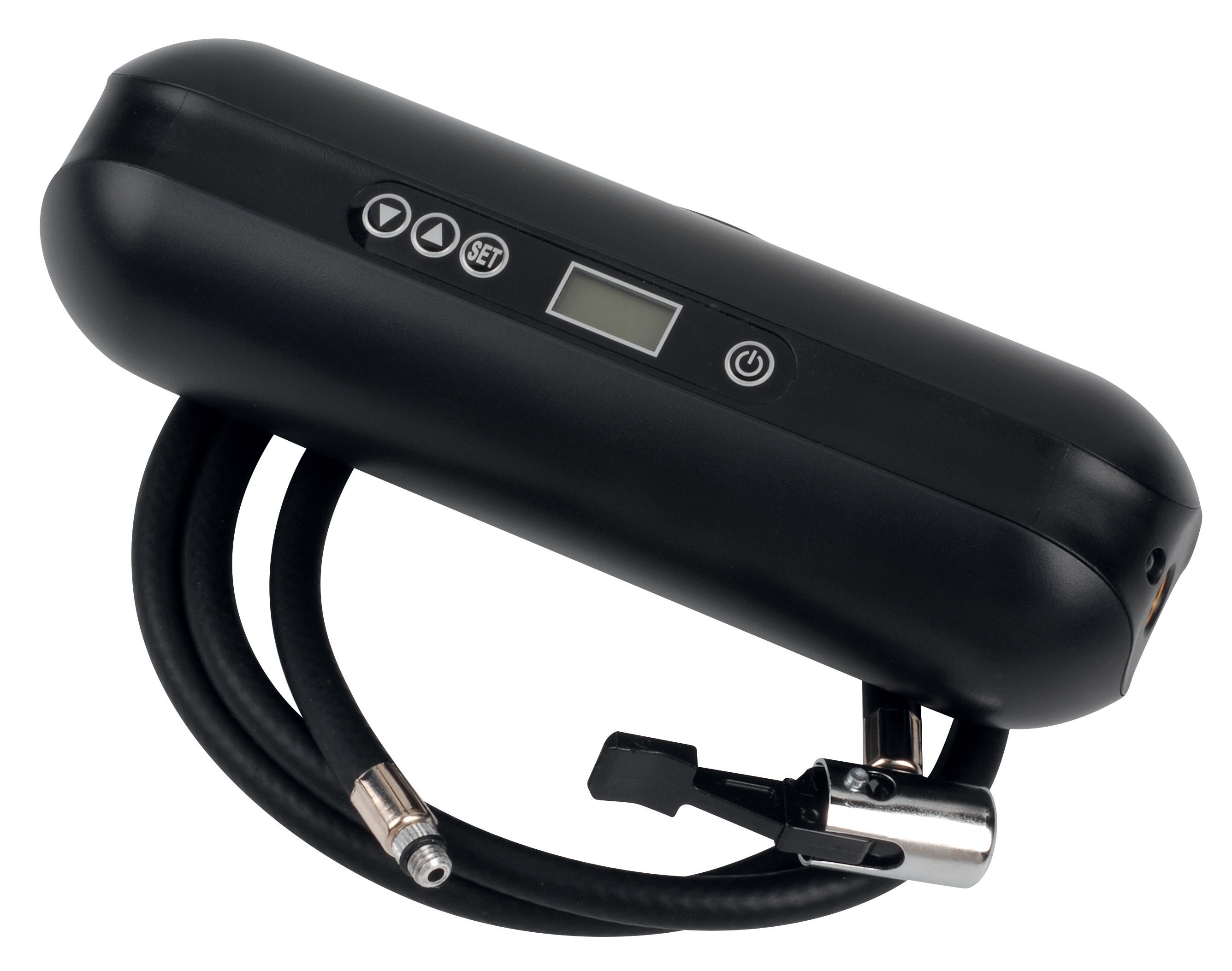
For expansion tank pre-charging and low-pressure measurement work, the CBM expansion tank inflator battery (2000 mAh) delivers integrated measurement and inflation in a single tool. Technical specifications include maximum pressure rating of 10.3 bar (150 PSI), digital display supporting multiple pressure units (PSI, BAR, KPA, KG/CM²), operating temperature range of -20 to +60°C, and USB-rechargeable battery architecture. This extended temperature range accommodates both unheated utility spaces and outdoor commissioning work in varied global climates. The digital display eliminates parallax reading errors common with analog gauges, and the automatic shut-off at target pressure reduces over-pressurization risk.
For broader measurement scope requiring both low and high pressure capacity, the CBM multifunction inflator battery (2500 mAh) extends capabilities to 120 PSI maximum pressure with 45W motor power, supporting both inflation and vacuum applications. The 2500 mAh battery enables 35 minutes continuous runtime—sufficient for multiple expansion tank services per charge. Dual motor options (brushed at 620g or brushless at 590g) allow weight-sensitive job site selection, while the -10 to +45°C operating range suits most climatic regions.
Temperature measurement in HVAC applications demands similar attention to technical specifications. The CBM axial thermometer (D65, -40 to +40°C, 5cm stem, NPT connection, brass stem with black steel case) provides reliable temperature reading across expansion tank diagnostics, boiler inlet/outlet verification, and chilled water loop commissioning. The brass stem material resists corrosion from water-based heat transfer fluids, while the NPT thread connection integrates with standard thermowells on commercial HVAC equipment. For larger facility work requiring higher temperature capacity, larger diameter gauges with extended stem lengths accommodate deeper immersion in thermal wells.
Electrical Safety and Diagnostic Integration
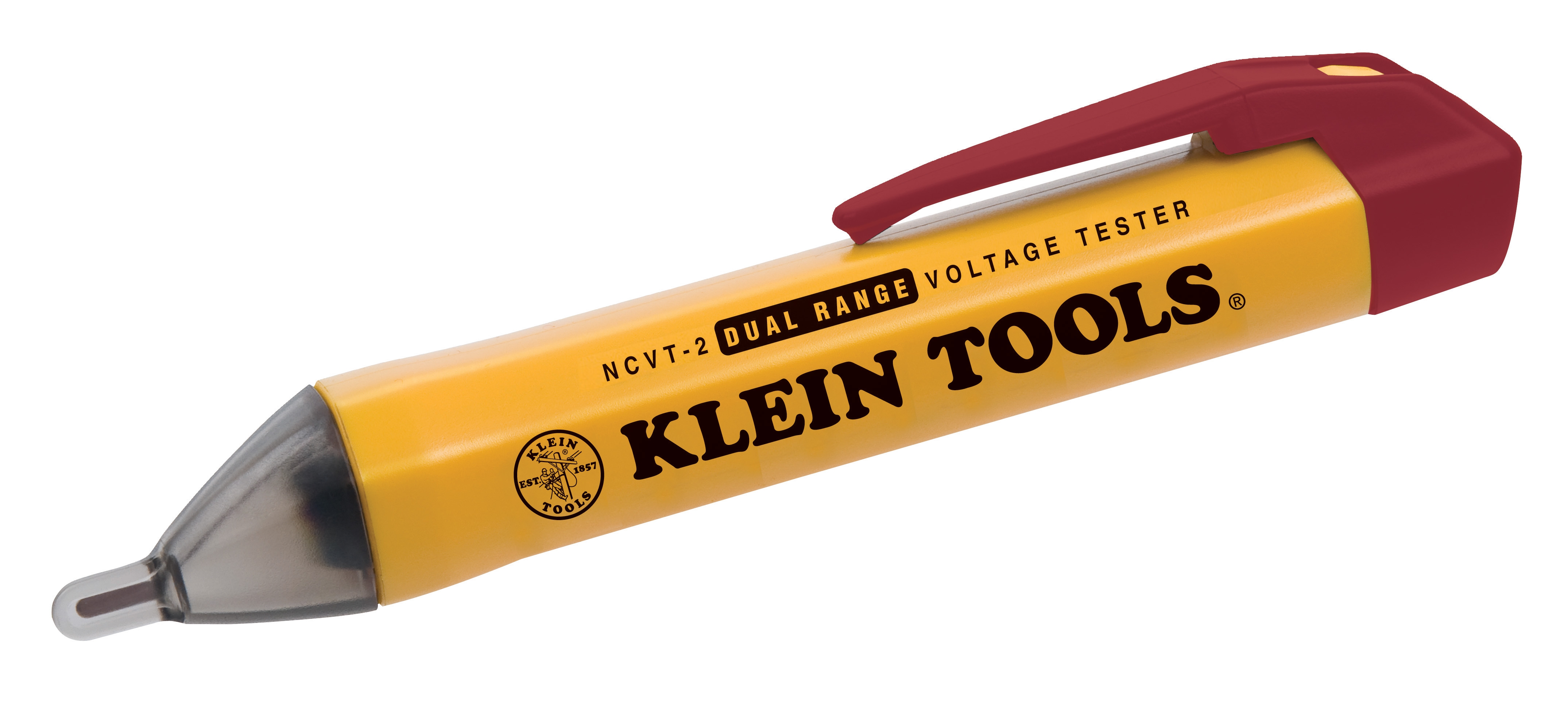
HVAC commissioning frequently requires electrical system diagnostics alongside pressure and temperature verification. The CBM non-contact voltage detector enables safe identification of energized circuits before work begins, with dual-range detection capability and 6mm maximum detection distance. This tool prevents accidental contact with live components during control wire disconnection and sensor troubleshooting.
For more comprehensive electrical diagnostics—measuring control circuit voltages, assessing thermostat battery condition, or verifying sensor outputs—the CBM automatic multimeter MM420 provides AC/DC voltage measurement, current testing to 10A maximum, and automatic range selection. The 9V battery and 400mA/250V fuse rating suit low-voltage HVAC control circuit work without over-range risk. Contractors performing boiler controller diagnostics, variable frequency drive verification, or sensor signal validation will find this tool's automatic ranging particularly valuable for reducing setup time on service calls.
Real-World Application Scenarios
Scenario 1: Hydronic Heating System Commissioning — During new installation of a commercial hydronic heating loop, the technician must verify pressure throughout the system to confirm proper circulation and validate balancing valve settings. Using the expansion tank inflator with digital display, the contractor confirms the tank pre-charge pressure matches design specifications (typically 0.5 bar below system minimum operating pressure), then measures system operating pressure at the boiler inlet and outlet. The digital readout eliminates ambiguity in pressure readings common with analog gauges on vibrating equipment. Temperature measurement at boiler inlet and outlet using the axial thermometer confirms heat exchanger Delta-T performance—an essential commissioning parameter often overlooked.
Scenario 2: Refrigerant System Diagnostics — A contractor responding to reduced cooling capacity in a commercial unit uses pressure gauges to assess high-side and low-side pressures against design specification tables. Stainless steel glycerin-filled gauges dampen the pressure oscillation inherent in running compressors, allowing accurate mid-range readings. Digital multimeter measurement of thermostat and control sensor voltages helps isolate whether reduced capacity stems from refrigerant loss or control system malfunction—a diagnostic distinction essential before expensive refrigerant recharge work.
Scenario 3: Maintenance and Preventive Service — Routine maintenance on a chiller in a tropical climate installation requires periodic pressure and temperature verification to detect early degradation. The multifunction inflator's extended operating temperature range (-10 to +45°C) accommodates measurement in equipment rooms without climate control. Multiple service calls per battery charge reduce downtime between expansions tank services across a large facility.
Best Practices for Pressure and Temperature Measurement in HVAC Work
Calibration and Verification: Pressure gauges should be verified against known standards annually or after visible damage. Many commercial facilities maintain calibration records as part of preventive maintenance documentation. Digital multimeters and inflators should undergo function tests monthly to verify battery condition and sensor responsiveness.
Thermal Well Installation: Temperature measurement accuracy depends on proper thermowell installation with adequate immersion length (minimum 5cm stem insertion typical). Locate thermal wells away from high-velocity zones to minimize convection errors. For critical measurements like boiler Delta-T, install wells in straight pipe sections where flow patterns are fully developed.
Safety Protocols: Always de-energize circuits before working on electrical connections. Use non-contact voltage detection as a verification step before manual contact. When measuring high pressures, ensure gauge faces are positioned to shield technicians from accidental reading errors or gauge failure.
Documentation: Record all commissioning measurements—expansion tank pre-charge, system operating pressures, boiler inlet/outlet temperatures, and control voltages—in standardized commissioning documentation. This baseline data becomes the foundation for future maintenance decisions and warranty dispute resolution.
Climate-Appropriate Tool Selection: In tropical regions with high ambient temperatures and humidity, favor sealed digital instruments (expansion tank inflators, multimeters) over analog gauges exposed to condensation. In cold climates, verify tool operating temperature ranges extend to your minimum expected service conditions.
Building Your HVAC Measurement Toolkit
A comprehensive HVAC measurement toolkit should include baseline pressure measurement capacity (analog stainless steel gauges or digital inflators), temperature measurement with adequate range and immersion depth, and electrical diagnostics (non-contact tester plus multimeter for control circuit analysis). The priority ordering depends on your primary service scope: residential cooling/heating work emphasizes refrigerant and expansion tank pressure; commercial hydronic work prioritizes circulation pressure and temperature delta verification; building automation integration requires advanced electrical diagnostics.
Start with essential instruments—a quality stainless steel pressure gauge, expansion tank inflator with digital display, and basic thermometer—then expand to specialized tools as your service scope broadens. This measured approach ensures your tools match actual job requirements while keeping initial investment manageable.
3G Electric supplies a comprehensive range of measurement and detection tools for HVAC contractors globally, with technical support available to help match instruments to your specific applications. Whether you're commissioning new systems, performing routine maintenance, or responding to emergency diagnostics, having the right measurement equipment and understanding its technical specifications directly impacts your work quality and customer satisfaction. Contact our team to discuss your measurement requirements and explore instrument options matched to your service scope and climate region.