Understanding HVAC Maintenance & Service Fundamentals
Maintenance & Service for HVAC systems represents one of the most critical responsibilities for contractors managing commercial and industrial installations. At 3G Electric, with over 35 years of experience distributing industrial equipment globally, we've seen firsthand how proper maintenance protocols directly impact system reliability and client satisfaction.
Effective Maintenance & Service begins with understanding your system's core components and their interdependencies. Modern HVAC systems rely on precise pressure regulation, controlled fluid delivery, and secure mounting infrastructure. When any component degrades, the entire system's efficiency suffers. Rather than waiting for catastrophic failures, successful contractors implement structured maintenance schedules that catch problems during routine inspections.
The foundation of any solid Maintenance & Service program involves three key elements: regular inspection cycles, documented performance metrics, and replacement of wear-prone components before failure occurs. This proactive approach reduces emergency service calls, improves client retention, and protects your reputation in competitive markets.
Establishing Routine Inspection and Diagnostic Procedures
Regular inspection is the backbone of effective Maintenance & Service. HVAC contractors should develop systematic inspection checklists that cover all critical areas of each installation. Begin with visual inspections of mounting hardware, pressure delivery systems, and control mechanisms.
Key inspection areas include:
- Pressure coupling connections for leaks or corrosion
- Nozzle discharge patterns and spray efficiency
- Wall-mounted bracket stability and load-bearing capacity
- Pressure gauges for accurate readings
- Hose routing and protection from mechanical damage
- Control valve operation and response times
- Burner ignition and flame characteristics
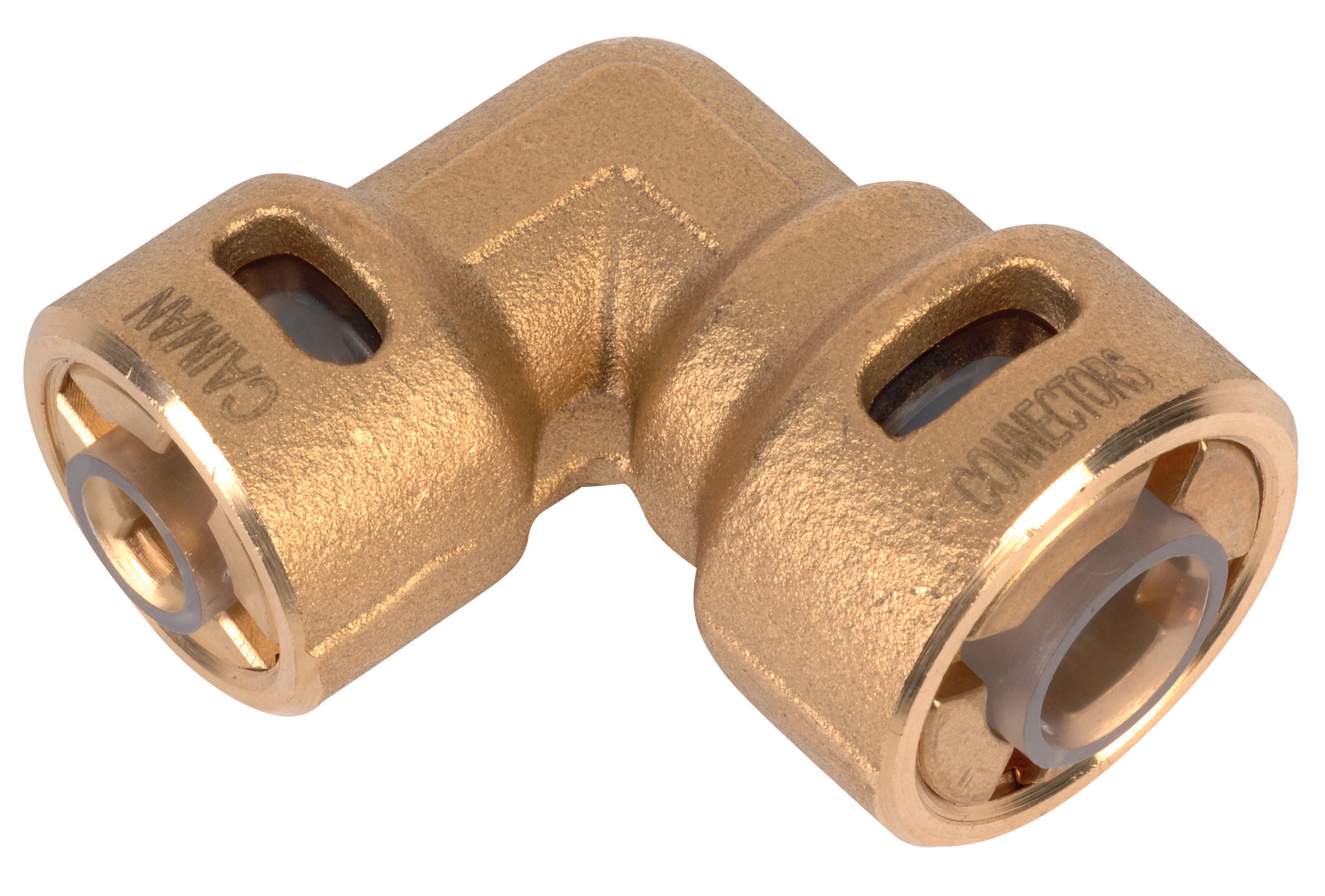
Pressure coupling systems require special attention during inspection. The CBM Quick coupling 90° pressure reduction 1/4*3/8 serves as a critical connection point in many HVAC configurations. During your inspection routine, verify that quick couplings engage and disengage smoothly without resistance or leakage. Any dripping or seepage indicates seal degradation requiring immediate replacement.
Nozzle inspection demands careful observation. Different system configurations require different spray patterns and angles. The CBM Flat jet nozzle HP 1/4"M BSPT index 25 angle 15° produces a specific spray pattern optimized for standard burner operations. Compare the actual spray pattern against manufacturer specifications. Distorted patterns indicate internal wear requiring nozzle replacement.
For systems requiring more aggressive spray angles, the CBM Flat jet nozzle HP 1/4"M BSPT index 50 angle 40° delivers higher atomization angles suited to particular combustion chamber designs. During inspection, verify that the spray originates from the nozzle centerline without deviation. Off-center sprays suggest internal erosion or component misalignment.
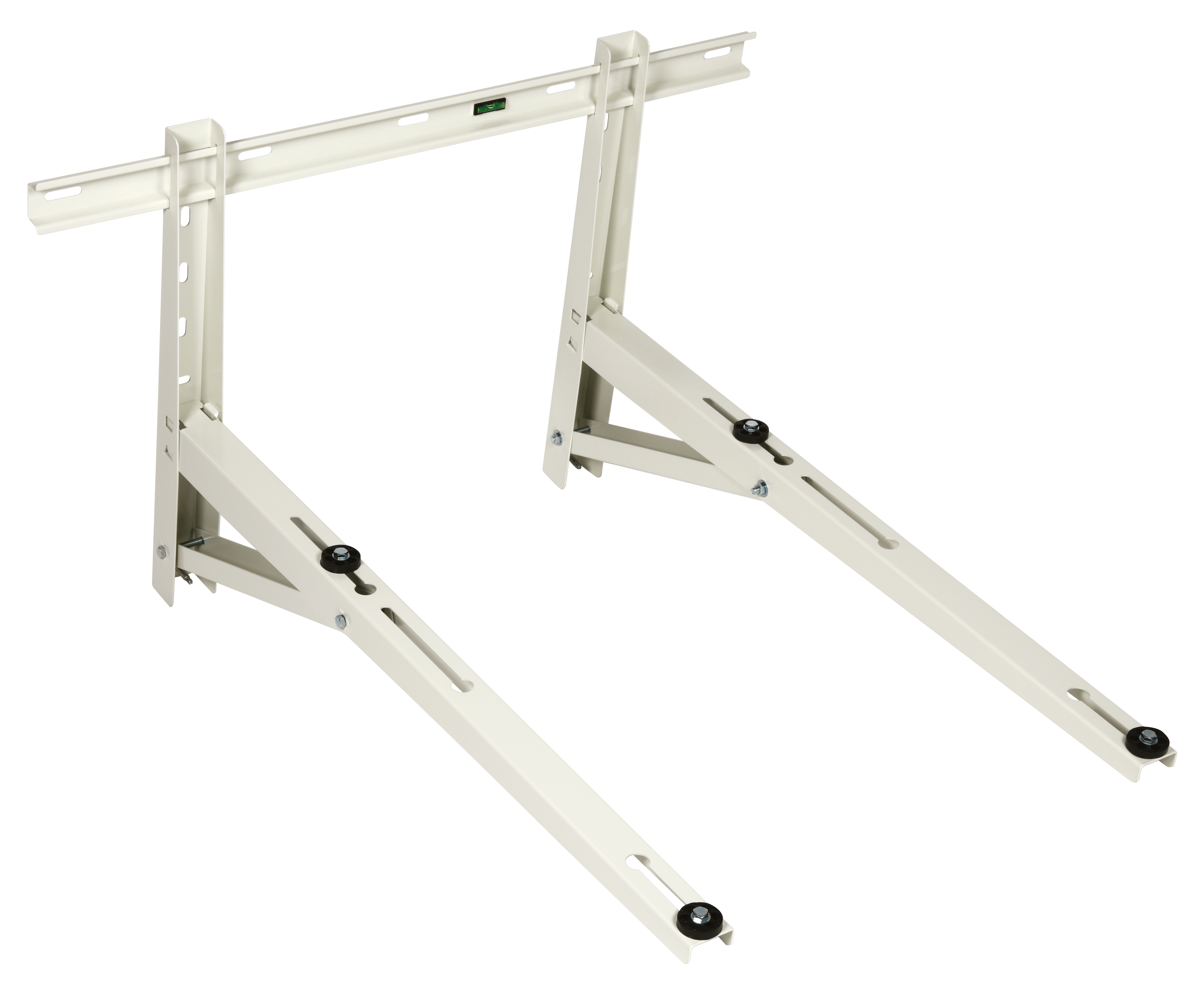
Wall-mounted systems present unique maintenance challenges. The CBM Wall bracket 1000 secures equipment while accommodating vibration and thermal expansion. Inspect bracket fasteners monthly, tightening any loose bolts immediately. Check for rust or corrosion, particularly in coastal or humid environments. Corrosion weakens structural integrity and reduces load-bearing capacity.
Document all inspection findings in a maintenance log. Record pressure readings, nozzle condition assessments, coupling operation quality, and any components showing wear patterns. Over time, these records reveal trending issues—for example, if pressure readings gradually increase, your reduction coupling may be failing internally.
Component Replacement Strategies and Timing
Knowing when to replace components separates excellent contractors from average ones. Rather than replacing components on fixed schedules, develop replacement strategies based on operational hours and inspection findings.
High-wear components requiring regular attention:
- Pressure reduction couplings (typically 12-18 months under continuous operation)
- Flat jet nozzles (6-12 months depending on fluid type and pressure)
- Seals and gaskets (annually or when visible deterioration appears)
- Control valve internals (monitor response time; replace if sluggish)
- Mounting hardware (inspect for rust; replace corroded bolts immediately)
Nozzle replacement represents one of your most frequent maintenance tasks. Different applications demand different nozzle specifications. The CBM Flat jet nozzle HP 1/4"M BSPT index 055 angle 15° suits lower-pressure applications or precise spray requirements. Keep multiple nozzle types in inventory to respond quickly to client needs without extended downtime.
When replacing pressure reduction couplings, verify that system pressure remains stable post-installation. Take pressure readings under operating conditions at various load points. New couplings should maintain pressure within manufacturer specifications—typically ±2% under fluctuating demand.
Establish relationships with your supplier to ensure rapid access to replacement components. 3G Electric's 35-year track record of global distribution means we maintain inventory of critical components and understand the specific needs of HVAC contractors worldwide. We can advise on component specifications and help you develop appropriate stocking levels based on your service territory size and system types.
Preventive Maintenance Programs and Documentation
Successful contractors move beyond reactive maintenance toward preventive programs that clients value and willingly pay for. A structured preventive maintenance agreement generates recurring revenue while building customer loyalty through improved system reliability.
Components of an effective preventive program:
- Quarterly inspection visits minimum (monthly for critical systems)
- Pressure system flushing before seasonal transitions
- Filter element replacement per manufacturer specifications
- Coupling and nozzle assessment with replacement as needed
- Thermal imaging inspections to detect insulation degradation
- Complete system performance documentation
- Client communication summarizing findings and recommendations
Develop standardized service forms that document system condition at each visit. Include photographs of critical components, pressure readings under operational load, nozzle spray pattern observations, and any recommendations for upcoming maintenance. Provide clients with copies—transparency builds trust and demonstrates professional expertise.
Special attention goes to seasonal maintenance. Before heating season begins, conduct comprehensive system inspections. Clean all nozzles, verify coupling engagement, check all fasteners, and test burner ignition sequences. Before cooling season, inspect refrigerant lines, verify pressure regulation systems, and confirm that all control valves respond appropriately.
For systems utilizing the CBM Quick coupling 90° pressure reduction 1/4*3/8, establish a routine where you manually engage and disengage the coupling quarterly. This exercise confirms that the quick-release mechanism operates smoothly and the seal remains intact. Document these checks in your maintenance records.
Train your staff on proper maintenance techniques. Incorrect installation or adjustment of sensitive components like pressure couplings can create expensive problems. Invest in technical training from equipment manufacturers and maintain certifications that demonstrate your expertise to clients.
Troubleshooting Common Issues During Service Calls
During maintenance visits, you'll encounter recurring problems. Developing systematic troubleshooting approaches helps you identify root causes rather than treating symptoms.
Common issues and diagnostic approaches:
- Pressure instability: Check coupling seal condition, verify reduction settings, inspect pressure gauge accuracy
- Spray pattern distortion: Replace nozzle, verify coupling concentricity, inspect fuel supply line cleanliness
- System vibration: Inspect wall bracket fasteners, verify equipment mounting alignment, check for loose hose routing
- Delayed ignition response: Test control valve response time, check fuel supply pressure, inspect nozzle atomization quality
- Corrosion problems: Identify moisture sources, implement protective coatings on brackets and fasteners, increase inspection frequency in humid climates
When replacing components, always verify that replacement parts match original specifications precisely. Pressure couplings come in various reduction ratios—installing the wrong ratio disrupts the entire system balance. Similarly, nozzle spray angles and pressure ratings must align with burner design specifications.
After completing any maintenance procedure, run the system under operational conditions and observe performance for at least 15 minutes. Document that the system reached operating parameters and maintained stability throughout the observation period. This final verification confirms your work and protects you against callbacks.
Building Long-Term Client Relationships Through Maintenance Excellence
Contractors who excel at Maintenance & Service build sustainable businesses based on client loyalty. When HVAC systems run reliably because of your diligent maintenance programs, clients become advocates who recommend your services to other facility managers.
Create maintenance plans that align with client budgets and system requirements. Some clients accept annual service; others require quarterly attention. Document these agreements clearly, including what services are included, when visits occur, and how emergency situations are handled outside scheduled maintenance windows.
As your maintenance business grows, consider implementing scheduling software that tracks service history, reminds you of upcoming appointments, and generates client communications automatically. This professionalism impresses clients and ensures no account falls through the cracks.
Leverage your technical knowledge to add value beyond routine maintenance. When you notice efficiency declining, recommend upgrades or system modifications that improve performance. When components approach end-of-life, propose replacement schedules before failures occur. Clients appreciate contractors who think strategically about their HVAC investments.
With 35+ years of experience supporting HVAC contractors globally, 3G Electric understands the unique challenges of maintaining diverse equipment across different climates and operating conditions. Our extensive inventory, technical expertise, and commitment to reliable supply chains ensure you can execute your maintenance programs without interruption. Partner with us to access the components and support your maintenance business requires to flourish.