HVAC Diagnostic Tools vs. Industrial Pumps: A Technical Comparison for Global Maintenance Operations
Maintenance teams working across global HVAC systems encounter a fundamental challenge: distinguishing between diagnostic measurement infrastructure and active system components that deliver performance. While industrial pumps generate flow and pressure to move refrigerant or water through climate control networks, diagnostic instruments measure and validate system performance in real time. This article provides service engineers with a data-driven framework for understanding how these two equipment categories complement each other in industrial applications, with specific technical emphasis on selection criteria that impact operational reliability and maintenance efficiency across diverse geographic markets including Singapore and beyond.
Understanding the Functional Divide: Diagnostic Instruments vs. Active Pumping Systems
The distinction between diagnostic tools and industrial pumps represents a critical operational boundary in HVAC maintenance. Industrial pumps—such as the Interpump E3B2515I model—function as primary system components, generating hydraulic or refrigerant flow under controlled pressure conditions. These units operate continuously during climate control cycles, managing flow rates measured in liters per minute and maintaining pressures that often exceed 250 bar in specialized applications. Their primary responsibility involves material transport and thermal energy distribution across building systems.
Diagnostic instruments, by contrast, serve as secondary intelligence layers that validate pump performance and system integrity without directly participating in fluid transport. The CBM automatic multimeter MM420 and CBM non-contact voltage detector exemplify this category—they measure electrical characteristics, detect potential hazards, and verify circuit functionality that supports pump operation. Similarly, the CBM Type K thermocouple captures temperature data essential for validating heat transfer efficiency in HVAC loops, yet the thermocouple itself generates no flow or pressure.
This functional hierarchy matters operationally because pump failures directly halt system performance, while diagnostic tool failures delay troubleshooting but do not prevent the system from running. A maintenance team in Singapore managing a large-scale commercial HVAC installation must therefore prioritize pump reliability as a critical infrastructure element while viewing diagnostic tools as force-multipliers that reduce mean time to resolution (MTTR) when problems emerge. Understanding this distinction shapes capital allocation, preventive maintenance scheduling, and spare parts inventory strategy.
Technical Specifications: Comparing Performance Metrics Across Equipment Categories
When evaluating industrial equipment for global operations, specifications reveal how fundamentally different these product categories operate. The Interpump E3B2515I delivers measurable hydraulic output: 15 liters per minute flow capacity, 250 bar nominal pressure (3,625 PSI), and 7.13 kilowatts continuous power demand. These specifications define system boundaries—a facility requiring 20 L/min flow must either parallel multiple pump units or select a different model entirely. Pressure ratings establish maximum operating envelopes that directly impact component material selection throughout the distribution network.
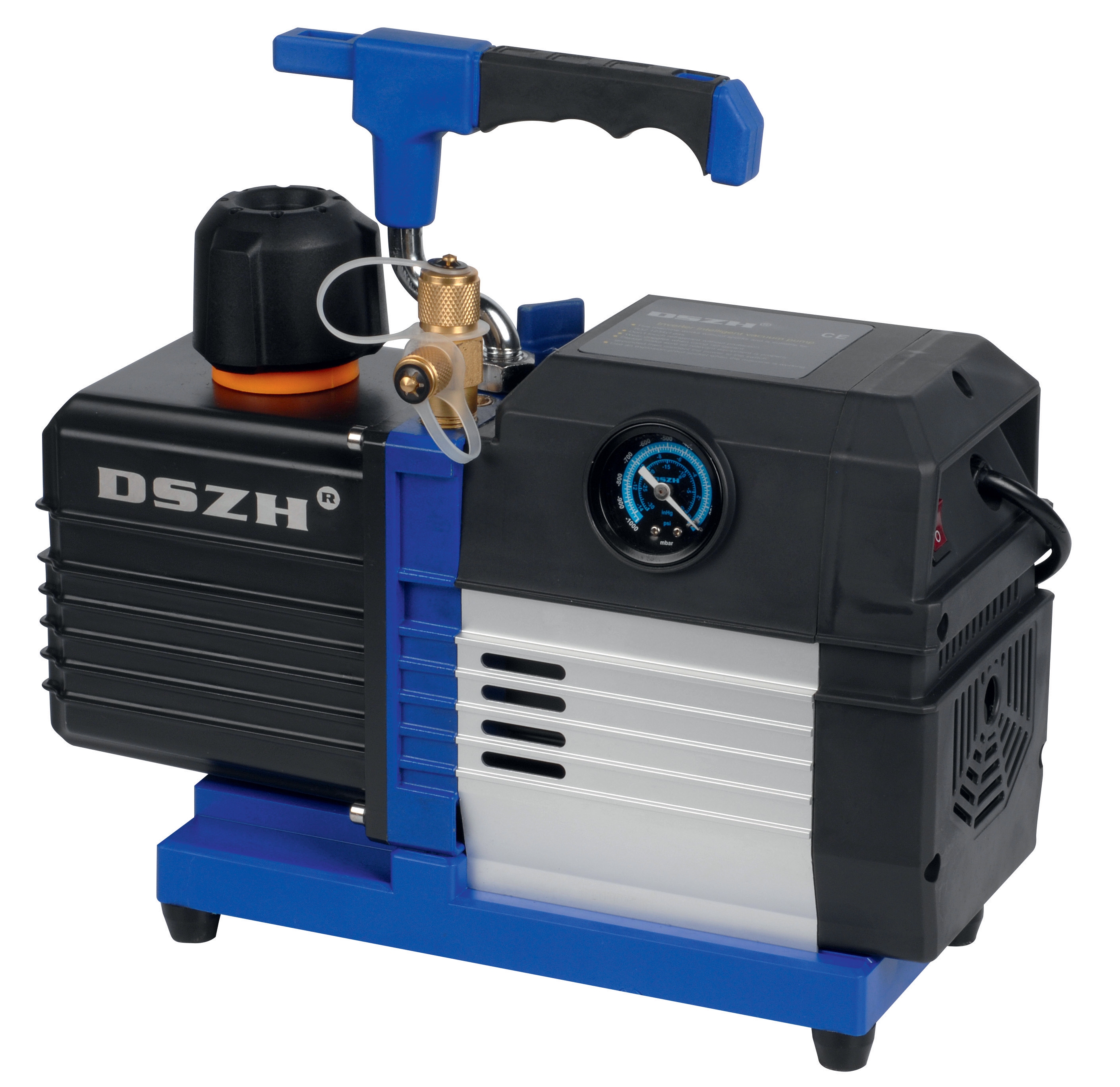
The CBM vacuum pump (71 L/MIN) operates within similar performance logic, though optimized for evacuation rather than circulation. Its 71-liter-per-minute displacement capacity establishes how quickly technicians can achieve target vacuum conditions during system commissioning or refrigerant recovery operations. The dual inlet ports (1/4" and 3/8") represent a flexibility advantage—they accommodate varied equipment configurations across different facility generations without requiring adapter inventory.
Diagnostic instruments report data rather than deliver measurable work. The CBM MM420 multimeter specifies measurement ranges: 400 milliamperes on the low-current scale, 10 amperes on the high scale, with a 9-volt battery supporting field operation. These specifications define confidence limits—a maintenance engineer knows this multimeter cannot reliably measure circuits exceeding 10 amps, so high-power equipment requires alternative instrumentation. The non-contact voltage detector specifies a 6-millimeter maximum detection range, which directly impacts how closely a technician must approach live conductors during safety validation tasks. In global operations where facility standards vary widely, knowing precise detection parameters prevents both missed hazards and unnecessary conservative operating practices.
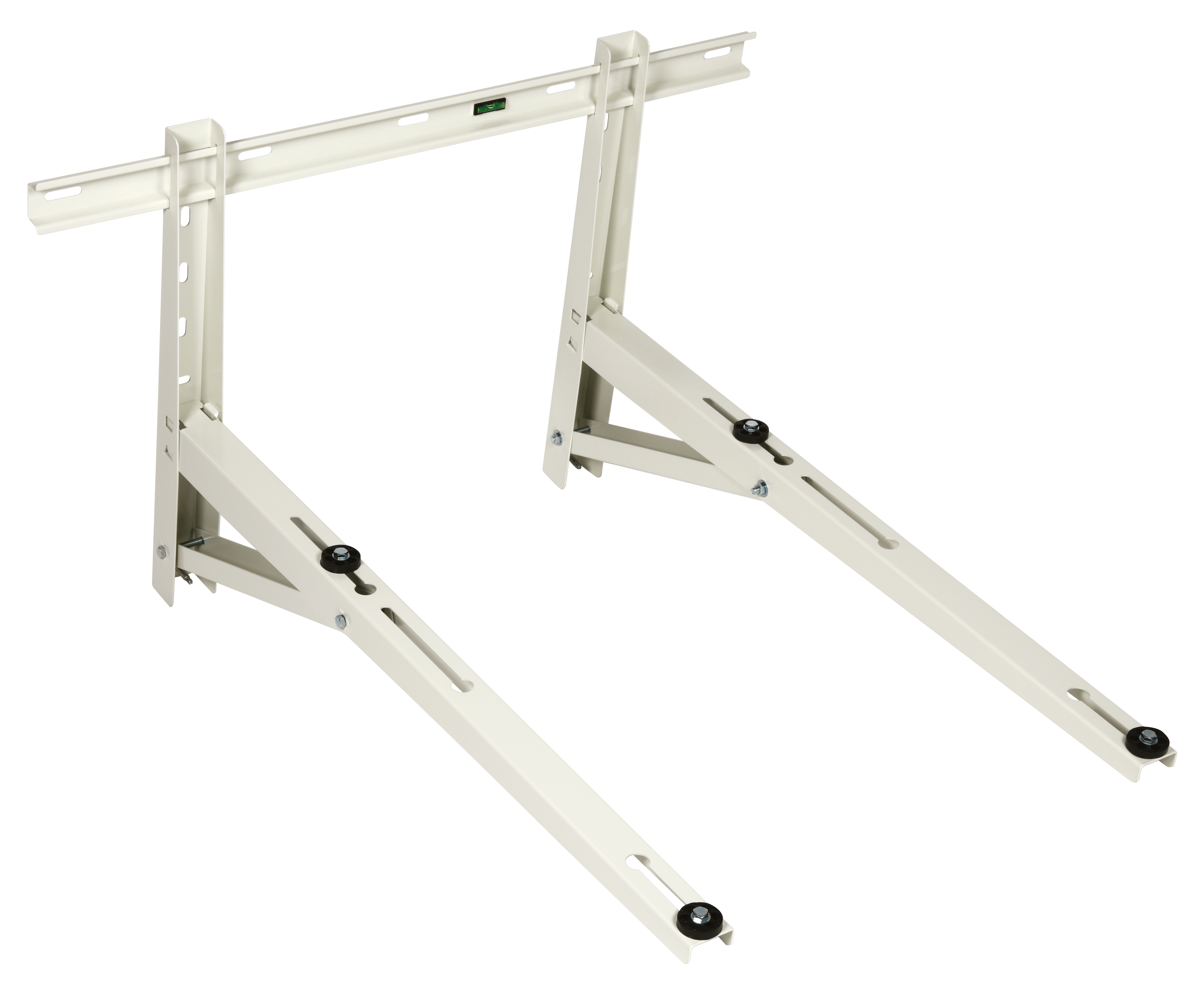
Mechanical support infrastructure—such as the CBM wall bracket 1000 with 200-kilogram load capacity—establishes mounting boundaries for active equipment. A pump assembly weighing 9.5 kilograms can mount safely on standard brackets, but larger integrated systems with gearboxes demand higher-capacity support structures. This specification cascades through installation planning: undersized brackets create vibration transmission into building structures, generating acoustic problems and accelerating component wear through metal fatigue.
Real-World Application Scenarios: Diagnostic-Driven Pump Selection and Troubleshooting
A commercial facility in Singapore managing a large-scale water chiller loop encountered declining thermal efficiency after three years of operation. The maintenance team deployed the CBM MM420 multimeter to verify pump motor electrical input remained within design parameters—confirming power consumption aligned with manufacturer specifications. However, they observed flow rate had declined 15 percent below design conditions, suggesting internal pump degradation.
The diagnostic finding guided a decision: rather than replacing the entire Interpump E3B2515I pump, the team first deployed the CBM vacuum pump to recover refrigerant safely, then performed internal pump inspection. This sequence—instrument-guided, data-validated—prevented unnecessary capital equipment replacement and extended component service life by addressing root causes (bearing wear, impeller erosion) through targeted maintenance.
A second scenario involved a manufacturing facility in a tropical climate where voltage fluctuations commonly damage electronic controls. The non-contact voltage detector identified a grounding fault in the pump motor circuit before catastrophic failure occurred. The early detection prevented both equipment damage and unplanned downtime, demonstrating how diagnostic instruments provide ROI through preventive intelligence rather than reactive equipment replacement.
System commissioning workflows similarly benefit from diagnostic-pump integration. Before accepting new HVAC systems in global facilities, technicians use multimeters and thermocouples to validate performance baselines, then document pump operating parameters (exact pressure readings, actual flow rates) for future comparison. This baseline data enables quantitative degradation detection—when future diagnostics show pressure declining 10 percent below baseline, maintenance teams can schedule replacement before performance falls below acceptable thresholds.
Technical Comparison: Diagnostic Instruments vs. Industrial Pump Systems
| Equipment Category | Primary Function | Key Performance Metric | Power Requirement | Failure Impact |
|---|---|---|---|---|
| Industrial Pump (Interpump E3B2515I) | Active fluid circulation under pressure | 15 L/min @ 250 bar; 7.13 kW continuous | 230/380V three-phase AC | Complete system shutdown; flow stops immediately |
| Vacuum Pump (CBM 71 L/MIN) | System evacuation and refrigerant recovery | 71 L/min displacement; dual inlet ports | AC single-phase (portable unit) | Cannot perform commissioning/maintenance; delayed service |
| Multimeter (CBM MM420) | Electrical measurement and diagnostics | 0–10 A AC/DC; voltage, resistance ranges | 9V battery; portable operation | Diagnostic delay; does not stop system operation |
| Voltage Detector (CBM Non-Contact) | Live conductor detection without contact | 6 mm detection range; dual-range capability | Battery-powered; handheld operation | Safety risk; increases electrical hazard exposure |
| Wall Support (CBM 1000 Bracket) | Mechanical mounting infrastructure | 200 kg load capacity; 1000 mm span | None (passive structure) | Equipment vibration; accelerated bearing wear |
This comparison reveals a critical operational truth: pump failures generate immediate, visible system consequences, while diagnostic tool failures create hidden risk through delayed problem identification. A maintenance strategy that invests heavily in pump redundancy while neglecting diagnostic instrumentation leaves teams reactive rather than predictive. Conversely, world-class diagnostic capability cannot compensate for undersized or degraded pump hardware. Optimal facility management requires balanced investment across both categories, with diagnostic sophistication matching equipment complexity and criticality.
Integration Framework: Building Diagnostic-Aware Maintenance Workflows
Global HVAC operations succeed when diagnostic instruments directly inform pump selection and replacement decisions. Before specifying an industrial pump for new or retrofit applications, maintenance teams should document baseline operational parameters using multimeters (electrical load profiles), thermocouples (thermal gradients), and pressure measurement instruments (actual system head requirements). These baselines establish performance expectations against which future degradation can be quantified objectively.
The industrial pump category encompasses diverse models serving different pressure and flow regimes; selecting the correct model requires understanding actual system demands rather than oversizing conservatively. A diagnostic baseline showing system head demand of 180 bar justifies selecting a 250-bar pump with safety margin, whereas guessing 300 bar increases equipment cost, energy consumption, and component stress without operational benefit.
Similarly, HVAC measurement tools should be maintained as calibrated assets in the maintenance inventory, with staff trained on proper measurement technique and specification interpretation. A multimeter providing 10-amp capacity serves routine diagnostics, but specialized high-current measurement equipment becomes necessary for motor analysis on large industrial systems. Understanding these boundaries prevents false negatives (missed problems from undersized instrumentation) and unnecessary equipment procurement.
For facilities managing multiple geographic locations, vacuum equipment specifications become particularly critical. The dual inlet ports on the CBM 71 L/MIN vacuum pump accommodate both 1/4" and 3/8" connections, reducing the need for adapter inventory across global sites. This standardization simplifies procurement, training, and spare parts management while ensuring consistent commissioning quality across diverse facility generations and equipment vendors.
Geographic and Climate Considerations for Global Maintenance Teams
Maintenance operations in tropical climates such as Singapore experience unique challenges that diagnostic instrumentation helps address. High ambient humidity increases electrical fault risk; the non-contact voltage detector becomes essential for safely verifying circuit integrity before technicians approach equipment. Elevated temperatures accelerate bearing degradation in pumps; temperature-based diagnostics using thermocouples provide early warning when bearing performance begins declining, allowing scheduled replacement before catastrophic failure.
Industrial facilities across different global regions face varying regulatory requirements for diagnostic documentation and equipment certification. Maintenance teams equipped with multimeters and thermocouple systems can generate quantitative performance records demonstrating compliance with energy efficiency standards and environmental regulations. The measurement instrumentation collection provides portable solutions suitable for rapid deployment across multiple facilities.
Selection Criteria Summary for Maintenance Teams
Choose pump systems based on: Actual system flow requirements (not estimated), pressure rating matching calculated system head, power availability (single-phase vs. three-phase), and footprint constraints including mounting bracket capacity. The Interpump E3B2515I exemplifies industrial-grade performance specifications that support critical HVAC applications.
Choose diagnostic instruments based on: Measurement range coverage (ensure multimeter amps exceed actual circuit load), detection reliability (verify voltage detector sensitivity matches facility voltage standards), and portability for multi-facility operations. The CBM MM420 multimeter and non-contact detector address core diagnostic needs across most commercial HVAC systems.
Choose mechanical infrastructure based on: Equipment weight plus margin for vibration and dynamic loading, span requirements determining bracket length selection, and corrosion environment suitability. Steel brackets with epoxy finish, such as the CBM wall bracket 1000, provide durable support across diverse climate zones.
Conclusion and Recommended Next Steps
Industrial pump selection and diagnostic instrumentation represent interdependent decisions rather than independent procurement choices. Maintenance teams achieving operational excellence across global facilities recognize that active equipment (pumps) and measurement infrastructure (diagnostic tools) create a complete system intelligence framework. A pump without diagnostic oversight deteriorates invisibly until catastrophic failure; diagnostic capability without robust pump hardware merely documents inevitable collapse.
The most effective maintenance strategies employ diagnostic baselines to guide pump selection, validate commissioning against documented standards, and detect degradation before performance falls below acceptable thresholds. For facility managers in Singapore and global markets evaluating HVAC system reliability, this integrated approach delivers measurable improvements in equipment longevity, energy efficiency, and unplanned downtime reduction.
Ready to optimize your HVAC maintenance strategy with integrated diagnostic and pump systems? Contact 3G Electric's technical team to discuss your facility's specific requirements. Our distributors have served global customers since 1990 with expert guidance on equipment selection, system integration, and commissioning support. Whether you're managing a single facility or coordinating maintenance across multiple geographic locations, our team can help you develop diagnostic baselines and specify pump systems that deliver reliable performance while minimizing lifecycle costs. Reach out today for a technical consultation with our service engineers.