Gas Control Systems vs. Oil Burner Controls: A Technical Comparison for Singapore Industrial Operations
Industrial burner control systems form the backbone of heating, steam generation, and process equipment across Singapore's manufacturing, food processing, and facilities management sectors. However, many facility managers and engineers face a critical decision: should their installation use gas burner control systems or oil burner controls? While both serve the same fundamental purpose—safe, efficient ignition and flame monitoring—they operate on fundamentally different principles and carry distinct technical, operational, and safety implications. This article provides a data-driven comparison of gas control systems and oil burner controls, examining their technical architecture, flame detection methodologies, performance characteristics, and suitability for various industrial applications in Singapore.
Understanding the Core Technical Differences Between Gas and Oil Burner Control Systems
Gas burner control systems and oil burner controls differ fundamentally in how they manage fuel delivery, ignition, and flame supervision. These differences stem from the distinct chemical and physical properties of gaseous versus liquid fuels, which demand entirely separate control architectures.
Gas Control Systems Architecture: Gas burner controls are designed specifically for atmospheric and fan-assisted burners operating on gaseous fuels (natural gas, LPG, or biogas). The CBM Relay SM 592.2 and CBM Relay VM 41 exemplify modern electronic gas control systems from the EUROBOX and EUROGAS series respectively. These controls integrate pressure regulation, fuel valve sequencing, and thermal flame supervision into a unified electronic module. Gas systems typically feature non-volatile lock-out functions, meaning that if flame is lost or safety parameters are violated, manual reset is required before the system can restart—a critical safety feature for unattended operation.
Oil Burner Controls Architecture: Oil burner control systems operate on entirely different principles. The CBM Relay GR1 10.10 represents the EURO-OIL control series, specifically engineered for oil burners in non-permanent operation. Oil controls must account for the higher ignition temperatures required for fuel oil, the complexity of atomization and combustion dynamics, and the critical need for rapid flame detection because oil burner flame failures can escalate quickly if undetected. These systems typically incorporate advanced flame sensors, stricter response time requirements, and more complex pre-purge and post-purge sequences.
The fundamental distinction: gas systems manage pressure-based fuel delivery with simpler combustion dynamics, while oil systems must manage atomized fuel injection with more complex ignition and flame stability challenges. This architectural difference cascades through every component selection and operational parameter.
Flame Detection Technologies: Gas vs. Oil Control Methodologies
Perhaps the most significant technical difference between gas and oil burner controls lies in their flame detection strategies. Because flame characteristics differ substantially between gaseous and liquid fuel combustion, the sensor technologies and detection algorithms must be fundamentally different.
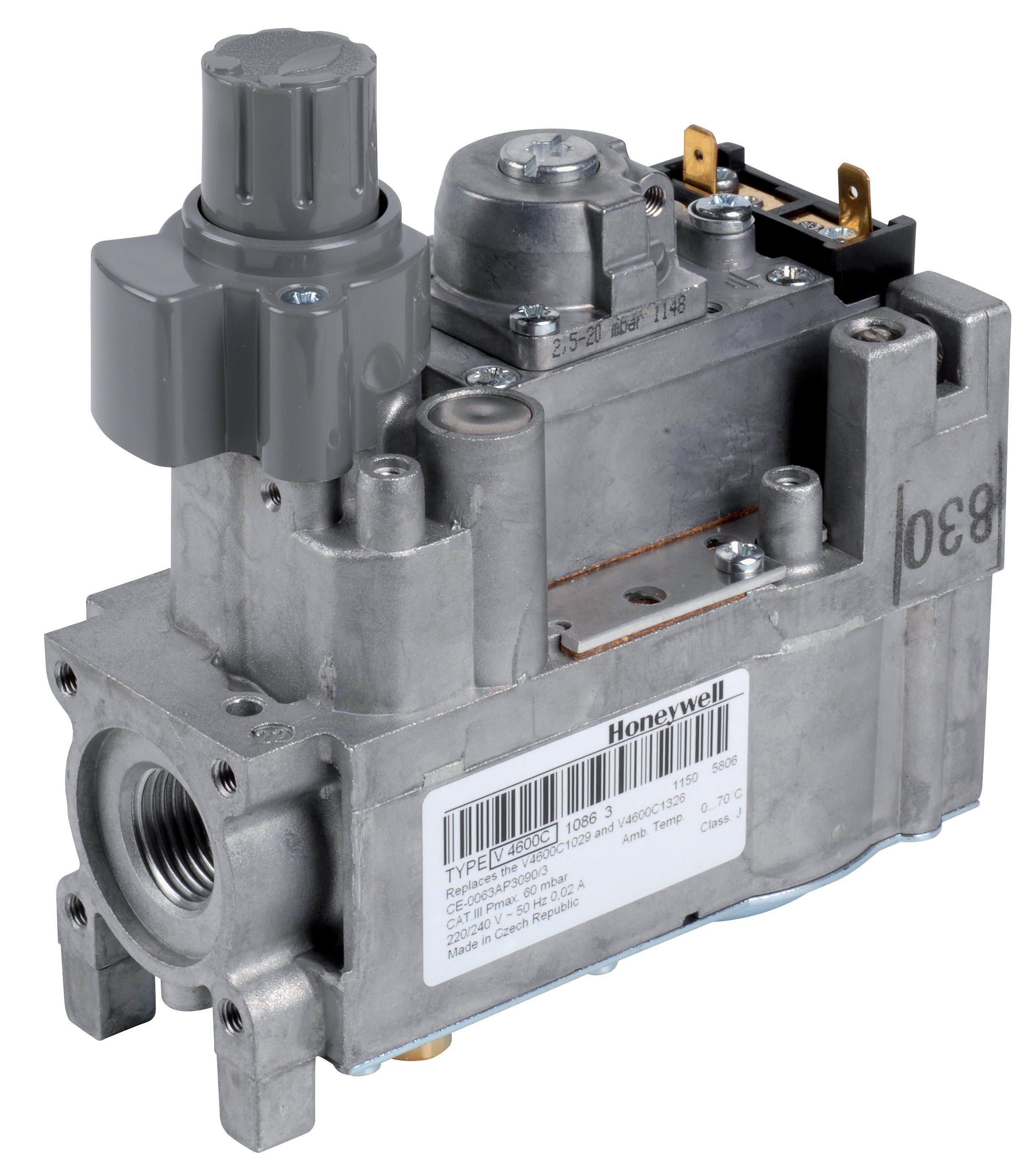
Gas Burner Flame Detection: Gas burner controls commonly employ thermoelectric flame supervision—a method that detects the presence of flame through temperature sensing rather than light sensing. The CBM Minisit gas block integrates a thermoelectric flame supervision device with pressure regulation and temperature control, making it ideal for stoves, boilers, catering equipment, and room heaters. This approach is robust, economical, and reliable for gas applications because the flame temperature is stable and predictable. Thermoelectric sensors generate a small DC voltage proportional to the temperature differential they experience; gas controls monitor this voltage continuously, and if it drops below threshold, they trigger a lock-out. Response times for gas thermoelectric supervision typically range from 2–5 seconds.
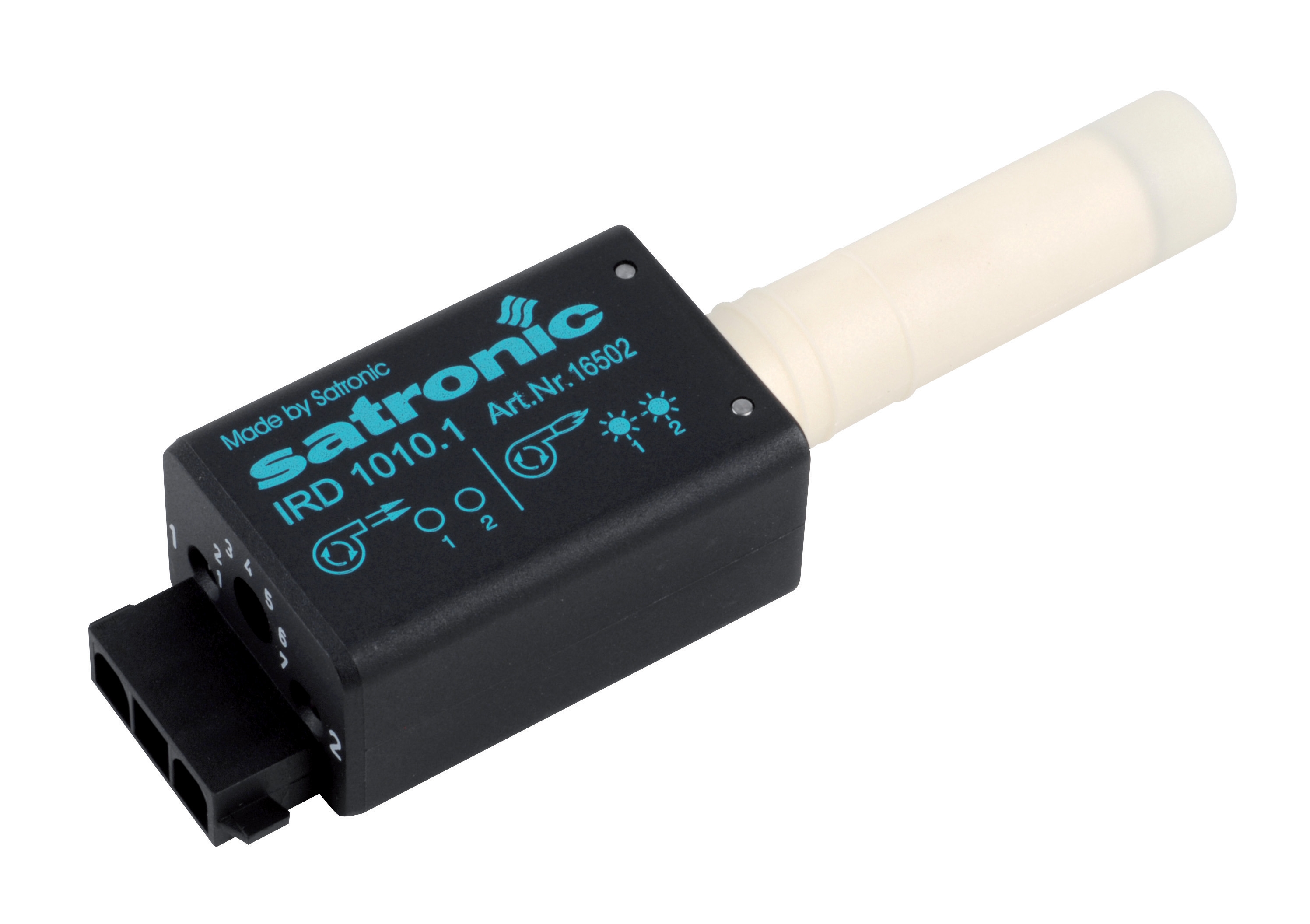
Oil Burner Flame Detection: Oil burner controls predominantly use photoelectric or infrared flame detection because oil flames produce distinct light signatures that can be rapidly and reliably detected. The CBM IRD 1010 blue cell is an infrared flame detector specifically designed for oil burners, detecting both blue and yellow flame signatures. Similarly, the CBM Cell FC11 (replaced by the updated FT11-V model) uses phototransistor technology to sense flame light in compliance with RoHS 2011/65/EU directives. Oil burner flame detection must be faster and more sensitive than gas detection because oil atomization creates complex combustion dynamics where flame can be lost rapidly. Typical response times for oil infrared or photoelectric detection range from 0.5–2 seconds—significantly faster than gas thermoelectric methods. This speed difference is not incidental; it reflects the genuine safety requirements of oil burner operation in Singapore's industrial environment.
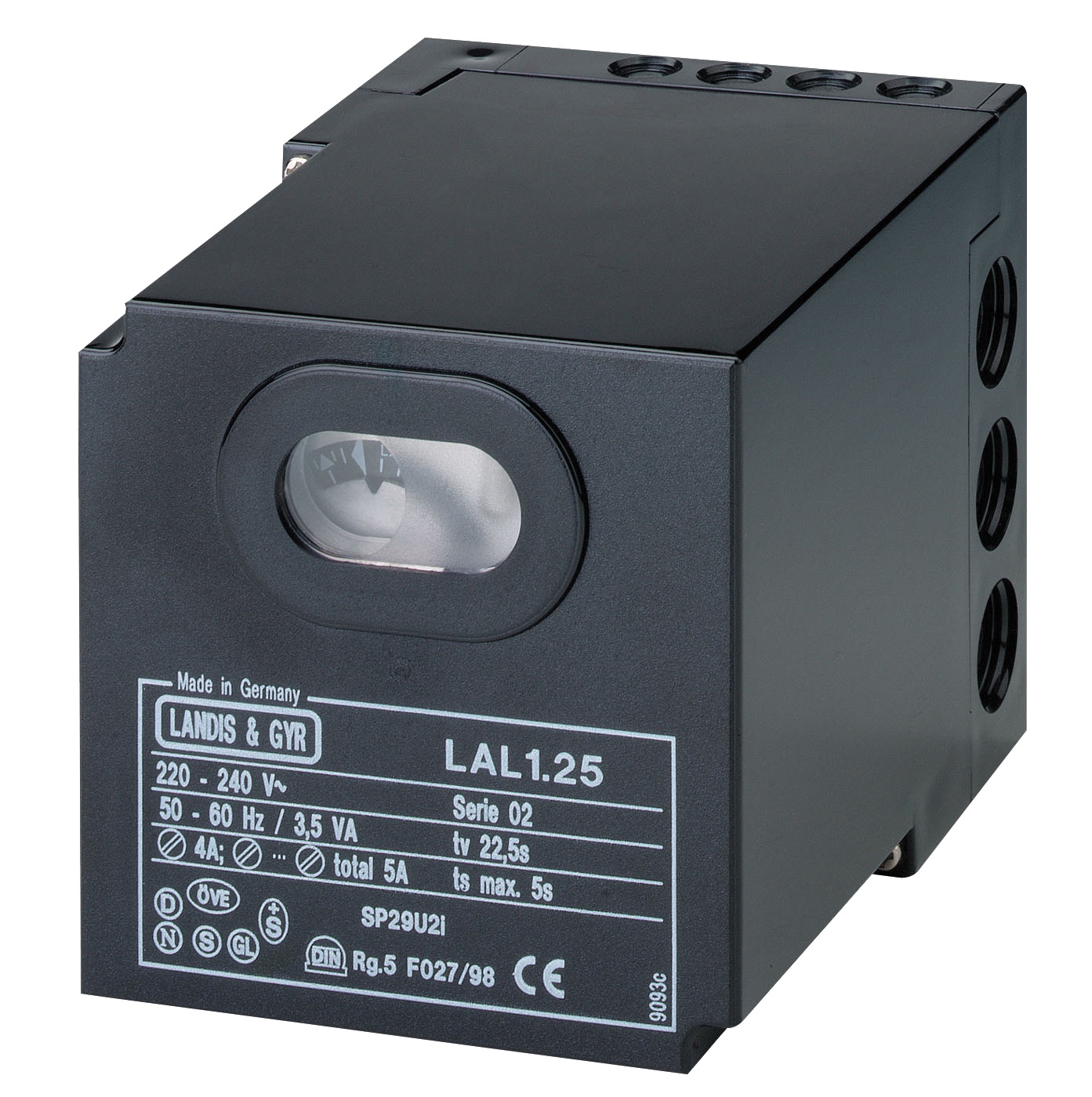
Safety Relay Integration: Both gas and oil systems integrate their flame detection with electronic safety relays. The CBM Relay LAL 2.14 is a specialized safety control for oil burners, available with or without air pressure monitoring and featuring controlled air damper command—capabilities that reflect the greater complexity of oil combustion management.
Real-World Application Scenarios in Singapore Industrial Operations
Singapore's diverse industrial landscape—spanning food processing, pharmaceutical manufacturing, hospitality, and facilities management—creates distinct application contexts where the choice between gas and oil controls becomes critical.
Food Processing and Catering Equipment: Smaller food processing operations, commercial kitchens, and catering facilities typically favor gas burner controls due to lower fuel costs, cleaner combustion, and simpler maintenance. Gas systems like the CBM Minisit, which integrates pressure regulation and thermoelectric flame supervision, fit perfectly into compact equipment where space and simplicity are priorities. Response times of 2–5 seconds are more than adequate for these applications, where operators are typically present and can respond if issues arise.
Steam Generation and Industrial Heating: Larger industrial boilers and steam generation plants in Singapore often operate on heavy fuel oil, particularly in manufacturing and utilities sectors. These applications demand the faster flame detection and stricter safety parameters that oil controls provide. The CBM Relay GR1 10.10, suitable for monobloc oil burners, power washers, warm air generators, steam boilers, and kilns, exemplifies the control specification required for unattended or continuously operated oil burner installations. The faster response times (0.5–2 seconds) and infrared flame detection ensure that any combustion anomaly is detected and addressed before it escalates into a dangerous condition.
Hybrid and Transition Scenarios: Some industrial facilities in Singapore operate with multiple fuel sources or are transitioning from oil to gas. In such cases, understanding the distinct technical requirements of each control type becomes essential for safe switchovers and ensuring that replacement controls are genuinely compatible with the burner hardware and operational expectations.
Technical Comparison: Gas vs. Oil Burner Controls
| Parameter | Gas Burner Controls | Oil Burner Controls |
|---|---|---|
| Typical Flame Detection Method | Thermoelectric (temperature-based) | Photoelectric or Infrared (light-based) |
| Flame Detection Response Time | 2–5 seconds | 0.5–2 seconds |
| Fuel Delivery System | Pressure-regulated gas valve sequencing | Atomized fuel injection with ignition transformer |
| Ignition Energy Requirement | Lower (simple spark or pilot light) | Higher (requires ignition transformer and electrodes) |
| Combustion Stability | Generally stable; predictable flame characteristics | Complex dynamics; requires continuous active monitoring |
| Pre-Purge Duration | Typically 3–10 seconds | Typically 10–30 seconds (more stringent safety) |
| Maintenance Complexity | Lower; thermoelectric sensors are robust and long-lived | Higher; photoelectric/infrared sensors require regular lens cleaning and calibration |
| Typical Applications | Boilers, stoves, catering equipment, room heaters, forced draught burners | Industrial boilers, steam generators, power washers, kilns, warm air generators |
| Lock-Out Mechanism | Non-volatile; manual reset required after safety shutdown | Non-volatile; manual reset required after safety shutdown |
| Fuel Cost (Singapore Context) | Lower (natural gas or LPG typically cheaper per BTU) | Higher (heavy fuel oil typically more expensive per BTU) |
This comparison table illustrates that the choice between gas and oil control systems involves trade-offs between cost, complexity, response speed, and maintenance requirements. Gas controls offer simplicity and economy, making them ideal for smaller installations and applications with active operator oversight. Oil controls demand greater technical sophistication and faster response capabilities, justified by the inherent risks of atomized fuel combustion in industrial settings.
Selecting the Right Control System for Your Singapore Industrial Application
The decision between gas and oil burner controls should be driven by several key factors: the fuel type already in use or specified by your equipment manufacturer, the size and criticality of the installation, the operational environment (attended vs. unattended), and the response speed requirements. For facilities in Singapore managing multiple burner types, 3G Electric's comprehensive product range—including the full Controls & Safety collection—provides access to both gas and oil control solutions from trusted manufacturers, ensuring that your facility has exactly the right technology for each application.
Additionally, understanding these technical distinctions helps with maintenance planning. Gas control systems with thermoelectric flame supervision are generally more forgiving and require less frequent recalibration, while oil burner controls with photoelectric or infrared sensors benefit from scheduled lens cleaning and periodic testing to ensure sensor sensitivity remains within specification.
Whether you're upgrading an existing installation, specifying controls for new equipment, or troubleshooting performance issues with your current burner system, the distinction between gas and oil control architectures is fundamental to making informed decisions.
Partner with 3G Electric for Gas and Oil Burner Control Solutions
Since 1990, 3G Electric has been Singapore's trusted experienced industrial equipment distributor, serving manufacturing plants, facilities managers, and engineering teams across diverse sectors. Our Controls & Safety product portfolio spans gas burner controls, oil burner controls, flame detection sensors, safety relays, and integrated multifunctional gas blocks—all sourced from globally recognized manufacturers and backed by technical expertise.
If you're uncertain whether your facility requires gas or oil burner controls, need to specify replacement controls for existing equipment, or want to discuss the technical and operational trade-offs between control types, our team is ready to help. Contact 3G Electric today to discuss your burner control requirements and ensure your industrial heating and combustion systems operate safely and efficiently across Singapore's demanding industrial environment.