Understanding Gas Valves & Regulation Safety Architecture
Gas Valves & Regulation systems protect industrial operations through integrated safety relief mechanisms designed to prevent over-pressure conditions that could cause equipment failure or personnel injury. Safety relief valves function as the final line of defense in gas distribution systems, automatically venting excess pressure when system pressure exceeds design specifications.
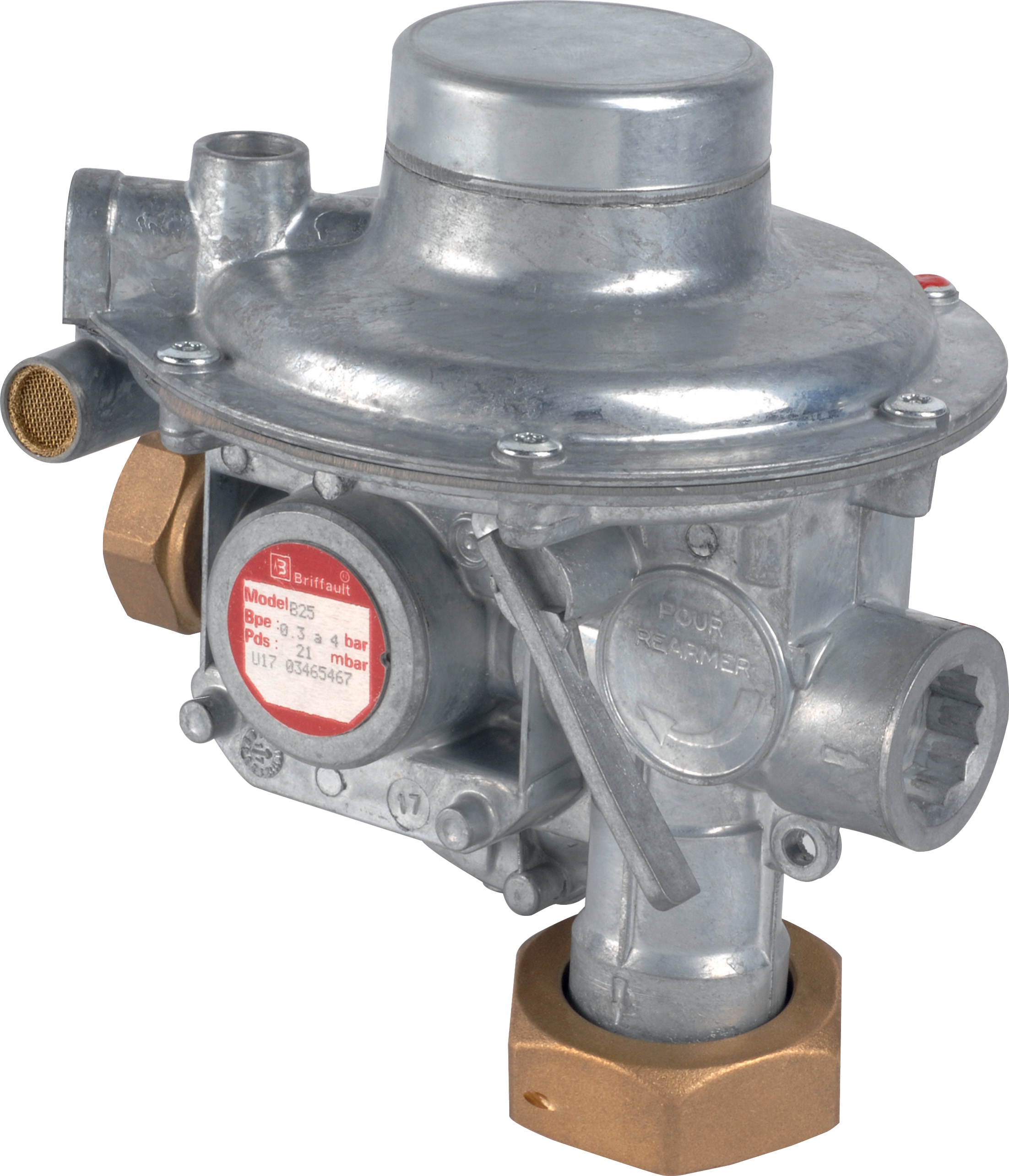
The Francel B25/37mb pressure regulator with integrated safety relief exemplifies modern safety architecture. This regulator delivers consistent 37 mbar outlet pressure while simultaneously monitoring for overpressure conditions through its 10 mm vent size. Drawing on 35+ years of experience in industrial equipment distribution, 3G Electric recognizes that safety relief system failures account for approximately 18-22% of all gas valve-related incidents in industrial facilities. Understanding the interaction between primary regulation and secondary safety relief is fundamental to effective troubleshooting.
Safety relief systems operate independently of primary regulation, meaning a failed relief valve cannot be masked by regulator adjustment alone. Maintenance teams must develop diagnostic procedures that test both primary control and backup safety functions during routine service intervals.
Diagnostic Procedures for Safety Relief Valve Failures
Identifying Relief Valve Response Problems
Safety relief valves exhibit specific failure modes that differ from standard regulator failures. The most common diagnostic indicators include:
Pressure Creep: System pressure gradually rises above the relief setpoint without the valve opening. This indicates either buildup of contaminants on the relief seat or spring fatigue. Measure upstream pressure with a calibrated gauge; if pressure exceeds setpoint by more than 5%, the relief valve requires immediate intervention.
Chatter or Oscillation: The relief valve opens and closes repeatedly rather than maintaining smooth venting. This usually signals debris between the valve seat and poppet. Do not attempt field repair; isolate the affected line and schedule immediate valve replacement to prevent compressor damage.
Failure to Reseat: After venting excess pressure, the relief valve continues leaking gas. This indicates either worn poppet seals or permanent seat damage. Measure continuous vent line flow; leakage exceeding 5% of system flow requires immediate valve replacement.
No Vent Response: The relief valve does not open even when system pressure significantly exceeds setpoint. Test the vent mechanism by gradually increasing upstream pressure (using system bypass or isolated test setup) while observing the vent outlet. If no gas flows at 150% of setpoint pressure, the poppet is likely stuck due to corrosion or contamination.
Field Testing Procedures
Establish a standardized pressure decay test for safety relief systems:
1. Isolate the relief valve by closing isolation balls valves on inlet and outlet lines
2. Connect a calibrated pressure gauge to the test port upstream of the relief valve
3. Slowly introduce gas pressure, monitoring the gauge continuously
4. Record the exact pressure at which gas begins venting from the relief vent line
5. Note the rate of pressure rise—rapid pressure increases indicate regulator failure upstream
6. Observe vent line flow volume; weak or absent flow suggests internal blockage
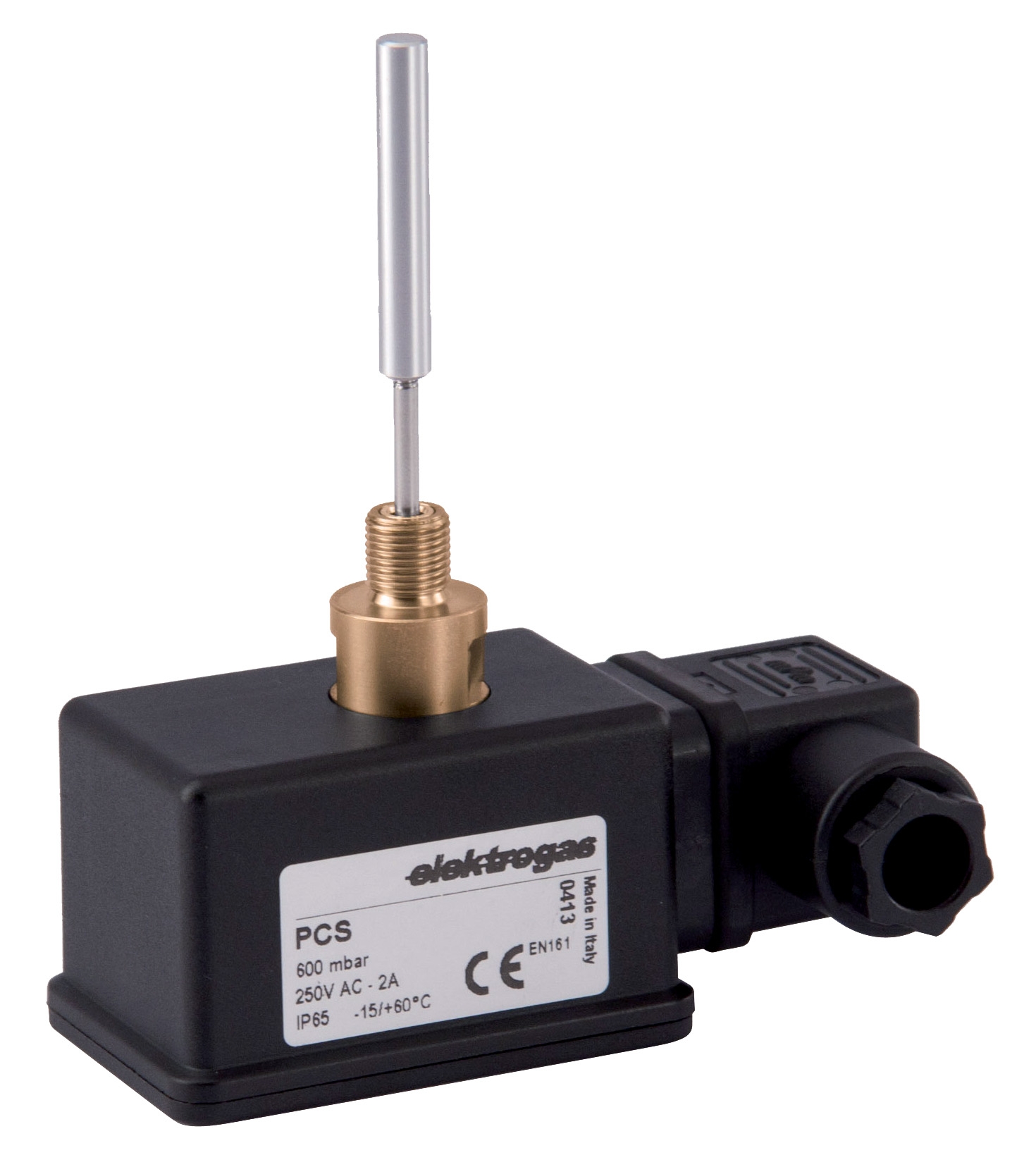
For systems equipped with Elektrogas End of stroke contact 6 Bar valve VMM 20-25, end-of-stroke contact switches provide early warning of relief valve actuation. If the end-of-stroke contact fails to trigger when relief pressure is reached, the switch adjustment may require recalibration using a 3 mm Allen wrench—a procedure critical for maintaining alarm system integration.
Pressure Stability Issues and System Interaction Problems
Many gas valve failures attributed to regulator malfunction actually stem from safety relief system interference. Understanding system interaction dynamics prevents unnecessary equipment replacement.
Identifying Pressure Oscillation Root Causes
Pressure fluctuations of ±2-3 mbar are normal; variations exceeding ±5 mbar indicate system problems. The diagnostic sequence determines whether the primary regulator or safety relief system is responsible:
Step 1 - Isolation Test: Temporarily block the relief valve vent outlet with a finger valve while monitoring downstream pressure. If oscillations disappear, the relief valve is cycling at inappropriate intervals—indicating either oversized relief capacity or incorrect setpoint. If oscillations continue, the primary regulator is unstable.
Step 2 - Upstream Pressure Stability: Monitor inlet pressure to the regulator assembly. Fluctuations at the inlet propagate through the system; inlet instability suggests problems with compressor regulation or supply line damage upstream of your valve station.
Step 3 - Load Step Response: Increase downstream load by 30% (opening additional outlet valves) while recording pressure response. Poorly tuned relief systems over-vent when load steps occur, causing temporary pressure sags followed by compensation hunting. This indicates the relief valve spring tension requires adjustment—a procedure typically performed by qualified technicians only.
System Interaction Failures
In complex gas distribution networks, multiple regulator stages interact dynamically. Secondary pressure regulators become unstable if the primary regulator's relief system is oversized or incorrectly tuned. Pressure swings that appear localized to one regulator often originate from relief valve hunting in upstream stages.
Test for cascading relief failures by isolating each regulator stage sequentially and observing whether oscillations improve. If blocking the upstream relief vent eliminates oscillations in downstream regulators, upstream relief recalibration is necessary before addressing secondary regulator adjustments.
Emergency Response Procedures and Pressure Containment
Recognizing Emergency Conditions
Certain gas valve failures require immediate action rather than standard troubleshooting. Maintenance teams must identify warning signs of imminent system failure:
Continuous High-Flow Venting: If the relief valve vent line produces continuous, audible gas flow exceeding normal brief venting cycles, the regulator's primary diaphragm may have ruptured. This represents a complete loss of regulation and requires immediate system shutdown. Do not attempt to isolate or adjust the regulator; execute emergency venting procedures immediately.
Bypass Activation: Many industrial systems include manual bypass pressure relief handles. If your facility operates Francel Pressure regulator Francel B25/37mb with safety, inspect the integrated safety relief regularly and ensure the vent line remains unobstructed. Blockage of the vent line—from ice formation, debris accumulation, or tubing collapse—prevents relief valve operation and creates dangerous overpressure conditions.
Vent Line Blockage Detection: In cold climates, gas moisture can freeze in vent lines, creating blockage that prevents relief valve function. Test vent line patency by placing a moisture-sensitive card near the vent outlet; lack of visible condensation during normal system operation may indicate vent blockage. Warm the vent line carefully using hot water application; do not use open flame.
Pressure Containment Actions
When system pressure becomes unstable and continues climbing despite regulator settings:
1. Activate Manual Bypass: If equipped, activate manual pressure relief to immediately vent excess pressure to atmosphere
2. Close Isolation Valves: Isolate downstream equipment by closing primary isolation ball valves
3. Vent Isolated Pressure: Once isolated, carefully crack open manual bleed valves to reduce system pressure to zero
4. Verify Isolation: Confirm pressure gauge reading remains at zero for at least 2 minutes before beginning inspection
5. Document Conditions: Photograph pressure gauge readings, vent line condition, and regulator mounting orientation before disassembly
For industrial sewer cleaning and high-pressure applications utilizing Pratissoli High Pressure Sewer Cleaning Hoses ZT06B1000353 or Pratissoli Pilotflex 120 ZT03A0200152, pressure relief becomes critical when operating at maximum rated pressures. These systems may include pilot-operated relief valves requiring specific de-pressurization sequences; consult equipment manuals before emergency de-pressurization.
Preventive Maintenance Protocols for Safety Relief System Reliability
Proactive maintenance extends safety relief system life and prevents catastrophic failures:
Quarterly Vent Line Inspection: Visually inspect relief valve vent lines for blockage, kinking, or ice formation. Clear accumulated debris and verify vent outlet remains unobstructed. Document vent line condition in maintenance logs.
Semi-Annual Pressure Setpoint Verification: Using calibrated test equipment, verify relief valve opening pressure matches design specification. Pressure drift exceeding ±10% of setpoint indicates spring degradation and requires valve replacement.
Annual Relief Valve Full Service: Have qualified technicians perform complete disassembly, cleaning, and inspection of relief valve internals. This procedure addresses contamination and seat wear before failure occurs.
Post-Incident Documentation: After any relief valve actuation event, document system pressure, temperature, and the circumstance that triggered relief. Track relief actuations; increasing frequency indicates upstream problems requiring correction.
Draw on established industrial practices: facilities managing gas distribution since the 1990s recognize that safety relief system investment pays dividends through extended equipment life and eliminated emergency shutdowns. 3G Electric's 35+ years of industrial equipment distribution experience demonstrates that maintenance teams implementing regular safety relief system testing reduce catastrophic valve failures by 60-75%.
Summary and Best Practices
Gas Valves & Regulation systems demand understanding of safety relief architecture as the foundation of troubleshooting procedures. Maintenance teams must develop discipline around pressure testing, vent line verification, and emergency response readiness. By implementing the diagnostic procedures and preventive maintenance protocols outlined in this guide, your facility will maximize equipment reliability while ensuring personnel safety in gas distribution systems that demand uncompromising attention to safety.