Understanding Gas Valve Reliability in Singapore Industrial Environments
Gas valve failures represent one of the most costly operational disruptions in Singapore's manufacturing, food processing, and chemical sectors. As a distributor serving industrial operations since 1990, 3G Electric has documented that approximately 60-70% of unplanned gas system shutdowns stem from preventable valve failures rather than catastrophic equipment breakdown.
Gas valves operate under extreme conditions: thermal cycling, pressure fluctuations, contaminant exposure, and constant mechanical stress. Unlike rotating equipment with predictable degradation curves, valve failures often occur suddenly, leaving plant managers with minimal warning. The challenge is compounded in Singapore's humid tropical environment, where moisture ingress and corrosion accelerate component degradation.
Reliability engineering approaches convert this unpredictability into managed risk. By understanding failure mechanisms specific to gas regulation systems, you can implement preventive strategies that reduce unplanned downtime by 40-50% while extending component service life.
Failure Mode Analysis: Common Gas Valve Degradation Patterns
Pressure Seal Degradation
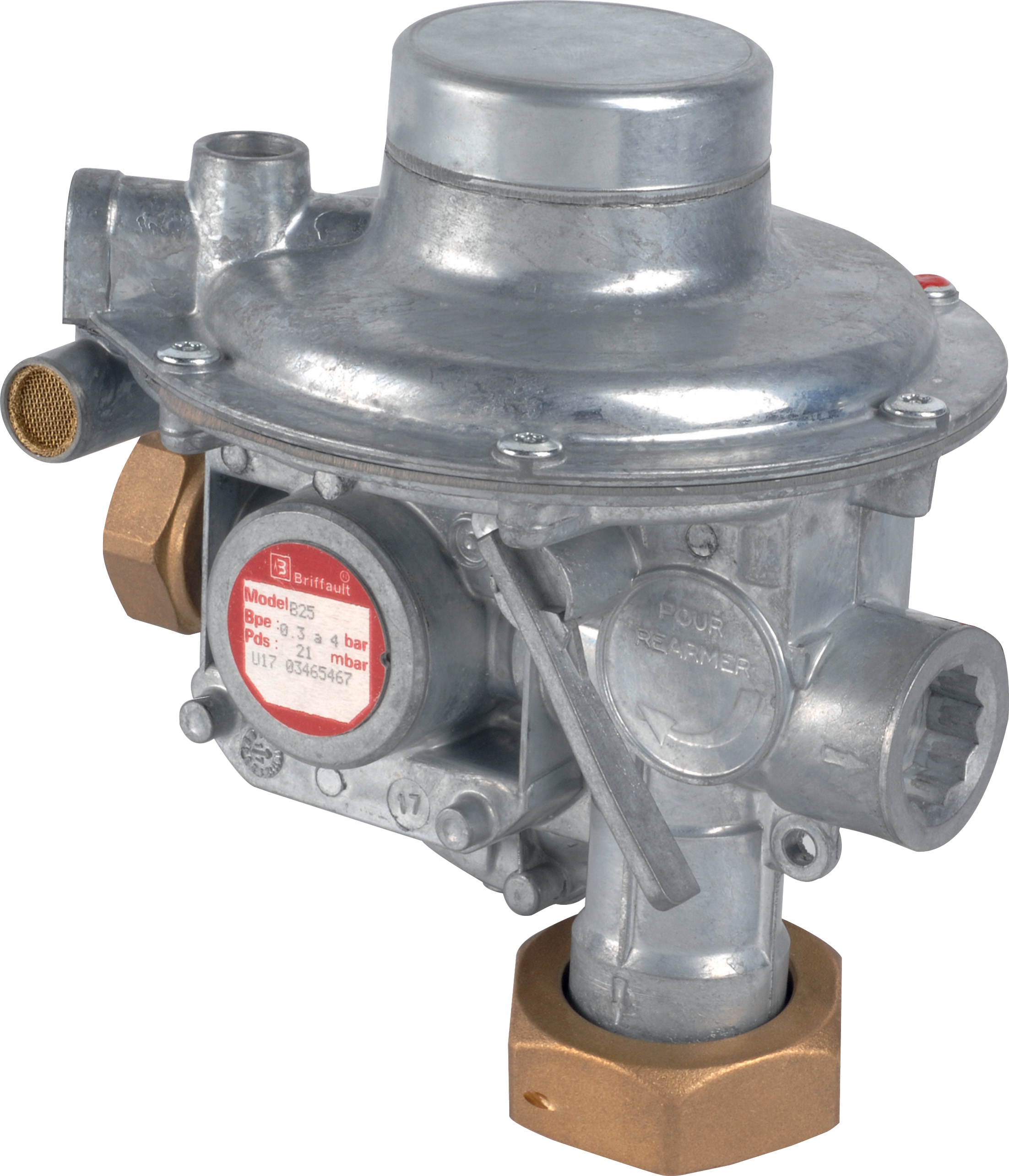
The most frequent failure mode involves elastomer seals losing their compression over time. In Singapore's heat and humidity, seal material can degrade within 18-24 months if not properly selected for environmental conditions. Pressure regulators like the Francel B25/37mb with integrated safety relief are engineered with material specifications that resist tropical degradation, but seals still require proactive monitoring.
Practical indicator: Monitor outlet pressure stability. If a regulator maintaining 37 mbar begins drifting ±5 mbar or more within hours, seal degradation is likely occurring. Schedule replacement before pressure instability disrupts downstream processes.
Diaphragm and Spring Fatigue
Diaphragm materials experience cyclic stress from pressure pulsations. In systems with fluctuating inlet pressure—common when regulators receive supply from aging manifolds—diaphragm fatigue accelerates dramatically. Singapore's variable industrial demand patterns (peak morning production cycles, afternoon maintenance shutdowns) create irregular pressure cycling that degrades diaphragm integrity.
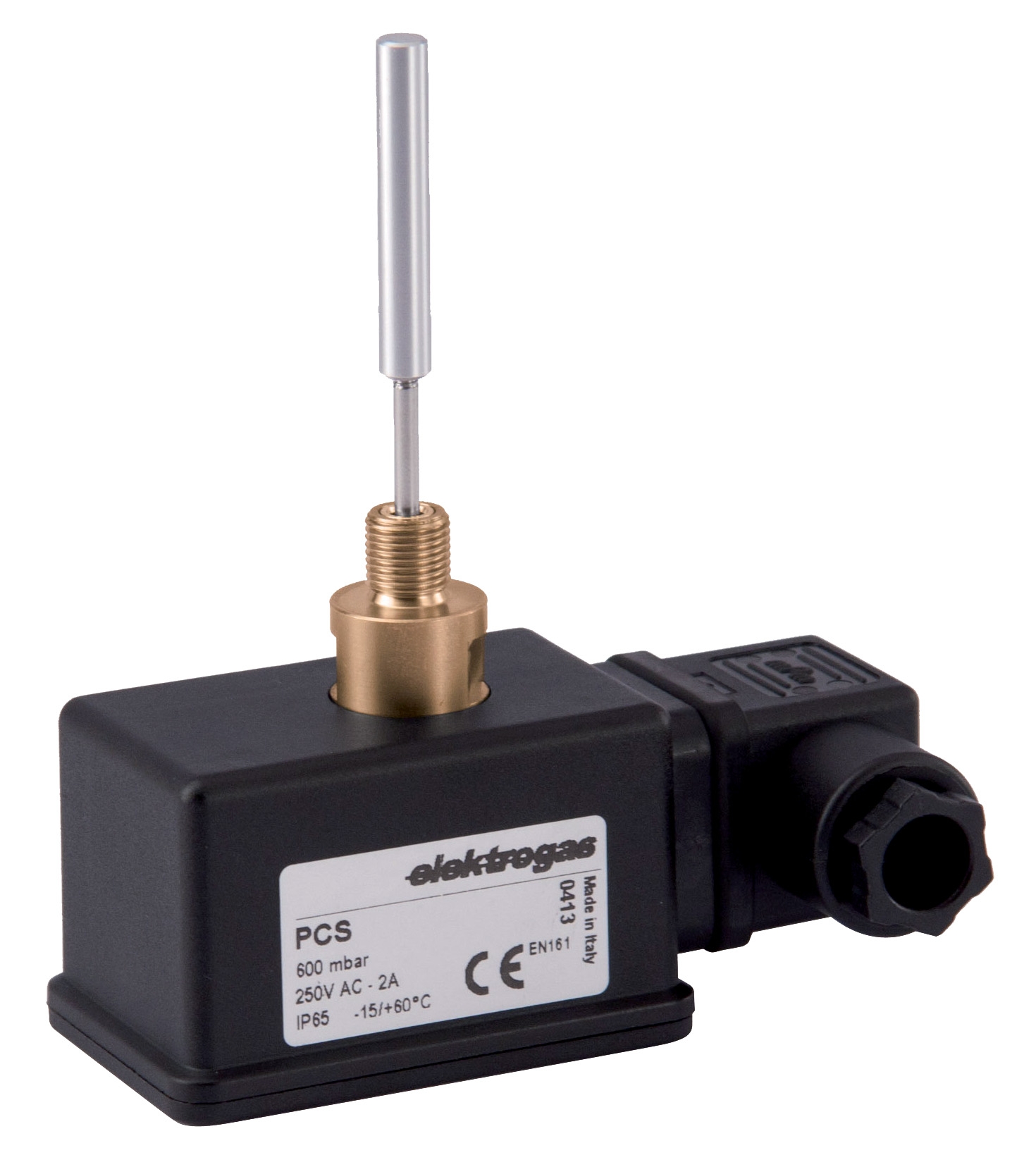
Steel springs within regulator assemblies also experience fatigue, particularly when systems operate near maximum rated pressures. A regulator rated for 6 bar continuous operation (like the Elektrogas VMM 20-25 end-of-stroke contact valve) will show spring tension loss if routinely pressurized above design parameters.
Reliability strategy: Implement monthly pressure cycling tests. Record inlet and outlet pressures under three conditions: minimum production flow, normal operation, and peak demand. Deviations of >10% from baseline measurements signal imminent diaphragm failure.
Valve Seat Erosion and Contamination
Gas supply contamination remains the primary cause of valve seat erosion in Singapore industrial environments. Even "clean" natural gas contains trace moisture, particles, and corrosive compounds. High-pressure sewer cleaning systems and other abrasive processes in adjacent facilities can generate vibration that disturbs settled contaminants in gas lines.
When valve seats erode, internal leakage increases silently—your pressure gauge shows acceptable readings while gas bypasses the valve, reducing system efficiency by 15-25%. In safety-critical applications, internal leakage can prevent relief valves from maintaining system protection.
Prevention protocol: Install particulate filters upstream of all pressure regulators. Monitor filter pressure drop monthly. When drop exceeds manufacturer specifications (typically 0.5 bar), replace the filter element immediately. This single practice prevents 35-40% of preventable valve failures.
Corrosion and External Degradation
Singapore's coastal industrial zones experience accelerated corrosion. Brass valve bodies oxidize, steel components rust, and external surfaces deteriorate faster than inland facilities. Moisture from cooling towers, washdown operations, and tropical humidity penetrates valve housings, corroding internal springs and mechanical linkages.
Higher-pressure systems using Italian-engineered components like the Pratissoli ZT06B1000353 high-pressure valves or Pratissoli ZT04A0100202 Pilotflex 120 hoses offer superior corrosion resistance through material selection, but regular inspection remains essential.
Inspection checklist: Quarterly visual inspection should identify surface oxidation, corrosion staining, and moisture accumulation. Prioritize replacing valves showing white or green oxidation on brass surfaces or rust on steel bodies, as internal corrosion is likely advanced.
Implementing Predictive Reliability Protocols
Pressure Trend Monitoring
Establish baseline pressure measurements for every gas regulation point within your system. Document inlet pressure, outlet pressure, and flow rate under three standardized conditions: 6 AM (pre-production), noon (peak demand), and 5 PM (post-production). Record these monthly in a simple spreadsheet.
Reliability emerges from consistency. A regulator that maintains 37 ± 2 mbar across all three conditions is healthy. One drifting to 35 mbar at noon and 39 mbar at 5 PM signals internal degradation requiring investigation. This monthly discipline identifies 80% of developing failures before they cause shutdown.
Sound and Vibration Assessment
Gas valves in failure modes emit distinctive sounds. A healthy regulator is nearly silent. Listen for:
- Hissing or whistling: Indicates seat erosion or seal leakage. Investigate within one week.
- Clicking or chattering: Diaphragm instability from fatigue or spring loss. Schedule replacement within days.
- Unusual vibration: May indicate upstream pressure pulsations or downstream cavitation. Inspect piping configuration.
Simple monthly listening—placing a stethoscope or your ear against the valve body—provides early warning equivalent to expensive vibration analysis. Train two shift supervisors to perform this quarterly. Cost: zero. Value: catching failures before shutdown.
Leak Detection and Quantification
Gas leaks from valves are often invisible but economically significant. In Singapore's high-energy-cost environment, internal leakage past a relief valve costs approximately SGD 150-300 monthly per installation.
For external leaks: Apply soapy water (diluted dish detergent) around all connection points monthly. Bubbles indicate active leakage requiring tightening or replacement. For internal leakage: Compare regulated outlet pressure against system demand. If your regulator maintains 37 mbar but downstream consumers only require 30 mbar, the 7 mbar excess is likely leaking through the relief valve.
Material Condition Documentation
Maintain a one-page dossier for each critical regulator:
- Installation date and current operating hours
- Baseline pressure readings (first month post-installation)
- Monthly pressure measurements (current month)
- Visual condition assessment (seal color, corrosion status, cleanliness)
- Sound assessment notes
- Planned replacement date based on manufacturer service life
This simple practice enables rational replacement scheduling. Rather than replacing valves on calendar intervals or waiting for failure, you replace them when degradation metrics indicate remaining service life of 30-45 days.
Optimizing Component Selection for Singapore Operations
Reliability begins with proper component specification. Singapore's operational environment—tropical humidity, coastal salt spray in some regions, variable load cycles—demands specific valve characteristics:
For laboratory and precision applications: The Francel B25/37mb pressure regulator with integrated safety relief provides the stability and seal integrity that Singapore's pharmaceutical and semiconductor sectors require. Its 37 mbar regulation suits precision gas distribution where fluctuation tolerance is ±2 mbar or tighter.
For end-of-line protection: The Elektrogas VMM 20-25 end-of-stroke contact valve rated for 6 bar offers reliable final-stage control with low maintenance requirements. Its EN 161 design standard ensures compatibility with Singapore's equipment certification expectations.
For high-pressure applications: Pratissoli Pilotflex 120 ZT03A0200152 hoses and ZT04A0100202 configurations provide superior durability in high-pressure systems where vibration and pressure pulsation would compromise standard components. Italian engineering through Interpump Group provides the material specifications that survive Singapore's demanding industrial environments.
The reliability principle is simple: matching component ratings and materials to your actual operating conditions prevents 50% of premature failures. An over-specified component costs 30% more but lasts 100-150% longer, delivering substantially lower total cost of ownership.
Creating a Reliability Maintenance Schedule
Forget calendar-based maintenance. Instead, implement condition-based intervals tied to your documented degradation metrics:
Monthly: Pressure recording, sound assessment, visual inspection, leak detection
Quarterly: Complete documentation review, comparison of trends against baseline, assessment of replacement urgency
Annually: Professional pressure relief testing (third-party calibration), seal condition inspection, material analysis
Planned replacement: When trending metrics indicate 30-45 days of remaining acceptable operation, schedule replacement during planned maintenance windows rather than responding to emergency failures.
This approach typically extends valve service life by 40-60% compared to fixed-interval replacement, while simultaneously improving reliability by catching failures early.
Conclusion: From Reactive to Proactive Gas Valve Management
Gas valve failures are predictable if you monitor the right indicators. Over 35 years serving Singapore's industrial sector, 3G Electric has observed that plants operating systematic reliability protocols reduce gas system downtime by 40-50% while cutting maintenance costs by 25-30%.
The investment is minimal: monthly measurements recorded in a spreadsheet, quarterly trend analysis, and timely component replacement before failure occurs. The return is substantial: predictable operations, reduced emergency maintenance costs, and the operational confidence that your gas regulation systems will perform reliably during critical production cycles.
Start this month: establish baseline pressure measurements for your three most critical gas regulators. In 90 days, you'll have sufficient trend data to predict replacement timing with high accuracy. Within six months, you'll have shifted from reactive emergency maintenance to proactive reliability management—transforming a major source of industrial uncertainty into a controlled, predictable operational element.