Understanding Gas Valve Specification Requirements for Procurement
Gas valves and regulation systems represent critical infrastructure in industrial operations, yet procurement decisions often focus narrowly on initial purchase price rather than operational performance and lifecycle costs. As a distributor with 35+ years of experience serving Southeast Asian manufacturing and industrial sectors, 3G Electric has observed that effective procurement of gas control equipment requires understanding five core specification parameters: outlet pressure rating, flow capacity, safety certification compliance, installation environment, and maintenance accessibility.
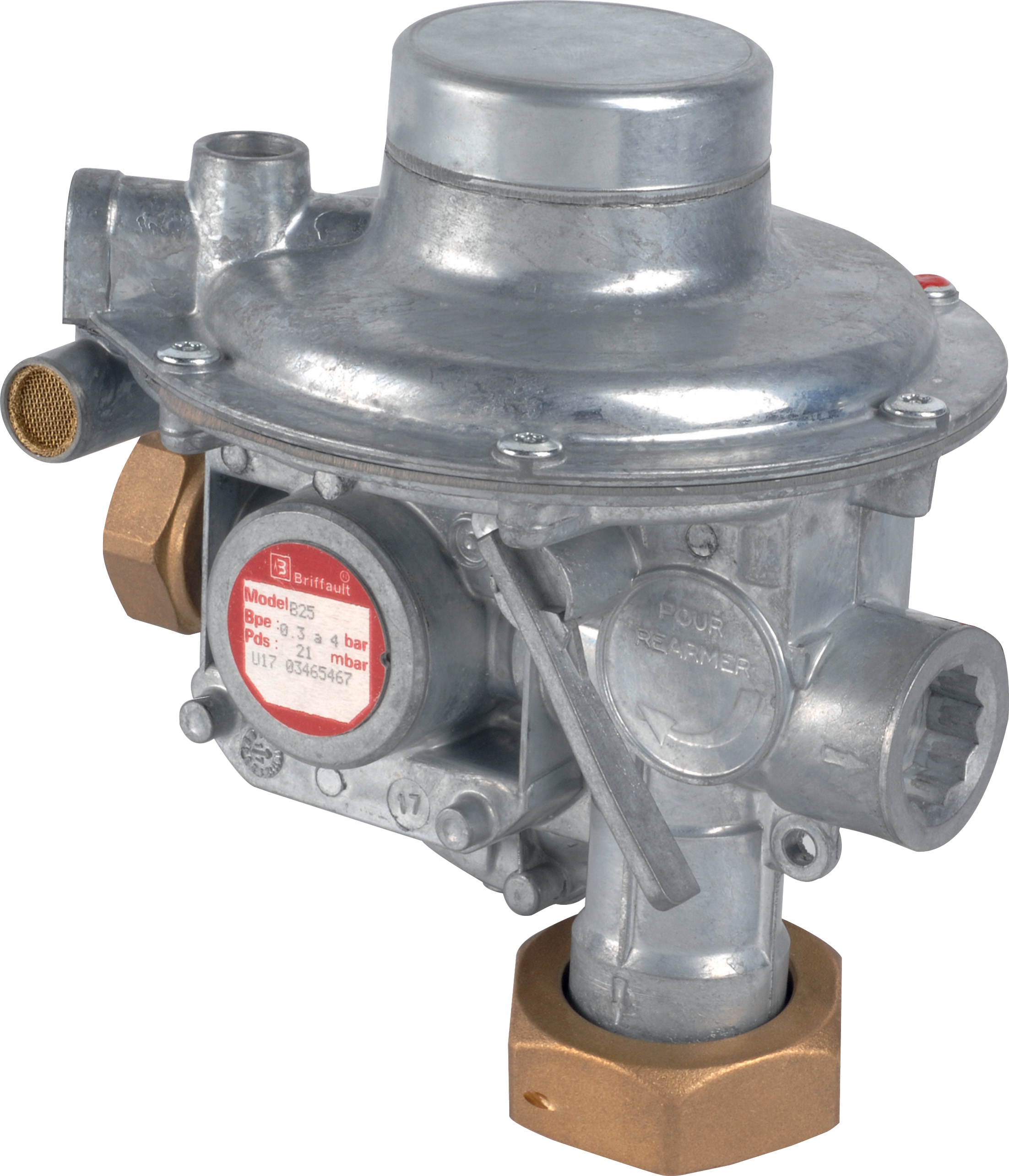
When developing procurement specifications, engineers must first establish the actual pressure requirement at point-of-use, not just the inlet pressure available. A pressure regulator's job is to reduce and stabilize pressure to a consistent outlet level—typically measured in bar or mbar depending on application. For laboratory and precision industrial gas distribution, outlet pressures often range from 5 to 37 mbar. The Francel B25/37mb pressure regulator with integrated safety relief exemplifies this approach, delivering stable 37 mbar outlet pressure with integrated relief protection. This integrated design eliminates the need for separate safety components, reducing assembly complexity and potential leak points in your distribution network.
The second critical specification parameter is flow capacity, measured in cubic meters per hour (m³/h) or liters per minute (L/min). Undersizing a regulator creates backpressure that starves downstream equipment; oversizing introduces control instability and unnecessary cost. Procurement specifications should document the maximum anticipated simultaneous demand plus a 20% safety margin, not peak theoretical demand. This realistic demand profile directly influences equipment selection and prevents expensive over-specification.
Safety Standards, Certification, and Compliance Framework
Singapore industrial operations must comply with Singapore Standard SS 638 (Gas Safety Installation Code) and international standards including EN 161 (Safety devices for protection against excessive pressure). These standards mandate specific design features, pressure testing protocols, and maintenance intervals that directly impact procurement decisions.
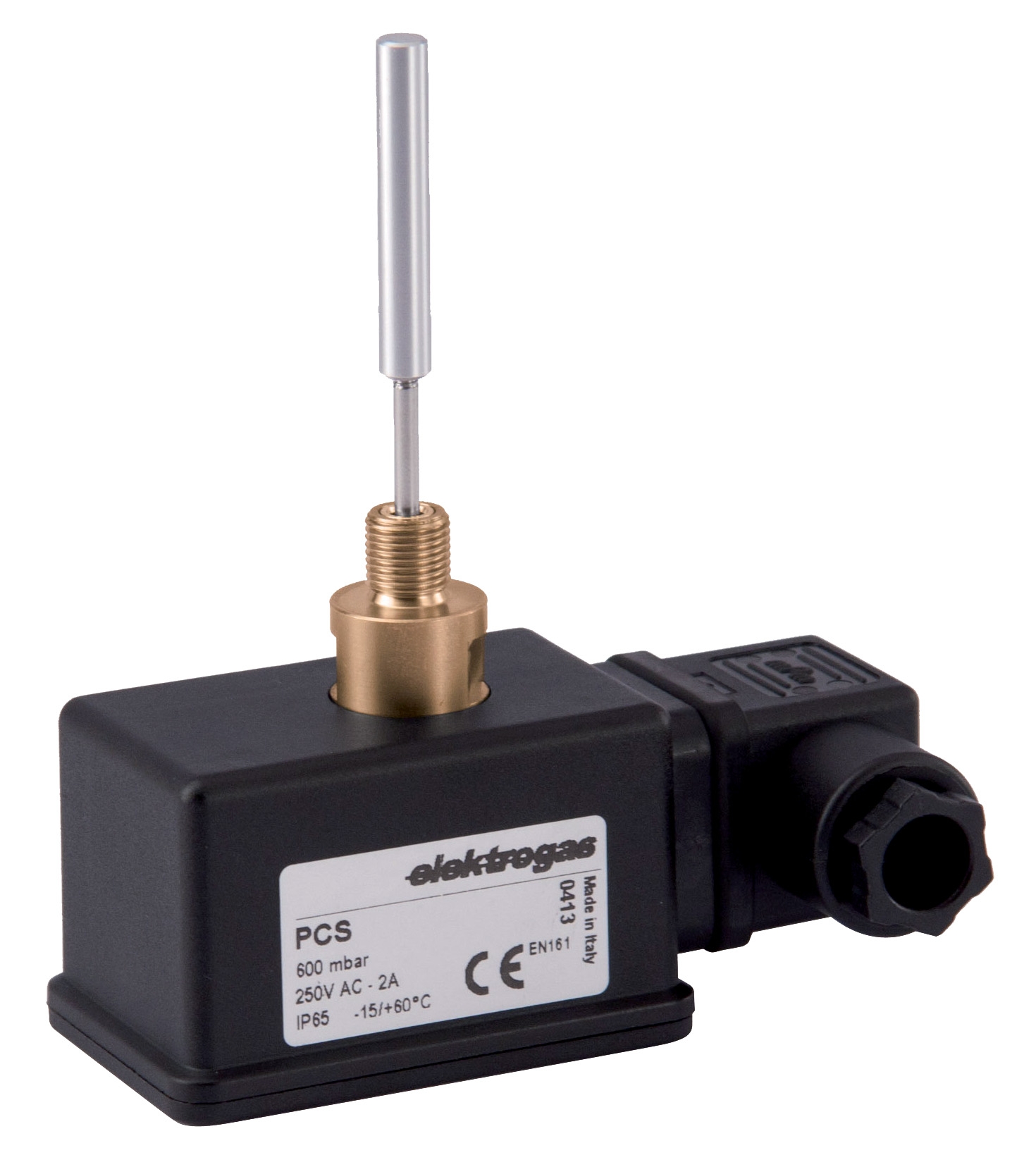
End-of-stroke contact valves represent a specialized safety category. The Elektrogas VMM 20-25 end-of-stroke contact valve rated for 6 bar is designed to EN 161 specification, providing emergency shutdown capability through a simple 3 mm Allen wrench adjustment. When specifying these components, procurement teams must verify that the valve's pressure rating matches system design pressure, not just nominal operating pressure. A 6 bar rated valve on a 4 bar system provides safety margin; conversely, a 3 bar valve on a 5 bar system creates failure risk.
Safety relief integration—the ability of a regulator to vent excess pressure automatically—is non-negotiable for unattended systems. The Francel B25/37mb integrates this function with a 10 mm vent size, meaning your procurement specification can consolidate two components into one assembly. This reduces:
- Installation labor (one connection point instead of two)
- Leak potential at component interfaces
- Spare parts inventory (fewer SKUs to maintain)
- Annual maintenance checklist items
When evaluating vendor proposals, explicitly request certification documentation showing pressure test results, relief setting verification, and EN 161 compliance status. Procurement engineers should also confirm that valves have been factory-tested to outlet pressure and relief settings—do not assume field adjustment will be equivalent.
Vendor Selection, Technical Specifications, and Total Cost of Ownership
Procurement decisions should weigh three competing factors: capital cost, operational reliability, and supply chain support. A regulator 15% cheaper initially may cost 40% more over five years if replacement intervals are shorter or field failures cause production downtime.
3G Electric's 35+ years distributing industrial equipment across Singapore and Southeast Asia has demonstrated that vendor selection should prioritize:
Technical responsiveness: Can the supplier provide detailed specification sheets, pressure curves, and application engineering support? Request flow capacity curves across your expected operating range—flat response indicates stable regulation, while sloping response suggests control challenges at part-load conditions.
Local inventory and delivery: Gas system failures create urgent replacement needs. Verify that critical components like the Francel B25/37mb regulator are stocked locally with documented lead times under 48 hours for emergency orders. Evaluate whether your supplier maintains service centers capable of pressure testing and certification validation.
Documentation and traceability: Every valve should arrive with a data sheet specifying outlet pressure setting, relief setting, pressure test date, and lot number. Procurement specifications should require this documentation as a delivery acceptance criterion. This traceability proves compliance if regulatory audits occur and supports root cause analysis if field failures occur.
Spare parts support: Valves require periodic seal replacement and adjustment verification. Confirm that your supplier stocks replacement seal kits compatible with installed equipment and can provide rebuild kits with documented pressure settings. Request a five-year availability commitment in writing.
Total cost of ownership calculation should include:
- Equipment cost
- Installation labor (including pressure testing after installation)
- Annual maintenance labor (inspection, seal replacement, relief verification)
- Unplanned downtime risk (probability × revenue impact during gas supply interruption)
- Spare parts stocking cost
- Disposal and environmental compliance at end of life
For a 2 bar system supplying process equipment, this analysis typically shows that 20-30% premium for proven, locally-supported equipment saves money over the five-year procurement cycle.
Specification Development Checklist and Implementation Strategy
Procurement engineers can apply this practical checklist when developing gas valve and regulation specifications:
System Requirements Phase:
- Document actual inlet pressure(s) available and their variability
- Define required outlet pressure and acceptable tolerance band (typically ±5% for industrial, ±2% for laboratory)
- Calculate maximum simultaneous flow demand and add 20% safety margin
- Identify all venting requirements (emergency relief, pilot line drainage, instrument isolation)
- Specify operating temperature range and potential condensation exposure
- Document any special materials required (stainless steel for corrosive environments)
- List any remote monitoring or adjustment requirements
- Confirm applicable Singapore standards and international specifications (EN 161, EN 12142, ASME, etc.)
- Require safety relief integration where technically feasible
- Specify pressure testing and certification requirements
- Define inspection and maintenance intervals aligned with safety standards
- Request vendor commitment to parts availability for minimum ten years
- Request detailed technical specifications with flow capacity curves
- Verify local inventory and emergency delivery capability
- Obtain three references from similar Singapore industrial operations
- Review certification documentation (CE marking, EN 161 approval, pressure test certificates)
- Negotiate spare parts pricing and availability commitments
- Confirm that documentation includes lot traceability and pressure settings
- Conduct site commissioning with outlet pressure measurement and relief setting verification
- Train maintenance staff on adjustment procedures and safety precautions
- Photograph and record baseline settings for future reference
- Establish annual maintenance calendar with specific tasks and acceptance criteria
- Create a spare parts kit containing seals, springs, and adjustment tools for common replacements
Practical experience shows that procurement teams who invest four hours in specification development save forty hours in field troubleshooting and prevent production disruptions worth thousands of dollars.
Building a Resilient Gas Regulation Supply Strategy
Singapore's industrial operations depend on uninterrupted gas supply chains. Procurement strategy should treat gas valves and regulation equipment as critical inventory items requiring supply redundancy. Recommended approaches include:
Dual-source qualification: Qualify at least two vendors for each critical valve type, ensuring that supply disruption from one vendor does not halt operations. Document that both sources meet identical technical specifications and certification requirements.
Local inventory management: Maintain stock of high-failure-rate components (seals, springs, pressure gauges) and slow-moving but critical items (emergency relief valves, end-of-stroke contacts). Calculate safety stock based on replacement lead time and demand variability.
Preventive replacement strategy: Rather than waiting for failure, establish replacement intervals for critical regulators. For systems operating 24/7, consider replacing regulators every three to five years even if functioning—the cost of planned replacement is trivial compared to emergency production loss.
Supplier partnership approach: Work with distributors like 3G Electric who understand Southeast Asian industrial operations and can provide not just equipment but technical guidance. Long-term supplier relationships enable better pricing, priority inventory allocation during shortages, and faster emergency support.
Gas valves and regulation equipment represent force multipliers for industrial procurement—small improvements in specification clarity and vendor selection create disproportionate operational benefits. By applying these principles, procurement engineers transform gas control systems from sources of chronic problems into reliable infrastructure supporting manufacturing performance.