Understanding Pressure Adjustment in Gas Valve Regulation Systems
Gas valves & regulation components form the backbone of reliable HVAC systems, yet many contractors overlook the critical importance of proper pressure setting and field adjustability. With over 35 years of experience distributing industrial equipment across Asia, 3G Electric has observed that incorrect pressure calibration leads to efficiency losses, increased maintenance costs, and potential safety risks.
Pressure regulators are not install-and-forget devices. They require initial calibration during commissioning and periodic verification throughout their operational life. Singapore's tropical climate and diverse industrial applications demand regulators that offer both precise control and accessible adjustment mechanisms. The difference between a well-tuned system and a misaligned one can represent 8-15% energy efficiency variation in HVAC applications.
Understanding how to access, adjust, and verify pressure settings separates experienced HVAC contractors from those creating operational headaches for building managers. This article focuses on the practical mechanics of pressure adjustment—the tools needed, techniques that work in the field, and how to verify your adjustments are correct.
Adjustment Mechanism Types and Field Accessibility
Not all pressure regulators offer the same adjustment convenience. HVAC contractors must understand the differences between screw-adjustable, spring-adjustable, and pilot-operated designs when selecting equipment for Singapore installations.
Screw-Adjustable Regulators
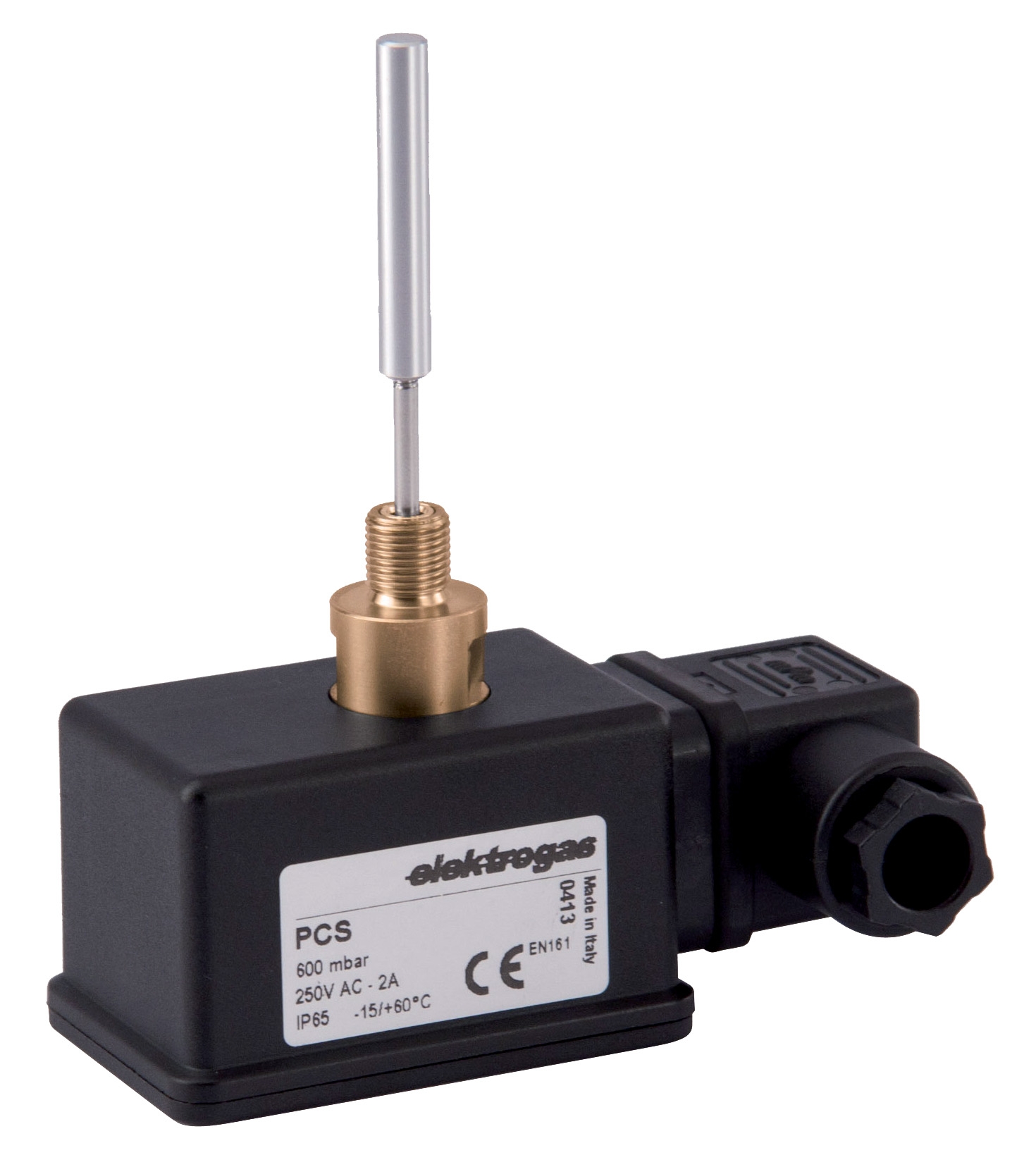
Screw-type adjustment offers the most direct and controllable method for field pressure tuning. These regulators feature an external adjustment screw (typically requiring a 3 mm or 4 mm Allen wrench or flat-head screwdriver) that compresses the internal spring, changing outlet pressure. The Elektrogas VMM 20-25 end-of-stroke contact valve exemplifies this design—rated for 6 bar operations with straightforward 3 mm Allen wrench adjustment.
Key advantages for contractors:
- Immediate feedback: Turning the adjustment screw produces measurable pressure changes within seconds
- Fine-tuning capability: Allows 0.1-0.2 bar increments depending on regulator design
- No special tools: Standard mechanic's toolkit contains everything needed
- Field verification: Easy to test and confirm settings on-site
The critical technique involves connecting a calibrated pressure gauge to the outlet port, then slowly turning the adjustment screw while monitoring the gauge reading. Never make aggressive turns—most quality regulators respond to quarter-turn increments. In Singapore's humid environment, apply a small amount of light machine oil to adjustment screws quarterly to prevent corrosion and maintain smooth operation.
Spring-Sealed Designs
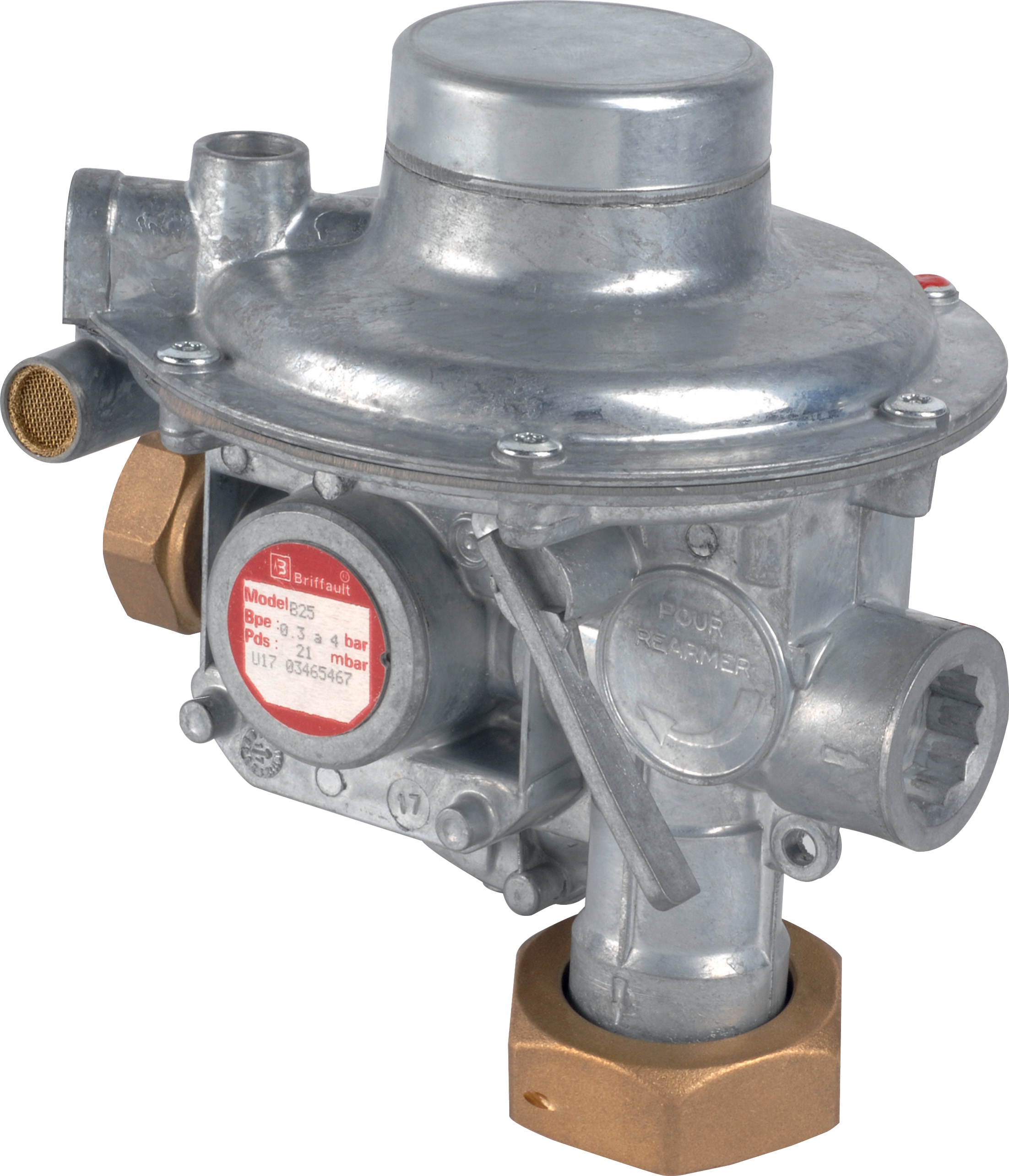
The Francel B25/37mb pressure regulator with integrated safety relief represents a sealed spring design where internal spring tension determines the 37 mbar outlet pressure. These units arrive pre-calibrated and typically do not require field adjustment unless the regulator requires rebuilding.
For contractors, sealed designs offer:
- Consistency: The regulator maintains factory calibration throughout its service life
- Tamper resistance: Eliminates risk of unintended pressure changes
- Simpler maintenance: No adjustment mechanism means fewer failure points
- Safety integration: Pre-set safety relief eliminates the need for separate relief valve configuration
When working with sealed regulators, your role shifts from adjustment to verification. Always measure actual outlet pressure with an independent gauge during commissioning to confirm the regulator performs within specification. Singapore's building codes require documented commissioning records—this measurement becomes your verification proof.
Pilot-Operated Systems
Pilot-operated designs use a small pilot flow to control the main valve opening. These require more sophisticated adjustment techniques involving pilot pressure tuning, not just simple screw adjustment. For most HVAC contractors in Singapore, pilot-operated systems represent advanced applications typically found in large commercial or industrial installations rather than standard HVAC work.
Practical Field Adjustment Techniques and Verification Methods
Proper pressure adjustment involves more than turning a screw. HVAC contractors must follow systematic procedures to ensure accuracy, repeatability, and system safety.
Pre-Adjustment Checklist
Before touching any adjustment mechanism:
1. Isolate the gas supply using isolation valves on both inlet and outlet sides
2. Purge residual gas pressure by opening a downstream test port or burner valve
3. Inspect the regulator for external damage, corrosion, or visible wear
4. Verify your pressure gauge has current calibration certification (Singapore requires this documentation)
5. Confirm the regulator's rated pressure range matches your system requirements
Adjustment Procedure for Screw-Adjustable Units
For contractors working with adjustable regulators like the Elektrogas VMM 20-25:
1. Connect monitoring equipment: Attach your calibrated pressure gauge to an outlet test port or connect to a manometer for low-pressure applications
2. Restore gas supply: Open isolation valves and allow the system to stabilize (typically 30-60 seconds)
3. Establish baseline: Record the current outlet pressure before making any adjustment
4. Make incremental changes: Turn the adjustment screw no more than one-quarter turn at a time
5. Wait for stabilization: Allow 15-20 seconds between adjustments for pressure to settle
6. Record all measurements: Document initial pressure, adjustment times, and final pressure
7. Verify under load: If possible, run the HVAC system through a heating cycle to confirm pressure stability during operation
Common mistake: Contractors often adjust too aggressively, overshooting the target pressure and creating oscillation. The regulator's internal spring requires time to reach equilibrium. Patience yields better results than rapid adjustments.
Verification Testing
After adjustment, verification confirms your work and creates documentation for building compliance:
- Static pressure test: Measure outlet pressure with no gas flow (isolation valve closed downstream)
- Dynamic pressure test: Measure outlet pressure during normal HVAC operation
- Safety margin verification: Ensure pressure remains at least 0.5 bar below the safety relief set point
- Stability monitoring: Watch gauge for 2-3 minutes to confirm pressure does not drift
For the Francel B25/37mb, these tests verify the integrated safety relief functions correctly and outlet pressure remains at the specified 37 mbar throughout operation.
Calibration Intervals and Maintenance Scheduling for Singapore Operations
Pressure regulators in Singapore's climate face unique challenges. High humidity, salt air in coastal areas, and variable ambient temperatures affect regulator performance and adjustment stability.
Recommended Calibration Schedule
- Initial commissioning: Before occupancy, verify all pressure settings with independent measurement
- Quarterly verification: Monthly visual inspection; quarterly pressure measurement for critical systems
- Annual formal calibration: Send regulators to certified labs for formal calibration documentation (required by some Singapore building codes)
- After any maintenance: Anytime the system undergoes repair or modification, re-verify pressure settings
- After extreme events: If the building experiences gas supply disruptions, power failures, or equipment shutdowns, verify regulator settings before resuming operation
Singapore's tropical environment affects regulator performance:
- Temperature fluctuation: Daily temperature swings of 8-12°C can cause slight pressure variation in sealed regulators (typically ±0.5 bar). This is normal and does not indicate regulator failure.
- Humidity corrosion: Apply light oil to external adjustment mechanisms every 6 months to prevent corrosion that impedes adjustment
- Salt air exposure: For installations near coastal areas, consider stainless steel regulator options and more frequent corrosion checks
- Monsoon water intrusion: Ensure regulator vent ports (like the 10 mm vent on the Francel B25/37mb) remain clear and dry; wrap or cover during heavy rain if regulators are outdoors
Singapore's building regulations increasingly require detailed commissioning records. Maintain a logbook for each HVAC system containing:
- Equipment model and serial numbers
- Initial commissioning pressure readings
- Date and pressure reading for each subsequent verification
- Adjustment actions taken and reasons for changes
- Gauge calibration dates and certifications
- Maintenance performed
- Any anomalies or concerning observations
This documentation protects you legally, helps troubleshoot recurring issues, and demonstrates due diligence to building owners and authorities.
Selection Criteria: Adjustment Flexibility vs. System Requirements
When specifying regulators for new HVAC installations in Singapore, balance adjustment flexibility against application needs.
Choose screw-adjustable designs when:
- Multiple pressure set points may be needed during design refinement
- You plan to retrofit or modify the system in future
- The application involves variable load conditions requiring occasional pressure tweaking
- The contractor team needs maximum flexibility during commissioning
- The application has a fixed, well-defined pressure requirement (like laboratory gas distribution)
- Simplicity and reliability matter more than flexibility
- The system has protective controls downstream that tolerate no adjustment
- Long service intervals are priority (sealed units require less maintenance)
For most commercial HVAC work in Singapore, a mixed approach makes sense. Use sealed regulators for main gas inlet pressure control where pressure is constant, then employ adjustable regulators at branch points where burner-specific tuning might be needed.
With 3G Electric's extensive experience supplying both types across Asia's diverse industrial landscape, we can advise which approach best suits your specific project requirements. The Elektrogas VMM 20-25 offers excellent adjustability for situations requiring field tuning, while the Francel B25/37mb provides reliable, set-and-forget operation for standardized applications.
Practical Troubleshooting: When Pressure Won't Hold or Drifts
If a regulator won't maintain adjusted pressure, systematic diagnosis prevents expensive callbacks:
Pressure drifts upward: Usually indicates a leaking safety relief valve (if integrated) or excessive inlet pressure. Check inlet pressure first; if it's above regulator rating, the problem is upstream, not the regulator itself.
Pressure drifts downward: Typically caused by a leak downstream (frozen regulator outlet, cracked fitting, or open test port). Check all downstream connections before assuming regulator failure.
Adjustment screw won't turn: Corrosion or debris prevents movement. Apply penetrating oil, wait 10 minutes, then try again. Never force the adjustment mechanism, as this damages internal components.
Pressure fluctuates during operation: Normal if variation is ±0.3 bar. Larger swings suggest a regulator unable to handle the gas flow rate. Confirm the regulator's flow rating matches your burner requirements.
For complex diagnostics, 3G Electric's technical team can provide remote troubleshooting guidance based on your equipment specifications and pressure readings.