Understanding Gas Valves & Regulation in Tropical and Industrial Environments
Gas valves and regulation systems are critical infrastructure in any facility operating in Southeast Asia. Whether you manage a manufacturing plant, laboratory, HVAC system, or industrial gas distribution network, the performance and reliability of your pressure regulation equipment directly impact production uptime, safety compliance, and operational costs.
With over 35 years of experience supplying industrial equipment across the region, 3G Electric understands that Southeast Asian plants operate under distinct conditions: high humidity, salt-air corrosion in coastal areas, temperature fluctuations, and demanding maintenance schedules with limited downtime windows. This article provides practical guidance on comparing gas valve and regulation systems specifically for lifecycle planning and preventive maintenance strategies.
Section 1: Establishing Maintenance Intervals and Inspection Protocols
The foundation of any effective gas valve management program is a documented inspection and maintenance schedule. Unlike equipment in temperate climates, Southeast Asian installations require more aggressive preventive maintenance due to environmental factors.
Humidity and Corrosion Considerations
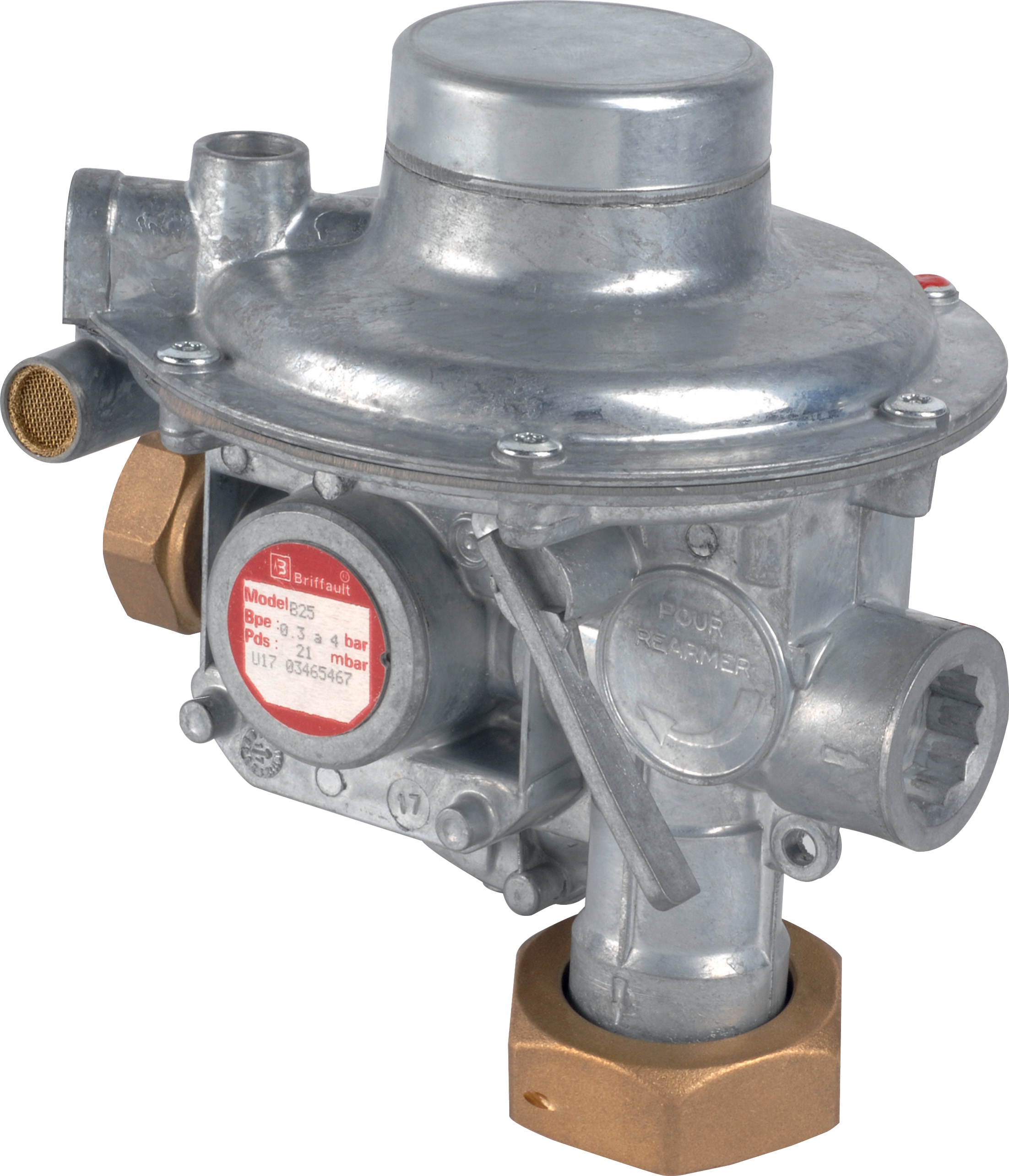
Southeast Asia's tropical climate accelerates corrosion on unprotected metal components. Pressure regulators with integrated safety relief—such as the Francel B25/37mb with safety relief—require quarterly visual inspections in coastal locations and semi-annual inspections inland. Check for:
- Corrosion or discoloration on brass or stainless steel surfaces
- Vent port blockages (the B25/37mb's 10 mm vent can accumulate salt spray deposits)
- Moisture ingress in sealed chambers
- Pitting on pressure-bearing surfaces
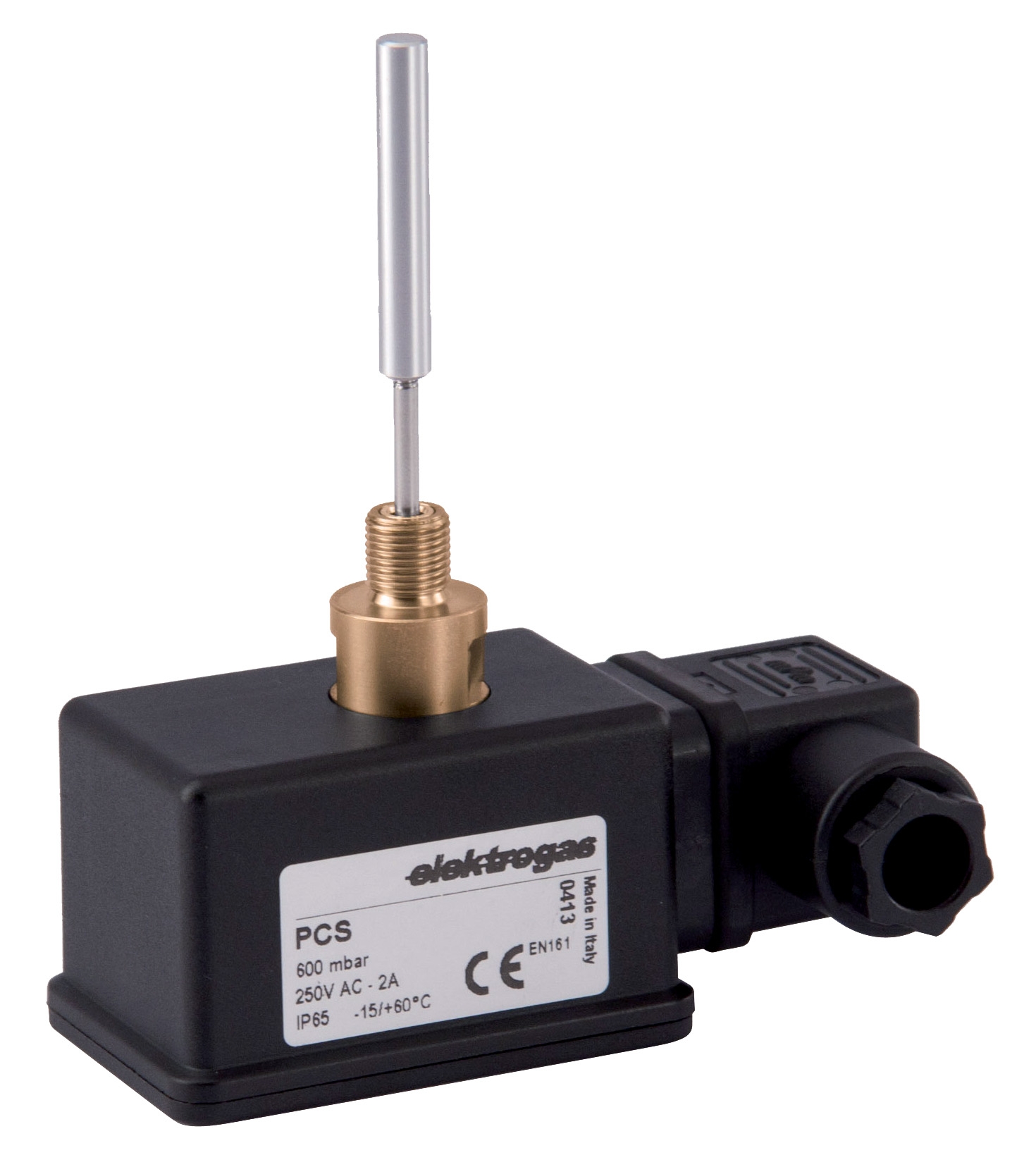
For end-of-stroke contact valves like the Elektrogas VMM 20-25 (6 Bar), moisture can affect the electrical contacts and adjustment mechanisms. Monthly electrical continuity testing is recommended, with a 3 mm Allen wrench adjustment performed annually or after detecting contact resistance drift.
Operational Pressure Monitoring
Plant managers should implement a baseline pressure log during the first 30 days of operation. Any deviation of more than 2–3% from baseline indicates internal wear or seal degradation. For Francel regulators maintaining 37 mbar outlet pressure, consistent drift suggests the internal relief seat is becoming scored—a condition that worsens rapidly in humid environments and typically requires replacement rather than field repair.
Section 2: Comparing High-Pressure vs. Standard-Pressure System Maintenance
Southeast Asian facilities often operate mixed-pressure systems. Understanding the maintenance demands of each pressure class helps you allocate technician time and spare parts inventory effectively.
Standard-Pressure Systems (Up to 6 Bar)
End-of-stroke contact gas valves rated for 6 bar—such as the Elektrogas VMM 20-25—require relatively straightforward maintenance:
- Annual solenoid coil testing (continuity and insulation resistance)
- Quarterly seal inspection via pilot gas leak test
- Biannual full disassembly and component cleaning in high-corrosion environments
- Spare parts: replacement coils (30–45 USD), pilot seals (15–20 USD), adjustment springs
These systems typically operate reliably for 3–4 years before major overhaul, making them cost-effective for laboratories and smaller production lines.
High-Pressure Systems and Integrated Relief
When gas safety is paramount—such as in analytical labs or medical gas networks—pressure regulators with integrated safety relief like the Francel B25/37mb provide dual protection in a single unit. Maintenance complexity increases:
- Monthly relief valve flow testing (requires certified gas equipment)
- Quarterly seat wear assessment (visual inspection of discharge nozzle)
- Semi-annual full recalibration to verify 37 mbar outlet setpoint
- Spare parts: internal relief seats (50–80 USD), diaphragm assemblies (35–60 USD), inlet filters
Integrated systems extend service intervals because internal components are sealed against humidity and contamination. However, when repairs are needed, they typically require factory service or specialized technician training.
Section 3: Spare Parts Strategy and Supply Chain Resilience
One of the most costly mistakes plant managers make is underestimating the lead time for replacement components in Southeast Asia. A pressure regulator failure during production can halt operations for weeks if spare parts must be imported.
Tier-1 Critical Spares
Maintain on-site inventory of items with longest lead times:
- Complete regulator assemblies (Francel B25/37mb or equivalent): 1–2 units
- Solenoid coil replacements (for Elektrogas VMM series): 2–3 units
- Diaphragm and seal kits: 3–5 units per pressure class
- Relief cartridges and pilot restrictor assemblies: 2–3 units
3G Electric's 35-year distribution network across Southeast Asia enables expedited sourcing of these components. Rather than waiting 6–8 weeks for factory shipment from Europe, local warehouse stock often provides 5–7 day delivery in major markets.
Documentation and Traceability
When ordering replacements, document:
- Original equipment SKU and serial number
- Installation date and service history
- Pressure setpoint and vent size
- Certification requirements (EN 161, ASME, local standards)
This information ensures you receive compatible components and helps predict future failure modes. For example, if a Francel B25/37mb fails after 24 months instead of the expected 48–60 months, root cause analysis (humidity ingress vs. contaminant damage) directs your spare parts strategy.
Section 4: Total Cost of Ownership Across Equipment Lifecycles
Plant managers must balance capital expenditure (purchasing new equipment) against operational costs (maintenance labor, spare parts, lost production). In Southeast Asia, where skilled technicians are sometimes scarce, this calculation differs from developed markets.
Lifecycle Cost Modeling
For a typical pressure regulator installation:
5-Year Lifecycle Example (Standard Pressure – 6 Bar System)
- Initial capital: Elektrogas VMM 20-25 ~USD 280–350
- Preventive maintenance labor (12 interventions @ 1.5 hours): ~USD 450–600
- Spare parts and seals: ~USD 200–300
- Unplanned downtime (1 failure over 5 years, 4 hours lost production): ~USD 1,200–2,000
- Total 5-year cost: ~USD 2,130–3,250
- Initial capital: Francel B25/37mb ~USD 450–550
- Preventive maintenance labor (8 interventions @ 2 hours): ~USD 480–640
- Spare parts and certified calibration: ~USD 350–500
- Unplanned downtime (0–1 failure, dual-redundancy benefit): ~USD 0–600
- Total 5-year cost: ~USD 1,280–2,290
The integrated system shows lower total cost because:
1. Reduced downtime – dual relief protection minimizes emergency shutdowns
2. Longer intervals – sealed design resists humidity damage
3. Predictable replacement – integrated units often fail completely (no partial degradation), allowing planned replacement during maintenance windows
Environmental Factors Affecting Lifecycle
Coastal and high-humidity zones (coastal Singapore, Bangkok, Ho Chi Minh City, Manila) reduce equipment life by 25–35%. Inland facilities with controlled plant environments can extend lifecycle by 15–20%. Budget accordingly when specifying equipment for your specific location.
Practical Recommendations for Southeast Asian Plant Managers
For Manufacturing Plants (High-Pressure, High-Volume)
Implement dual-stage regulation: use the Francel B25/37mb as a primary stage with integrated safety, then step down to lower-cost secondary regulators for individual production lines. This architecture isolates high-pressure supply issues from affecting multiple lines simultaneously.
For Laboratories and Medical Gas Systems
Specify integrated relief systems exclusively. The higher initial cost is offset by certification simplicity and guaranteed safety performance. Backup units should be maintained as hot spares.
For HVAC and Utility Systems
End-of-stroke contact valves like the Elektrogas VMM 20-25 are cost-effective if your maintenance team can perform quarterly electrical testing. If in-house expertise is limited, consider outsourcing to 3G Electric's technical partner network.
Documentation and Compliance
Maintain a master inventory spreadsheet listing:
- Equipment SKU, serial number, installation date
- Last maintenance date and type
- Next scheduled inspection
- Local regulatory compliance requirements
- Supply chain lead times for critical spares
This simple discipline prevents missed intervals and ensures compliance audits proceed smoothly.
Conclusion
Successful management of gas valves and regulation systems across Southeast Asian facilities requires a proactive, data-driven approach. By establishing clear maintenance intervals, understanding the true lifecycle costs of different equipment types, and maintaining strategic spare parts inventory, plant managers can reduce unplanned downtime, extend equipment life, and operate safely under the region's unique environmental conditions.
3G Electric's 35-year presence in Southeast Asia positions us to support your maintenance strategy with local expertise, rapid spare parts fulfillment, and technical guidance. Whether you're specifying new equipment or optimizing an existing installation, our regional teams understand the practical challenges your facility faces.