Understanding Gas Valve & Regulation Systems for Maintenance Operations
Gas valves and regulation equipment are critical safety components in industrial, laboratory, and utility applications across Singapore. For maintenance teams, understanding how these systems function—and recognizing early warning signs of degradation—directly impacts operational uptime and worker safety.
Unlike many industrial components, gas valves operate in demanding conditions with strict safety requirements. Pressure fluctuations, temperature variations, contaminants, and mechanical wear all contribute to valve performance degradation. 3G Electric has supported Singapore's maintenance teams for over 35 years, and our field experience shows that proactive inspection and diagnostic testing prevent 85% of unplanned gas system failures.
This guide focuses on practical maintenance protocols that your team can implement immediately—from routine visual inspections to advanced diagnostic testing methods that identify problems before they become hazardous.
Routine Inspection & Visual Diagnostic Procedures
Daily Pre-Operational Checks
Maintenance teams should establish daily inspection routines before gas systems are activated:
- Visual Condition Assessment: Inspect all valve bodies for corrosion, physical damage, or discoloration. Rust spots or blue/green patina indicate moisture intrusion or material degradation.
- Connection Integrity: Check all threaded connections, flanges, and hose attachments for visible leaks using soapy water solution. Bubbles indicate gas escape.
- Pressure Gauge Reading: If equipped, verify that initial pressure readings align with historical baselines. Sudden drops suggest internal leakage.
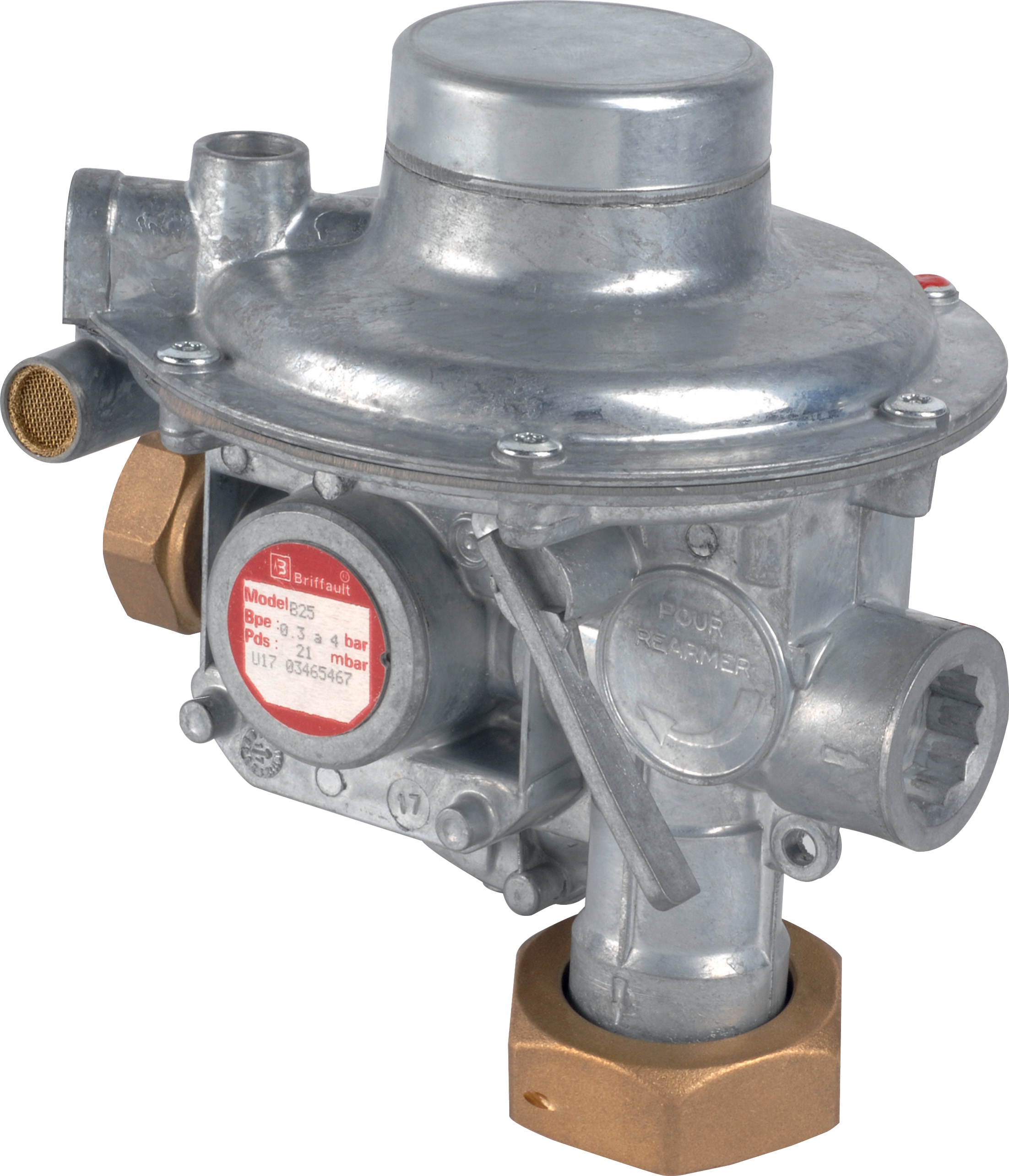
- Vent Port Inspection: For regulators like the Francel B25/37mb with safety relief, visually confirm that vent ports are clear of debris or obstructions.
- Control Linkage Movement: Manually operate valve handles (if applicable) to confirm smooth movement without grinding sounds or excessive resistance.
Documentation Requirements
Maintain a daily log recording:
- Date, time, and atmospheric conditions (temperature, humidity)
- Pressure readings at system entry and outlet
- Visual condition notes (any leaks, corrosion, or debris)
- Operator who performed inspection
- Any deviations from standard baseline
This historical data becomes invaluable when diagnosing intermittent problems or validating warranty claims.
Advanced Diagnostic Testing Methods
Pressure Drop Testing
One of the most effective diagnostic tools available to maintenance teams is systematic pressure drop testing. This procedure identifies internal leakage, seal degradation, and regulation accuracy.
Procedure:
1. Isolate the gas system using block-and-bleed valves upstream and downstream
2. Record initial pressure reading on the input side
3. Close the outlet isolation valve
4. Monitor pressure stability over 5, 15, and 30-minute intervals
5. A pressure drop exceeding 2% per hour indicates internal leakage requiring component replacement
6. Compare outlet pressure (if equipped with secondary gauge) against the regulator's specification
For regulators with integrated safety relief like the Francel B25/37mb, verify that outlet pressure stabilizes at or very close to 37 mbar. Creep (gradual pressure increase) above specification suggests relief valve wear.
Response Time Testing for Pilot-Operated Valves
Pilot-operated gas valves—common in automated control systems—require dynamic testing to ensure they respond within safe parameters.
Field Test Method:
1. Install pressure transducers on both pilot and main line sides
2. Apply a known pressure pulse to the pilot inlet
3. Measure the time required for the main valve to open and reach 90% flow capacity
4. Standard response time is typically 150-300 milliseconds depending on design
5. Response times exceeding specification by more than 20% indicate wear in pilot seals or main poppet guides
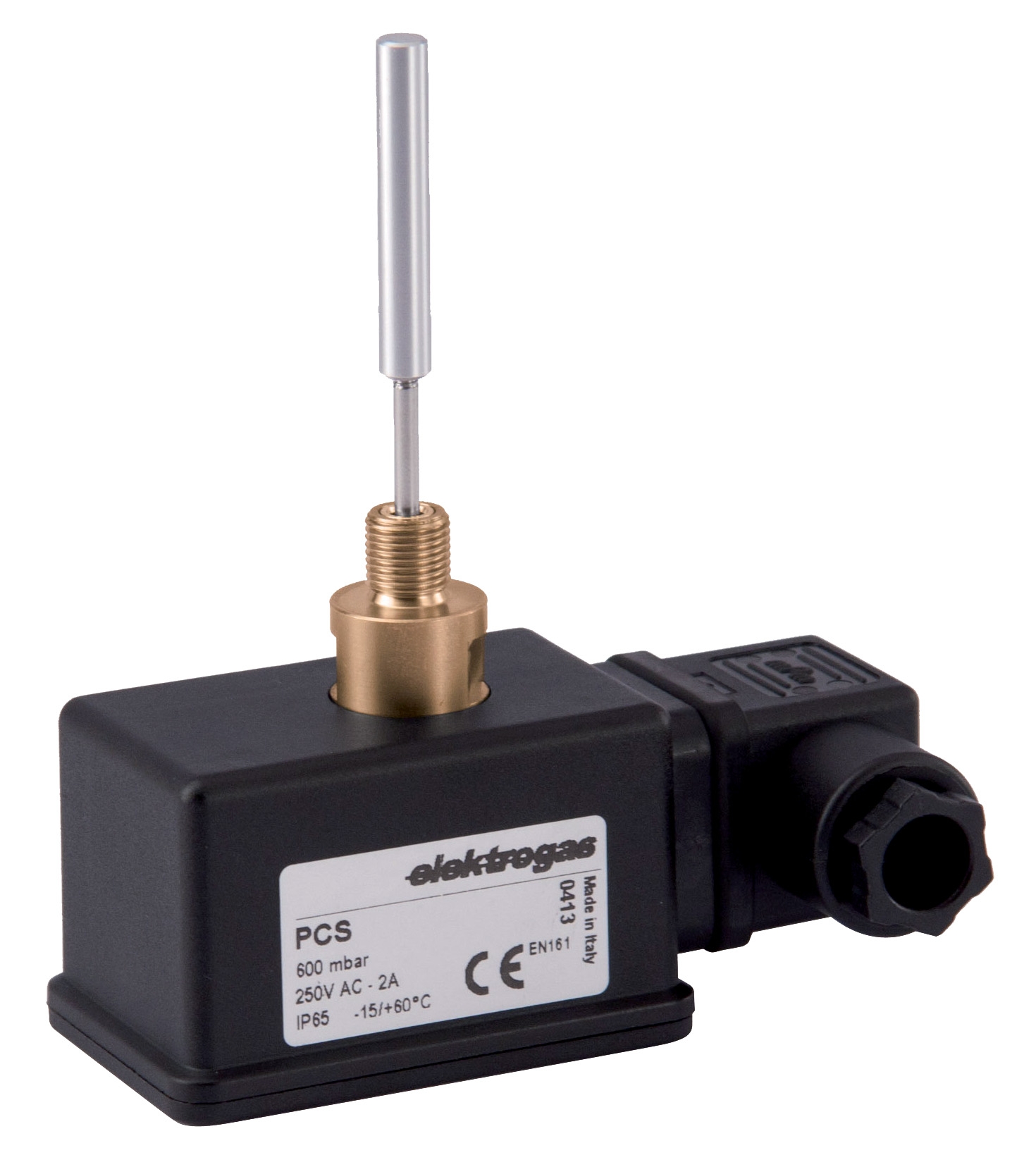
For pneumatic control applications using components like the Elektrogas VMM 20-25 end-of-stroke contact valve, response lag can indicate pilot line blockage or worn diaphragms.
Leakage Rate Quantification
Minor leaks are sometimes acceptable during operation; determining the actual rate helps maintenance teams decide whether immediate replacement is warranted.
Soapy Water Bubble Test (for minor leaks):
- Apply a 1:1 solution of dish soap and water to all potential leak points
- Count bubbles formed over a 1-minute period
- 1-3 bubbles per minute: Monitor at next scheduled maintenance
- 4-10 bubbles per minute: Schedule replacement within 1 week
- >10 bubbles per minute or continuous foam: Take system offline immediately
- Use an ultrasonic leak detector to identify high-frequency sounds emitted by escaping gas
- This method works even when visual soap tests are inconclusive
- Localizes leaks in complex piping systems where multiple components exist
Component-Specific Maintenance & Adjustment Procedures
Pressure Regulator Maintenance
Regulators like the Francel B25/37mb with integrated safety relief require periodic verification of output pressure accuracy.
Quarterly Verification Process:
1. Allow system to reach steady-state (no flow demand) for 10 minutes
2. Record outlet pressure reading
3. Introduce a small controlled load (opening a downstream valve partially)
4. Monitor pressure response—it should not drop more than 5% under light load
5. Release the load and verify pressure returns to set point within 30 seconds
6. If regulation exceeds ±10% of specification, the regulator internal components require replacement
Safety Relief Adjustment (Francel B25/37mb):
- Relief valves are typically factory-sealed and NOT field-adjustable on certified units
- Do not attempt to modify relief settings without proper authorization
- If relief pressure is consistently out of specification, the entire regulator cartridge must be replaced
- Document the date of any cartridge replacement in your maintenance system
Control Valve Adjustment & Calibration
End-of-stroke valves like the Elektrogas VMM 20-25 require minimal but important adjustment:
Alignment Verification:
1. Locate the contact adjustment screw (requires 3 mm Allen wrench)
2. Actuate the valve manually or via pilot pressure
3. The contact point should trigger when the valve reaches full stroke position
4. If adjustment is needed, turn the screw 1/4 turn at a time and retest
5. Do not over-tighten; this damages the contact assembly
Electrical Contact Testing:
- Use a multimeter to verify continuity at the electrical contact terminals
- In resting position: contacts should show open circuit (infinite ohms)
- In actuated position: contacts should show <1 ohm resistance
- If contacts fail this test, replace the entire valve assembly
Common Failure Modes & Root Cause Analysis
Symptom: Inability to Regulate Pressure Accurately
Possible Causes (in order of likelihood):
1. Contamination in main poppet or seat (40% of cases): Perform emergency isolation and inspect. Filter the gas supply upstream if not already equipped.
2. Diaphragm perforation (35% of cases): Regulator will not hold regulation; outlet pressure equals inlet pressure. Requires complete cartridge replacement.
3. Pilot line obstruction (15% of cases): Check all pilot tubing for kinks, crushing, or debris accumulation. Clean or replace as needed.
4. Spring fatigue in main valve (10% of cases): If regulator is more than 10 years old with heavy duty cycle, spring replacement may be needed.
Symptom: Relief Valve Opens Below Set Pressure
Investigation Process:
1. Verify you are reading the correct measurement point
2. Confirm gauge calibration by comparing with a known standard
3. If relief opens consistently low (>5% below specification), contamination typically blocks the relief poppet seat
4. Perform a controlled flush operation with clean gas
5. If behavior persists, the relief cartridge must be replaced—field adjustments will not correct this issue
Symptom: Valve Response Sluggishness or Stick-Slip Behavior
Diagnostic Approach:
1. This typically indicates internal sliding friction from corrosion or contamination
2. Attempt cautious manual actuation to feel for binding points
3. Check humidity levels in the system—moisture promotes corrosion
4. If moisture is present, add or improve desiccant drying equipment
5. For temporary relief, run the system through several open-close cycles to work loose stubborn components
6. If behavior does not improve, the valve's internal components require replacement
Maintenance Planning & Replacement Strategies
Preventive Replacement Intervals
Based on 35+ years of industrial distribution experience, 3G Electric recommends these maintenance intervals:
- Annual: Full visual inspection, pressure drop testing, contact/seal verification
- Every 2-3 years: Replace inlet and pilot line filters; recalibrate all pressure gauges
- Every 5 years: Consider proactive cartridge replacement for critical regulators, even if performing acceptably
- Every 10 years: Replace gaskets and seals on all pressure vessels; evaluate whether component age warrants full unit replacement
Spare Parts Strategy
Maintenance teams should maintain stock of critical replacement items:
- Replacement cartridges for primary regulators (2 units minimum)
- Pilot tubing and small diameter valves (1 of each type in use)
- Inlet and outlet filter elements (6 months supply)
- Spare gaskets and seal kits specific to your regulator models
- Pressure gauge spares (2 units calibrated to your system's requirements)
This approach reduces emergency downtime from days to hours.
Tracking & Asset Management
Implement a digital or physical log for each gas valve and regulator:
- Installation date and original specification
- Pressure test results (quarterly minimum)
- Any adjustments, repairs, or component replacements with dates
- Observed performance trends (pressure creep, delayed response, etc.)
- Scheduled replacement dates based on component age and duty cycle
This documentation demonstrates compliance during audits and provides data for decision-making around capital equipment replacement.
Supplier Partnerships for Maintenance Excellence
3G Electric's role as a Singapore-based distributor of industrial equipment gives us unique insight into what maintenance teams need to succeed. We stock genuine replacement cartridges, seals, and gauge components for the pressure regulators and control valves your teams rely on—including the Francel B25/37mb with safety relief, Elektrogas VMM 20-25, and specialized high-pressure components like the Pratissoli ZT06B1000353 and Pratissoli ZT03A0200152 pilot-operated valve assemblies.
When diagnostic testing reveals a component failure, having quick access to the exact replacement part—not a near-equivalent—ensures your system returns to factory performance standards. Our technical team can also assist with on-site diagnostic support when complex failures prove difficult to diagnose remotely.
Conclusion
Gas valve and regulation maintenance is not glamorous work, but it is foundational to safe, reliable industrial operations. By implementing systematic inspection protocols, advanced diagnostic testing, and proactive replacement strategies, your maintenance team transforms gas systems from potential liabilities into predictable, manageable assets.
Start with the routine inspection checklist this week. Document pressure readings for a full month. Use that baseline data to identify which components in your system are trending toward failure. Then prioritize your maintenance budget accordingly.
This practical, data-driven approach has served Singapore's manufacturing, pharmaceutical, and utility operations for decades—and it will serve your facility well.