Understanding Gas Valve Regulation in HVAC Applications
Gas valves and regulation systems are fundamental to safe, efficient HVAC operations in Singapore's demanding industrial and commercial environments. Unlike general industrial gas systems, HVAC-specific regulation requires precise pressure maintenance within tight tolerances—typically 20–37 mbar for burner applications—while accommodating rapid load changes and thermal cycling common in tropical climates.
The regulation process involves three integrated functions: pressure reduction from supply mains (typically 100+ mbar) to usable burner pressure, safety containment through relief mechanisms, and response stability during demand fluctuations. Singapore's regulatory framework, aligned with BS EN 161 safety standards and local PUB (Public Utilities Board) guidelines, mandates certified components throughout the gas distribution chain. With over 35 years of experience as an industrial equipment distributor, 3G Electric has supported HVAC contractors in navigating these requirements through reliable, specification-matched solutions.
Tropical environments introduce specific challenges: humidity-related corrosion, high ambient temperatures affecting regulator sensitivity, and rapid demand cycling from air-conditioning load swings. Selecting appropriate regulator types—direct-acting versus pilot-operated, diaphragm versus piston-based—directly impacts system reliability and maintenance cycles. HVAC contractors in Singapore must balance performance specifications against local compliance mandates and long-term serviceability in humid coastal or industrial zones.
Pressure Regulation Architecture for HVAC Systems
Primary Regulation Stage
The primary regulator reduces high-pressure gas from supply mains to intermediate pressure (typically 50–100 mbar). This stage handles the largest pressure differential and highest flow variability. In Singapore's multi-floor commercial buildings and industrial cooling facilities, primary regulators must accommodate sudden demand changes—from 10% to 100% burner load within seconds—while maintaining outlet stability within ±10% tolerance.
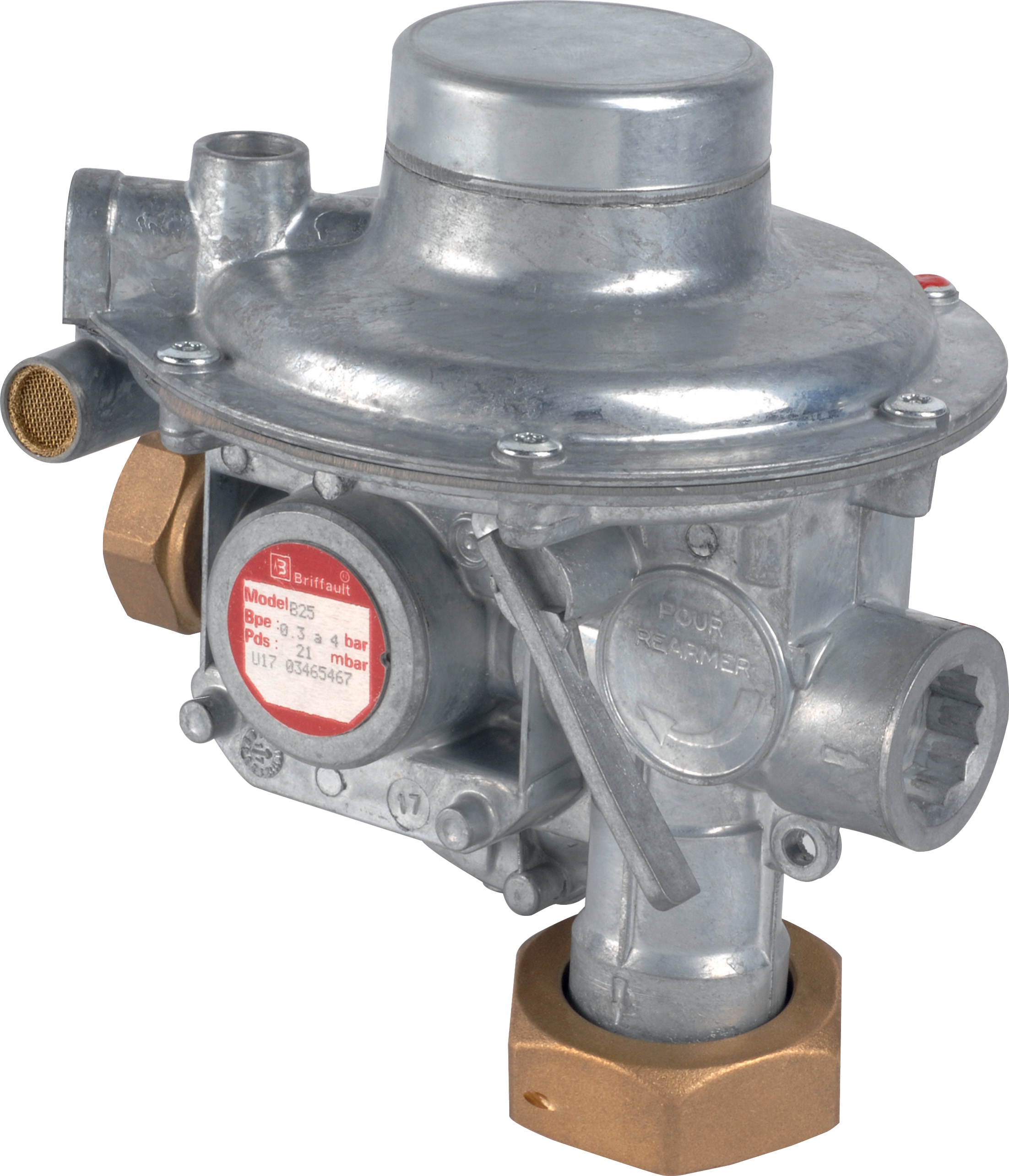
Direct-acting regulators suit smaller HVAC systems (single or dual burner installations) where load changes are moderate and predictable. These units operate without pilot pressure, responding directly to outlet pressure changes through a simple diaphragm mechanism. The Francel B25/37mb pressure regulator with integrated safety relief exemplifies this approach, delivering stable 37 mbar outlet pressure critical for burner flame stability. The integrated 10 mm safety vent eliminates separate relief installation, reducing component count and potential leak points—a significant advantage in Singapore's high-humidity environments where additional connections accelerate corrosion.
Pilot-operated regulators become necessary for larger HVAC systems serving multiple building zones or industrial facilities with significant load swings. These units use a small pilot stream (typically 3–5% of main flow) to modulate a larger main valve, providing superior flow capacity and faster response than direct-acting designs. The pilot mechanism also enables remote pressure sensing—valuable in building systems where the regulator location differs from the primary burner area.
Secondary Regulation and Burner Control
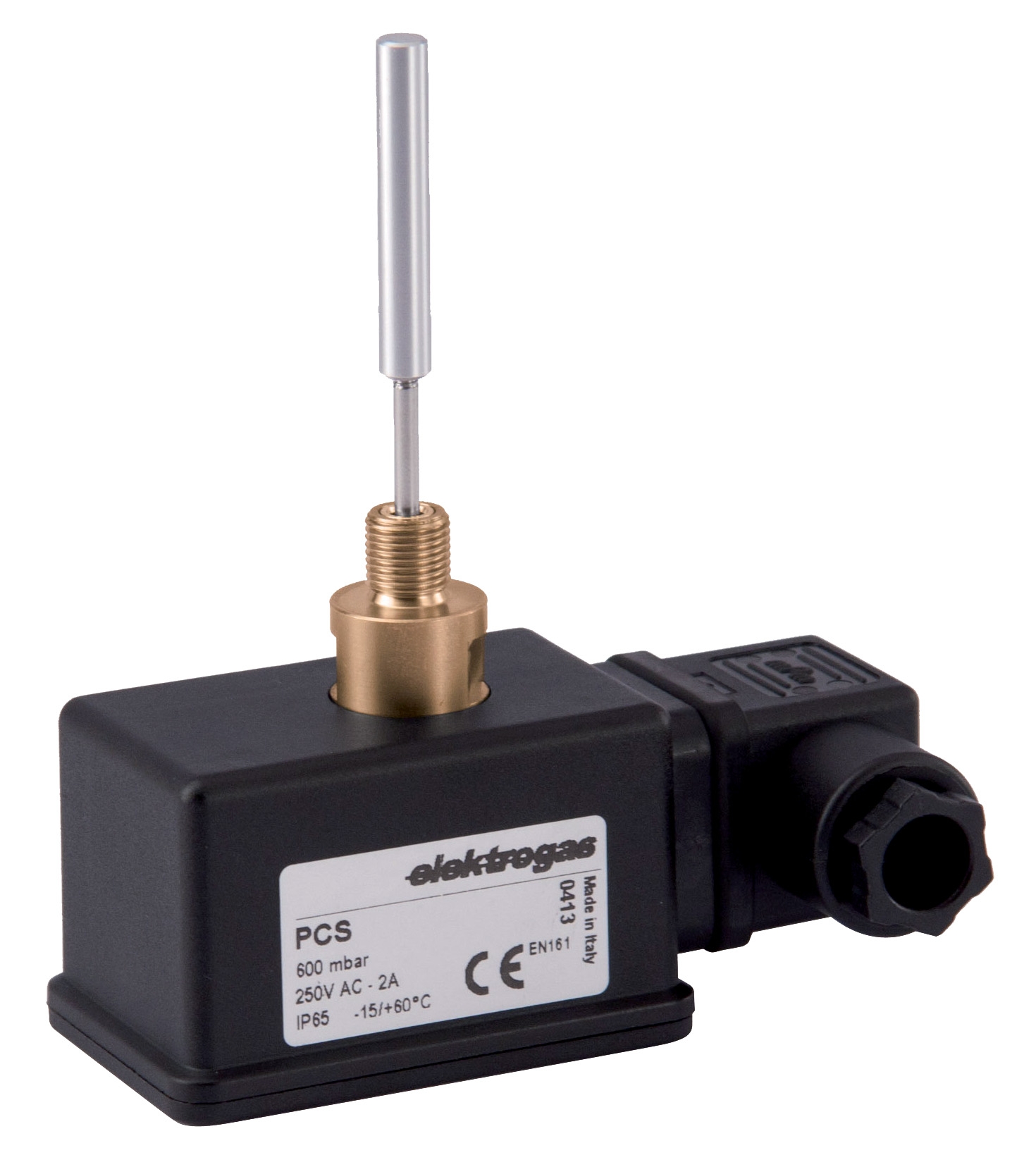
Secondary regulation occurs at the burner itself, fine-tuning pressure for optimal combustion. The Elektrogas VMM 20-25 end-of-stroke contact valve, rated 6 bar provides precise control at burner manifold pressure levels. This unit's EN 161 certification confirms compliance with European safety standards—a benchmark Singapore contractors reference for system integrity. The 3 mm Allen wrench adjustment mechanism allows field technicians to fine-tune combustion parameters without specialized tools, enabling rapid commissioning and pressure verification across different fuel gas specifications (town gas, LPG, or biogas blends used in Singapore).
End-of-stroke contact valves also serve critical safety functions, ensuring burner shutdown during demand cessation and preventing gas leakage through idle burners—essential in multi-zone commercial HVAC systems where individual zones cycle on/off throughout operating hours.
Pressure Stability and Environmental Factors in Tropical Climates
Temperature Compensation in Hot, Humid Conditions
Singapore's consistent 24–35°C ambient temperatures and 65–95% relative humidity create unique challenges for pressure regulation. Temperature directly affects regulator spring tension and diaphragm elasticity; a regulator calibrated at 20°C will gradually shift its setpoint as ambient rises. Quality regulators incorporate temperature-compensated springs or balanced design elements minimizing this drift—critical for maintaining ±5% pressure stability required by modern HVAC burner management systems.
Cotton or nylon vent elements in some regulators absorb atmospheric moisture, swelling and restricting air passages under Singapore's humidity conditions. Contractors should verify vent design during specification; corrosion-resistant stainless steel or synthetic materials outperform traditional materials in coastal and industrial zones near the Strait of Singapore.
Flow Capacity and Load Matching
HVAC load profiles vary dramatically between central air-conditioning plants (steady-state operation with minor load swings) and variable air volume (VAV) systems (frequent load steps from 20% to 100%). Undersized regulators exhibit pressure overshoot during load decreases—a condition where outlet pressure spikes 15–25% above setpoint before stabilizing. This overshoot can damage sensitive pilot valves or exceed burner design limits. Oversized regulators lag during load increases, causing temporary pressure dips and flame instability.
Proper sizing requires accurate burner flow demand at design conditions. A typical 100 kW HVAC burner consumes 3–5 m³/hour of town gas or 1.5–2.5 m³/hour of LPG. Secondary regulators must be sized for this demand at the lowest supply pressure anticipated (accounting for network losses). This prevents starvation scenarios where interconnected building systems compete for available supply during peak cooling loads.
Safety Systems and Singapore Compliance Requirements
Integrated Relief Functions
Singapore's PUB gas safety code requires pressure relief protection at every regulation stage. Separate relief valves introduce connection points vulnerable to leakage and blockage in tropical environments; integrated relief designs (like the Francel B25/37mb's 10 mm safety vent) eliminate these risks. Relief vents must be piped outdoors to prevent gas accumulation in plant rooms—non-negotiable in Singapore's compact building design where mechanical rooms often sit adjacent to occupied spaces.
Relief valve setpoint verification occurs during annual maintenance inspections mandated by PUB. Contractors must maintain calibrated test gauge capability and document relief function within specified tolerances. The 37 mbar Francel unit's safety margin typically allows setpoint at 40–42 mbar, providing 8–13% overpressure protection before venting—standard for HVAC applications.
Pilot Safety Systems and Flame Supervision
Pilot-operated regulators must incorporate shutoff capability upon pilot flame loss. Singapore's PUB standards require automatic shutoff when pilot pressure drops below 80% of normal operating value, preventing uncontrolled fuel flow if the pilot flame extinguishes. This function integrates with burner management systems through solenoid isolation valves that vent pilot pressure on abnormal conditions.
Contractors should specify regulators with integral pilot shutoff only from manufacturers meeting PUB's approved equipment list (AEL). Equipment certification requires third-party testing and ongoing supply chain verification—reasons why established European suppliers like Francel, Elektrogas, and Pratissoli command premium positioning in Singapore's controlled market.
Field Commissioning and Pressure Verification Procedures
Initial System Pressurization and Leak Detection
After installation, contractors must perform pressure hold tests per BS EN 12327 standards—increasingly adopted by Singapore authorities for safety validation. The system is pressurized to 30 mbar above normal operating pressure and monitored for 10 minutes; acceptable leakage rates are less than 0.5 mbar/minute for HVAC applications.
In tropical humidity, even minor leaks accelerate. Contractors often use soapy water (soft soap and distilled water, not commercial detergents) rather than electronic sniffers, as ultrasonic detectors become unreliable when condensation coats sensors. Dielectric soap solutions prevent false positives from harmless surface moisture.
Regulator Performance Baseline Establishment
Accurate baselines enable preventive maintenance. Upon commissioning, contractors should record: (1) inlet pressure at minimum and maximum burner demand, (2) outlet pressure stability over 5-minute runs at each demand level, (3) pressure overshoot magnitude during load step-downs, (4) ambient temperature and humidity during testing. These metrics establish normal operation parameters; subsequent annual inspections compare against baselines to detect regulator drift or diaphragm degradation.
Pressure recording should occur with calibrated digital gauges accurate to ±0.5 mbar—mechanical gauges introduce measurement error exceeding typical HVAC tolerances. Many contractors establish pressure verification stations at accessible manifold test points, enabling quick quarterly spot-checks without breaking primary connections.
Product Selection Framework for Singapore HVAC Contractors
Matching Regulator Type to System Architecture
Central plant systems (serving 5+ building floors through high-pressure steel pipe networks) typically require pilot-operated primary regulators with separate secondary units at each burner. The Francel B25/37mb works effectively as a secondary regulator in these architectures, providing fail-safe pressure protection at individual burner manifolds.
Smaller installations (single large burner or dual-burner systems in shop-houses or small office buildings) benefit from direct-acting designs' simplicity and lower cost. The integrated relief eliminates redundant components and reduces leak potential—significant advantages in humid Singapore environments where every connection represents a corrosion risk.
Certification and Approval Considerations
Singapore contractors must verify that selected regulators appear on PUB's AEL or equivalent approved lists. European suppliers meeting EN 161 and EN 12327 standards generally qualify; products carrying these certifications demonstrate compliance with pressure control accuracy (±5% outlet stability), safety response times (relief actuation within 2 seconds), and durability requirements.
Imported products require import permits and certification translation into English; 3G Electric handles these administrative elements as a distributor, ensuring contractors receive equipment with complete Singapore-compliant documentation packages.
High-Pressure Hose Integration and System Robustness
Regulators connect to burner manifolds through high-pressure hoses rated for supply pressures. Pratissoli ZT06B1000353 and Pratissoli ZT03A0200152 Pilotflex hose assemblies provide Italian-engineered reliability in pressure applications, with complete fittings preventing assembly errors. Hose specifications (nominal bore, working pressure, temperature range) must match regulator outlet capacity and anticipated system pressures. In tropical Singapore, hose life expectancy decreases 15–20% compared to temperate climates; premium hose selections extend service intervals and reduce unplanned maintenance.
The Pratissoli ZT04A0100202 variant offers alternate bore sizing, accommodating smaller pilot system or secondary regulation scenarios. Contractors benefit from standardizing on Pratissoli components across installations, simplifying spare parts inventory and technician training.