Understanding Gas Valve Capacity and Flow Rate Fundamentals
Gas Valves & Regulation are critical components in industrial gas distribution systems, and their capacity directly impacts system performance, safety, and operational costs. Unlike simple on-off devices, modern gas valves must be sized according to specific flow rate requirements, pressure differentials, and gas properties. The capacity of a gas valve is determined by its Cv value—the flow coefficient that indicates the volume of fluid (in gallons per minute) that will pass through at a pressure differential of 1 psi.
In industrial applications serving Singapore's manufacturing sector, undersizing a valve creates bottlenecks that reduce throughput and increase pressure drop across the system. Oversizing introduces instability, sluggish response times, and poor regulation accuracy. 3G Electric has supplied industrial gas control equipment for over 35 years, and our experience shows that improper valve sizing accounts for approximately 30% of flow-related performance issues reported in the field.
The fundamental relationship governing flow through a gas valve is: Q = Cv × √(ΔP / G), where Q is flow rate (SCFM), Cv is the valve's flow coefficient, ΔP is the pressure differential across the valve, and G is the specific gravity of the gas. For compressed air systems common in Singapore plants, G typically ranges from 1.0 to 1.4. Understanding these relationships allows you to work backward from required system flow to specify the correct valve Cv.
Capacity Calculations and Pressure Drop Analysis
Accurate capacity planning begins with determining your system's maximum expected flow demand. Industrial gas systems often experience variable flow patterns: peak demand during production runs may exceed baseline consumption by 200-300%. Your valve selection must accommodate these peaks without causing excessive pressure drop that compromises downstream equipment performance.
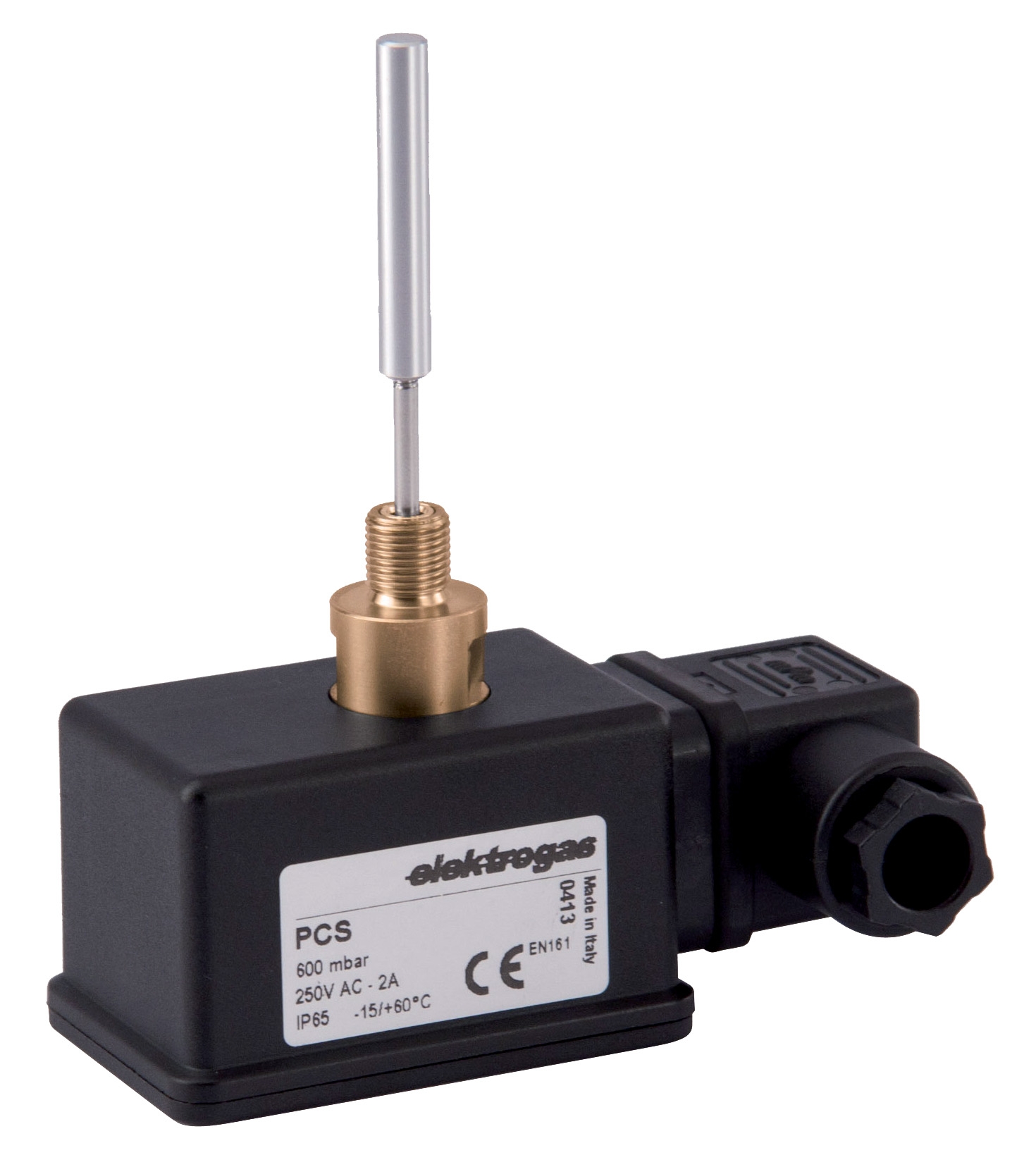
Pressure drop is the difference in pressure between the valve inlet and outlet. Regulatory standards typically limit acceptable pressure drop to 10-20% of the system pressure. For example, in a 6 bar system (common for pneumatic control applications in Singapore), acceptable drop would be 0.6-1.2 bar. The Elektrogas VMM 20-25 end-of-stroke contact valve, rated for 6 bar operation, exemplifies precision regulation where flow capacity must be maintained while preserving pressure stability.
When calculating required Cv, industrial professionals must account for three critical factors:
- Gas compressibility: Unlike liquids, gases compress under pressure. At higher system pressures, the same mass flow requires smaller volume flow rates. Your calculations must use actual gas densities at operating conditions, not standard conditions.
- Temperature effects: Gas density varies with temperature. A valve selected at 20°C may underperform at 40°C ambient conditions common in Southeast Asian industrial facilities. Always apply correction factors: Cv(actual) = Cv(standard) × √(T_standard / T_actual)
- Valve position impact: Capacity ratings are typically specified at full open position. Partially-open valves for throttling applications have significantly reduced flow capacity and must be evaluated separately.
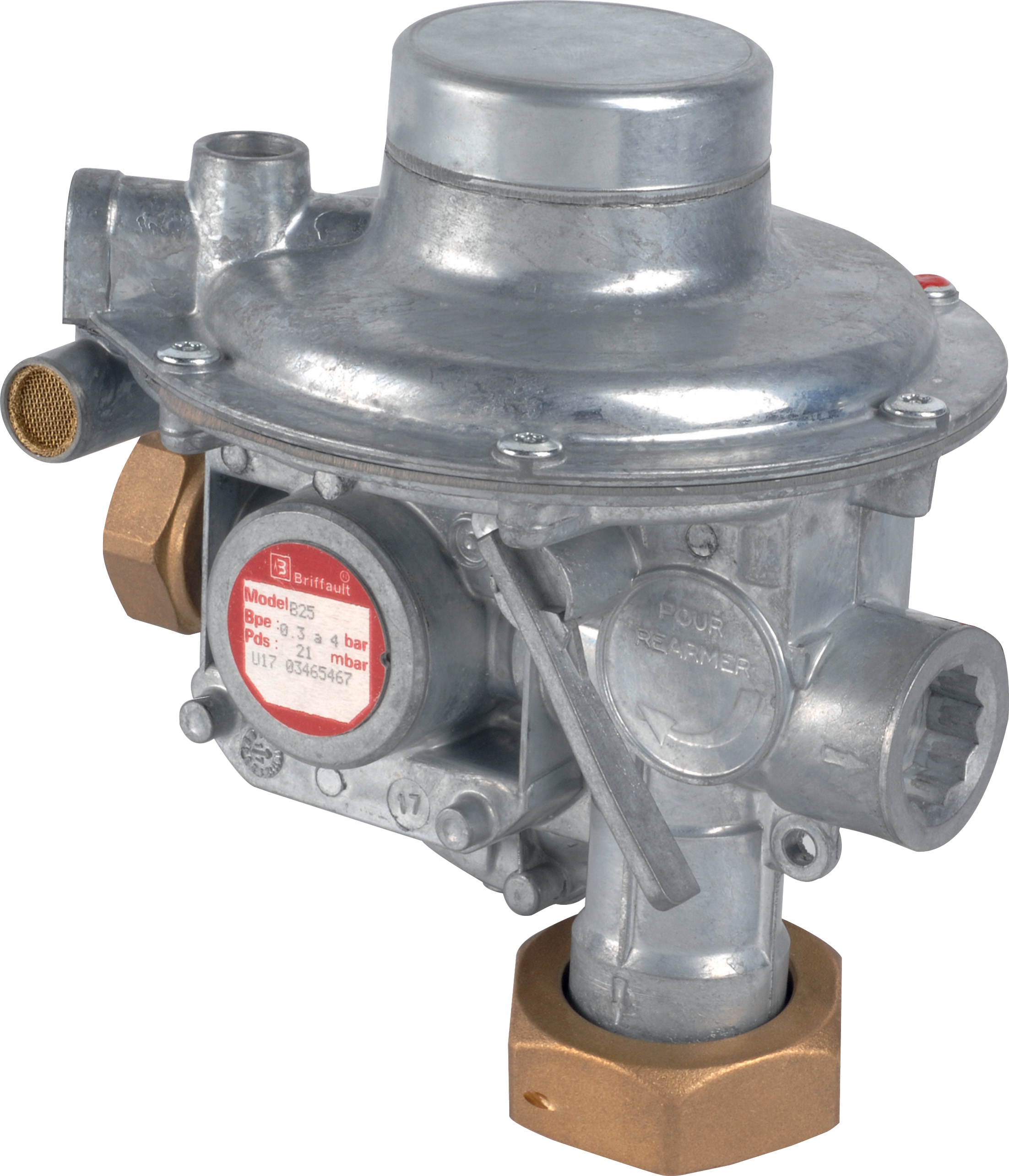
For pressure regulators like the Francel B25/37mb pressure regulator with integrated safety relief, capacity planning must consider both the main flow path and the safety relief path. The B25/37mb delivers 37 mbar outlet pressure with a 10 mm vent size—this vent dimension directly affects relief flow capacity when the outlet pressure exceeds setpoint. Relief capacity must equal or exceed the maximum inlet flow to prevent dangerous pressure accumulation.
Practical Selection Methodology for Singapore Industrial Operations
Industrial professionals should follow a structured approach to select appropriately-sized gas valves:
Step 1: Define System Parameters
Document your operating pressure range, normal and peak flow rates (in SCFM or NL/min), gas type, temperature range, and acceptable pressure drop limits. For distributed systems across multiple production areas in Singapore plants, measure actual flow during peak production periods rather than relying on design estimates.
Step 2: Calculate Required Cv
Using the flow equation above, calculate the minimum Cv needed for your peak flow at maximum acceptable pressure drop. Add a 15-20% safety margin to account for valve wear over time and potential inlet pressure variations. This becomes your target Cv specification.
Step 3: Evaluate Valve Family Options
Select valves from product families matched to your Cv range. The Elektrogas VMM 20-25 operates within defined pressure bands; confirm your system pressure falls within its 6 bar rating. For higher-capacity applications requiring multiple gas streams, modular valve blocks combining pressure regulation, safety relief, and flow control offer superior capacity management compared to individual components.
Step 4: Verify Safety Function Capacity
Safety relief valves must pass the full inlet flow at their setpoint pressure without exceeding a 10% overshoot. Calculate relief capacity at worst-case conditions: maximum inlet flow combined with maximum inlet pressure. The Francel B25/37mb integrates safety relief into a single compact unit, simplifying this verification for laboratory and industrial gas distribution systems.
Step 5: Account for System Integration Effects
Valves don't operate in isolation. Upstream regulator outlet pressure affects downstream valve inlet conditions, which alters the pressure differential available to the downstream valve. Document the pressure profile across your entire system to confirm each valve receives adequate pressure differential for its required flow capacity.
Industrial procurement professionals should request capacity curves and flow performance data at multiple pressure differentials from suppliers. 3G Electric maintains detailed technical specifications for products throughout our gas control portfolio, enabling rapid capacity analysis during specification phase.
Performance Optimization and Maintenance Implications
Optimal gas valve capacity delivers measurable operational benefits beyond baseline performance. Systems properly sized for flow capacity typically consume 8-12% less compressed air energy, reduce pressure drop losses, and minimize supply-side pressure fluctuations that destabilize downstream process equipment.
Capacity selection directly influences maintenance intervals and component lifespan. Undersized valves operating near maximum capacity experience higher velocity flow, generating erosion damage and internal wear accelerated by 2-3x compared to properly-sized components. Oversized valves operating at low fractional flow suffer from sluggish response and poor regulation accuracy, requiring frequent spool adjustments and contributing to drift-related safety incidents.
Regular flow verification testing maintains optimal performance. Annual capacity audits comparing design flow rates against measured actual flow identify degraded valve performance before downstream equipment failures occur. For pressure-regulated systems like those incorporating the Francel B25/37mb, outlet pressure and vent flow rate testing confirms that the safety relief mechanism retains full capacity and proper setpoint accuracy.
Singapore's compact industrial footprint means many facilities operate interconnected multi-area gas distribution networks. Capacity bottlenecks in central regulation stations directly impact production throughput across multiple work areas. Upgrading to higher-capacity valve solutions—whether through larger Cv regulators or parallel valve installations—often yields ROI within 12-18 months through improved production efficiency.
3G Electric's 35+ years of industrial equipment distribution experience spans the complete lifecycle of gas valve systems. Our Singapore customer base relies on our technical capacity planning support to ensure their gas regulation systems perform optimally from commissioning through end-of-service life. Whether you're upgrading existing systems or designing new capacity for expansion, proper flow rate analysis and valve sizing eliminate costly performance compromises and safety risks.