Understanding Gas Valves & Regulation in Your Plant Context
Gas valves and regulation represent far more than isolated components in your industrial system—they are critical infrastructure that directly influences energy efficiency, operational costs, and safety compliance. For plant managers in Singapore, optimizing these systems can yield measurable reductions in gas consumption while simultaneously improving equipment reliability and worker safety.
With over 35 years of industrial equipment distribution experience, 3G Electric understands that plant managers face increasing pressure to balance cost control with operational excellence. Gas regulation directly affects this balance. Poor regulation leads to pressure fluctuations that damage downstream equipment, increase maintenance frequency, and waste valuable energy resources. Conversely, well-maintained regulation systems operate at peak efficiency, reduce unplanned downtime, and demonstrate compliance with Singapore's rigorous industrial standards.
This comprehensive guide addresses the practical concerns plant managers face: how to identify inefficiencies in current systems, evaluate regulation performance against cost targets, and implement improvements that deliver measurable ROI.
Section 1: Energy Efficiency Through Proper Pressure Regulation
The Business Case for Regulation Optimization
Many plant managers underestimate the energy losses hidden in suboptimal gas regulation. When pressure regulators drift out of specification or suffer from calibration drift, several costly consequences follow:
Pressure Overshoot and Energy Waste: Regulators that deliver outlet pressures higher than required force your downstream equipment to work harder than necessary. A laboratory or industrial gas distribution system operating at 40 mbar when only 37 mbar is needed consumes 8% excess energy. Across 24/7 operations, this compounds into substantial monthly utility bills.
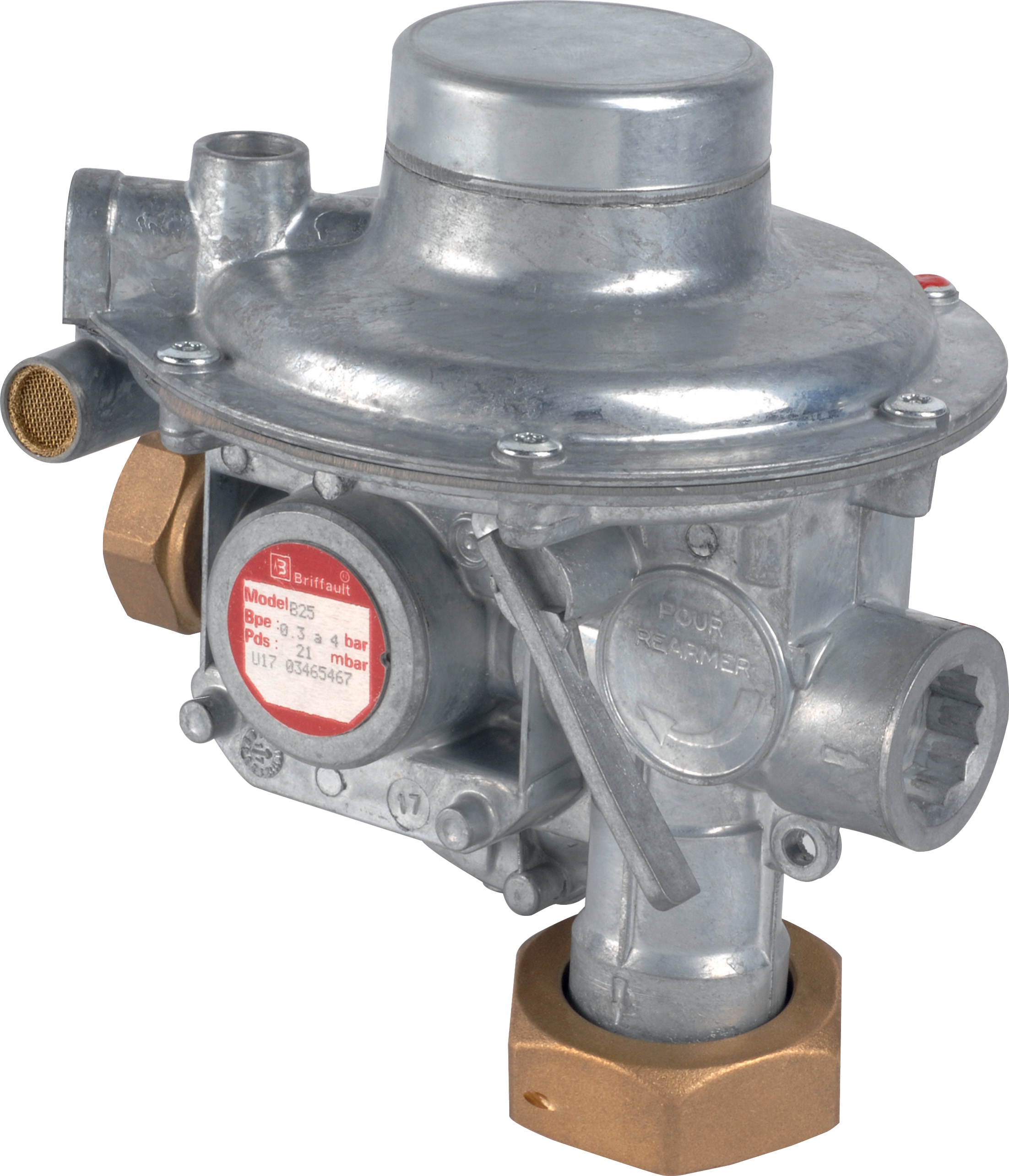
Pressure Instability and Component Wear: Fluctuating pressures cause valve hunting, where control valves continuously adjust to compensate for incoming pressure variations. This accelerates seal wear, increases maintenance intervals, and reduces equipment lifespan. The Francel B25/37mb pressure regulator with integrated safety relief delivers stable 37 mbar outlet pressure specifically designed to eliminate these stability issues in laboratory and industrial applications.
Cascade Effects on Downstream Systems: When primary regulators fail to maintain stable pressure, secondary control systems must compensate. This creates a cascade of inefficiencies throughout your gas distribution network, with each compensatory action adding operational complexity and energy consumption.
Implementing Pressure Monitoring for Quick Wins
Plant managers can implement immediate improvements without major capital investment:
- Install pressure gauges at critical points in your distribution network—upstream and downstream of main regulators, before and after major consumption points. This baseline monitoring reveals where pressure losses occur and identifies drift over time.
- Schedule monthly pressure audits comparing actual outlet pressures against design specifications. Document trends in a simple spreadsheet. When regulators consistently deliver 5% above setpoint, they're costing you energy and should be serviced or replaced.
- Audit regulator age and maintenance history. Regulators typically require recalibration every 12-24 months depending on duty cycle. Many plants operate regulators long past their last service interval, introducing unmeasured drift into pressure control.
- Prioritize replacement of analog gauge regulators with modern instruments that feature enhanced stability and integrated relief functions. The integrated safety relief in modern designs like the Francel B25/37mb eliminates the need for separate relief components, reducing footprint and complexity while improving response characteristics.
Section 2: Safety Compliance and Risk Management for Singapore Operations
Regulatory Framework in Singapore
Singapore's Factories Act and relevant Technical Regulations require specific safety standards for gas handling systems. Plant managers must ensure that all gas valves and regulation equipment meet these standards, with particular attention to:
- Pressure Relief Requirements: All gas systems above certain pressure thresholds require pressure relief protection. The integrated safety relief design in modern regulators provides redundant protection while reducing the component count that requires maintenance and inspection.
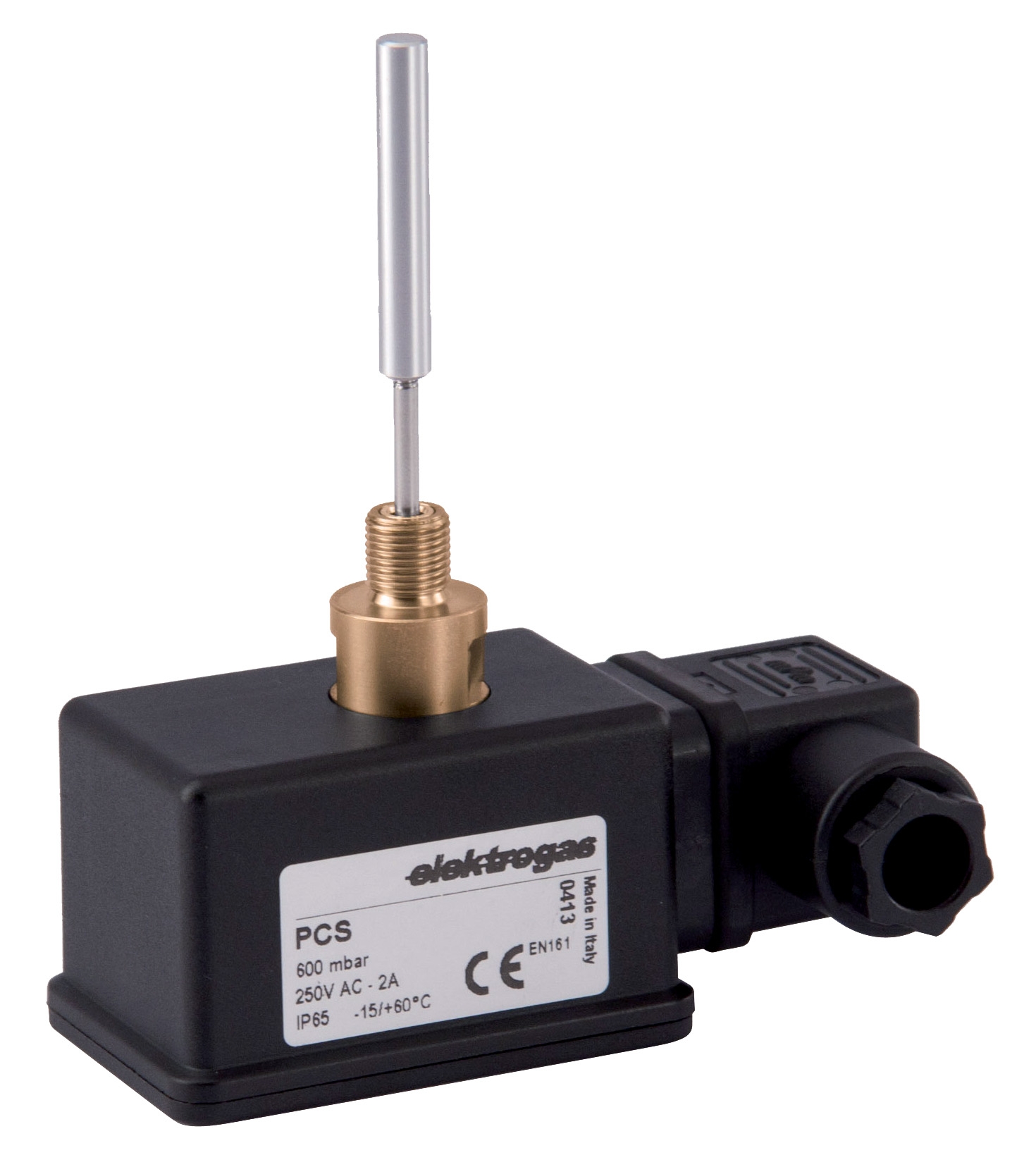
- End-of-Stroke Protection: For systems using pilot-operated or controlled gas valves, end-of-stroke protection prevents overpressure when pilot lines become blocked or fail. The Elektrogas VMM 20-25 end-of-stroke contact valve operates at 6 bar rating and meets EN 161 standards, providing the critical protection your plant legally requires for pneumatic and gas control applications.
- Documentation and Traceability: Singapore's regulatory framework requires comprehensive documentation of all safety-critical components, including installation records, maintenance logs, and pressure test results. Modern valve systems with clear markings and integrated test points simplify this compliance burden.
Practical Safety Audit Checklist for Plant Managers
Conduct quarterly safety reviews using this practical checklist:
- Verify that all pressure regulators have legible outlet pressure settings marked and match your system design documentation
- Confirm that all safety relief valves have current pressure test certification within Singapore's required timeframe
- Check that pilot lines and sensing connections are physically protected against damage or contamination
- Inspect for pressure gauge functionality—broken or illegible gauges hide dangerous conditions
- Verify that vent lines from relief valves discharge safely away from work areas
- Document any abnormal sounds, vibrations, or odors from valve banks during normal operation
These simple checks often reveal maintenance issues before they become safety incidents or expensive emergency repairs.
Section 3: Selecting and Maintaining Valve Systems for Cost Control
Total Cost of Ownership Analysis
Plant managers often make valve selection decisions based on purchase price alone, overlooking the true cost of ownership. A comprehensive analysis includes:
Initial Capital Cost: The purchase and installation expense. While important, this typically represents only 20-30% of the total cost of ownership over the equipment's lifespan.
Maintenance and Service Costs: Annual calibration, seal replacement, safety testing, and emergency repairs. Equipment with integrated functions (like the Francel regulator's combined pressure regulation and safety relief) typically costs less to maintain than systems with separate components requiring individual service.
Energy Consumption: A regulator that drifts to deliver 5% excess pressure adds measurable cost every operating day. Over a 5-year equipment life, precision regulation can save tens of thousands in energy costs, particularly for large-scale operations.
Unplanned Downtime: A failed regulator that causes unexpected production stoppage costs far more than the equipment's purchase price. Selecting components designed to EN standards with proven reliability records minimizes this hidden cost.
Operational Complexity: Systems with multiple separate components require more training, more troubleshooting expertise, and more coordination during maintenance. Integrated designs reduce this burden.Maintenance Intervals That Protect Your Budget
Develop a formal maintenance schedule based on manufacturer recommendations and your specific duty cycle:
Monthly Tasks: Visual inspection for obvious damage, verification that pressure gauges read correctly, checking for any abnormal noise or vibration
Quarterly Tasks: Measure and record actual outlet pressures against design specifications, inspect all visible connections for leaks or corrosion, test pressure relief function at test points (if your valve design includes them)
Annual Tasks: Professional pressure test and calibration of all regulation equipment, complete seal replacement on high-duty regulators, full documentation update for compliance records
As-Needed Tasks: Immediate response to any pressure reading that deviates more than 3% from setpoint, emergency replacement if regulator response becomes sluggish or unstable
This systematic approach prevents the common pattern where equipment gradually drifts out of specification until a crisis forces expensive emergency service.
Section 4: Practical Implementation Strategy for Singapore Plant Managers
Phase 1: Baseline Assessment (Month 1)
Conduct a complete audit of your current gas regulation infrastructure:
- Document every regulator in your system: manufacturer, model, installation date, last service date, current outlet pressure setting
- Photograph pressure gauges showing current readings—this creates a baseline for future comparison
- Identify any regulators with missing maintenance records or unknown service history
- Note any equipment that operates continuously versus intermittently—duty cycle affects maintenance frequency
This assessment typically reveals that 15-25% of installed equipment has drifted out of specification or operates beyond recommended service intervals.
Phase 2: Quick Wins (Months 2-3)
Implement no-cost or low-cost improvements:
- Service all regulators that exceed recommended maintenance intervals
- Repair or replace pressure gauges that are illegible or stuck
- Verify and document pressure settings against system design
- Inspect all visible connections for leaks and tighten as needed
- Clean or replace air filter elements in pilot line systems
These basic maintenance actions typically restore 5-8% efficiency gains in pressure control systems that have drifted over time.
Phase 3: Equipment Upgrades (Months 4-6)
Replace highest-priority equipment with modern alternatives offering better integration and reliability:
- For laboratory and industrial gas distribution requiring stable 37 mbar outlet pressure, specify Francel B25/37mb pressure regulators featuring integrated safety relief. These devices combine regulation and safety protection in a single compact unit, reducing maintenance complexity while improving pressure stability.
- For pneumatic systems requiring end-of-stroke protection at 6 bar pressure, specify Elektrogas VMM 20-25 valves meeting EN 161 standards. These provide the redundant safety protection Singapore regulations require while delivering reliable performance.
- For complete hose assemblies in high-pressure cleaning or specialized applications, source complete units with integrated fittings rather than assembled piecemeal. This ensures pressure rating consistency and simplifies inventory management.
Phase 4: Ongoing Optimization (Continuous)
Establish permanent systems to maintain the improvements:
- Assign responsibility for monthly pressure monitoring and documentation
- Schedule annual professional calibration and testing before contract deadlines
- Train two team members as valve system specialists with access to manufacturer technical documentation
- Create a simple dashboard tracking key metrics: average outlet pressure vs. setpoint, days since last service, any pressure excursions beyond tolerance
- Quarterly management review of valve system performance using this dashboard data
Integration with 3G Electric's Industrial Support
As a global industrial equipment distributor with over 35 years serving Singapore and the broader Asia-Pacific region, 3G Electric supports plant managers throughout this optimization journey. Our experienced team understands the specific regulatory environment in Singapore, the operational demands of diverse industrial applications, and the practical constraints plant managers face.
We supply pressure regulation equipment meeting Singapore's standards, including brands specifically engineered for reliable performance: Francel precision pressure regulators designed for laboratory and industrial gas applications, Elektrogas safety devices meeting international standards, and Pratissoli high-pressure components for specialized industrial applications.
Beyond product supply, our distribution network connects you with technical expertise, maintenance support, and genuine replacement components ensuring your regulation systems maintain design performance throughout their operational life.