How to Properly Size and Install Gas Regulators in Singapore Industrial Systems
Gas regulators are critical components in any industrial gas distribution network, yet many procurement engineers struggle with proper sizing and installation protocols. Incorrect regulator selection leads to pressure instability, flame control issues, and equipment damage—all costly consequences that can be avoided with careful planning. This guide walks you through the complete process of sizing gas regulators for your facility, selecting the right equipment, and installing them according to industry standards applicable in Singapore.
Understanding Gas Regulator Fundamentals and Sizing Requirements
A gas regulator serves one primary function: reducing high-pressure gas from a supply line to a stable, lower pressure suitable for end-use equipment such as burners, analytical instruments, or process heating systems. However, sizing a regulator is far more complex than simply choosing the largest unit available.
The core principle of regulator sizing involves matching three critical parameters: inlet pressure (supply side), outlet pressure (demand side), and volumetric flow rate. Undersized regulators create excessive pressure drop, starving downstream equipment of adequate gas supply. Oversized regulators lack the fine control needed for stable combustion or process operation, resulting in hunting (rapid pressure cycling) or poor turndown performance.
To begin your sizing calculation, determine the maximum flow requirement of your system. For industrial burners, this is typically stated in kilowatts (kW) of thermal output or cubic meters per hour (m³/h). For laboratory applications, flow may be specified in liters per minute (L/min). Next, confirm your supply pressure—industrial systems often operate at 200 bar or higher, while residential applications may use 25–50 mbar inlet pressure.
The outlet pressure required depends on your application. Industrial gas burners typically need 50–100 mbar, while analytical equipment might require 5–37 mbar. Some applications demand modulating control across a pressure range, such as 5–300 mbar, requiring a regulator with proportional adjustment capability. Always consult your end-use equipment specifications; these values are non-negotiable.
In Singapore's tropical climate, consider that ambient temperature affects gas density and regulator performance. Most regulators operate across 0–50 °C; verify that your facility conditions fall within the design envelope. High-humidity environments demand stainless steel or coated valve bodies to prevent corrosion.
Selecting Regulators: Technical Specifications and Product Matching
Once you have calculated your flow requirement and pressure specifications, the next step is selecting a regulator that meets these demands with appropriate safety margins and control characteristics.
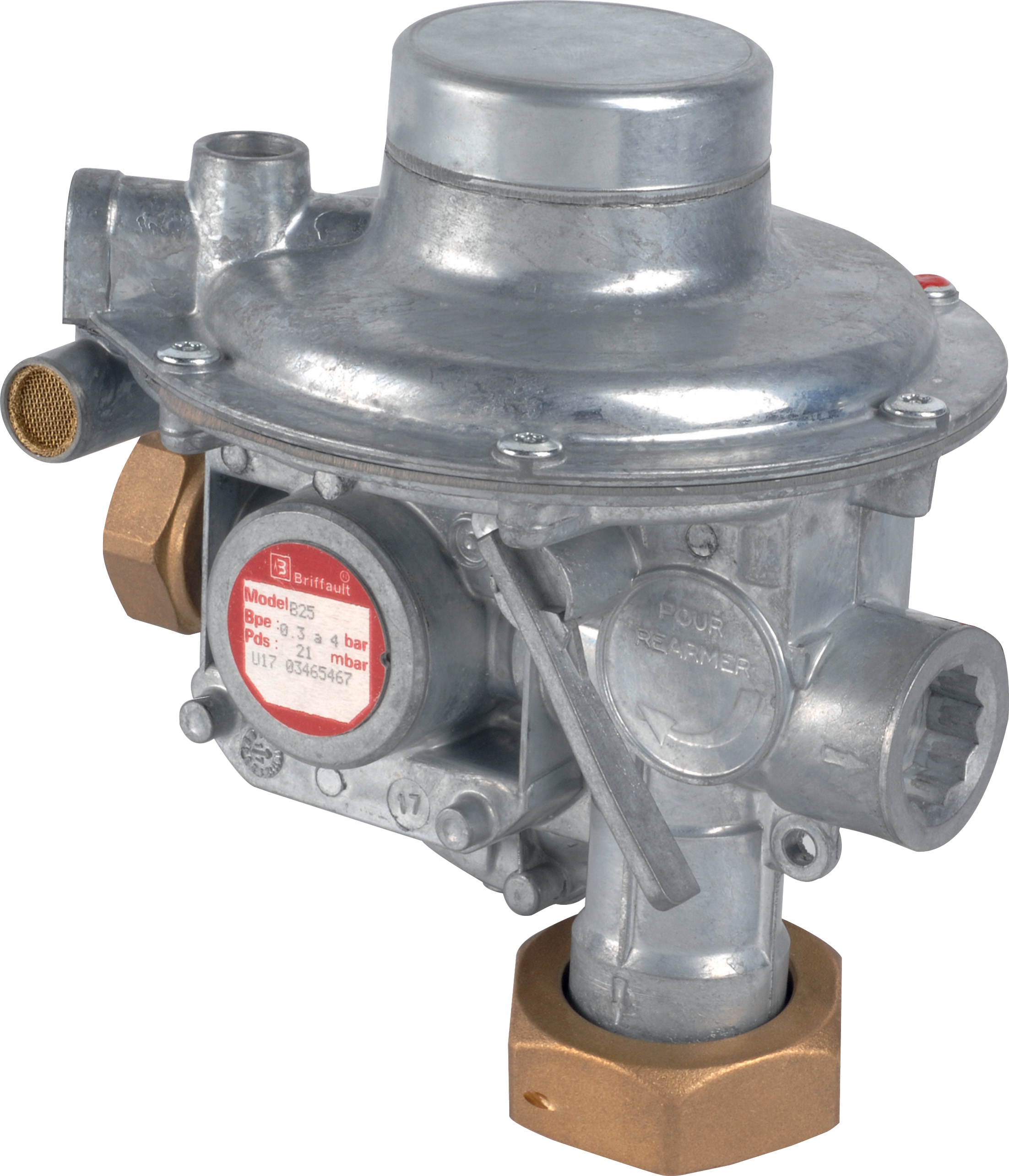
For residential and light commercial applications in Singapore, the Francel B25/37mb pressure regulator delivers a stable 37 mbar outlet pressure with integrated safety relief. This regulator features a 10 mm vent size and accepts sphero-conical or flat inlet connections, making it adaptable to various piping configurations. The flat meter outlet joint ensures compatibility with standard gas measurement equipment. Its self-acting design requires no electricity, making it ideal for facilities with unreliable power supply. This regulator is particularly suited for laboratory gas distribution or small-scale domestic applications where consistent 37 mbar delivery is essential.
For industrial applications requiring higher pressure control and faster response times, the Dungs MVD 515/5 valve represents a robust solution. Rated to 200 bar maximum inlet pressure, this 1½-inch solenoid valve opens in less than one second and features integrated 1 mm filtration to protect downstream equipment. The MVD 515/5 handles up to 20 switching cycles per hour, making it ideal for intermittent industrial processes. Its temperature rating of −15 °C to +60 °C covers most Singapore industrial environments, though facilities with direct sun exposure or adjacent furnaces should verify ambient conditions. The integrated filter reduces maintenance overhead by preventing dirt and scale from blocking downstream components.
For applications requiring modulating control—where pressure must vary smoothly across a range rather than snap between two states—electric modulating pressure regulators are essential. These devices accept an electrical signal that proportionally adjusts outlet pressure, enabling precise combustion control and improved energy efficiency. Systems incorporating modulating burners benefit significantly from this approach.
Safety relief valves protect your system against overpressurization. The Pratissoli S1503 certified safety valve delivers 30 L/min flow capacity at 1500 bar and is engineered to Italian standards for reliability. While designed for high-pressure pump systems, safety valves following similar design principles are essential in all gas networks. Size the relief valve to match your system's maximum flow to prevent dangerous pressure buildup.
When selecting valve bodies, consider material composition. Stainless steel suits corrosive environments or systems handling corrosive gas mixtures. Aluminum bodies (as found on the FBR GAS XP 60/2 CE TC EVO burner) work well in dry industrial settings but require protection if moisture exposure is possible. Brass and cast iron suit general industrial applications where cost is a primary concern.
Step-by-Step Installation and Commissioning Procedure
Step 1: Prepare the Installation Site
Before installation, inspect the gas supply line for debris, scale, or moisture. Run gas through the line at full pressure for several minutes to flush out contaminants. Install a temporary strainer (100 mesh or finer) upstream of your regulator connection point. This critical step prevents dirt from lodging in the regulator's delicate control orifice, which would cause erratic pressure output or complete failure.
Step 2: Install Inlet and Outlet Piping
Connect the regulator's inlet port directly to the high-pressure supply line using appropriate fittings—sphero-conical, flat, or threaded connections depending on your regulator's design. For the Francel regulator, verify that you are using the correct joint type (sphero-conical or flat) to ensure a gas-tight seal. The outlet connection—typically a flat meter joint—should connect to your distribution piping or directly to end-use equipment. Use two wrenches when tightening connections: one holding the valve body and one turning the fitting. This prevents stress on internal components and eliminates leaks.
Step 3: Install Pressure Gauges
Mount a pressure gauge immediately downstream of the regulator outlet, calibrated to match your expected outlet pressure range. For low-pressure applications (5–100 mbar), use a 0–160 mbar gauge; for higher pressures, step up accordingly. Gauges allow you to verify stable output pressure during commissioning and detect drift over time. Leave gauges installed permanently on critical applications.
Step 4: Commission and Adjust
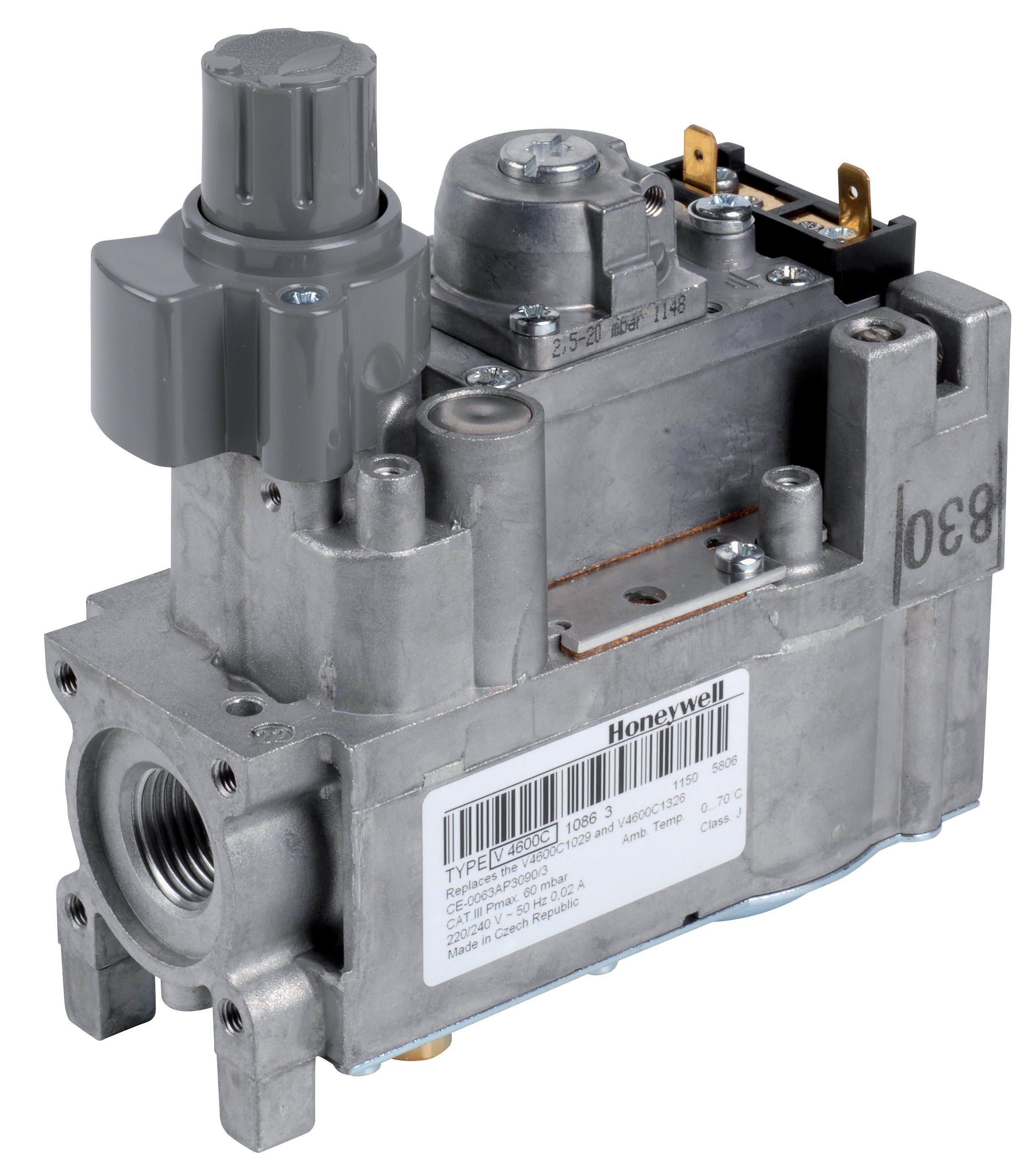
Apply inlet pressure slowly, opening the supply valve gradually over 30 seconds to avoid pressure shock. Observe the outlet gauge. If your regulator has an adjustable setpoint (such as the Elektrogas VMM 20-25 contact valve, which requires a 3 mm Allen wrench for adjustment), dial in the required outlet pressure carefully. Make small turns (¼ turn increments) and wait 30 seconds between adjustments to allow pressure to stabilize. Solenoid valve regulators may require electrical connection and control signal calibration; follow the manufacturer's instructions for your specific model.
Step 5: Leak Testing
Once commissioned, pressurize the system and apply soapy water to all connections. Bubbling indicates a leak requiring re-tightening or component replacement. For safety-critical applications, use electronic leak detectors (for natural gas) to verify zero emissions. Document all results in your facility maintenance log.
Selection Criteria and Best Practices for Singapore Industrial Environments
Flow Capacity Matching
Always select a regulator with flow capacity 20–30% above your peak demand. This margin ensures stable control without excessive pressure drop at maximum flow. For example, if your system consumes 100 m³/h at peak load, select a regulator rated for 130 m³/h or higher.
Pressure Drop Budgeting
Industrial gas systems typically allocate 5–10 mbar of pressure drop across the regulator. Some premium valves (like the Dungs MVD series) deliver sub-1-second opening time while maintaining minimal pressure drop, justifying their higher cost through improved system responsiveness.
Redundancy and Backup Systems
Critical applications—such as continuous industrial process heating or hospital oxygen delivery—should incorporate dual-regulator systems with automatic switchover. Install a check valve downstream of each regulator to prevent backflow and crossfeed between regulators.
Environmental Considerations for Singapore
Singapore's high humidity and occasional salt-air exposure (near coastal facilities) demand corrosion-resistant materials. Stainless steel and nickel-plated components outperform bare brass or aluminum. Ensure that your regulator's vent hole (typically 10 mm on domestic units) remains clear and unobstructed; blockage causes the regulator to fail closed, starving the system of gas.
Integration with Burner Systems
When regulating gas for burners like the FBR GAS XP 60/2 CE TC EVO two-stage burner, ensure that regulator outlet pressure matches the burner's design specification. This burner operates at two thermal stages (116 kW minimum, 630 kW maximum), requiring stable pressure across both firing rates. A regulator with tight proportional control characteristics prevents flame instability during stage transitions.
Regular Maintenance Schedule
Inspect regulators quarterly for vent blockage, external corrosion, or audible abnormalities (hissing, chattering). Replace internal diaphragms every 3–5 years or if performance degrades. Test pressure gauge accuracy annually using a master gauge or calibration standard.
Conclusion and Next Steps
Proper gas regulator sizing and installation are foundational to reliable, safe industrial operations in Singapore. By following this systematic approach—calculating precise flow and pressure requirements, selecting equipment matched to your application, and commissioning carefully with documented testing—you eliminate the most common sources of gas system failure. Whether you are specifying a simple pressure reduction regulator like the Francel B25/37mb or integrating multiple control stages with solenoid valves and modulating burners, the principles remain consistent: know your requirements, select appropriate equipment with safety margins, and commission thoroughly.
3G Electric has supplied Singapore's industrial facilities with gas regulation equipment for over three decades. Our technical team can assist with pressure calculations, equipment selection, and system design consultation. Contact us today to discuss your specific gas regulation requirements and let our experts help you build a system that delivers reliability and safety for your operations.