How to Set Up and Regulate Gas Pressure in Industrial Combustion Systems: A Complete Technical Guide
Gas pressure regulation is fundamental to safe and efficient operation of industrial combustion equipment. Whether you're commissioning a new burner system or optimizing an existing installation, understanding how to properly set up and regulate gas pressure ensures stable flame characteristics, fuel efficiency, and compliance with safety standards. This guide walks you through the complete process of establishing proper gas regulation in your industrial facility, covering regulatory principles, component selection, and practical adjustment techniques used by experienced technicians worldwide.
Understanding Gas Pressure Regulation Fundamentals
Gas pressure regulation serves three critical functions in industrial combustion: it reduces supply pressure to safe working levels, maintains consistent output pressure despite fluctuations in input pressure, and provides safety relief to protect downstream equipment. Most industrial facilities receive gas at high incoming pressures—often 1 to 2 bar or higher—that must be reduced to match the specific requirements of burner systems, which typically operate at much lower pressures ranging from 20 to 100 mbar depending on the burner design.
Regulators work through a mechanical feedback principle: as outlet pressure increases, it acts on a diaphragm or piston inside the regulator body, gradually closing an internal valve port to restrict flow. When pressure drops, the mechanism reopens the valve to restore pressure. This self-acting process maintains remarkably consistent output pressure across a wide range of operating conditions. Understanding this principle helps you diagnose regulation issues and appreciate why proper setup is essential.
Two primary regulator types address different industrial needs: reducing regulators handle the main pressure reduction from supply to system working pressure, while safety relief regulators protect equipment from overpressure conditions. Many modern systems employ staged regulation where a primary reducing regulator handles bulk pressure reduction, followed by secondary precision regulators that fine-tune pressure for specific burner circuits or process requirements. This multi-stage approach provides both efficiency and flexibility in complex combustion systems.
The relationship between regulator inlet pressure, outlet pressure setting, and downstream demand creates a dynamic balance. Higher inlet pressures require stronger regulator springs and more robust internal mechanisms. Conversely, low-pressure regulators designed for 50 mbar outlet pressures cannot handle high inlet pressures without damage. This is why selecting the correct regulator type for your specific application is not merely a convenience—it is essential for system safety and longevity.
Selecting and Installing Pressure Regulation Components
Before beginning any regulation setup, you must accurately determine your system's pressure requirements. Industrial burners typically require pressures between 25 and 100 mbar, though some specialized applications operate at higher pressures. Consult your burner manufacturer's technical documentation to identify the exact inlet pressure needed at the burner fuel manifold. Many burner systems specify both minimum and maximum inlet pressures to ensure stable flame characteristics across the full modulation range.
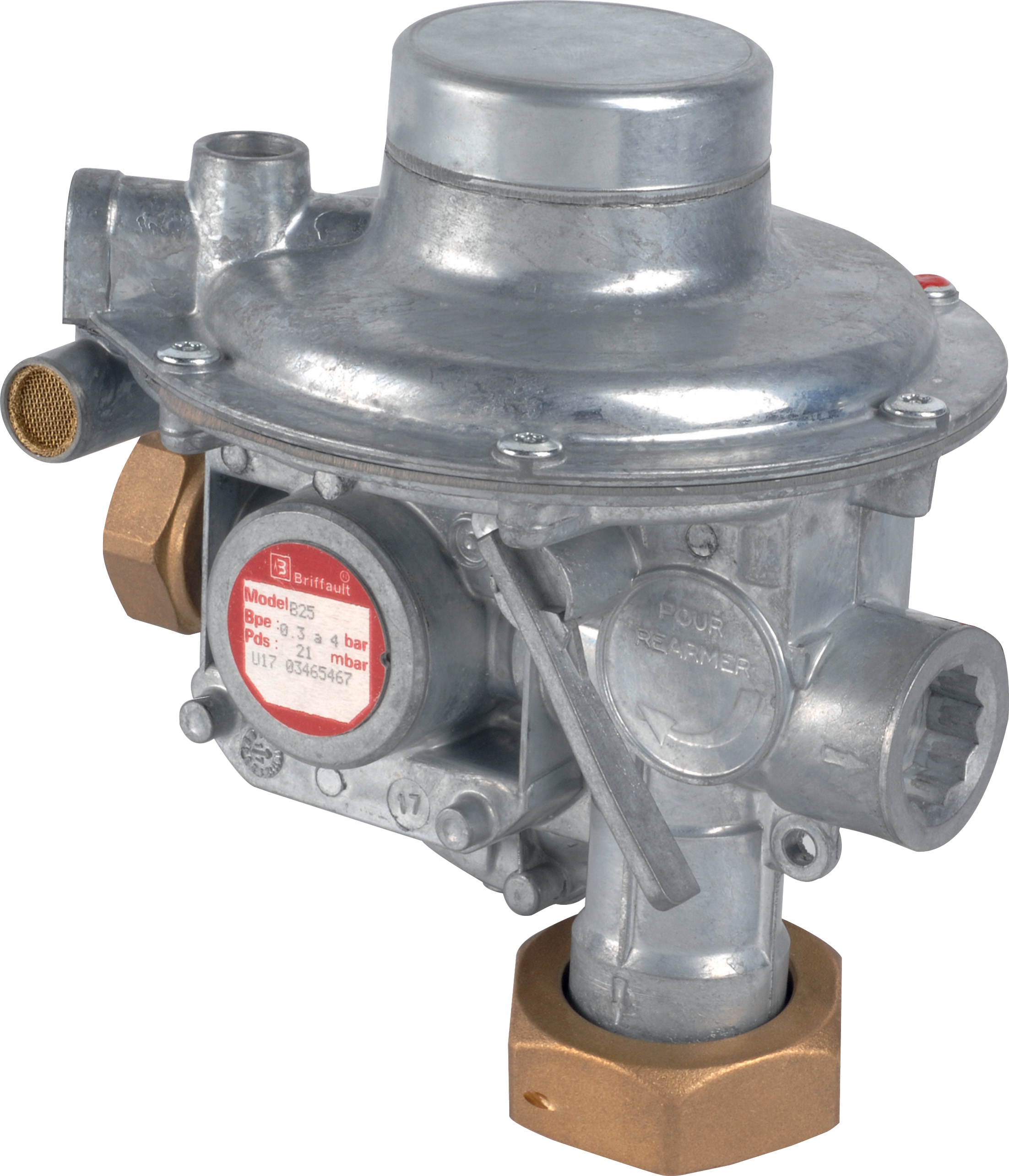
The Francel B25/37mb pressure regulator exemplifies a precision reducing regulator suited to laboratory and industrial gas distribution. This unit delivers a consistent 37 mbar outlet pressure with integrated safety relief functionality, featuring a 10 mm vent size and multiple connection options including sphero-conical or flat inlet connections and flat meter outlet joints. The integrated safety relief eliminates the need for separate relief valve installation in many applications, reducing system complexity and potential leak points.
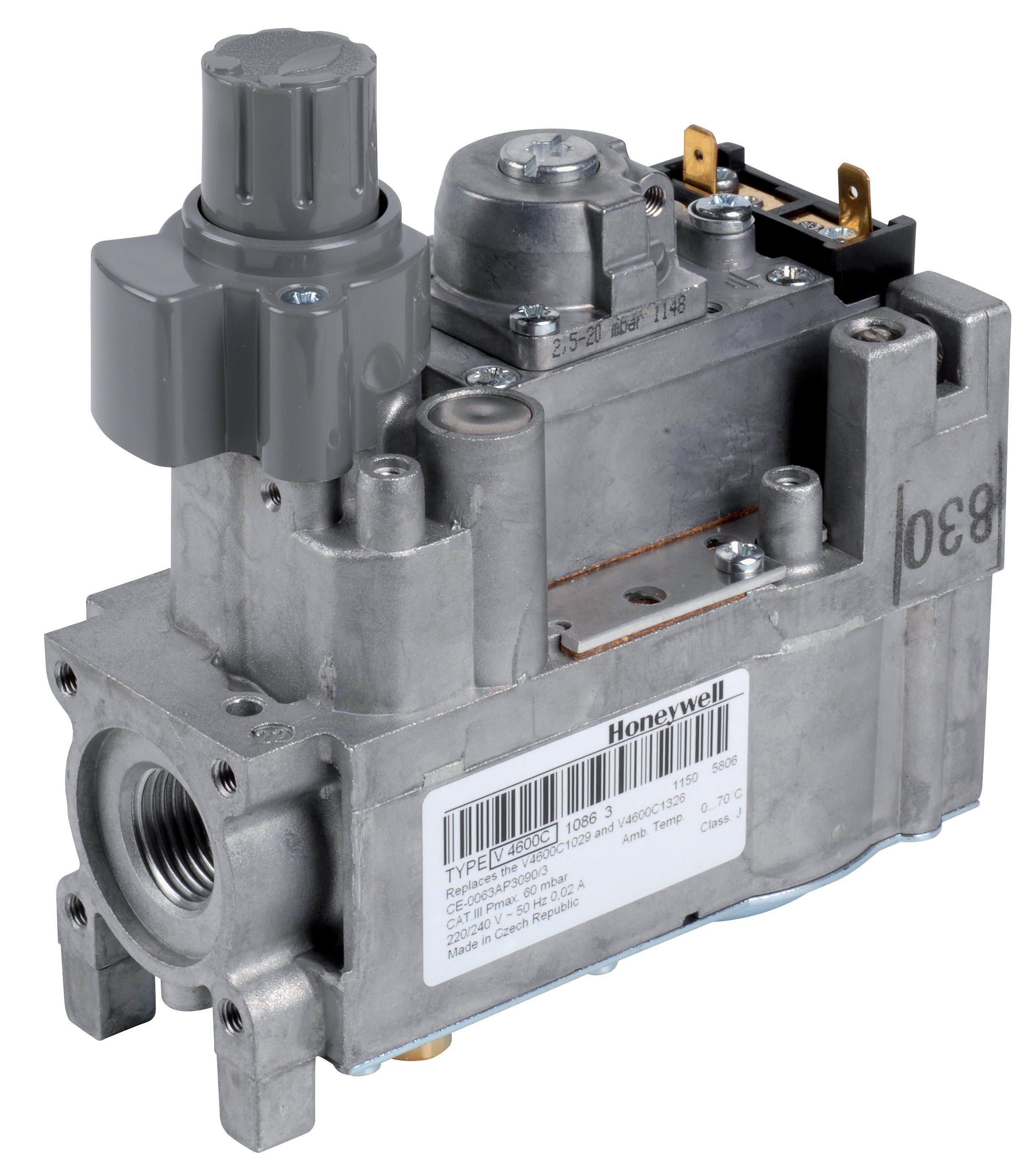
For larger-scale industrial applications requiring higher switching frequencies and more robust pressure handling, the Dungs MVD 515/5 gas regulation valve provides 1½-inch connections rated to 200 bar with sub-1-second opening time and integrated 1 mm filtration. This valve handles up to 20 switching cycles per hour and maintains performance across the wide temperature range of −15 °C to +60 °C, making it ideal for industrial facilities operating in varying ambient conditions. The integrated filtration prevents particulate matter from reaching downstream burner fuel manifolds, a critical feature for maintaining fuel system cleanliness.
Installation positioning matters significantly for regulator performance. Mount reducing regulators in a vertical or nearly vertical orientation whenever possible, with the adjusting spring at the top. This orientation allows any condensate that collects inside the regulator body to drain toward the lower end rather than pooling in the regulator mechanism. Include a tee-fitting strainer upstream of the regulator to capture any particles in the gas supply before they enter the regulator, protecting internal components from wear and blockage. Ensure all connections are airtight, using PTFE tape or approved thread sealants on NPT or BSP connections, and check for leaks using soap solution after tightening.
Step-by-Step Gas Pressure Regulation Setup Process
Step 1: Prepare the System
Before adjusting any regulator, ensure the system is depressurized and all burners are shut off. Close the main gas supply isolation valve. Verify that your pressure measurement equipment—digital or analog manometers—is calibrated and appropriate for the pressure range you'll measure. For most industrial applications, a 0–250 mbar analog manometer or equivalent digital unit provides sufficient precision.
Step 2: Install Primary Reducing Regulator
Mount the primary reducing regulator downstream of the main supply isolation valve, before any branch lines split toward different burner circuits. Connect a pressure gauge to the inlet side of the regulator (upstream) to monitor incoming gas pressure. Connect a second gauge to the outlet side to measure the regulator's output pressure. Slowly open the main supply valve and observe both gauges to confirm proper pressure readings.
Step 3: Adjust Output Pressure
Locate the regulator's adjustment mechanism—typically a spring-loaded screw or lever at the top of the regulator body. Turn the adjustment screw counterclockwise (upward pressure setting) or clockwise (downward pressure setting) in small increments—typically quarter-turn adjustments. After each adjustment, allow 10–15 seconds for the system to stabilize, then read the outlet pressure gauge. Most regulators require multiple small adjustments to reach the target pressure. Never make large sudden turns, as this can overshoot the desired pressure and require tedious return adjustment.
Step 4: Verify Stability Under Load
Once you've set the outlet pressure to specification, initiate controlled burner ignition on one circuit at a time. Observe the outlet pressure gauge as fuel flows through the system. Properly functioning regulators will show minimal pressure drop—typically less than 2–3 mbar—as fuel demand increases. If pressure drops significantly (more than 5 mbar) when burners ignite, the regulator spring tension may be insufficient for your system's demand, or the upstream inlet pressure may be inadequate.
Step 5: Configure Secondary Regulation if Required
Many industrial facilities benefit from secondary precision regulators installed at individual burner manifolds or process circuits. These lower-pressure regulators (typically 20–50 mbar output) refine pressure downstream of the primary regulator, allowing independent optimization of different burner zones. Install secondary regulators using the same mounting orientation and adjustment procedures as the primary unit, but set output pressures to match each specific burner's requirements.
Step 6: Install and Test Safety Relief
If not integrated into your primary regulator, install a separate safety relief valve set 10–15% above the maximum system operating pressure. For instance, if your regular operating pressure is 50 mbar, set the relief valve to lift at approximately 57–58 mbar. This provides protection against regulator failure or unexpected pressure spikes while avoiding nuisance relief actuation during normal operation. Test the relief valve by slowly increasing downstream demand until the relief lifts, confirming it functions at the set pressure.
Fine-Tuning and Optimization Best Practices
After initial setup, optimize your gas pressure regulation for peak performance and efficiency. For burner systems like the FBR GAS XP 60/2 CE TC EVO two-stage gas burner, which operates across a wide modulation range from 116 to 630 kW, pressure optimization becomes critical. At low fire (low burner load), fuel pressure must remain above the minimum threshold to sustain stable flame characteristics; at high fire, pressure must not exceed maximum limits that could destabilize combustion. Consult the burner's technical documentation for the specific pressure-vs-load curve, then adjust your regulator outlet pressure to match the midpoint of the acceptable range, allowing margin for pressure variation in both directions.
Implement pressure monitoring at multiple points in complex systems. A pressure gauge or digital transmitter at the primary regulator outlet confirms that the main regulator is functioning. Additional gauges downstream of secondary regulators or at individual burner manifolds reveal pressure drops across piping and fittings. Excessive pressure drop between regulator outlet and burner inlet indicates undersized piping, excessive fitting restrictions, or partial blockages in filters or fuel lines. Addressing these issues improves burner performance and reduces the regulator's work, extending component life.
Contact maintenance personnel to periodically verify regulation settings—typically monthly for heavily used systems or quarterly for moderate-duty applications. Over time, regulator springs may weaken from repeated cycling, causing outlet pressure to drift. Seasonal changes in ambient temperature can also affect regulator behavior, particularly in facilities without climate control. Documenting baseline pressure readings when the system is new provides reference data for detecting gradual drift and planning maintenance interventions.
For applications utilizing safety-critical equipment like the Elektrogas VMM 20-25 end-of-stroke contact gas valve, precise pressure regulation becomes even more important. This EN 161-compliant valve requires specific inlet pressure ranges to function reliably. Maintaining pressure within the design range ensures the valve opens and closes promptly when commanded, protecting downstream equipment and maintaining safe operation.
Common Troubleshooting and Regulatory Considerations
Pressure Drift and Hunting: If outlet pressure creeps upward or wavers up and down rather than remaining stable, the regulator diaphragm may be damaged or the adjusting spring may require cleaning. Dust accumulation around the adjustment mechanism can also impair function. Gentle cleaning with a soft brush and low-pressure air often restores stable regulation; if cleaning doesn't help, the regulator may require internal inspection or replacement.
Inadequate Outlet Pressure: If the regulator cannot reach the required outlet pressure even with maximum adjustment screw tension, the inlet pressure may be too low, or the regulator may be sized for higher pressure applications. Verify inlet pressure meets the regulator manufacturer's minimum requirement. If inlet pressure is adequate, the regulator's internal spring may be permanently weakened, requiring replacement.
Excessive Pressure Drop Under Load: When outlet pressure drops significantly as burners ignite and fuel flows, either the regulator outlet orifice is too restrictive for your system's demand, or upstream supply pressure is marginal. Verify that gas supply piping from the utility meter to the primary regulator is adequately sized. Consult the piping sizing table in your regulator's technical documentation to confirm that supply line diameter matches the expected flow rate.
Safety considerations demand strict adherence to local codes and standards. Gas regulation systems in most jurisdictions must comply with EN 161 (European safety standard for gas controls), ANSI Z21.78 (North American standard), or equivalent local regulations. These standards dictate regulator testing procedures, maximum overpressure protection limits, and response time requirements for safety shutoff devices. When installing or modifying gas regulation systems, consult your local authority having jurisdiction regarding code compliance and required certifications.
Documentation of all pressure settings, adjustment procedures, and safety relief test results protects both equipment longevity and operational safety. Maintain a system commissioning log recording the date of setup, baseline pressure readings at each gauge location, burner firing rates observed at each pressure setting, and dates of subsequent maintenance checks. This record provides invaluable diagnostic data if problems arise months or years after initial commissioning.
Key Takeaways and Next Steps
Proper gas pressure regulation provides the foundation for safe, efficient industrial combustion. Begin by thoroughly understanding your specific burner's pressure requirements and selecting regulation components rated for your system's inlet and outlet pressures. Follow a methodical setup procedure: install gauges at multiple points, adjust pressure in small increments while observing system response, test operation under actual burner load conditions, and document all settings for future reference.
Ongoing attention to pressure monitoring, seasonal recalibration, and compliance with applicable safety standards ensures your combustion system operates reliably for years. Whether you're working with simple single-stage regulators or complex multi-stage systems with safety interlocks and modulation controls, the fundamental principles of pressure regulation remain consistent: stable outlet pressure, reliable safety protection, and careful attention to component selection and installation practices.
Industrial gas regulation is both an art and a science. The technical knowledge provided here, combined with hands-on experience and manufacturer-specific guidance, equips you to confidently manage gas pressure in any industrial combustion application. For specific questions about regulator selection, setup procedures for your particular system, or technical support in troubleshooting regulation problems, contact the specialists at 3G Electric. Our team brings decades of experience selecting, installing, and optimizing gas regulation systems for industrial facilities worldwide. We maintain an extensive inventory of gas valves and regulation equipment from leading manufacturers, and our technical staff can provide detailed guidance to match the perfect regulation solution to your operational needs.