Understanding Gas Distribution System Maintenance Requirements
Maintenance & Service for gas distribution systems requires a fundamentally different approach than liquid pressure systems. Gas valve components experience thermal cycling, moisture intrusion, and pressure pulsation stresses that demand specialized attention, especially in Southeast Asia's tropical environment.
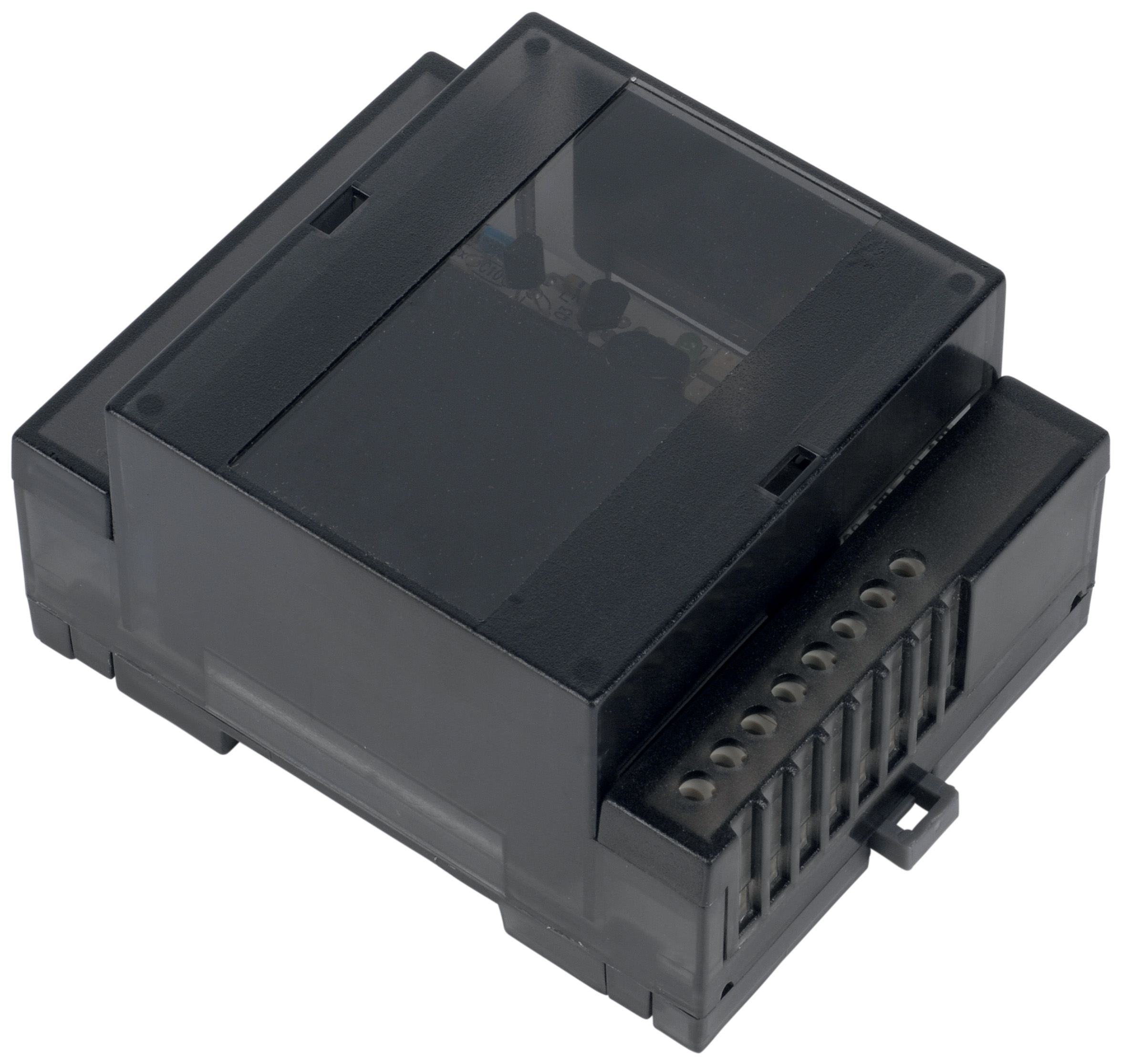
With over 35 years of experience supplying industrial equipment across the region, 3G Electric has observed that most gas system failures stem from preventive maintenance gaps rather than component defects. The Elektrogas Solenoid valve EVRM NA 7 flanges DN65 600 Mbar represents the control backbone of modern gas distribution networks, and its reliability depends entirely on systematic care protocols.
In Southeast Asian plants, humidity levels (60-95% typical) accelerate solenoid coil corrosion and create internal condensation in valve bodies. Temperature fluctuations between 25°C and 40°C cause thermal stress on seals and diaphragms. These environmental factors mean your maintenance team must adopt more aggressive inspection schedules than those recommended for temperate climates.
Solenoid Valve Inspection and Electrical System Testing
Your maintenance routine should include monthly electrical diagnostics for solenoid valves. Begin by measuring coil insulation resistance using a megohmmeter at 500 volts DC. Target readings should exceed 10 megohms; anything below 5 megohms indicates moisture penetration and requires immediate coil replacement.
For the Elektrogas EVRM NA 7 valve, verify the 19 W power consumption specification during energization. Use a calibrated multimeter to confirm voltage drop across the coil matches your control system output (typically 24 VDC or 230 VAC). Voltage variations exceeding ±10% reduce solenoid holding force and cause intermittent valve operation.
Inspect the valve body flanges monthly for moisture condensation on external surfaces. This visual indicator tells you internal humidity levels are rising. Immediately inspect the internal cavity: disassemble the solenoid assembly and dry all internal components with compressed air (ISO 4406 Class 17/15/12 or cleaner). If corrosion appears on the armature or plunger, replace the entire solenoid cartridge—repairs are not cost-effective.
Test valve response time quarterly. Energize the solenoid and measure the time between electrical signal and audible valve actuation using a digital multimeter with frequency measurement capability. Response time should not exceed 150 milliseconds for DN65 flanged valves. Slower response indicates dirt accumulation on the diaphragm or armature stiction and requires ultrasonic cleaning or component replacement.
Document all electrical measurements in a maintenance log. This historical data reveals degradation trends before catastrophic failure occurs. Maintenance teams managing multiple valve stations should create a color-coded card system: green (healthy, 12-month interval), yellow (early degradation, 6-month interval), red (critical, weekly testing required).
Pressure Regulation and Flow Control Diagnostics
Gas distribution systems require precise pressure control to prevent downstream equipment damage and ensure consistent burner or spray system performance. Your maintenance team must understand the relationship between inlet pressure, outlet pressure, and valve spool position.
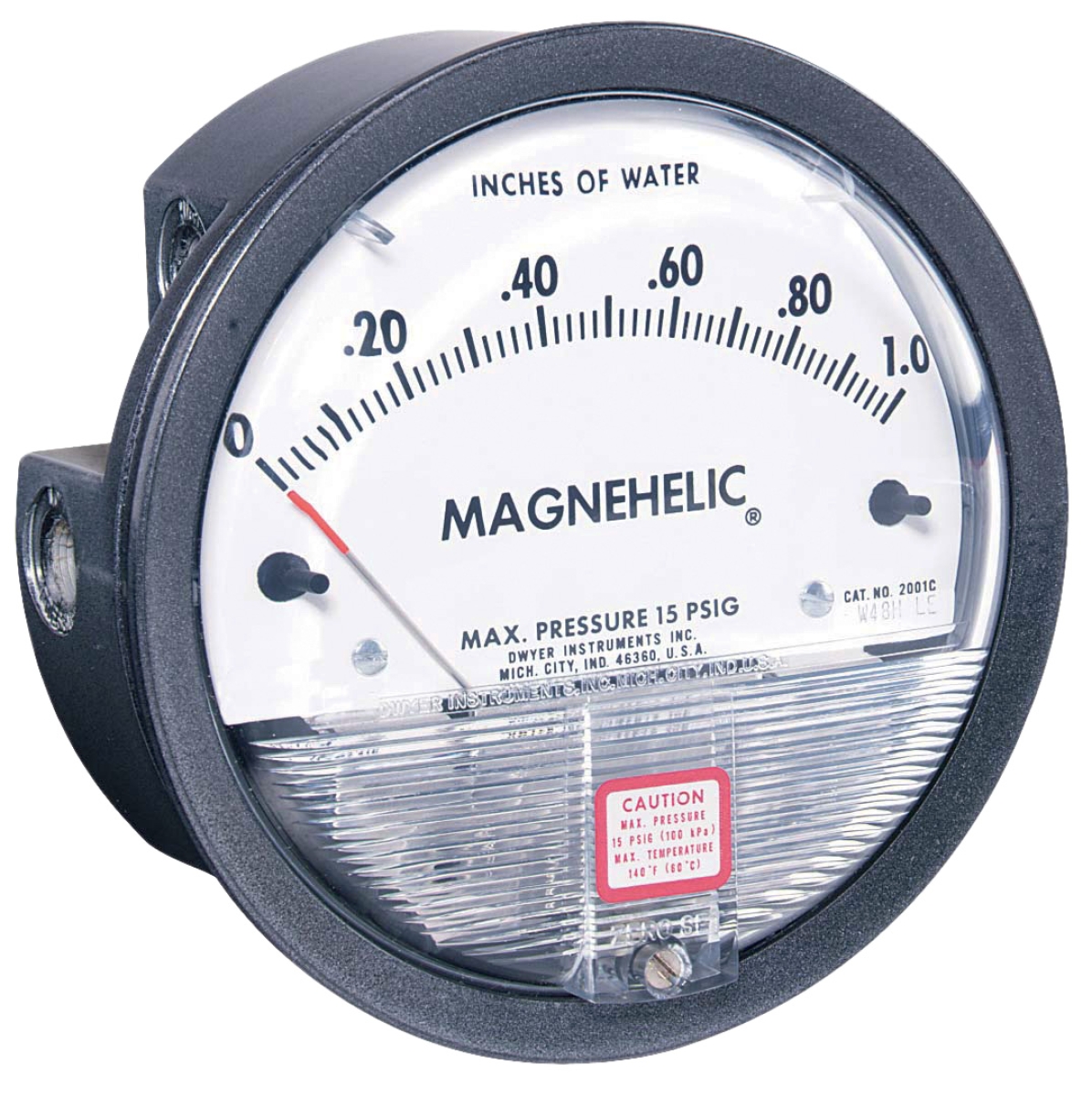
Install a Dwyer Magnehelic differential pressure gauge 2000-8KPA across your main control valve and reference it monthly. This 4-inch dial gauge provides a continuous visual indicator of pressure drop across the valve, revealing sediment accumulation or internal leakage before process failures occur.
For DN65 solenoid valves rated at 600 Mbar (60 bar), establish baseline differential pressure readings at your normal operating flow rate. Document this baseline; deviations of more than 0.5 bar indicate internal damage. If differential pressure increases suddenly, the diaphragm has likely ruptured and the valve must be replaced immediately to prevent gas bypass.
Perform quarterly manual flow tests on control lines using bubble flow meters. Install a calibrated low-pressure regulator downstream of your solenoid valve and measure output at your normal operating pressure. Compare actual flow to manufacturer specifications; if flow drops more than 15%, the valve internal path contains debris requiring ultrasonic cleaning.
Test diaphragm integrity monthly by isolating the valve and applying compressed air at 2 bar above your normal operating pressure. Listen for air leakage past the outlet port; any audible hissing indicates diaphragm failure. Mark failed valves for immediate replacement—partial diaphragm tears allow uncontrolled gas bypass that creates safety hazards in burner systems.
In Southeast Asian humidity, condensation forms in low points of gas supply lines. Install drain ports (quarter-inch NPT) at system low points and drain daily during monsoon season. Accumulated liquid water causes pressure fluctuations and corrodes internal valve components, reducing service life by 50% or more.
Preventive Maintenance Scheduling and Component Lifecycle Management
Establish a tiered maintenance schedule based on environmental severity. For coastal or humid industrial zones in Malaysia, Thailand, and Indonesia, implement these intervals:
Weekly Inspections (High-Humidity Zones): Visual inspection of valve bodies for external moisture, audible drain ports for water drainage, coil insulation for surface contamination, and quick functional tests (energize solenoid, listen for audible response).
Monthly Testing: Electrical resistance measurements, differential pressure gauge readings, manual flow verification, and seal integrity checks using air pressure tests at elevated pressure.
Quarterly Maintenance: Complete solenoid disassembly and cleaning, internal cavity inspection and drying, pilot diaphragm replacement if corrosion visible, and full system pressure mapping from inlet to outlet.
Annual Overhaul: Full valve body inspection and ultrasonic cleaning, seal kit replacement (elastomers degrade 40% faster in tropical humidity), calibration of all pressure reference points against certified standards, and replacement of corroded fasteners.
For the Elektrogas EVRM NA 7, maintain a spare solenoid cartridge in your stock. Solenoid coil replacement takes 15 minutes and prevents 4-hour emergency downtime if moisture intrusion occurs. Budget replacement coils as consumables, not repair items.
Create a valve genealogy log that tracks each solenoid valve's installation date, replacement history, and performance measurements. Valves exceeding 5 years in humid Southeast Asian service should be scheduled for proactive replacement during planned maintenance windows, not during emergencies.
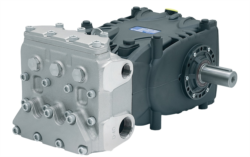
Integrate your solenoid valve maintenance with upstream equipment care. If your gas supply comes from high-pressure industrial pumps like the Pratissoli KF30 high-performance industrial pump (which may feed gas compressors), ensure pump discharge filters are changed every 250 hours. Contaminated inlet gas accelerates solenoid valve wear by 10x.
When using ATEX-certified equipment such as the Pratissoli PISTOLA P560*LANCIA 1000 ATEX spray gun, maintain separate gas supply lines with dedicated solenoid valves. ATEX systems require higher purity gas; never mix ATEX gas supplies with non-certified lines.
Documentation, Training, and Continuous Improvement
Your maintenance team's effectiveness depends on clear documentation and knowledge transfer. Create laminated quick-reference cards showing electrical test procedures, pressure baselines, and acceptable operating ranges for each solenoid valve model. Place these cards near each valve station for daily reference.
Train new maintenance technicians on gas system fundamentals: how thermal expansion affects pressure readings at different ambient temperatures, why humidity causes electrical failures before mechanical failures in solenoid coils, and how to recognize safe vs. unsafe valve responses during functional testing.
Establish a monthly team meeting where maintenance personnel review recent failures, discuss preventive actions, and share performance data from your valve genealogy logs. This collaborative approach identifies systemic problems (e.g., "all valves in Building C fail faster than Building A") that point to environmental or supply-line issues.
Investment in preventive maintenance documentation and training yields 4:1 returns through reduced emergency downtime and extended component life. 3G Electric's 35+ years of regional experience confirms that maintenance teams with formal documentation systems report 60% fewer unplanned valve failures compared to teams using informal record-keeping.
Build relationships with your equipment supplier. 3G Electric maintains technical hotlines across Southeast Asia and stocks solenoid valve repair kits and replacement cartridges for rapid response. Suppliers familiar with your facility's environmental challenges can recommend upgraded seal materials or coil protection options suited to your specific humidity and temperature profile.