Gas Detection Systems Comparison: Choosing the Right Measurement & Detection Equipment in Singapore
Gas detection systems are critical infrastructure in industrial facilities across Singapore, where safety regulations and environmental compliance are non-negotiable. Whether you're managing a chemical processing plant, refrigeration facility, or confined space operation, selecting the appropriate measurement and detection equipment directly impacts workplace safety and regulatory adherence. This article provides industrial professionals with a technical comparison of leading gas detection solutions, helping you understand the differences between portable detectors, centralized control units, and specialized gas probes to make informed procurement decisions for your facility.
Understanding Gas Detection System Architecture
Modern industrial gas detection systems operate on two fundamental architectures: distributed sensor networks with centralized monitoring, and portable point-of-use detectors. Centralized systems employ multiple gas probes connected to a control unit that continuously monitors atmospheric conditions across multiple zones, triggering alarms when gas concentrations exceed preset thresholds. This architecture is ideal for permanent installations where you need continuous surveillance of critical areas—such as HVAC systems, refrigeration equipment, or storage facilities.
Portable gas detectors, conversely, provide flexibility for personnel who work in variable locations or need to conduct periodic safety checks. These hand-held instruments offer immediate personal protection and are essential for workers entering confined spaces, conducting maintenance in unpredictable environments, or performing routine safety inspections. The choice between centralized and portable systems depends on your facility's operational structure, regulatory requirements, and risk profile.
Gas detection technology relies on several sensing mechanisms. Catalytic bead sensors detect combustible gases by measuring heat generated through oxidation. Electrochemical sensors measure toxic gases like hydrogen sulfide (H₂S) and carbon monoxide (CO) through electrochemical reactions. Semiconductor sensors offer broad-spectrum detection capabilities. Infrared sensors detect CO₂ and other greenhouse gases. Understanding which sensing technology matches your target gas is fundamental to system selection.
In Singapore's industrial environment, compliance with Safety Management Regulations and Environmental Protection and Management Act requirements necessitates proper equipment selection. Your detection system must not only identify hazards but also maintain calibration records, generate audit trails, and integrate with facility management systems. This technical depth influences both initial capital investment and long-term operational costs.
Technical Specifications: Central Control Units vs. Portable Detectors
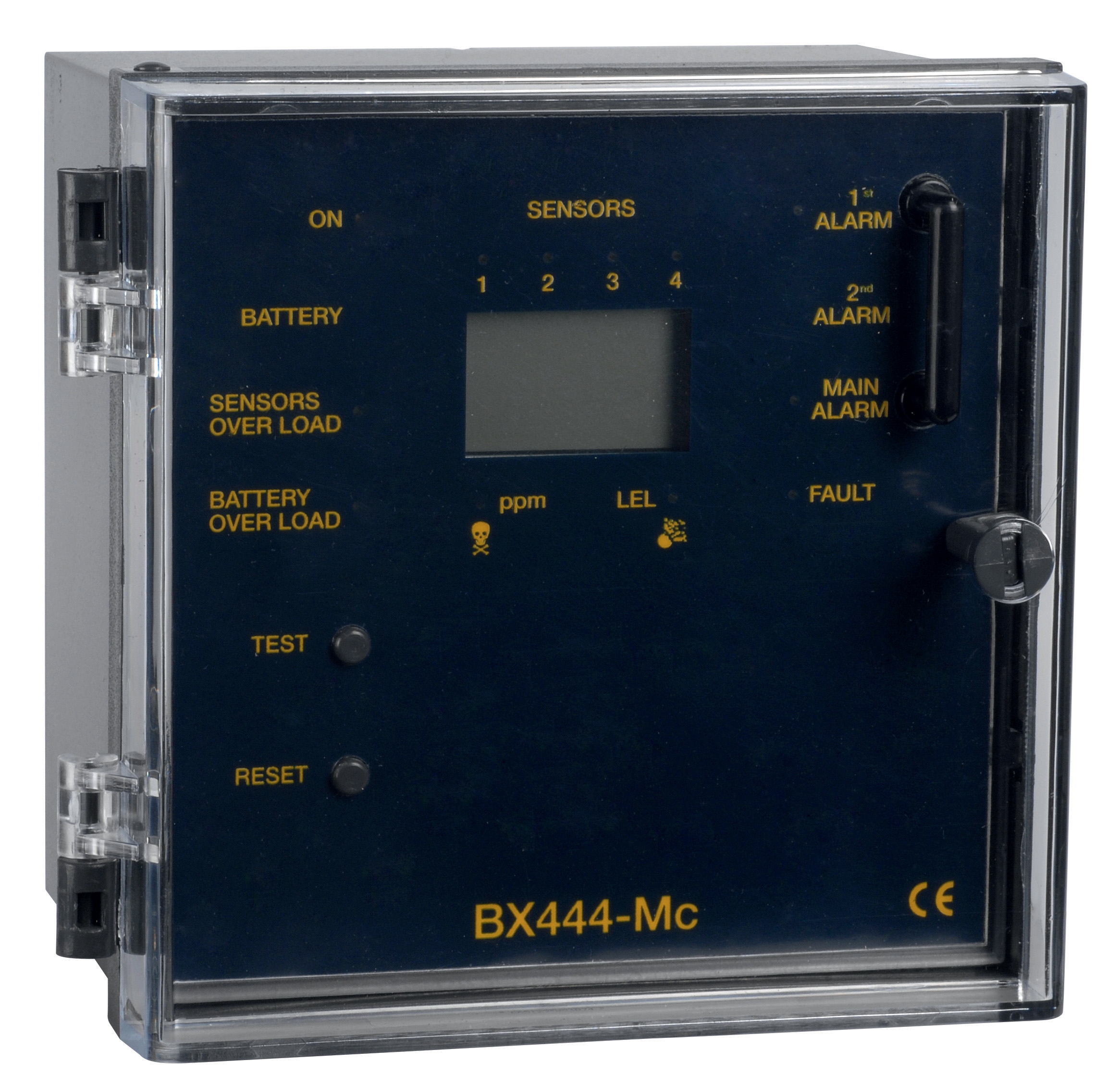
The CBM Detection Unit with 4 Probes represents a mid-scale centralized solution designed for facilities requiring monitoring across multiple zones without excessive complexity. This conventional detection control unit accepts up to four remote sensor probes, each capable of independent gas detection with adjustable alarm thresholds. The unit features electromagnetic compatibility certification (CEI-EN50270:2015), confirming suitability for industrial electromagnetic environments. It includes a datalogger function storing up to 50 alarm episodes, providing critical documentation for safety audits and regulatory inspections.
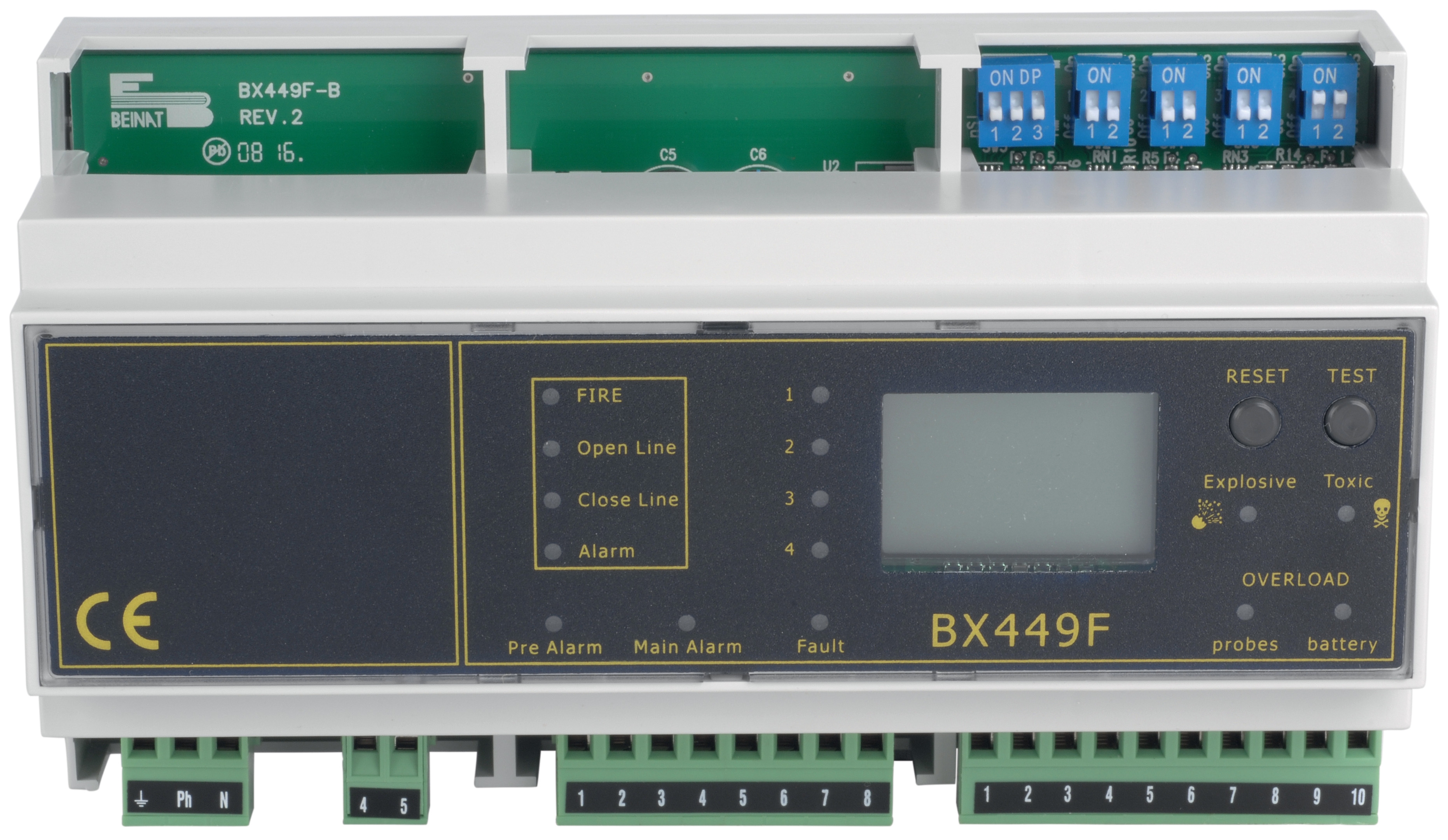
For larger installations, the DIN rail-mounted 8-probe configuration offers scalability without requiring replacement infrastructure. These modular units support conventional sensor probes with programmable maintenance schedules, automatic gas-type detection, and independent pre-alarm and alarm level configuration for each zone. The redundancy and logging capabilities ensure compliance with SIL (Safety Integrity Level) requirements.
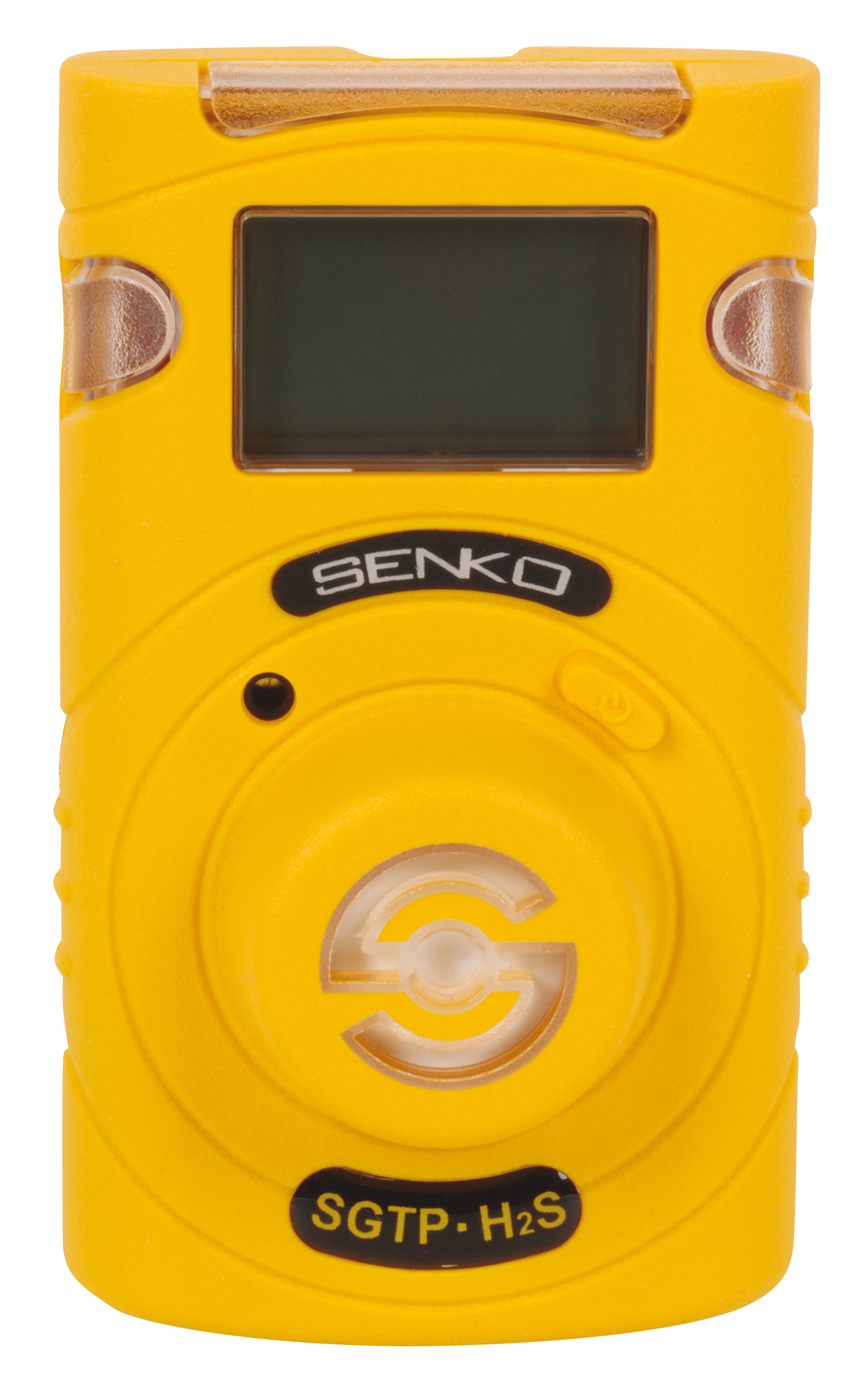
Portable detection devices serve different operational requirements. The CBM Portable H₂S Detector delivers hand-held hydrogen sulfide monitoring for personnel working in petrochemical, wastewater, or chemical manufacturing environments. These instruments feature LCD displays, audible/visual/vibration alarms, and 10+ hour autonomy on rechargeable batteries. IP65 rating ensures water and dust protection in harsh industrial settings.
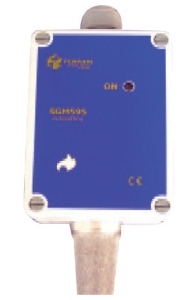
Specialized gas-specific probes extend system versatility. The CBM Probe for R404 Gas uses semiconductor detection technology specifically calibrated for refrigerant detection in HVAC and refrigeration systems. Similarly, R134A and other refrigerant-specific probes provide precise monitoring without cross-sensitivity issues. These probes feature IP55 protection and integrate seamlessly with CBM detection central units.
The CBM CO₂ Alarm Display serves indoor air quality monitoring applications, simultaneously measuring CO₂ concentration, ambient temperature, and relative humidity with visual danger-level indication. This multi-parameter approach addresses building occupancy health standards and HVAC system performance verification in commercial and industrial settings across Singapore.
Real-World Industrial Applications in Singapore
Petrochemical and chemical manufacturing facilities represent the largest consumer segment for centralized gas detection systems in Singapore's industrial zone. These operations maintain multiple storage tanks, processing equipment, and transfer points where explosive and toxic gas releases constitute serious hazards. A facility processing methane, propane, or hydrogen sulfide employs centralized detection units with 4-8 probe configurations positioned at strategic locations—pump discharge points, tank vents, equipment flanges, and confined space entries. Continuous monitoring ensures immediate detection of leaks before they reach explosive concentrations, triggering automated ventilation systems and personnel evacuation protocols.
Refrigeration and HVAC service contractors utilize portable detectors during equipment maintenance. Technicians entering commercial refrigeration systems or industrial chillers must verify the absence of refrigerant leaks (R404A, R410A, R134A) before beginning work. The portable detection approach allows rapid verification at multiple points without permanent installation infrastructure. Field service teams working across multiple customer sites benefit from the portability and quick-response characteristics of hand-held detectors.
Wastewater treatment facilities and biogas plants require continuous hydrogen sulfide monitoring due to decomposition processes generating toxic emissions. Centralized systems monitor collection basins, treatment tanks, and biogas digesters. The portable H₂S detector supplements fixed systems, allowing confined space entry personnel to verify safe conditions before descending into tanks or underground collection chambers. This redundant approach—combining permanent infrastructure with portable verification—represents industry best practice for personnel protection.
Indoor air quality management in modern office and industrial facilities increasingly requires CO₂ monitoring to optimize HVAC system performance and ensure occupant health. The CO₂ alarm display provides real-time feedback on ventilation adequacy, helping facility managers adjust systems for energy efficiency while maintaining health standards.
Comparative System Selection Matrix
| System Type | Coverage Area | Detection Technology | Target Applications | Key Advantage |
|---|---|---|---|---|
| 4-Probe Central Unit | 4 zones, remote placement | Conventional catalytic/electrochemical | Small-to-medium facilities, warehouses, processing plants | Scalable, cost-effective, easy installation |
| 8-Probe DIN Rail Unit (12V) | 8 zones, distributed monitoring | Conventional + modular sensors | Large industrial facilities, multi-building complexes | Comprehensive coverage, maintenance logging, SIL-rated |
| Portable H₂S Detector | Point-of-use, mobile coverage | Electrochemical | Personnel protection, confined space entry, maintenance | Immediate personal alarm, 10+ hour battery, rugged IP65 |
| Refrigerant Probes (R404/R134A) | Equipment-specific (1 zone) | Semiconductor, refrigerant-tuned | HVAC systems, chiller units, refrigeration loops | High specificity, eliminates false positives, compact |
| CO₂ Air Quality Monitor | Single room/space, display-based | Infrared CO₂ + humidity/temp sensors | Office ventilation, indoor air quality, HVAC optimization | Multi-parameter measurement, visual danger indication |
Table 1: Gas Detection System Comparison Matrix
Integration, Maintenance, and Regulatory Compliance
Successful gas detection deployment extends beyond equipment selection to encompass integration, calibration, and ongoing maintenance. Singapore's regulatory environment requires documented proof of system functionality, calibration traceability, and alarm response procedures. Centralized units store detection episodes in internal dataloggers, creating audit trails essential for regulatory inspections and insurance documentation.
Calibration represents ongoing operational necessity. Gas detection equipment must be calibrated at regular intervals (typically quarterly to annually depending on regulations and risk assessment) using certified gas mixtures or test equipment. This ensures sensor accuracy and prevents false alarms that compromise operational confidence.
Battery backup systems extend detection capability during power disruptions. The measurement and detection equipment often integrates with backup power supplies, ensuring continuous monitoring even during facility outages. This proves critical in facilities where gas hazards remain present regardless of operational status.
Choosing between competing solutions requires systematic evaluation of your facility's specific hazards, regulatory obligations, coverage requirements, and operational budget. 3G Electric's technical team in Singapore can assess your facility's requirements and recommend appropriately scaled solutions that balance comprehensive protection with cost-effective deployment.
Making Your Selection Decision
Industrial professionals selecting gas detection systems should begin with hazard assessment: identify which specific gases pose risks in your facility, determine where detection should occur (confined spaces, equipment areas, general workspace), and clarify regulatory requirements specific to your industry sector. These factors directly determine whether centralized, portable, or hybrid approaches best serve your operation.
Facility size and complexity influence system architecture. Single-location operations with limited hazard zones may employ 4-probe systems with portable backup devices. Large multi-building facilities benefit from DIN rail-mounted 8-probe infrastructure supporting comprehensive coverage. Service contractors and maintenance personnel prioritize portable detectors for flexibility across multiple customer sites.
Your selection should also consider future scalability. Choosing equipment that accommodates growth—modular units, standard sensor interfaces, expandable datalogger capacity—reduces replacement costs if operational scope expands or regulatory requirements tighten.
Contact 3G Electric's technical specialists today to discuss your facility's specific gas detection requirements. Our team has served Singapore's industrial sector since 1990, providing expert guidance on measurement and detection equipment selection, system integration, and ongoing support. Whether you need single-zone portable detection or comprehensive multi-building monitoring infrastructure, we'll help you identify the solution that delivers safety, compliance, and operational reliability.