Gas Control Block Systems: A Technical Guide to Multifunctional Gas Safety Controls in Singapore
Multifunctional gas control blocks represent the integrated safety backbone of modern industrial burner systems across Singapore's manufacturing and processing sectors. These compact devices consolidate pressure regulation, flame supervision, and temperature control into a single sealed unit—eliminating the need for multiple separate components and reducing potential failure points. For industrial professionals managing atmospheric and fan-assisted burners, understanding gas control block architecture and selection criteria is essential to maintaining operational safety and regulatory compliance. This guide examines the technical principles underlying modern gas control systems and demonstrates practical commissioning procedures specific to tropical industrial environments.
Understanding Multifunctional Gas Control Block Architecture
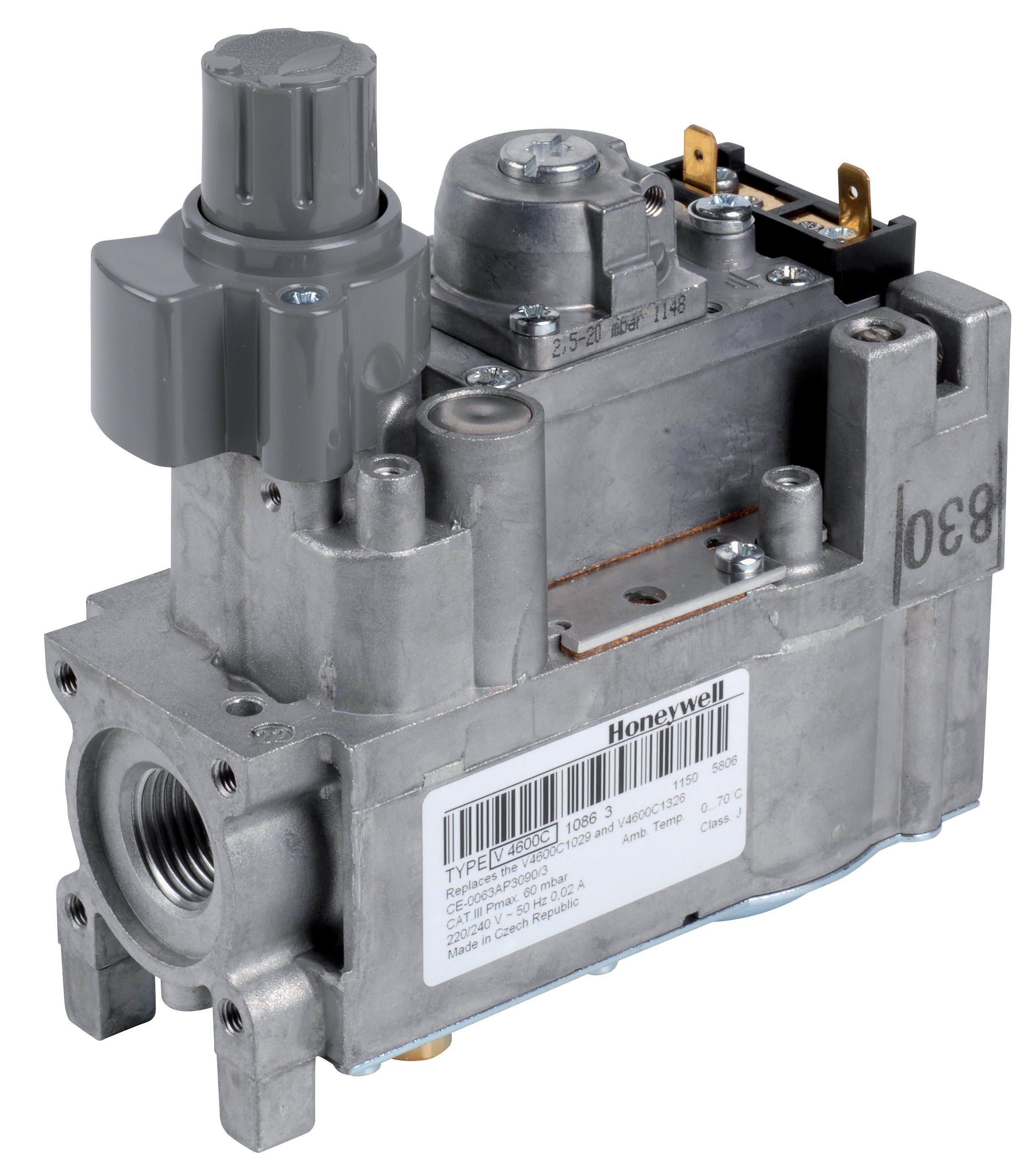
A multifunctional gas control block integrates four primary functional layers: pressure regulation, temperature sensing, flame supervision, and safety lockout logic. Each component operates independently yet communicates through a unified safety circuit, creating redundancy that meets EN 126 standards for gas appliance safety.
Pressure Regulation Layer: The regulator maintains consistent gas supply pressure across varying demand conditions. In Singapore's humid tropical environment, regulators must resist corrosion while maintaining tight pressure tolerances (typically ±10% of setpoint). Modern designs use a diaphragm-actuated spring mechanism that opens proportionally as downstream pressure drops, ensuring stable burner operation during load fluctuations.
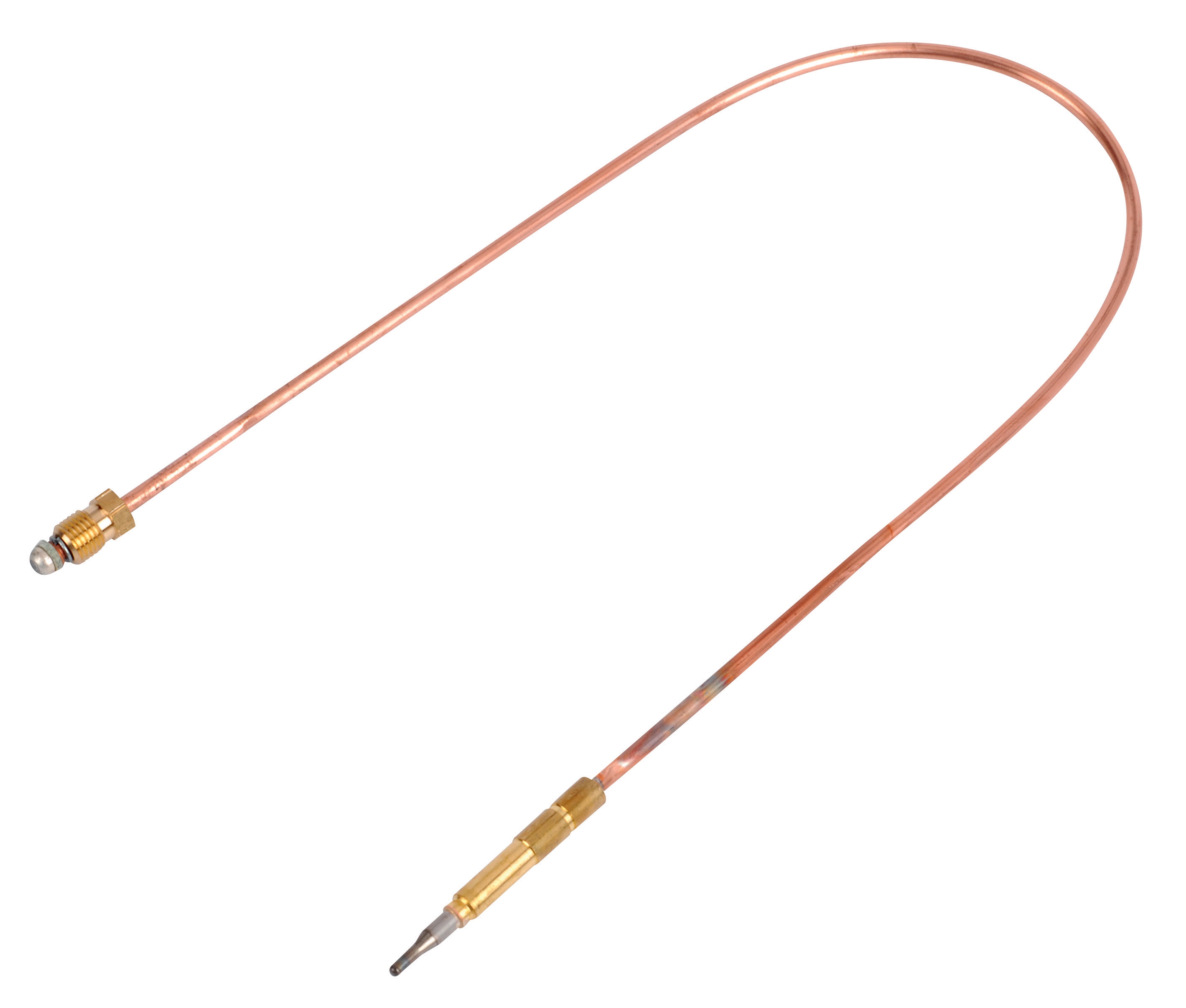
Thermoelectric Flame Supervision: The thermocouple sensing element generates a small DC voltage (approximately 15-25 mV under flame) that the control block continuously monitors. If flame extinction occurs, this signal drops below threshold within 5 seconds, triggering an immediate solenoid valve closure. This represents the primary safety interlock in atmospheric and stove applications.
Temperature Control: An internal temperature sensor regulates maximum case temperature, preventing thermal damage during extended operation. This becomes particularly important in Singapore's high ambient temperatures and humid conditions, where cooling efficiency may be compromised.
Non-Volatile Lockout Memory: When safety conditions are violated—flame loss, overpressure, or temperature excursion—the control block enters a locked state that persists even after fault conditions clear. Manual operator intervention or reset command is required to restore operation, preventing automatic restart that could create hazardous conditions.
Technical Specifications and Product Integration
The CBM Minisit gas block exemplifies modern multifunctional design, combining all essential control functions in a single sealed casting. Operating across 0–60°C ambient range, this device is suitable for stoves, boilers, catering equipment, and room heaters—applications common throughout Singapore's commercial and industrial sectors.
Core Technical Parameters:
- Nominal inlet pressure: 1–4 kPa (atmospheric and fan-assisted applications)
- Outlet pressure tolerance: ±10% of regulation setpoint
- Thermocouple voltage threshold: 8–12 mV for flame detection
- Solenoid closure time: <5 seconds upon flame loss
- Maximum operating temperature: 60°C ambient equivalent
- Safety standards compliance: EN 126, EN 60730-1, EN 60730-2-9
Integration with thermocouple assemblies is critical; the Minisit system functions optimally with matched thermocouple designs that generate consistent voltage output across the operating temperature range. Mismatched sensors introduce signal noise, reducing flame detection reliability and increasing nuisance lockouts.
In systems requiring external flame supervision—such as oil burners or larger industrial appliances—control blocks interface with dedicated flame sensors. For gas applications, the thermocouple remains the standard, but system architects must verify impedance matching and shielding practices to minimize electrical noise in industrial environments.
Singapore's tropical climate presents specific environmental challenges: high humidity (70–90% relative), ambient temperatures exceeding 32°C, and salt-laden air in coastal industrial zones. Control blocks installed in these conditions benefit from proper ventilation around the unit, protective housing, and periodic inspection of electrical connections for corrosion.
Installation and Commissioning Procedure
Step 1: Pre-Installation Verification
Before installation, verify that the gas control block pressure rating matches your burner's nominal inlet pressure. Check the technical documentation for any listed pressure limits. Confirm that the thermocouple type and connector style are compatible with your system's architecture.
Step 2: Mounting and Piping Connection
Mount the control block on a stable, vibration-free surface protected from direct water exposure. Use stainless steel or copper piping for gas connections to prevent corrosion in humid environments. Apply thread sealant rated for gas applications (PTFE tape or anaerobic sealant). Tighten all connections to manufacturers' torque specifications—over-tightening can damage internal seals.
Step 3: Electrical Integration
Connect the thermocouple signal leads to the appropriate terminals, ensuring correct polarity (positive to + terminal). Route signal cables away from high-voltage mains wiring and motor leads to minimize electromagnetic interference. In installations with extended lead runs (>5 meters), shielded cable with proper grounding is essential for noise immunity.
Step 4: Initial Commissioning
Conduct a gas tightness test on all piping before pressurizing the system. Slowly introduce gas pressure and verify that the regulator output stabilizes within 10% of the setpoint within 30 seconds. Light the pilot flame and confirm that the thermocouple generates sufficient voltage to hold the solenoid open. Allow 2–3 minutes of stable flame to verify lockout logic and cooling.
Step 5: Safety Testing
Perform deliberate flame extinction to verify that solenoid closure occurs within 5 seconds. Document the time-to-closure. Verify that the control block does not restart automatically after relight—manual reset must be required. Test this procedure quarterly to confirm safety circuit integrity.
Selection Criteria and Best Practices for Singapore Industrial Applications
When selecting a gas control block for your Singapore facility, prioritize the following factors:
Pressure Range and Turndown Ratio: Gas burners typically operate across a 3:1 to 5:1 pressure range. Select control blocks with regulation setpoints within your operating envelope, not just nominal pressure. Oversized regulators lose precision at low fire; undersized units cannot reach full capacity.
Environmental Protection Rating: Specify IP54 or better for coastal or high-humidity installations. The sealed casting design of modern blocks like the Minisit provides inherent protection, but verify gasket material composition—fluoroelastomer (Viton) resists tropical humidity better than natural rubber.
Standardization and Spares Availability: Singapore industrial facilities benefit from standardizing on control block models across multiple burner installations. This simplifies training, reduces spares inventory, and accelerates commissioning of replacement units. Verify that your supplier maintains stock of replacement thermocouples, solenoid coils, and gasket kits locally.
Thermal Management in Tropical Climates: Install control blocks in the coolest available location within the burner assembly. Ensure 50 mm minimum clearance around the unit for convective cooling. In enclosed cabinets, provide forced ventilation to maintain ambient temperature below 45°C around the control block itself.
Regulatory Compliance: Verify that your selected control block meets Singapore Standards (SS) and relevant building code requirements for your application. Gas appliances must comply with Gas Safety (Piped Gas) Regulations and work should be performed by qualified technicians registered with the Energy Market Authority (EMA).
Closing and Next Steps
Multifunctional gas control blocks represent a consolidated, safety-critical component that demands careful selection and precise commissioning. Whether you're specifying new burner systems or maintaining existing installations, understanding the technical architecture and environmental considerations ensures reliable operation across Singapore's challenging tropical industrial environment. Regular inspection and testing of flame supervision circuits—conducted quarterly at minimum—provides early warning of thermocouple degradation or signal noise before safety failures occur.
The 3G Electric team brings 30+ years of experience specifying industrial burner controls for Singapore's manufacturing, processing, and commercial sectors. Our technical specialists can assess your existing systems, recommend optimized control block solutions for your application and environment, and provide commissioning support to ensure compliance with local safety standards. Contact us today for a free technical consultation and to discuss how modern gas control block systems can improve reliability and safety across your facility.