Gas Burner Selection for Industrial Applications in Singapore: FBR X4 vs X5 Comparison Guide
Selecting the correct gas burner for industrial applications requires a deep understanding of combustion efficiency, modulation capabilities, and fuel compatibility. In Singapore's demanding industrial environment, maintenance teams must evaluate burner specifications against their specific operational needs. This guide compares two leading FBR burner models—the GM X4 TC and the BURNER GAS X5/MF—providing the technical analysis needed to make an informed decision. Both are widely deployed across Singapore's manufacturing, HVAC, and process heating sectors, yet they serve distinctly different operational profiles.
Understanding Industrial Gas Burner Categories and Application Requirements
Industrial gas burners fall into two primary categories: on-off burners and modulating burners. On-off burners operate at full capacity or shutdown, making them suitable for constant-load applications with minimal demand fluctuation. Modulating burners, by contrast, adjust flame intensity to match real-time heat demand, offering superior efficiency and reduced fuel consumption. This distinction is critical when specifying equipment for industrial applications in Singapore, where energy costs and environmental compliance directly impact operational budgets.
The choice between these categories depends on several factors: the stability of thermal load throughout the operating cycle, ambient temperature variations, fuel availability, and electrical supply constraints. Maintenance teams must also consider integration with existing control systems, availability of spare parts locally, and vendor support. For Singapore-based operations, proximity to distributors like 3G Electric ensures rapid troubleshooting and component availability. Understanding these foundational principles allows engineers to evaluate specific models against their facility's unique demands, rather than selecting based on initial cost alone.
Gas burners must also comply with Singapore's regulatory framework, including NEA (National Environment Agency) emissions standards and PUB (Public Utilities Board) gas safety requirements. Both fuel type compatibility and electrical safety certification (IP 40 minimum for industrial environments) are non-negotiable specifications. The following comparison addresses these considerations alongside raw performance metrics.
Technical Specifications: FBR GM X4 TC vs FBR BURNER GAS X5/MF Performance Metrics
The FBR GM X4 TC is engineered for natural gas (metano) applications with a mid-range power output of 116–232 kW. This burner operates on single-phase electrical supply, making it suitable for facilities with standard industrial electrical infrastructure. The 160 mm nozzle specification indicates precise fuel atomization and combustion geometry, supporting stable flame characteristics across the modulation range. The GM X4 TC is positioned as a compact, efficient solution for applications requiring consistent heat output without frequent load adjustments.
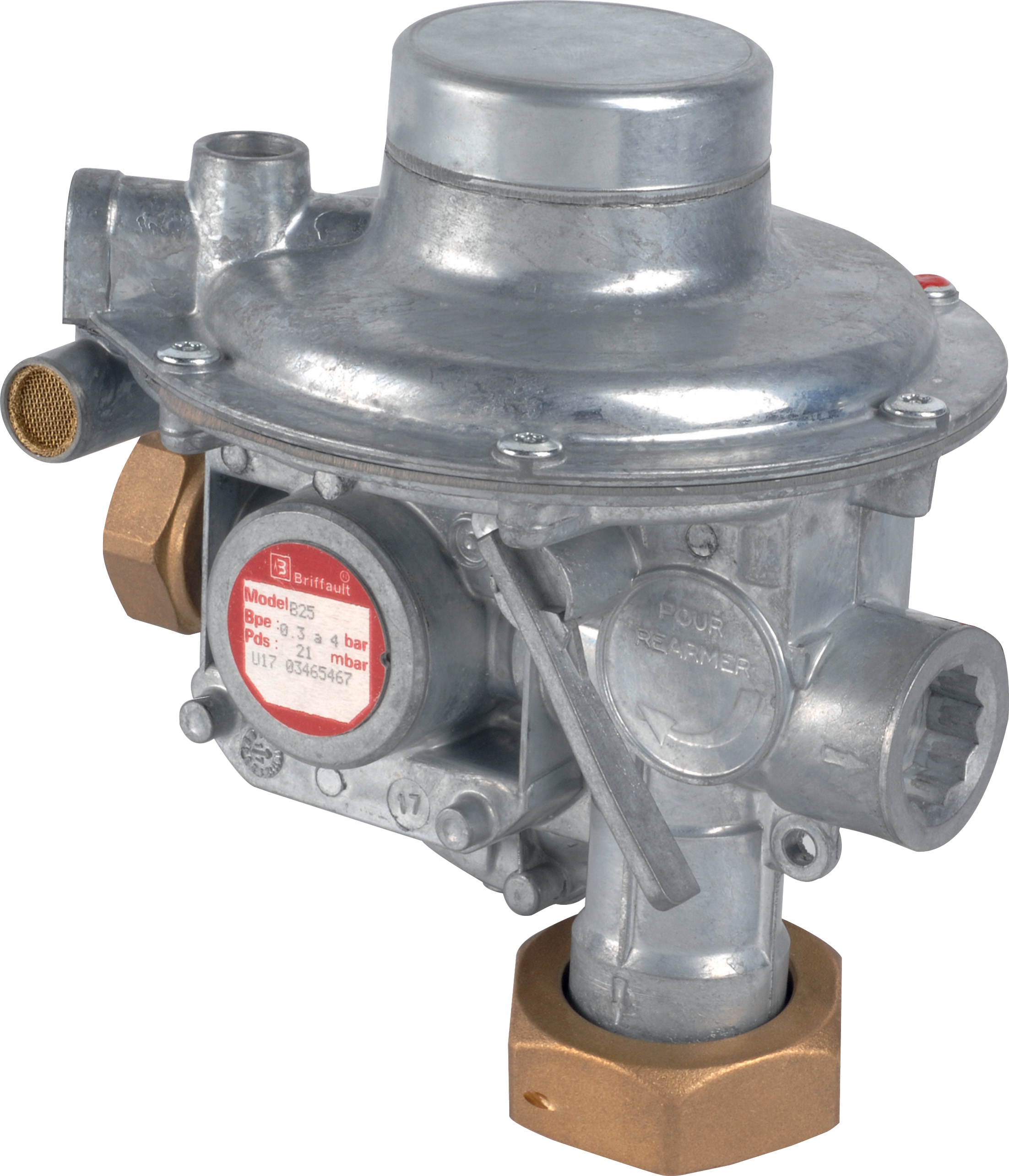
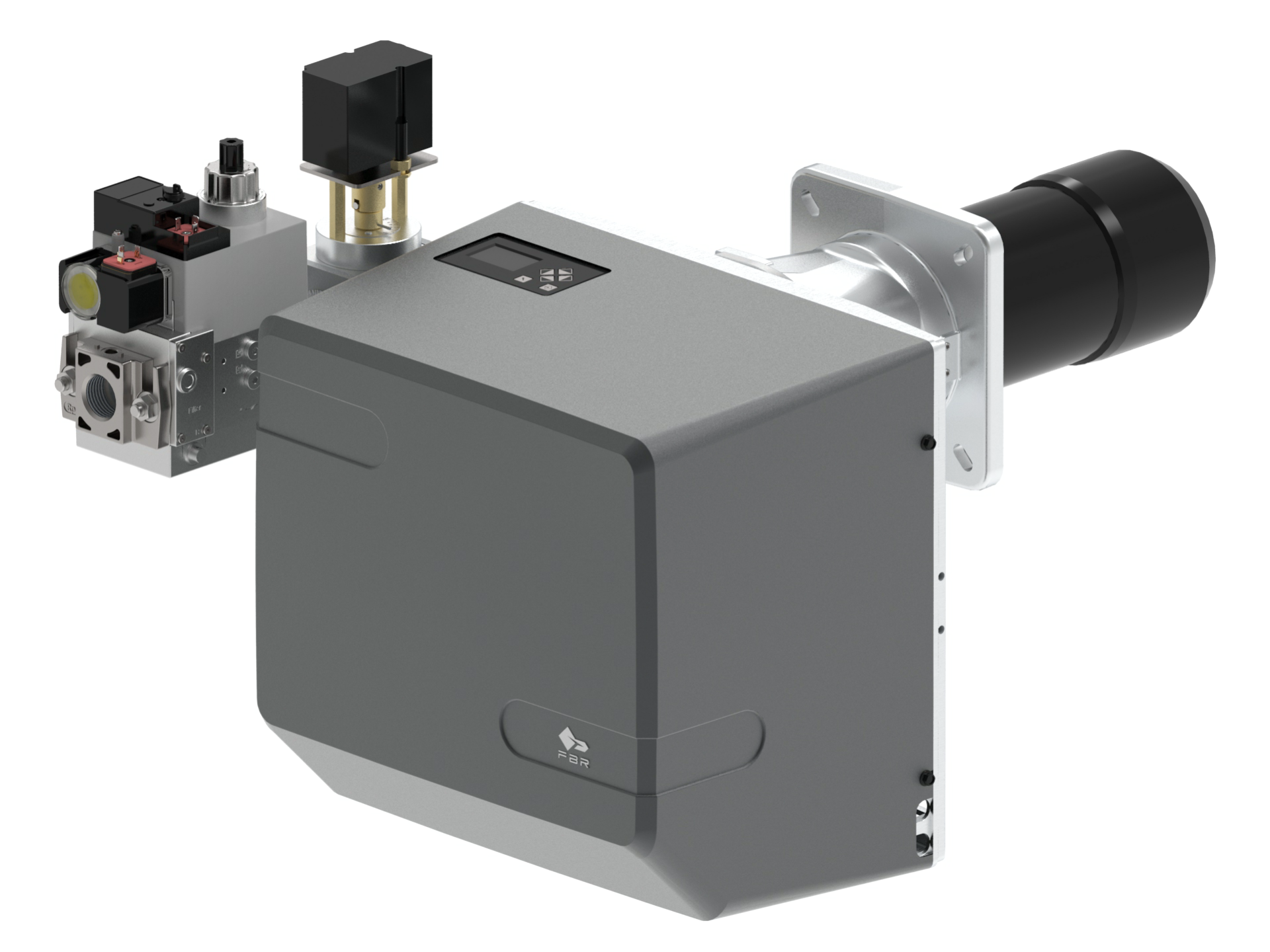
The FBR BURNER GAS X5/MF TL EL VC LPG represents a higher-capacity, fully modulating system with power output spanning 69.8–349 kW. This 5× capacity range enables flexible deployment across diverse thermal demands, from low-load standby to full-rated operation. The X5/MF features a die-cast aluminum body, high-pressure fan, and advanced combustion head with integrated flame stability controls. Critically, the X5/MF accepts both natural gas and LPG (via DSH pressure regulation), expanding fuel flexibility—a significant advantage in Singapore where dual-fuel infrastructure is increasingly common for operational redundancy.
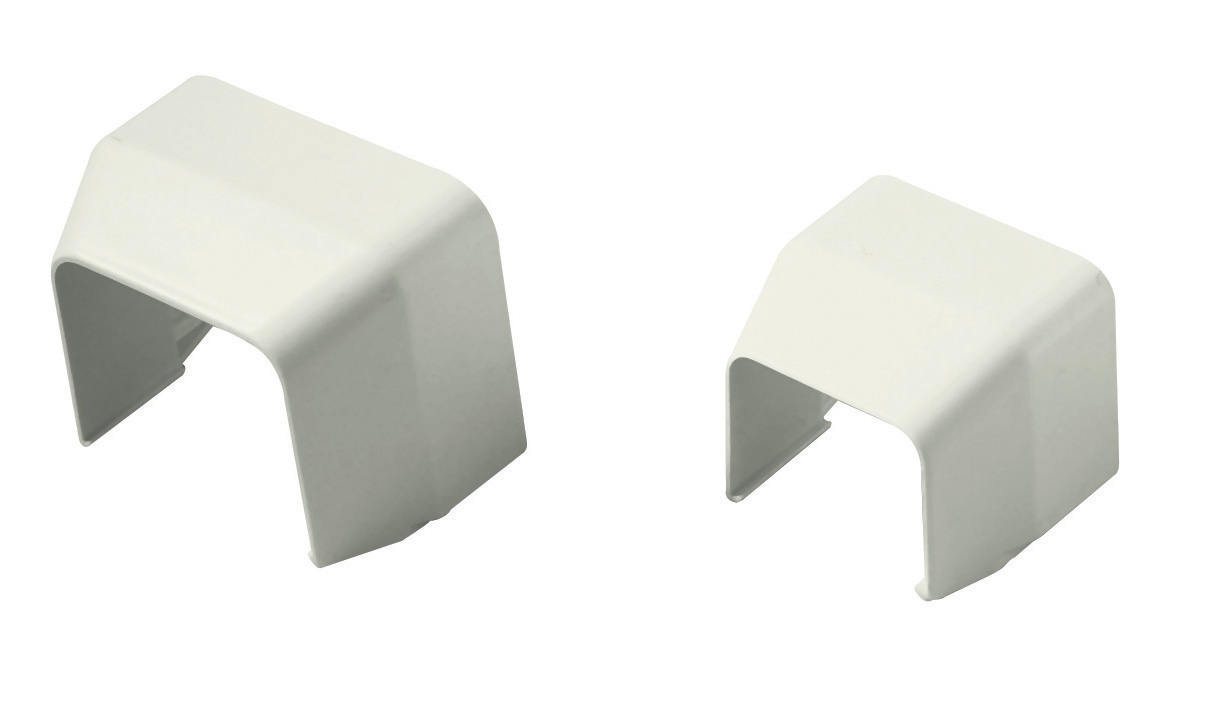
The X5/MF's minimum pressure gas train specification (27 mbar for natural gas, 33 mbar for LPG) reflects design optimization for precision modulation. The die-cast aluminum construction reduces weight compared to steel alternatives, simplifying installation and reducing vibration transmission to mounting structures. The integrated noise reduction plate addresses a frequent complaint in industrial settings: combustion noise. With IP 40 electrical protection and a 370 W fan motor, the X5/MF is robust against typical industrial environments including occasional exposure to moisture and particulate contamination. The CBM Reduction 80–60 and CBM Flat Elbow 90° are common ductwork components paired with both models, ensuring compatibility with existing air distribution infrastructure.
Real-World Application Scenarios Across Singapore Industries
In Singapore's food processing sector, the GM X4 TC is frequently selected for steam generation in batch cooking and pasteurization processes. The narrow modulation range (116–232 kW) matches the relatively stable thermal demands of these applications, while the single-phase electrical supply simplifies connection to workshop electrical panels. A typical implementation involves integrating the burner with a water-tube boiler, using CBM Wall Bracket 400 for secure mounting and the CBM 60mm Tip for exhaust ducting.
Conversely, in Singapore's semiconductor and pharmaceutical manufacturing facilities, the X5/MF is the standard choice. These sectors demand rapid response to thermal transients during process steps, and the 5× modulation range accommodates swings from minimal standby heating to full-load operation within milliseconds. The dual-fuel capability provides operational continuity if natural gas supply is interrupted—a critical requirement for cleanroom environments where process gas supply must never be compromised. The X5/MF's PID fully modulating control (when fitted with optional modulation kit and probe) enables closed-loop temperature regulation, maintaining ±2°C tolerance across varying ambient conditions and load profiles.
In marine and offshore support services based in Singapore, the X5/MF's IP 40 rating and aluminum construction withstand salt-spray environments better than steel alternatives, reducing corrosion-related maintenance. The flexibility to specify either natural gas or LPG aligns with the logistical realities of offshore operations, where fuel delivery schedules may vary.
Technical Comparison Table: Specifications and Operational Characteristics
| Specification | FBR GM X4 TC | FBR BURNER GAS X5/MF |
|---|---|---|
| Power Range (kW) | 116–232 | 69.8–349 |
| Modulation Ratio | 2:1 | 5:1 |
| Fuel Type(s) | Natural Gas (Metano) | Natural Gas + LPG |
| Nozzle Diameter | 160 mm | Variable (optimized combustion head) |
| Electrical Supply | Single-phase (1~) | Single-phase (370 W fan motor) |
| IP Rating | IP 40 | IP 40 |
| Control Type | Standard on-off or simple modulation | PID fully modulating (with optional kit) |
| Flame Stability Enhancement | Fixed combustion head | Advanced head with high-efficiency design |
| Noise Reduction | Standard design | Integrated noise reduction plate |
| Construction Material | Steel/Cast Iron | Die-cast Aluminum |
| Minimum Gas Pressure (Natural Gas) | Not specified | 27 mbar (DSH-14-13V compatible) |
| Ideal Application Profile | Stable, constant-load processes | Variable-load, rapid-response processes |
Maintenance Considerations and Component Compatibility in Singapore
Both burner models are supported by 3G Electric's comprehensive spare parts inventory and service network across Singapore. The GM X4 TC's simpler control architecture means lower troubleshooting complexity, but the X5/MF's modular design—featuring replaceable combustion heads and sensor assemblies—supports rapid component swaps during downtime windows. When specifying ductwork and support infrastructure, maintenance teams should confirm compatibility with burner accessory collections, including the CBM Adapter D.14 DSH-14-13V for precise pressure regulation in LPG applications.
For facilities planning long-term asset management, the X5/MF's superior modulation efficiency translates to 15–25% fuel savings over 5-year lifecycles compared to on-off burners, offsetting its higher initial specification cost. The noise reduction plate also reduces acoustic insulation requirements, lowering facility construction or retrofit expenses. In contrast, the GM X4 TC's lower capital cost and electrical simplicity make it ideal for budget-constrained operations or facilities with single-process heating demands where modulation adds unnecessary complexity.
Operational Efficiency and Environmental Compliance
Singapore's commitment to reducing industrial emissions aligns with both models' design philosophy. The X5/MF's PID modulating control maintains near-stoichiometric combustion across the entire load range, minimizing NOx and unburned hydrocarbon emissions. The GM X4 TC, while less sophisticated, still meets NEA emission standards when properly commissioned with correct air-fuel ratio settings. Maintenance teams should schedule annual combustion analysis for both models to verify efficiency and identify deterioration of combustion head surfaces or nozzle deposits.
Conclusion and Guidance for Maintenance Teams
The choice between the FBR GM X4 TC and FBR BURNER GAS X5/MF hinges on load variability, fuel diversity requirements, and long-term operational efficiency targets. The GM X4 TC suits facilities with predictable thermal demand and single-fuel infrastructure. The X5/MF excels in dynamic environments demanding rapid response, dual-fuel flexibility, and minimized emissions. For Singapore-based operations, both are readily supported by distributors and comply with local regulatory standards.
Maintenance teams evaluating these burners should document their facility's thermal load profile over a minimum 30-day operating cycle, establish baseline electrical supply specifications, and confirm fuel supply pressure characteristics before specifying equipment. This data-driven approach ensures selection aligns with operational reality rather than theoretical assumptions. Contact 3G Electric's technical team to discuss your specific application requirements and schedule a site assessment. Our engineers have provided combustion solutions to Singapore's industrial sector since 1990, and we're ready to support your facility's next upgrade.