Gas Burner Ignition and Flame Stability Troubleshooting: Diagnostic Procedures for Industrial Applications
Gas burner failures represent one of the most disruptive challenges in industrial heating operations worldwide. When a burner fails to ignite or produces unstable flame, production halts, facility temperatures drop, and operational costs spike. For plant managers and operations directors, the ability to diagnose burner problems systematically—rather than resorting to immediate replacement—can reduce downtime by hours and save thousands in unnecessary equipment purchases. This troubleshooting guide provides a structured diagnostic framework for identifying root causes of ignition failures and flame instability in gas burner systems across global industrial applications.
Understanding Gas Burner Combustion Architecture and Failure Modes
Industrial gas burners operate through a precisely orchestrated sequence of events: fuel delivery, air intake, ignition, and flame stabilization. When this sequence breaks down, symptoms often appear similar—no flame, weak flame, or flame blow-off—yet the underlying causes may be entirely different. Understanding the burner's combustion architecture is critical before beginning diagnostics.
A typical industrial gas burner comprises four functional systems: the fuel supply circuit (including pressure regulation), the combustion air system (fan and intake), the ignition system (electrode or spark mechanism), and the flame detection circuit (sensing electrode or photocell). Failure in any one system cascades through the sequence, preventing safe operation. The fuel supply system must deliver gas at the correct pressure—typically between 27 and 33 mbar for natural gas or LPG in many industrial burners. The combustion air fan must pressurize the combustion chamber to the design specification, creating the aerodynamic conditions necessary for stable flame. The ignition system must produce sufficient spark or hot surface energy at the precise moment fuel reaches the combustion head. Finally, the flame detection circuit must verify flame presence within milliseconds; if it does not detect flame, the burner's safety controller shuts down fuel flow to prevent unburned gas accumulation.
Flame instability—characterized by flickering, lifting off the burner head, or intermittent extinction—typically stems from one of three root causes: incorrect fuel pressure leading to improper fuel atomization, insufficient combustion air due to fan degradation or air intake blockage, or poor flame anchoring caused by combustion head wear or misalignment. By isolating which system is malfunctioning, technicians can target repairs efficiently rather than replacing components blindly.
Systematic Pressure and Electrical Verification for Burner Diagnostics
The diagnostic process begins with two parallel verification tracks: pressure measurement in the fuel circuit and electrical continuity testing of ignition and flame detection circuits. These tracks often reveal the root cause without requiring physical disassembly of the combustion chamber.
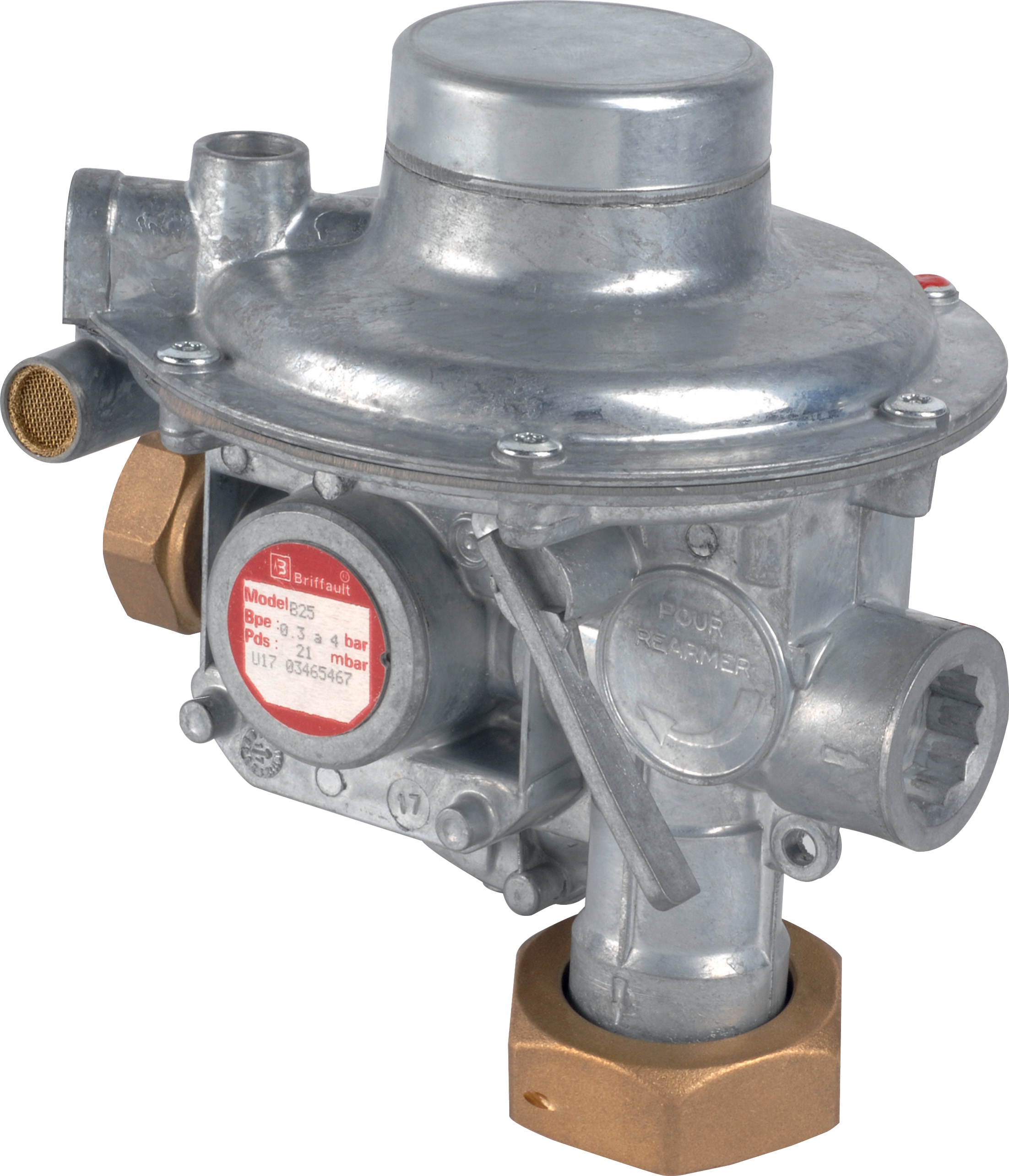
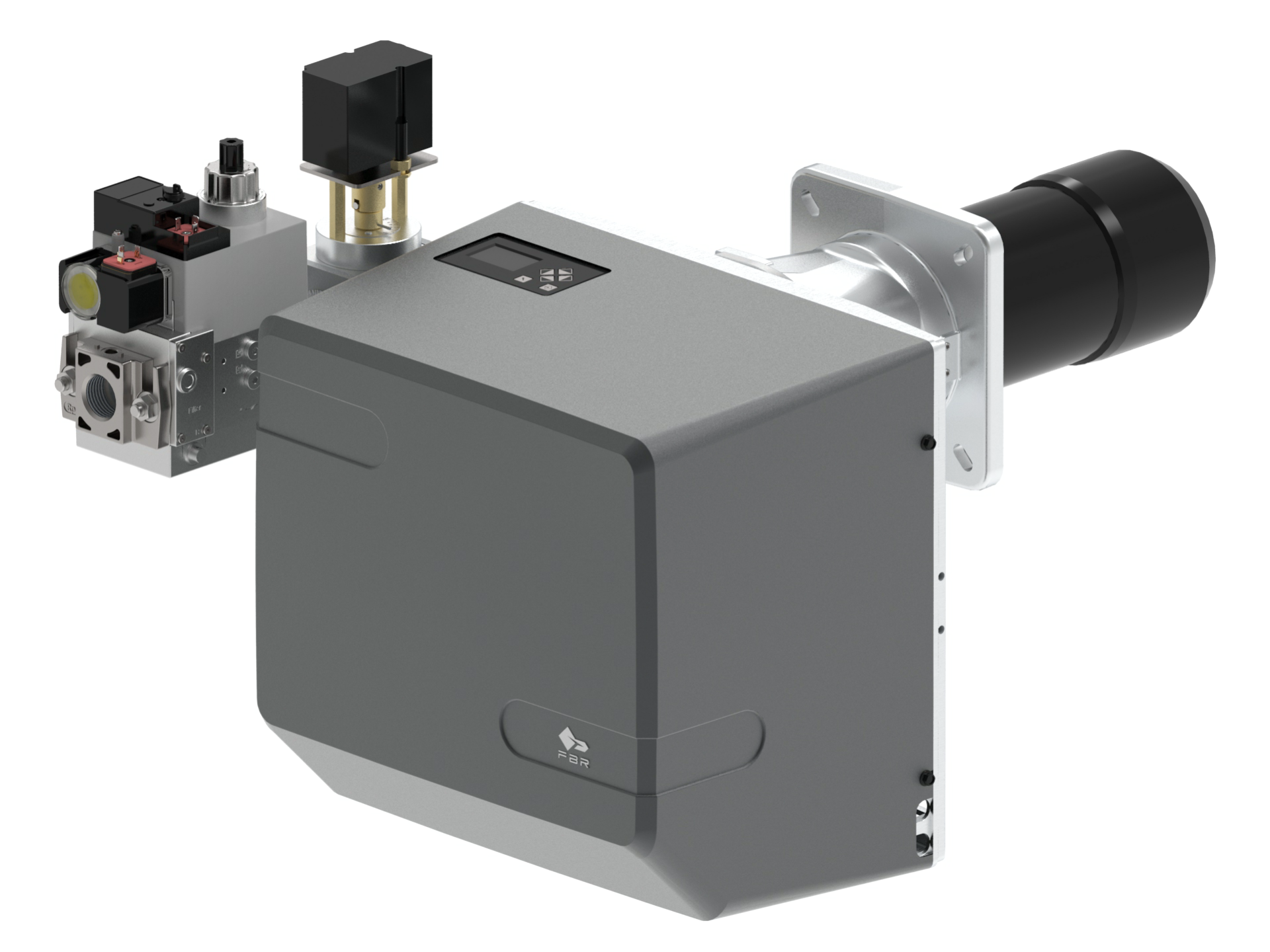
Fuel Pressure Verification: Using a calibrated pressure gauge, measure gas pressure at the burner inlet. For the FBR BURNER GAS X5/MF series, which operates on natural gas or LPG, minimum inlet pressure must be 27 mbar for natural gas and 33 mbar for LPG to ensure proper fuel delivery and combustion head performance. If measured pressure falls below these thresholds, the fuel supply system—regulator, solenoid valve, or supply line—is the problem source. A glycerin-filled stainless steel pressure gauge with vertical orientation and 0-4 bar range provides reliable, shock-resistant pressure readings ideal for this verification step. Glycerin damping prevents needle flutter caused by pressure pulsations, ensuring accurate readings even in vibration-prone industrial environments. If pressure reads low, systematically test the regulator outlet, the solenoid valve coil resistance, and gas line continuity. If pressure is correct but the burner still fails to ignite, move to electrical diagnostics.
Electrical Circuit Verification: Gas burners rely on a safety interlock sequence: the burner controller must energize the ignition transformer or hot surface element, then energize the fuel solenoid valve only after confirming ignition readiness. Flame detection circuits monitor for flame presence and shut down fuel if flame is lost. Using a non-contact voltage detector, safely verify presence of 230V or 110V supply at the burner controller. Absence of supply voltage suggests a blown circuit breaker, failed contactor, or severed control wiring. If supply voltage is present but the ignition system does not energize, test the ignition transformer primary coil with a automatic multimeter MM420 set to resistance mode. A primary coil resistance below 1 ohm indicates a shorted transformer; 10+ ohms indicates an open circuit. Either condition requires transformer replacement. If the ignition transformer resistance is normal but no spark appears at the electrode, the electrode gap may be too large (should be 2-3 mm for most industrial burners) or the electrode may be fouled with carbon deposit, requiring cleaning or repositioning.
Real-World Application Examples: Diagnosis and Resolution Across Global Facilities
Consider a food processing facility in Southeast Asia operating a large FBR gas burner for steam generation. The burner fails to ignite during morning startup. Initial visual inspection shows no obvious damage. The technician measures gas pressure and records 18 mbar—below the 27 mbar minimum. The regulator is adjusted, pressure rises to 32 mbar, and the burner ignites successfully. Root cause: regulator drift due to thermal expansion as ambient temperature increased overnight.
In another scenario, a pharmaceutical manufacturing plant in Europe reports flame instability—the burner ignites correctly but the flame lifts off the combustion head after 30 seconds of operation, triggering a safety shutdown. Fuel pressure reads 29 mbar (correct), and ignition circuits test normal. The combustion head is visually inspected and found to be tilted 2 degrees from horizontal, likely due to loose mounting bolts vibrated loose over months of operation. Realigning the combustion head and torquing mounting bolts to specification restores stable flame. Root cause: mechanical misalignment, not fuel or ignition system failure.
A third example involves a chemical plant in the Middle East where the flame detection circuit fails intermittently. Pressure and ignition circuits test normal, but flame detection electrode resistance fluctuates wildly when measured with a multimeter. The electrode surface is fouled with ash and combustion byproducts. Cleaning the electrode with a soft brass brush and isopropyl alcohol restores stable resistance readings and reliable flame detection. Root cause: environmental contamination of the sensing electrode, requiring routine maintenance rather than parts replacement.
Selection Criteria and Best Practices for Burner Diagnostic Tools and Spare Parts
Effective burner troubleshooting requires the right diagnostic tools and a strategic spare parts inventory. Plant managers should maintain pressure gauges and electrical test equipment on-site to enable rapid first-line diagnostics. A robust maintenance program includes quarterly cleaning of flame detection electrodes, annual inspection of combustion head alignment, and biannual regulator calibration verification—preventive measures that reduce the frequency and severity of unexpected failures.
For facilities operating multiple burners or in remote geographic locations where replacement lead times are lengthy, maintaining spare ignition transformers, solenoid valves, and fuel regulators is cost-effective insurance. Organizations managing distributed facilities across global regions benefit from standardized diagnostic procedures and tool kits deployed to each site, enabling consistent, rapid response to burner failures regardless of local time zone or technician experience level.
Consider integrating digital diagnostic tools into your maintenance workflow. Modern automatic multimeters provide automatic range selection and data logging capabilities, allowing technicians to capture diagnostic results and track trends over time. This data reveals early-warning patterns—for example, fuel pressure trending downward over weeks suggests a regulator requiring preventive replacement before catastrophic failure occurs.
Integration with Broader Industrial Heating System Architecture
Gas burners rarely operate in isolation. They are integrated into heating loops that include fuel supply lines, combustion air intake systems, exhaust venting, and often heating fluid circulation pumps. Burner ignition failures may originate outside the burner itself. For instance, a blocked fuel filter upstream of the burner reduces available pressure. A corroded fuel supply line creates restrictions. An undersized combustion air fan fails to deliver sufficient pressurization. When burner pressure and electrical diagnostics appear normal but the burner still malfunctions, expand diagnostics to the broader system. Verify fuel supply line continuity and cleanliness. Confirm combustion air fan operation and intake cleanliness. Test heating fluid circulation pump performance if the burner is integrated into a recirculation loop. This systems-level perspective often identifies root causes that component-level diagnostics miss.
For additional guidance on related industrial heating system components, explore industrial pump troubleshooting resources and pressure measurement equipment selection. Understanding how burner systems integrate with broader industrial infrastructure enables more effective, faster problem resolution.
Closing and Call to Action
Gas burner ignition and flame stability failures demand systematic, evidence-based diagnostics rather than guesswork or reactive component replacement. By following the pressure verification, electrical testing, and combustion system inspection procedures outlined in this guide, plant managers can isolate root causes with confidence, minimize downtime, and reduce unnecessary parts costs. Whether you operate a single burner facility or manage heating systems across global locations, the diagnostic framework presented here applies consistently across geographic regions and burner models.
3G Electric has served industrial customers worldwide since 1990, supplying diagnostic tools, replacement components, and technical expertise for gas burner systems and related industrial equipment. Our team understands the urgency of burner failures and the business impact of extended downtime. If you encounter persistent burner ignition or flame stability issues, or if you need to establish a diagnostic tool kit and spare parts inventory for your facility, contact 3G Electric for personalized guidance. We'll help you build a robust troubleshooting capability that keeps your heating systems reliable and your operations running smoothly.