Understanding Fluid Power System Architecture in Singapore Manufacturing
Fluid power systems—encompassing hydraulic and pneumatic technologies—represent a critical infrastructure element across Singapore's manufacturing, petrochemical, and precision engineering sectors. Unlike electrical systems, fluid power delivers consistent force and torque independent of load variations, making it essential for applications ranging from high-pressure cleaning to precision injection molding.
Drawing on 35+ years of industrial equipment distribution experience, 3G Electric has observed that component selection directly impacts system reliability, maintenance costs, and production uptime. Singapore's manufacturing environment—characterized by high production velocity and stringent quality standards—demands fluid power systems engineered for minimal drift, precise calibration, and seamless integration with automated production workflows.
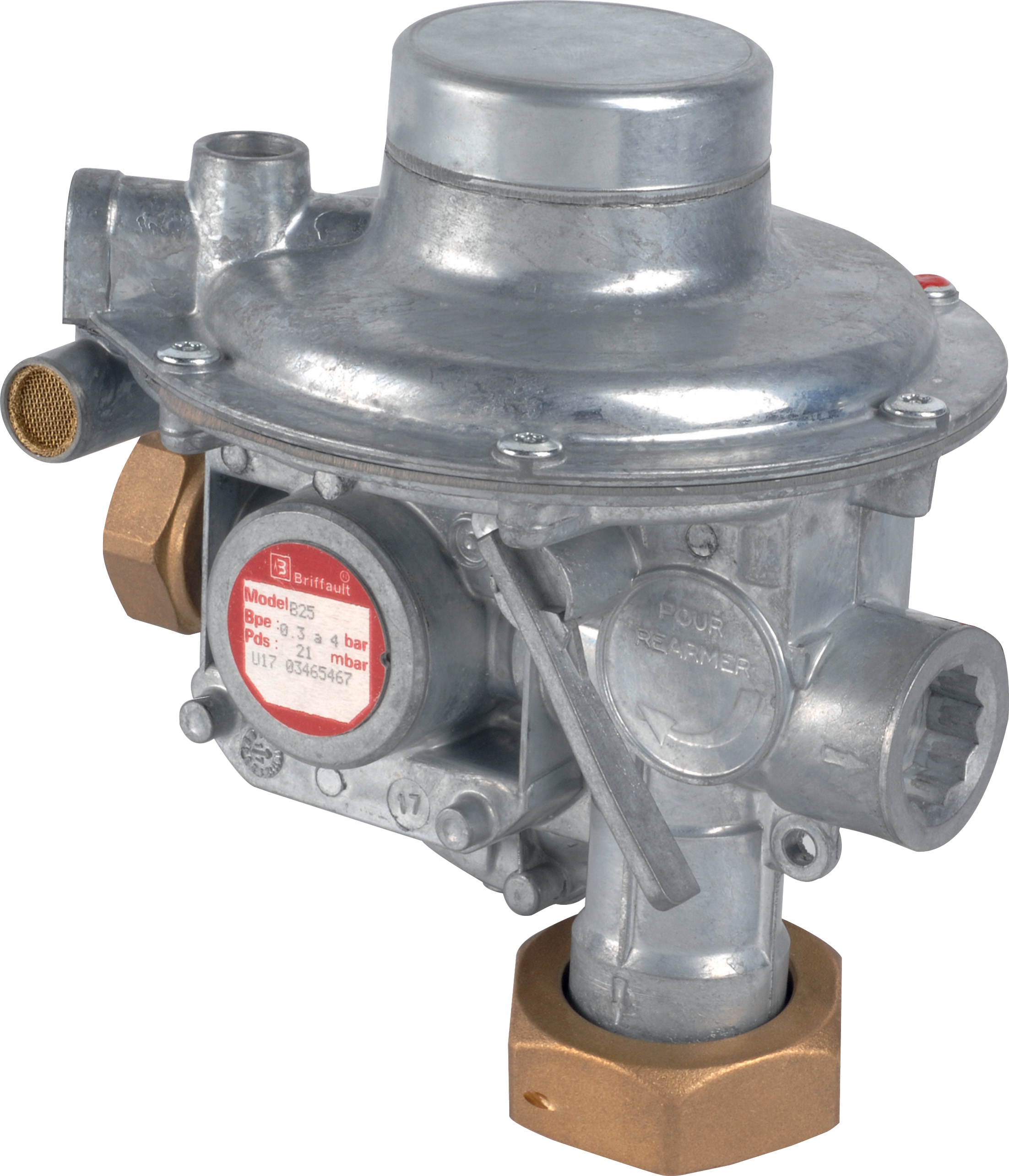
The foundation of any reliable fluid power system begins with proper pressure regulation. Industrial gas distribution systems, commonly encountered in laboratory settings and industrial facilities across Singapore, require integrated safety mechanisms to prevent overpressure conditions. The Francel B25/37mb pressure regulator delivers precisely controlled 37 mbar outlet pressure with integrated safety relief and a 10 mm vent size. This design prevents catastrophic system failure while maintaining the stable pressure profiles critical for precision manufacturing operations. The regulator's integrated safety architecture eliminates the need for external relief valving, reducing system complexity and potential leak points.
Pump Selection and High-Pressure System Integration
Pump selection represents the second critical decision point in fluid power system design. Singapore manufacturing operations frequently require pumps capable of delivering both substantial flow rates and consistent pressure across variable load conditions. Different pump families serve distinct operational profiles, and selecting the wrong pump class results in energy waste, accelerated component degradation, and production delays.
For moderate-to-high flow applications requiring 200 bar operational pressure, the Pratissoli KF30 pump delivers 106 L/min flow capacity at 40 kW power input, yielding a compact, 72 kg form factor suitable for space-constrained manufacturing environments. Italian-engineered by Pratissoli (part of the Interpump Group), the KF30 features optimized displacement geometry that minimizes internal losses while maintaining consistent pressure delivery across temperature fluctuations common in tropical Singapore operations.
For high-demand applications requiring elevated flow rates—particularly in large-scale industrial cleaning systems, high-pressure coating operations, or multi-axis hydraulic machinery—the Pratissoli MW40 pump provides 211 L/min flow capacity at 210 bar pressure, driven by an 85 kW motor. At 264 kg, the MW40 represents a heavier, purpose-built platform for mission-critical operations where system downtime carries substantial financial penalties.
For compact, high-pressure applications with lower flow requirements, the Interpump E1D1808 L gear pump delivers 8 L/min at 180 bar, consuming only 2.72 kW and weighing 5 kg. This micro-scale pump serves applications including precision lubrication systems, sample preparation equipment, and laboratory-scale high-pressure testing apparatus.
Pump selection methodology in Singapore's manufacturing context must account for three variables: peak system pressure requirements, sustained flow demand, and duty cycle. Peak pressure alone does not determine pump suitability—a pump rated for 250 bar operating at 80 bar with 20% margin delivers superior longevity compared to a pump operating at 95% rated pressure continuously. 3G Electric's experience across Southeast Asian manufacturing networks indicates that oversizing pump capacity by 15-20% relative to calculated demand yields optimal lifecycle economics, as the pump operates at lower mechanical stress and generates less waste heat.
Spray System Precision and Application-Specific Performance
Fluid delivery accuracy dramatically influences manufacturing outcomes in coating, cleaning, and surface preparation applications. Industrial spray systems require nozzle geometry precisely matched to application parameters: spray angle, pressure classification, and pattern uniformity directly determine coating quality, material consumption efficiency, and worker safety.
The Euspray flat jet nozzle (HP 1/4" M BSPT, index 30, 25° angle) represents a precision spray component engineered for high-pressure applications. The 25° spray angle creates a compact, controllable pattern suitable for targeted surface preparation and precision coating tasks. The index 30 design (referring to spray flow capacity classification) provides compatibility with moderate-to-high pressure systems, while the 1/4" M BSPT connection ensures reliable integration with standard industrial hose assemblies.
Spray nozzle selection methodology addresses three technical considerations: operating pressure range, target flow capacity, and spray pattern geometry. Flat jet nozzles like the Euspray design deliver superior directional control compared to full-cone patterns, making them optimal for precision cleaning of delicate electronics, printed circuit board assembly, and thin-film coating operations. Singapore's electronics manufacturing sector, concentrated in Jurong and surrounding industrial parks, extensively utilizes precision flat jet nozzles for flux removal and solder paste application in automated assembly lines.
Nozzle performance degrades rapidly when operating outside design parameters. Operating a nozzle rated for 150 bar at 250 bar causes internal erosion and pattern distortion within 100-200 hours. Conversely, operating below rated pressure produces inconsistent spray patterns and excessive fluid consumption. 3G Electric's technical support team recommends implementing pressure gauges immediately upstream of spray nozzle blocks to verify pressure stability throughout production shifts.
System Integration, Monitoring, and Lifecycle Management
Modern manufacturing operations increasingly integrate fluid power systems with real-time monitoring platforms. Pressure transducers, flow meters, and temperature sensors provide continuous visibility into system health, enabling predictive maintenance scheduling that prevents catastrophic failures.
Integrating diverse components—regulators, pumps, nozzles, hoses, and filters—requires systematic approach to pressure drop calculation, thermal load analysis, and compatibility verification. Pressure drop across hose runs, filter elements, and nozzle orifices reduces effective system pressure available at the point of use. Singapore's humid, salt-laden coastal environment (particularly evident in maritime-adjacent manufacturing facilities) demands corrosion-resistant materials throughout fluid power systems. Stainless steel construction, electroless nickel plating, and synthetic sealing materials extend component lifespan in aggressive environmental conditions.
Fluid selection represents an often-overlooked system integration variable. Hydraulic fluids rated for tropical climates exhibit different viscosity-temperature characteristics compared to temperate-climate formulations. Fluids optimized for Singapore's 25-35°C ambient conditions maintain proper viscosity at elevated operating temperatures, preventing pressure loss and internal leakage that would occur with conventional mineral oils.
Critical maintenance intervals revolve around four consumable elements: hydraulic fluid (annual analysis and partial change), filter elements (100-200 operating hours depending on system cleanliness requirements), seals and gaskets (replaced during planned maintenance intervals), and nozzle inspection (quarterly examination for wear patterns and pressure testing). 3G Electric's 35+ years servicing Southeast Asian industrial operations demonstrates that organizations implementing these baseline maintenance protocols achieve 3-5 year extended equipment life compared to reactive-maintenance approaches.
System documentation represents the final integration element. Maintaining detailed pressure curves, flow diagrams, component specifications, and maintenance logs enables rapid troubleshooting when performance deviations occur. Singapore's ISO 9001 and ISO 14001 certified manufacturers require comprehensive equipment documentation for compliance verification; establishing these records during commissioning prevents delays during certification audits.
Practical Implementation Strategy for Singapore Operations
Successful fluid power system deployment in Singapore manufacturing environments requires systematic implementation: conduct precise load analysis to determine actual pressure and flow requirements (accounting for 20-25% safety margin), select pump family matching duty cycle and environmental conditions, integrate pressure regulation and safety systems appropriate to application hazards, specify spray nozzles matched to process requirements, document all specifications and maintenance procedures, and schedule quarterly performance verification.
Partnership with experienced industrial equipment suppliers—those with established service networks across Singapore and Southeast Asia—accelerates implementation and ensures long-term system optimization. 3G Electric maintains technical support capabilities and parts inventory throughout Singapore, providing responsive service critical to manufacturing operations where production delays carry immediate financial impact.