Flame Detection & Sensor Technology in Burner Controls & Safety Systems in Singapore
Flame detection represents one of the most critical components in modern industrial burner control systems. Whether operating gas, oil, or biomass burners, the ability to reliably detect the presence or absence of flame determines both operational efficiency and safety system integrity. This application guide explores how flame detection sensors function within broader controls and safety systems, the technical principles governing different sensor technologies, and practical selection criteria for industrial operations across Singapore's demanding tropical climate.
Understanding Flame Detection in Burner Control Architecture
Flame detection serves as the sensory foundation of any burner control system. When a burner ignites, the flame generates electromagnetic radiation across multiple wavelengths—ultraviolet (UV), visible light, and infrared (IR). Modern flame sensors detect this radiation and convert it into electrical signals that the control system interprets as confirmation of successful ignition. This feedback loop is essential for two reasons: first, it enables the control system to transition from ignition mode to normal operation, and second, it provides continuous monitoring that triggers safety shutdown if flame is lost during operation.
The control architecture typically follows a defined sequence: ignition command is issued, fuel and air are supplied to the burner, the flame sensor monitors for radiation signature, the control relay receives the signal and processes it through safety logic, and finally, the system either confirms stable combustion or initiates lockout. This sequence must occur reliably within strict timeframes—typically 3-5 seconds for initial ignition—while simultaneously maintaining sensitivity to detect flame loss within fractions of a second during operation.
Different sensor technologies excel under different operating conditions. UV sensors respond to the strong ultraviolet emissions from gas flames and are virtually immune to ambient daylight or infrared heating. Ionization probes measure electrical conductivity in the flame envelope itself. Infrared detectors sense thermal radiation. The choice depends on fuel type, flame characteristics, ambient light conditions, and the specific control system architecture. In Singapore's high-humidity tropical environment, sensor robustness and signal integrity become especially important, as condensation and salt spray can degrade optical surfaces if not properly protected.
Flame Sensor Technologies & Product Selection
The CBM UV cell UVS 10D1G1 exemplifies modern UV flame detection design. UV sensors like this model operate on the principle that gas flames emit strong UV radiation in the 0.15–0.30 µm wavelength range, a spectrum naturally absent from daylight and incandescent sources. This fundamental difference allows UV sensors to distinguish genuine flame from spurious light sources—a critical safety requirement. The UVS 10D1G1 is engineered to EN 298 standards, meeting European safety directives that Singapore's industrial sector increasingly references for compliance. The sensor's robust construction ensures performance in industrial environments, with integrated protection against signal cable faults and short circuits.
When selecting a UV cell for a burner control system, consider the flame's UV output characteristics. Gas burners, particularly propane and natural gas burners with clean combustion, produce strong UV signatures ideal for UV detection. The UVS 10D1G1's sensitivity window and response time make it compatible with a wide range of control relays, though integration requires proper signal conditioning through the control unit.
The CBM Relay DMG 973-N MOD.01 represents a complete automatic control solution for gas burners with multi-flame detection options. This control box accepts input from three different flame detection technologies: ionization probes, infrared detectors (IRD 1020 type), and ultraviolet detectors (UVD 971 type). This flexibility is valuable in Singapore's industrial landscape, where existing equipment may use different flame sensor types and retrofitting must account for legacy systems. The DMG 973-N processes flame signals through sophisticated safety logic that meets international standards for burner safety.
The CBM Relay CM 11F is a compact control system from the MICROFLA T series, designed specifically for atmospheric gas burners operating intermittently. This control integrates flame detection signal processing with anti-emissions logic, reducing the component count required in a burner control assembly. For simpler applications—smaller boilers, space heaters, or process burners with standard operational requirements—the CM 11F provides cost-effective flame monitoring without unnecessary complexity.
The CBM FDU510 W1T5/1O1-0K1 relay offers another control architecture option, particularly suited to burners requiring specific timing sequences or additional safety interlocks. The FDU510 series provides adjustable flame detection timing, allowing the installer to optimize the ignition-to-flame-confirmation window for the specific burner's combustion characteristics.
Integration with System Architecture: Adapters & Signal Conditioning
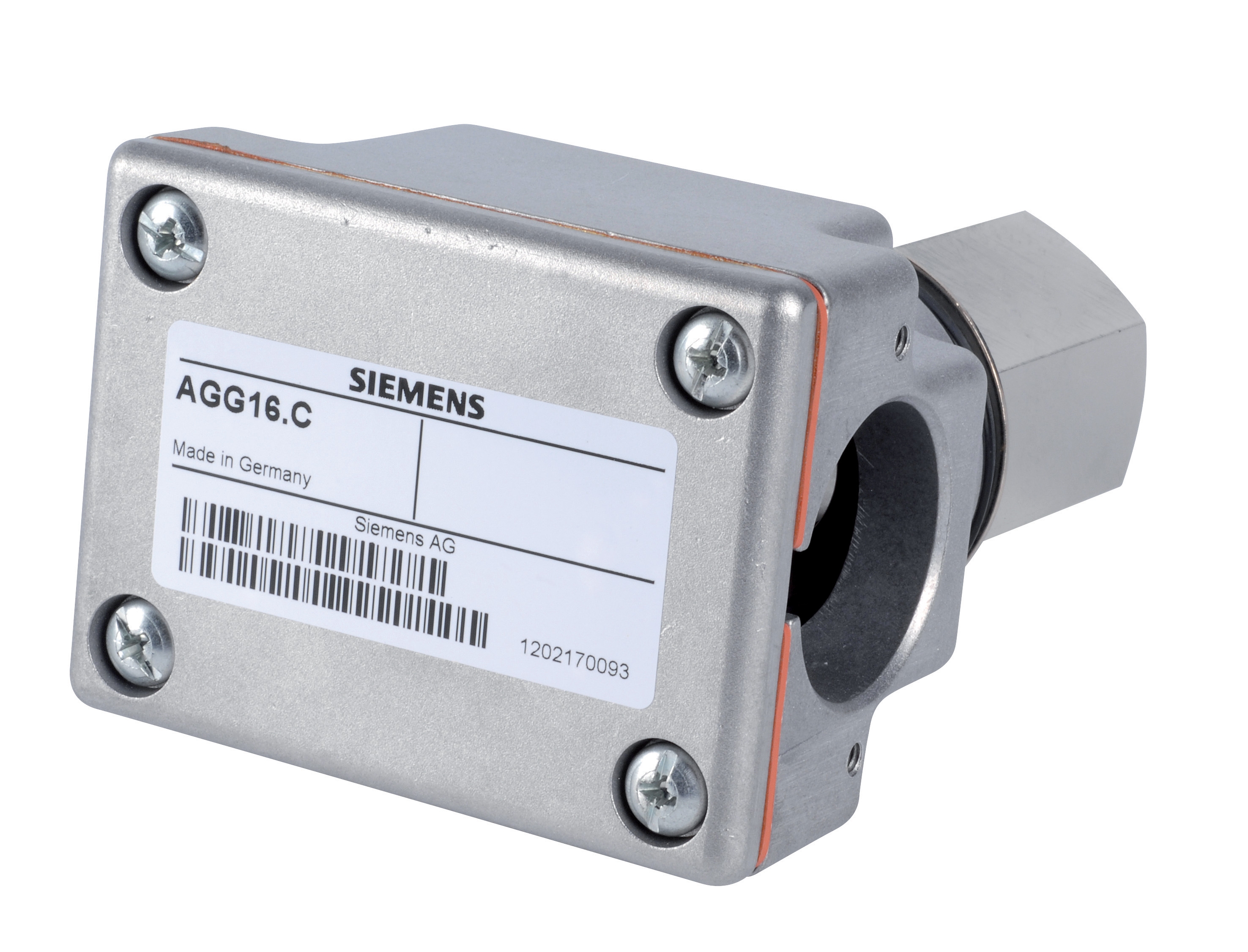
Flame detection signals must be properly conditioned before reaching the control relay's input stage. The CBM Adapter AGG 16C for QRA53/55/63/65 serves this critical function, providing impedance matching and signal buffering between the flame sensor (such as UV cells) and the control relay input. This adapter is essential when integrating older QRA-series flame detectors with newer control systems, or when the signal cable must traverse long distances in electrically noisy industrial environments.
In industrial environments across Singapore, signal integrity becomes a practical concern. High-power electrical equipment, variable frequency drives, and wireless transmitters generate electromagnetic interference that can corrupt the low-level signal from a flame sensor. The AGG 16C adapter shields the sensor signal and provides impedance buffering that prevents reflections and attenuation over cable runs up to 20-30 meters. This is particularly important in larger furnace rooms or distributed burner installations where the flame sensor and control relay may be physically separated.
Real-World Application Examples in Singapore Industrial Settings
Commercial Boiler Installation: A 1-MW natural gas boiler for a hospitality facility in Singapore's Jurong industrial area requires flame monitoring with high reliability in the presence of significant electrical noise from HVAC systems and kitchen equipment. The facility selected a CM 11F control paired with a UV cell sensor, as natural gas flames provide strong UV output and the sensor is immune to ambient daylight—important since the boiler room has south-facing windows. The AGG 16C adapter was installed to condition the 30-meter sensor signal run from the boiler to the control panel in the mechanical room.
Industrial Process Burner: A chemical processing facility required retrofit of a legacy oil burner control system. The existing installation used ionization flame detection, but the replacement control unit supported multiple sensor types. Engineering specified the DMG 973-N MOD.01 control, which accepted the existing ionization probe while providing the capability to add UV or IR detection for improved redundancy. The microprocessor-based logic enabled sophisticated air/fuel ratio management required by the process.
Multi-Burner Heating System: A large industrial facility with three parallel gas burners required synchronized flame detection across all three units. Each burner employed the UVS 10D1G1 UV cell, with signals aggregated through individual FDU510 relays that reported to a master safety controller. This architecture provided per-burner flame diagnostics while maintaining system-level safety interlocks.
Selection Criteria & Best Practices for Singapore Operations
Sensor Type Selection: Choose UV sensors for gas burners, especially with clean fuels (natural gas, LPG). Select ionization probes when retrofit compatibility with existing control systems is essential. Specify infrared detectors for flame conditions where UV output is weak or obscured by soot.
Environmental Robustness: Singapore's high humidity, salt spray near coastal facilities, and consistent 28–32°C temperatures affect sensor performance. Specify sensors with solid-state construction (like the UVS 10D1G1) rather than sensors with exposed filaments or windows prone to contamination. Ensure optical windows are accessible for periodic cleaning—salt fog and dust buildup reduce sensor sensitivity.
Signal Integrity: Always use signal adapters or conditioning circuits when cable runs exceed 10 meters. In electrically noisy environments (near variable frequency drives, welding equipment, or high-power switchgear), use shielded twisted-pair cabling and proper grounding.
Compliance & Documentation: Verify that selected sensors and control systems meet relevant standards—EN 298 for EU-origin equipment, IEC 61010 for electrical safety, and local Singapore electrical regulations. Maintain detailed flame detection commissioning records, including initial sensor calibration and response time verification.
Conclusion & Next Steps
Flame detection sensor technology forms the sensory backbone of reliable burner control systems. Understanding the characteristics of UV, ionization, and infrared detection technologies enables informed equipment selection that balances safety, reliability, and cost. The specific products discussed—from the UVS 10D1G1 UV cell to the comprehensive control logic of the DMG 973-N MOD.01—represent proven technologies deployed across Singapore's industrial base.
The integration of proper signal conditioning, compatible relay logic, and environmentally appropriate sensor specifications ensures that your burner control system maintains reliable flame detection throughout its operational life, even in Singapore's demanding tropical climate. For specific guidance on flame detection sensor selection for your industrial application, installation support, or technical troubleshooting of existing systems, contact 3G Electric's technical team. Since 1990, we have been Singapore's trusted distributor of industrial burner controls and safety equipment, with direct access to technical documentation, stock availability, and commissioning expertise.