Understanding Cross-Component Compatibility in Southeast Asian Industry Applications
With 35+ years of experience distributing industrial equipment throughout Southeast Asia, 3G Electric understands that procurement engineers rarely source entire systems from single vendors. The reality of regional operations—from food processing plants in Thailand to petrochemical facilities in Singapore—requires seamless integration of pressure regulators, industrial pumps, nozzles, and control systems from different manufacturers.
Compatibility failures between components are among the most common yet preventable issues in industrial applications. Unlike single-component failures that produce obvious symptoms, compatibility problems often manifest as intermittent performance, efficiency losses, or premature wear that procurement teams struggle to diagnose. This guide addresses the diagnostic and selection strategies essential for managing multi-component systems across Southeast Asia's diverse industrial landscape.
Pressure Regulation and Pump System Integration Diagnostics
Common Compatibility Failure Points
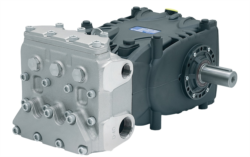
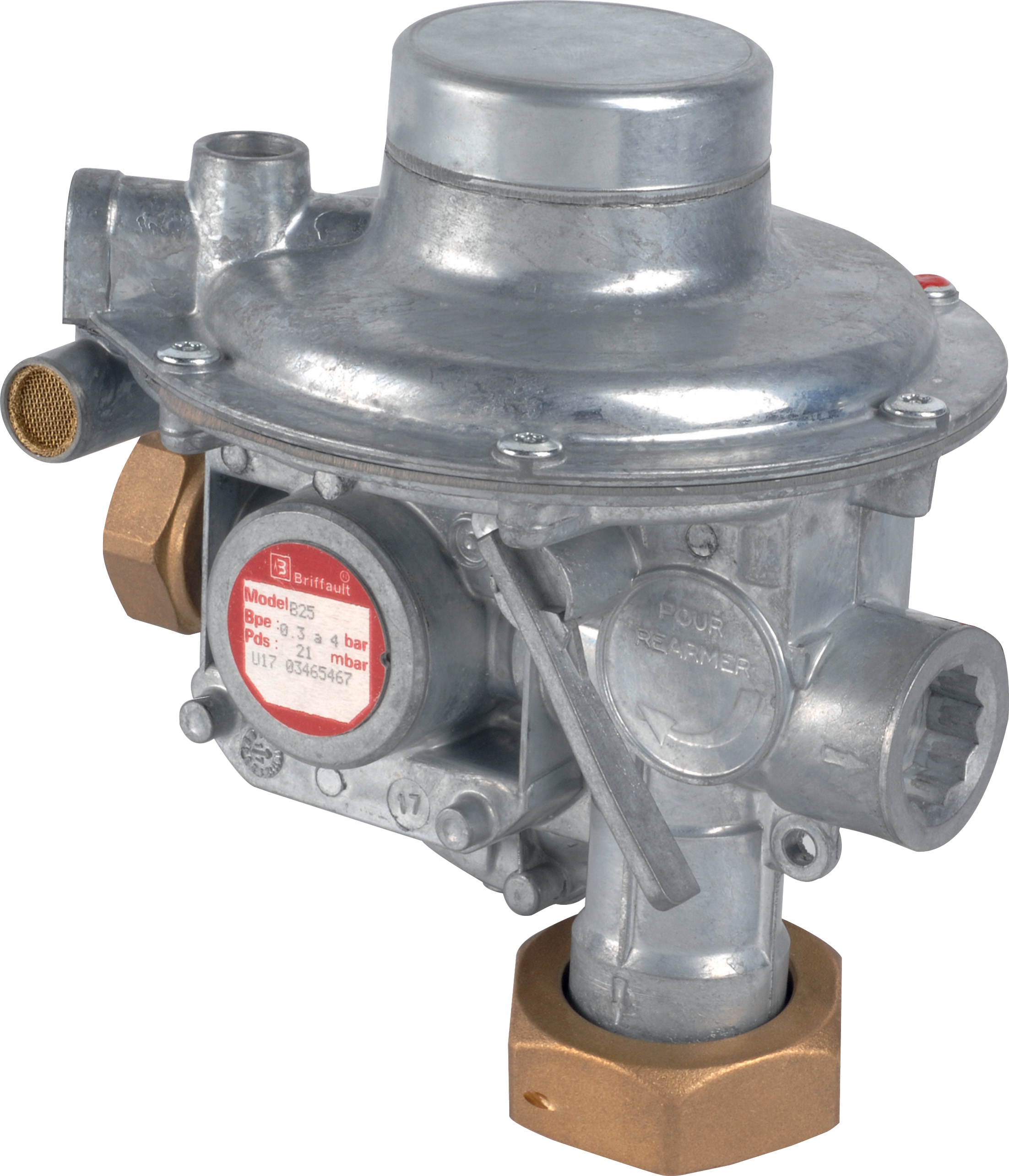
When integrating a Francel B25/37mb pressure regulator with high-capacity industrial pumps like the Pratissoli MW40 (211 L/min, 210 bar), procurement engineers must verify outlet pressure requirements match downstream pump specifications. A frequent compatibility issue occurs when regulators sized for laboratory gas distribution (37 mbar outlet) are mistakenly specified for systems requiring industrial flow rates.
Diagnostic Procedure for Pressure Mismatch:
- Verify outlet pressure specification of the regulator against inlet pressure requirement of the next component
- Check relief valve setting on the regulator against system maximum operating pressure
- Measure actual outlet pressure under full flow conditions using a calibrated gauge
- Compare measured pressure against documented system operating point
The Francel B25/37mb provides 10 mm vent sizing with integrated safety relief—critical specifications often overlooked during procurement. If your system operates at 150+ bar downstream, this regulator cannot provide adequate load-holding pressure, requiring specification of industrial-grade regulators instead.
Pump Selection Based on Regulatory Requirements
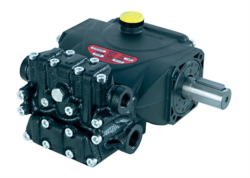
Southeast Asian industrial facilities operating under varying environmental regulations require pressure systems that maintain stable output across ambient temperature ranges (25–40°C is typical). The Pratissoli KF30 (106 L/min, 200 bar, 40 kW) and Pratissoli MW40 (211 L/min, 210 bar, 85 kW) offer different displacement ranges suited to different regulatory and operational contexts.
Selection Matrix for Regional Applications:
For facilities requiring precise outlet pressure maintenance with variable input: Choose regulator with integral load-holding check. Verify the regulator vent port can handle the pump's maximum relief flow without back-pressure.
For high-flow cleaning or coating operations: Ensure pump displacement (L/min rating) exceeds nozzle flow requirement by 15–20% to maintain regulator stability and prevent hunting (oscillating pressure).
For systems operating at elevation (common in mountain regions of Indonesia and Malaysia): Account for atmospheric pressure variation when calculating gauge pressure requirements. A regulator set for 37 mbar absolute at sea level may deliver only 25 mbar at 1,000 meters elevation.
Troubleshooting Pressure Instability Across Component Boundaries
If your system exhibits pressure fluctuation (±5 bar or greater variation over 30 seconds), the issue typically originates at component interfaces rather than within individual components.
Diagnostic Steps:
1. Isolate the pressure regulator by connecting a test pump directly to the next component. If pressure stabilizes, regulator sizing is inadequate for system flow requirements.
2. Check regulator vent line for restriction or backpressure. The vent port must communicate with atmosphere or low-pressure reservoir freely. A kinked vent line or partially blocked breather filter will cause hunting.
3. Verify pump displacement and actual operating speed match component flow ratings. A Pratissoli KF30 rated 106 L/min assumes full displacement operation; worn pump designs deliver 15–20% less flow, requiring regulator compensation.
4. Inspect inlet filtration upstream of the regulator. Particulate matter causes spool stiction (sticky valve movement), resulting in pressure spikes followed by drops.
Spray Nozzle and Pump Flow Compatibility
Matching Nozzle Specifications to Pump Capacity
The Euspray flat jet nozzle HP 1/4"M BSPT is engineered for high-pressure spray applications but must be matched to pump flow capacity. This nozzle with 25° spray angle and index 30 design operates optimally within a specific flow window—typically 60–140 L/min depending on operating pressure.
Critical Compatibility Parameters:
- Flow rate matching: A compact Interpump E1D1808 pump (8 L/min) cannot sustain the minimum flow for the Euspray nozzle, resulting in erratic spray pattern and uneven coverage. Conversely, oversizing pump displacement beyond nozzle maximum capacity forces pressure regulation alone to control flow, reducing efficiency.
- Pressure drop across nozzle: The flat jet design generates specific pressure drop (typically 20–40 bar depending on orifice diameter). Ensure upstream pressure regulator accounts for nozzle pressure loss. If nozzle requires 80 bar operating pressure and loses 30 bar across the orifice, regulator outlet must be set to 110 bar minimum.
- Connection thread compatibility: The 1/4" M BSPT thread specification is ISO standard but must match your manifold or hose adapter. Southeast Asian facilities sometimes use older equipment with SAE or metric threads—verify thread type before procurement.
Diagnosing Nozzle Performance Issues
Symptom: Spray angle narrows or spray becomes pencil-like instead of flat fan
- Likely cause: Upstream pressure exceeds nozzle design maximum, causing internal flow pattern distortion. Reduce regulator outlet pressure by 10–15 bar increments, testing coverage pattern between adjustments.
- Verify regulator is functioning properly by disconnecting nozzle and measuring free-flow pressure at regulator outlet.
- Likely cause: Particulate contamination in nozzle orifice, OR pump cavitation due to inadequate inlet pressure. For inlet supply pressures below 0.5 bar absolute, check inlet strainer and ensure pump inlet port is below fluid level in supply reservoir.
- For Southeast Asian facilities with fluctuating utility water supply: install a check valve and 50-micron strainer upstream of the pump inlet to prevent air ingestion.
- Likely cause: Nozzle orifice partially blocked by scale or corrosion. Inspect and clean using soft brass brush and filtered water. If problem persists, nozzle internal surfaces may be damaged; replacement is typically more economical than repair.
- Secondary cause: Nozzle specification does not match system pressure. Verify nozzle pressure rating against actual operating pressure—a nozzle rated for 150 bar will exhibit excessive pressure drop at 200 bar operation.
Specification Verification and Procurement Checklist for Southeast Asian Operations
Pre-Purchase Component Verification
Procurement engineers should develop a compatibility matrix before finalizing purchase orders. This matrix documents each component's critical parameters and validates them against adjacent components in the system architecture.
Essential Specifications to Verify Before Purchase:
- Pressure regulator outlet pressure range must encompass all downstream operating points (minimum to maximum)
- Pump maximum continuous pressure must equal or exceed system relief valve setting
- Nozzle flow capacity must fall within pump displacement range (accounting for 15% safety margin)
- Connection threads and ports must match manifold or hose adapters across all components
- Fluid compatibility across all wetted components (ISO VG 46 mineral oil, biodegradable esters, water-glycol, synthetic PAO oils have different material requirements)
- Thermal operating range must accommodate facility ambient temperature (25–40°C typical in Southeast Asia, but specialized facilities may operate hotter)
- Vent port sizing and location on pressure regulators must allow unrestricted atmospheric communication
3G Electric's Regional Support for Specification Development
With 35+ years distributing equipment across Southeast Asia, 3G Electric supports procurement teams through specification review services. Before finalizing cross-component purchases, procurement engineers should consult with our technical team to verify:
- Compatibility between European (ISO), Italian (Pratissoli), and Asian component standards
- Regional facility operating conditions and how they affect component performance
- Long-term parts availability and service support across major Southeast Asian markets
Select components from manufacturers that publish detailed flow-pressure curves and outlet pressure specifications. The Pratissoli KF30 and Pratissoli MW40 provide comprehensive technical documentation enabling accurate system modeling. Avoid "generic" components from suppliers unable to provide detailed flow-pressure behavior across operating ranges.
Documentation Requirements for Regional Compliance
Southeast Asian facilities increasingly require documented compatibility verification for warranty and insurance purposes. Maintain records showing:
- Component selection criteria and compatibility calculations
- Baseline pressure and flow measurements after system installation
- Periodic performance audits comparing measured output against documented specifications
- Service logs documenting any component failures or performance degradation
This documentation protects procurement teams during equipment failures and supports warranty claims across regional facilities.
Implementation and Ongoing Optimization
System Commissioning After Component Integration
After installing a newly integrated system, conduct systematic pressure and flow testing:
1. Establish baseline measurements: Measure outlet pressure, actual flow rate (using calibrated meter or tank-fill timing), and component temperatures at 25%, 50%, 75%, and 100% rated load.
2. Validate regulator response: Increase load gradually, recording pressure response time (should stabilize within 2 seconds for most industrial regulators).
3. Test nozzle spray pattern: If applicable, photograph or video-record spray pattern at minimum, nominal, and maximum operating pressure.
4. Document all measurements for future comparison and troubleshooting reference.
Monitoring for Long-Term Compatibility Issues
Compatibility problems often develop gradually as components age. Monthly or quarterly monitoring schedules should include:
- Visual inspection of all connection points for leakage or discoloration
- Pressure measurement comparison against baseline readings
- Flow rate measurement (for pumping systems) to detect pump wear
- Nozzle spray pattern inspection for deterioration
Regional environmental factors accelerate component degradation: humidity in coastal areas promotes corrosion; dust contamination in manufacturing facilities clogs inlet filters; thermal cycling in areas with large day-night temperature swings stresses seals and connections.
Spare Component Strategy for Southeast Asian Facilities
Maintain strategic spare inventory of critical components most subject to compatibility-related failures:
- Pressure regulator (high failure rate during system integration)
- Replacement nozzles (subject to orifice plugging and corrosion)
- Inlet strainers and filters (prevent downstream contamination issues)
- Hose assemblies with regional connector standards
3G Electric's warehouse network throughout Southeast Asia enables rapid component access, supporting procurement teams managing multiple facilities across the region.