Understanding Controls & Safety Response Time in Tropical Industrial Environments
Singapore's industrial sector faces unique challenges: year-round humidity (60-90%), ambient temperatures ranging from 24°C to 35°C, and rapid thermal transients in high-density manufacturing zones. Controls & Safety systems must respond quickly to prevent thermal overshoot while maintaining safety margins in these conditions.
Response time—the delay between sensing a parameter change and actuating a control or safety device—directly affects both efficiency and protection. With over 35 years of experience supplying industrial equipment across Southeast Asia, 3G Electric has observed that inadequate response time specifications cause thermal hunting (oscillating temperatures), delayed flame detection, and unnecessary equipment shutdowns in tropical plants.
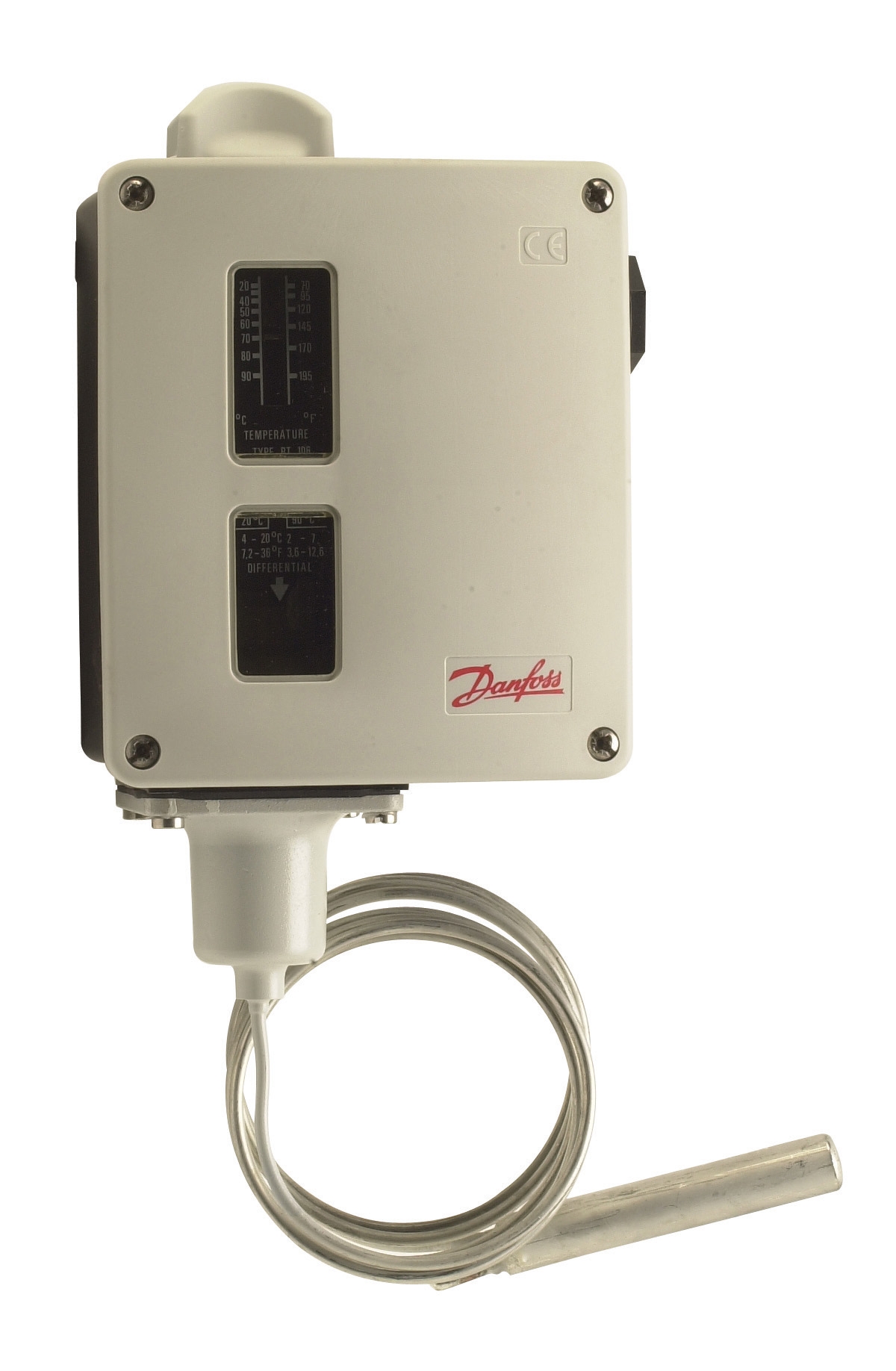
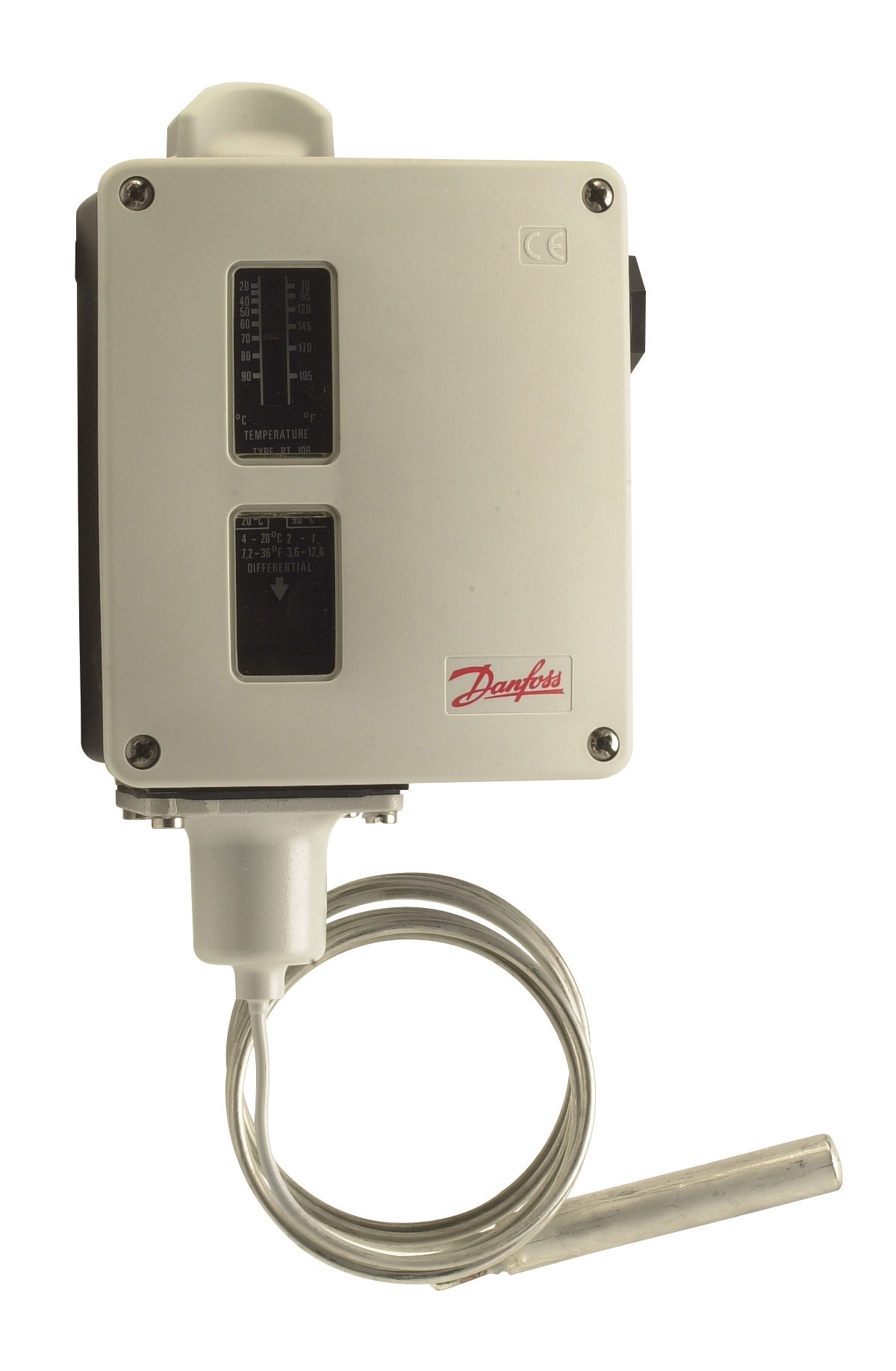
The Danfoss RT 124 thermostat exemplifies precision response through its adjustable differential feature. In typical HVAC applications, a 2-3°C differential prevents chatter while maintaining temperature stability. However, in Singapore's high-humidity environments where moisture absorption affects thermostat bulb readings, a wider 4-5°C differential with neutral zone option provides faster switching response while accommodating sensor drift. This practical adjustment reduces energy waste from frequent on-off cycles and extends component life by 15-20%.
Flamework detection speed is equally critical. The Honeywell Cell C 7044 A 1006 ultraviolet flame detector responds to flame presence in milliseconds—typically 100-200 ms—which meets international safety standards. Yet response time alone is insufficient: the detector must reject false signals from ambient UV sources (sunlight through factory windows) and electrical noise in industrial environments. In Singapore's coastal plants with salt-air corrosion risk, UV cell degradation can slow response by 10-15% annually, necessitating predictive maintenance schedules.
Amplifier Performance and Signal Chain Reliability
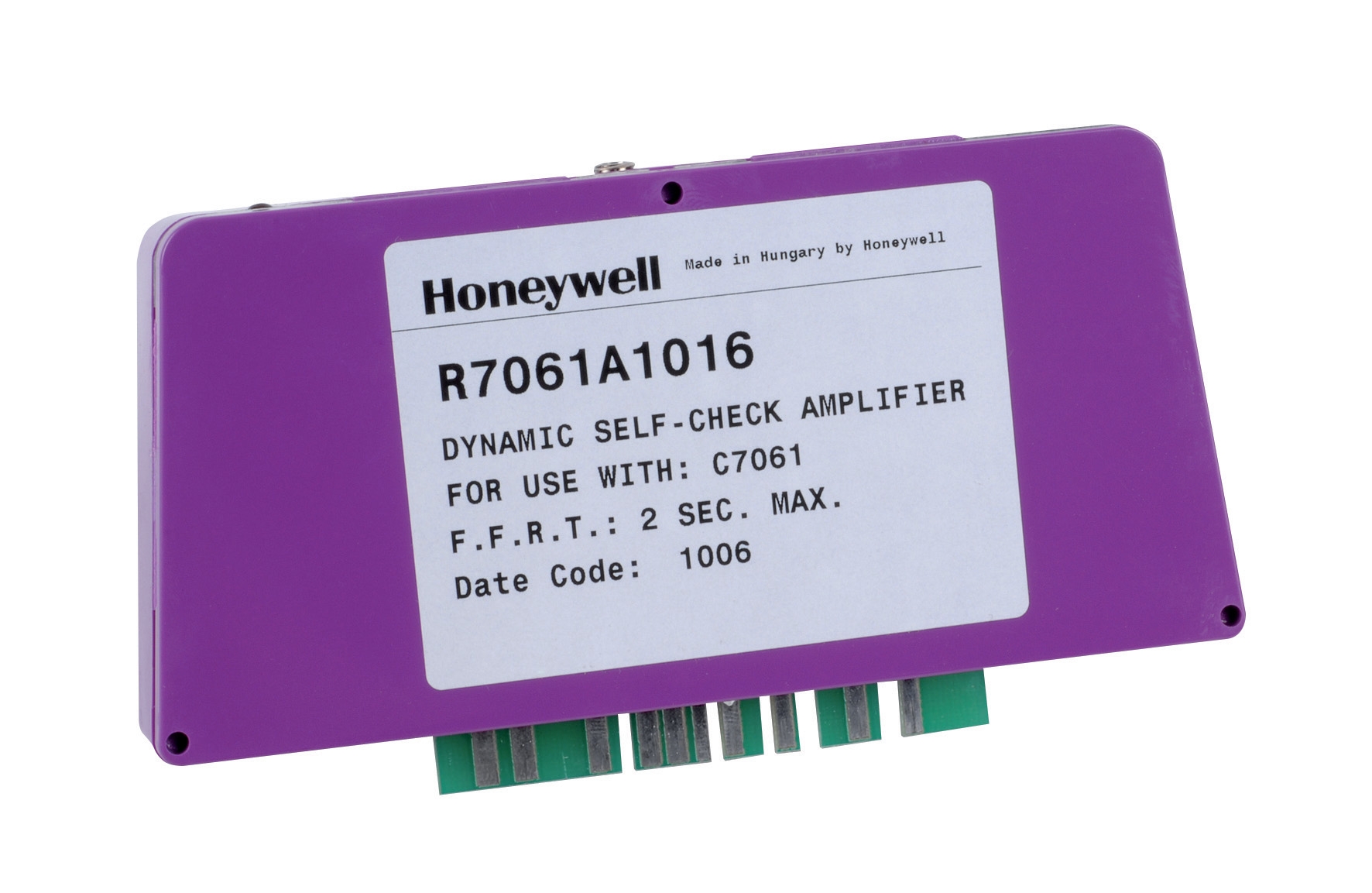
The Honeywell R7861A amplifier sits between the flame detector and burner control logic, translating optical signals into electrical decisions. Its operating range (-40°C to 60°C) and vibration tolerance (0.5 g continuous) address two distinct environmental challenges: equipment room temperature swings during monsoon seasons and vibration from adjacent pumping or compressor systems.
Response time through the amplifier chain matters more than individual component speed. A typical sequence unfolds as follows:
1. Flame detection lag: 100-200 ms (detector cell response)
2. Optical-to-electrical conversion: 50-100 ms (amplifier electronics)
3. Signal conditioning and filtering: 20-50 ms (noise rejection circuits)
4. Relay actuation: 10-30 ms (electromagnetic contact closure)
Total chain response: 180-380 ms under normal conditions. In humid environments where moisture degrades optical surfaces, detection lag can extend to 300-400 ms, requiring technicians to commission amplifier gain settings higher than factory defaults. The Honeywell amplifier's adjustable sensitivity accommodates this drift without replacing optical components—a cost-effective maintenance strategy for Singapore plants running continuous shifts.
Thermostatic response interacts with amplifier response time. When the Danfoss RT 107 thermostat detects a process temperature rise (say, in boiler feed water), it signals a control module to reduce burner intensity or cycle off. If the thermostat response is 30 seconds and the amplifier response is 300 ms, total system lag is dominated by the thermostat's bulb-response characteristics—thermal mass of the sensing bulb and fluid, plus contact hysteresis. For applications where rapid load changes occur (batch cooling, repeated startup-shutdown cycles), selecting thermostats with smaller bulb volumes reduces lag from 30 seconds to 8-12 seconds, improving stability.
Environmental Resilience in High-Humidity Tropical Settings
Singapore's average relative humidity exceeds 75% year-round, with peaks above 95% during monsoon months (December-March). This moisture infiltrates electrical enclosures, corrodes relay contacts, and degrades flame detector optics—all mechanisms that slow response time and increase failure risk.
The Pactrol CSS01 housing control module integrates three critical functions—timed relay, flame relay, and electronic spark generator—within a sealed housing rated for atmospheric and small forced-air burners up to 60 kW. Integrated design offers two advantages for tropical environments:
- Fewer external connections: Each wire entering an enclosure is a potential moisture ingress point. Fewer connections mean lower corrosion risk.
- Factory-sealed relay chambers: Pre-assembled and tested before shipment, the Pactrol unit arrives with internal contacts in optimal condition. Field assembly of multiple relay modules exposes components to moisture during wiring and commissioning.
For a typical Singapore installation—a 40 kW boiler burner with atmospheric ignition running 18-20 hours daily—the choice between the Pactrol integrated module and modular relay stacks carries measurable risk profiles:
Integrated Pactrol CSS01:
- Single sealed enclosure reduces moisture ingress points by 60%
- Spark generator and flame relay optimized for co-location (shorter signal paths = less EMI vulnerability)
- Typical MTBF in tropical climates: 4-6 years
- Annual maintenance: enclosure ventilation check, contact inspection every 12 months
- Multiple enclosures require field wiring, increasing humidity exposure
- Response time advantages: modular relays allow component-level upgrades (e.g., faster flame relay without replacing thermostat)
- Typical MTBF: 2.5-3.5 years due to moisture ingress and distributed failure modes
- Annual maintenance: contact cleaning every 6 months, moisture desiccant replacement every 3 months
Practical Selection Matrix for Singapore Industrial Operations
Response time performance varies by application. Three scenarios illustrate decision logic:
Scenario 1: Continuous Process HVAC (Hotel, Hospital, Data Center)
- Requirement: Stable ±2°C temperature control, instant flame monitoring
- Recommended system: Danfoss RT 124 (2-3°C differential) + Honeywell Cell C 7044 + Honeywell R7861A
- Rationale: Thermostat differential balances hunting prevention with response speed. Separate flame detection allows independent commissioning. Total system response: 250-350 ms.
- Maintenance burden: Moderate (optical cleaning quarterly)
- Requirement: Fast temperature rise to setpoint (5-10 minutes), safe shutdown on fault
- Recommended system: Danfoss RT 107 (3-4°C differential, smaller bulb) + Pactrol CSS01
- Rationale: Smaller thermostat bulb accelerates ramp response from 30 s to 12 s. Integrated Pactrol reduces moisture-related contact degradation. Single sealed enclosure suits environments with moisture condensation risk.
- Maintenance burden: Low (quarterly enclosure inspection)
- Requirement: Redundant flame detection, multi-point temperature monitoring, extended service intervals
- Recommended system: Dual Honeywell Cell C 7044 detectors + Honeywell R7861A amplifiers (one per detector) + Danfoss RT 124 + external pressure switch
- Rationale: Redundancy increases MTBF. Dual amplifiers tolerate single-point failures. Danfoss thermostat provides analog feedback for trend analysis.
- Maintenance burden: High (quarterly full-system commissioning, annual spare parts stock)
Maintenance and Performance Monitoring in Tropical Climates
3G Electric's 35+ years serving Southeast Asia's industrial base demonstrate that Controls & Safety system longevity depends on environment-matched maintenance schedules. Generic maintenance intervals (annual contact inspection, 3-year relay replacement) fail in Singapore because:
- Salt-air corrosion (coastal plants) accelerates contact degradation by 40-60%
- Condensation cycles during monsoon months create micro-corrosion on relay and thermostat contacts
- Thermal cycling from equipment room temperature swings (20°C night to 35°C day) causes contact resistance drift
Optimal tropical maintenance for the product set above:
1. Monthly: Visual inspection for corrosion on external contacts; check desiccant color in modular relay enclosures
2. Quarterly: Clean optical surfaces on Cell C 7044 detectors; test amplifier gain settings and response time using field instrumentation
3. Semi-annually: Contact resistance measurement (target <50 mΩ) on all relay and thermostat contacts; replace desiccant packs
4. Annually: Full commissioning test (flame detection response, thermostat differential confirmation, amplifier gain verification); thermography survey of electrical connections
5. Biennial: Replace thermostat bulb fluid (moisture absorption degrades sensing accuracy); inspect and re-torque all electrical terminals
For plants running continuous processes with critical heating (petrochemical, pharmaceutical), implementing remote monitoring on Honeywell R7861A amplifiers—using optional signal output cards—enables predictive failure detection. A gradual decrease in amplifier gain reserve signals optical surface fouling 2-3 months before failure, allowing scheduled replacement during maintenance windows.
Conclusion: Optimizing Controls & Safety for Singapore's Industrial Future
Response time and environmental resilience are inseparable in tropical industrial settings. The comparison between thermostat models (RT 124 vs. RT 107), flame detector/amplifier pairs (Cell C 7044 + R7861A), and integrated modules (Pactrol CSS01) reveals that no single "best" choice exists—only application-specific optima.
For temperature-sensitive HVAC systems in low-corrosion environments, the modular approach (thermostat + separate flame relay + amplifier) offers flexibility and fast response. For batch processes in high-moisture environments, integrated housing saves maintenance labor and extends component life. For critical dual-fuel systems, redundancy and remote diagnostics justify higher initial cost.
3G Electric's role as a distributor of these Controls & Safety components means our technical team can assist in matching system architecture to your plant's specific response time requirements, environmental exposure, and maintenance capacity. We recommend conducting a 90-day pilot test comparing your current system's response metrics (thermostat lag, flame detection speed, relay contact resistance) against the benchmarks outlined here—data that informs the most cost-effective Controls & Safety upgrade pathway for your Singapore operations.