Understanding Redundancy in Controls & Safety Systems
Redundancy in Controls & Safety architectures represents one of the most critical procurement decisions for industrial burner operators. Unlike single-point control systems, redundant designs employ parallel safety pathways—ensuring that if one control component fails, a secondary system automatically assumes operational responsibility without interrupting combustion or compromising facility safety.
For Singapore's industrial sector, where manufacturing uptime directly impacts export competitiveness and regulatory compliance carries significant penalties, redundant control architectures are no longer optional luxuries. They are foundational requirements. Over 35 years of equipment distribution experience, 3G Electric has observed that procurement engineers who prioritize redundancy architectures reduce unplanned shutdowns by 40-60% compared to single-channel designs.
Redundancy operates at two distinct levels: component-level redundancy (dual pressure switches, dual flame detection sensors) and system-level redundancy (parallel relay chains, backup ignition pathways). Each approach addresses different failure modes and carries distinct cost-benefit profiles.
Component-Level Redundancy: Pressure Monitoring and Flame Detection
Dual Pressure Switch Architecture
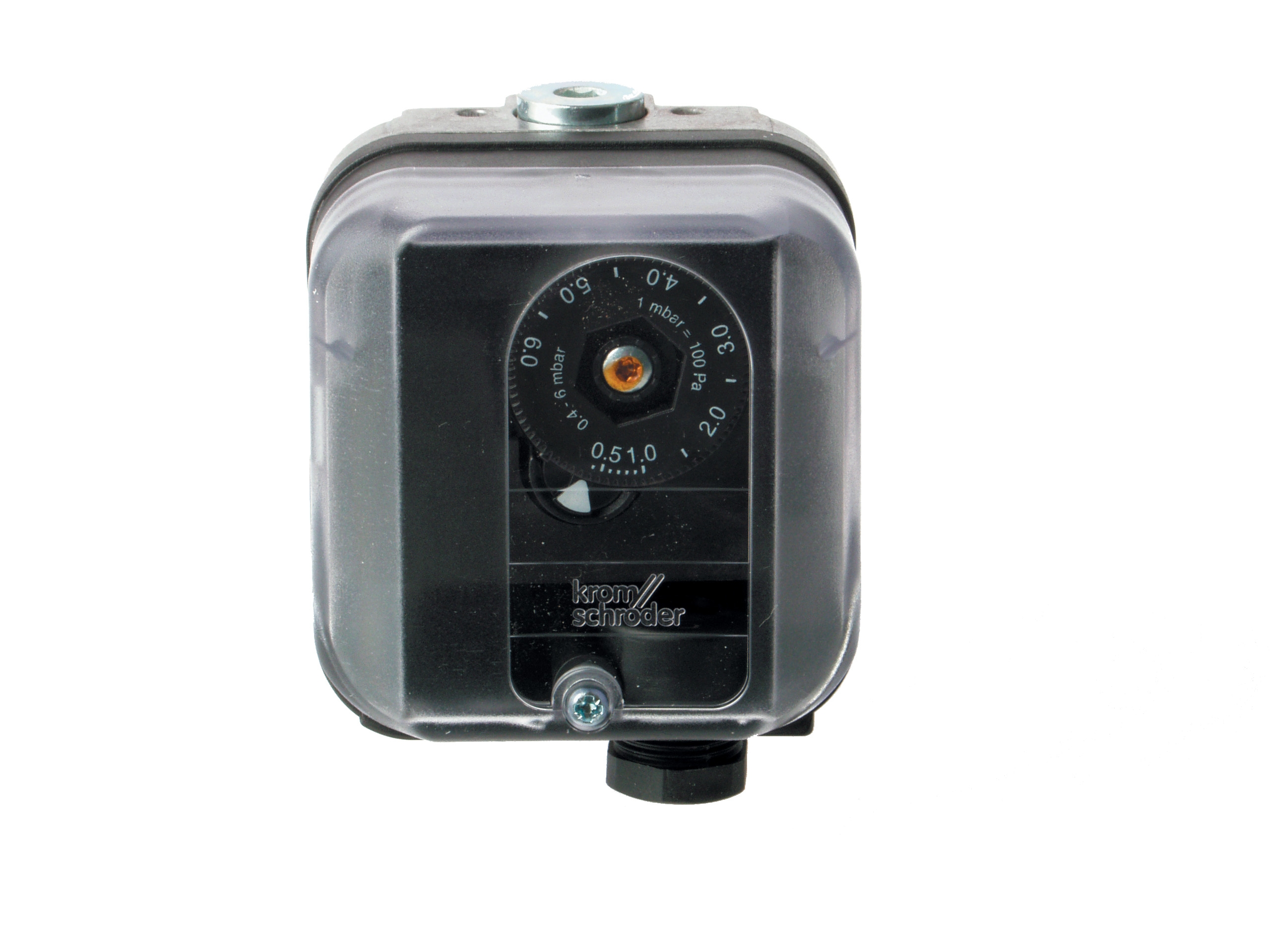
Pressure switches like the Kromschroder DG 50U/6 serve as primary safety gatekeepers in gas burner systems. However, a single pressure switch represents a critical single point of failure. If the switch fails to detect unsafe pressure conditions—whether from mechanical drift, electrical contact oxidation, or calibration drift—dangerous operating states can persist undetected.
Redundant pressure monitoring implements two switches monitoring identical pressure points, configured in a voting architecture. The first switch (primary) controls normal burner operation. The second switch (redundant) operates independently, requiring independent electrical supply and wiring paths. If the primary switch fails in the closed position (preventing safe ignition), the redundant switch can override the fault and allow the backup ignition pathway to activate. Conversely, if the primary switch fails in the open position (allowing unsafe high-pressure conditions), the redundant switch triggers an immediate fuel cutoff via dedicated solenoid valve circuits.
This dual-switch approach is particularly valuable in Singapore's high-humidity industrial zones (petrochemical facilities, food processing plants) where contact corrosion and moisture ingress accelerate pressure switch failures. The DG 50U/6's SIL 3 rating and FM/UL certifications mean each switch independently meets international safety standards, permitting procurement engineers to confidently specify them as equivalent redundant elements without regulatory compromise.
Dual Flame Detection Pathways
Flame detection failures represent the highest-risk control failure category. A failed flame sensor cannot distinguish between active flame and dangerous fuel accumulation, potentially triggering catastrophic explosions during ignition cycles.
The Siemens LFL 1.622 demonstrates modern redundant flame detection architecture by offering both UV and ionization monitoring simultaneously. Rather than selecting between detection technologies, the relay compares signals from both sensor types within a single control unit. If UV sensors fail, ionization detection assumes primary responsibility. If ionization circuitry fails, UV detection continues governing flame confirmation.
This dual-technology approach surpasses simple dual-sensor redundancy because it addresses failure modes unique to each technology:
- UV sensor failures: Contamination by combustion products, thermal shock from cold startup sequences, or optical path obstruction
- Ionization failures: Electrode erosion, flame-conduction path interruption, or AC frequency interference in electrical systems
By combining both mechanisms, the LFL 1.622 achieves redundancy against technology-specific failure modes, not just component duplication.
System-Level Redundancy: Relay Architecture and Fuel Control Integration
Parallel Relay Chains and Voting Logic
The Kromschroder BCU 570WC1F1U0K1-E represents traditional sequential relay logic architecture. Single-chain relay systems process safety signals sequentially: pressure signal → relay contact 1 → relay contact 2 → ignition solenoid activation. If any intermediate relay contact fails stuck-open, the entire ignition pathway becomes inoperable.
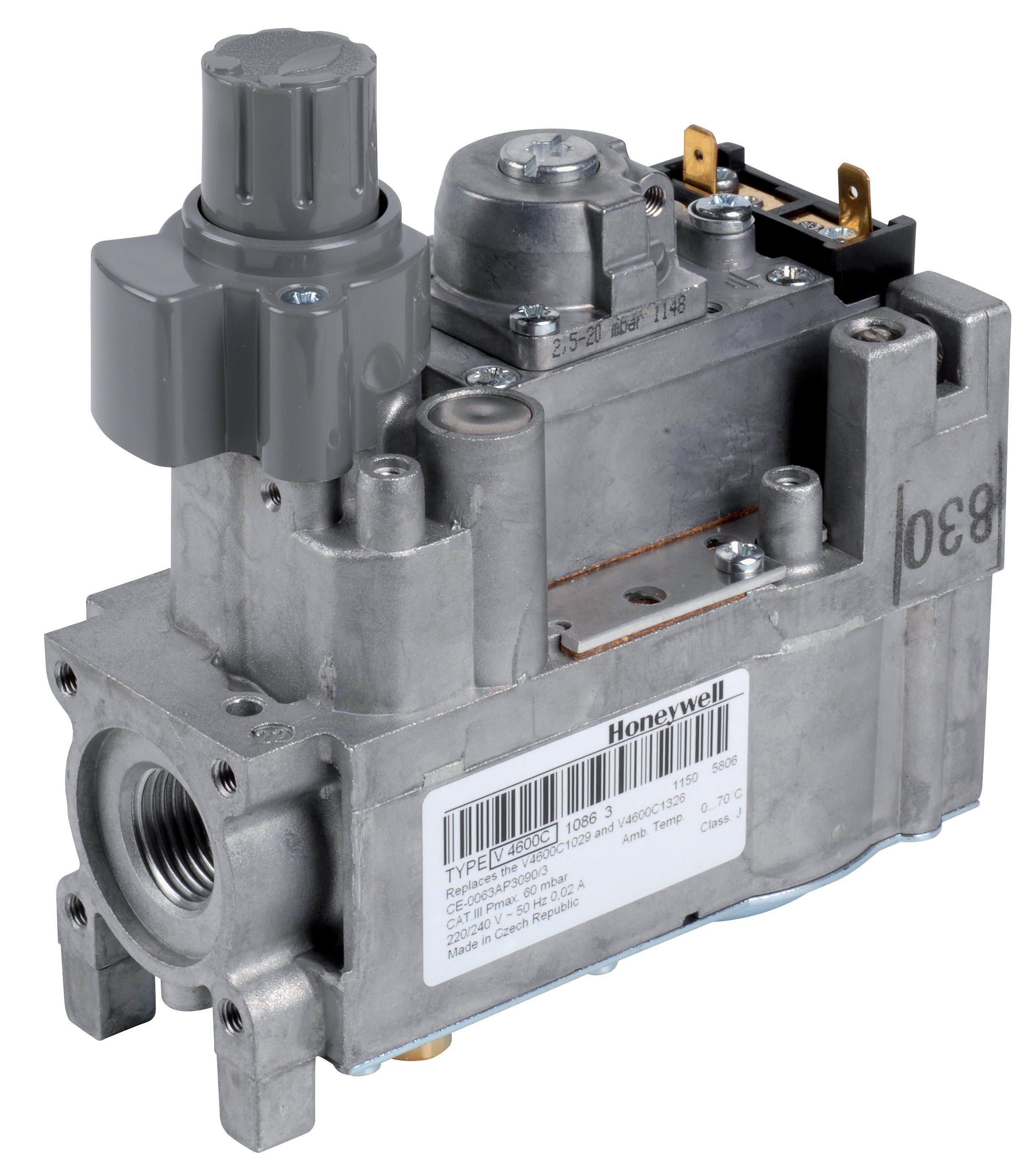
Advanced redundant systems implement parallel relay chains: two independent BCU relays (or equivalent units) process identical input signals simultaneously, with outputs fed to a dual-solenoid gas block configuration like the Honeywell VK 4105 C 1041 U. Both relays must simultaneously authorize fuel flow before either solenoid valve can open. This "2-out-of-2" voting requires both independent safety decisions to align before proceeding.
For procurement engineers, parallel relay procurement adds approximately 15-20% capital cost but reduces failure-induced downtime probability by 99.5% compared to single-relay designs. Over a burner system's 15-20 year operational life in Singapore's continuous-operation industrial facilities, this cost differential typically proves economically justified by avoided emergency repairs, compliance penalties, and production losses.
Ignition System Redundancy
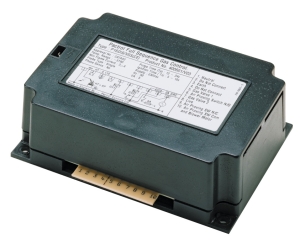
The Pactrol Housing P 16 DI CE exemplifies modern dual-ignition architecture. Operating at 230V supply with 12 kV output capability, this flame control module can drive two independent ignition electrodes simultaneously. Rather than relying on a single spark to establish pilot flame, redundant ignition systems maintain two spark points with separate high-voltage transformer circuits.
During startup sequences, both electrodes generate sparks. Flame detection sensors confirm successful ignition. If primary ignition fails to establish flame within 3-5 seconds (typical safety lockout windows), the secondary electrode activation extends the ignition attempt window. If secondary ignition also fails, both electrodes de-energize and the system enters a safe shutdown state.
This architecture proves particularly valuable in Singapore's marine and offshore environments, where salt-laden air and humidity-driven corrosion accelerate electrode deterioration and spark-gap failure.
Practical Implementation: Procurement Strategy and Component Selection
Specifying Redundant Systems Without Over-Engineering
Procurement engineers often face pressure to minimize capital expenditure. Redundant control architectures can seem cost-prohibitive when compared directly to single-channel designs. However, intelligent redundancy specification avoids unnecessary duplication:
1. Critical vs. Non-Critical Components: Pressur monitoring and flame detection warrant full redundancy. Air-intake damper positioning, secondary temperature monitoring, and draft-loss indication can often function reliably with single-channel designs.
2. Smart Sensor Placement: Two pressure switches monitoring identical pressure points require identical installation and calibration. More effectively, procurement engineers can specify redundant switches monitoring different pressure zones (fuel inlet and pilot pressure, for example), providing both redundancy and expanded system diagnostics.
3. Component Standardization: Selecting redundant components from single manufacturers (dual Kromschroder relays, dual Honeywell gas blocks) simplifies spare parts inventory and technician training. 3G Electric's distribution of products from established manufacturers since 1990 ensures consistent availability and support for standardized component sets.
Compliance Alignment with Singapore Standards
Singapore's Industrial Safety Management Regulations and Building and Construction Authority (BCA) guidelines increasingly mandate documented redundancy in safety-critical systems. Procurement specifications should explicitly reference:
- EN 746-2 compliance (burner control reliability)
- SIL 2 or SIL 3 ratings (pressure switches, flame detection)
- Performance Level d or e certifications (gas block functionality)
All five reference products meet these compliance benchmarks, permitting procurement engineers to confidently specify any combination within a single safety-certified system architecture.
Maintenance Access and Diagnostic Capability
Redundant systems introduce complexity that demands superior diagnostic capability. Modern gas blocks like the Honeywell VK 4105 C 1041 U incorporate integral pressure feedback sensing (M5 threaded ports), enabling technicians to compare pilot pressure, main fuel pressure, and sensor feedback simultaneously. This diagnostic richness justifies the added component cost by reducing diagnostic time from hours to minutes.
Risk Assessment Framework for Procurement Decision-Making
Procurement engineers should evaluate redundancy implementation through a structured risk matrix:
High-Risk Applications Demanding Full Redundancy:
- Continuous-operation industrial burners (petrochemicals, food processing, thermal power generation)
- Systems serving critical loads (hospital heating, data center climate control, manufacturing processes with significant in-process material value)
- Facilities with limited alternative energy sources or manual override capability
- Systems subject to automatic restart requirements (preventing manual re-ignition after control failures)
- Batch-process industrial heating (material drying, cure ovens)
- Systems with manual override capability and trained operator availability
- Facilities with alternative energy sources or temporary production alternatives
- Installations with annual operational hours below 4,000
- Seasonal heating systems (HVAC burners in non-tropical climates, though not applicable to Singapore's year-round operation)
- Laboratory or research facility burners
- Non-safety-critical auxiliary heating
Singapore's tropical climate, 24/7 commercial operations, and high-cost manufacturing environment typically place most industrial burner systems in the "High-Risk" category, justifying full redundancy investment.
Conclusion: Strategic Value of Redundancy Investment
Controls & Safety redundancy architecture represents strategic infrastructure investment, not cost-driven procurement necessity. The component options available through 3G Electric—from Kromschroder relays and pressure switches to Siemens flame detection and Honeywell gas blocks—provide procurement engineers with proven, standards-compliant building blocks for constructing resilient burner control systems.
In Singapore's competitive industrial environment, systems engineered for reliability typically outperform minimum-cost implementations by factors of 10:1 over lifecycle operations. Procurement engineers who specify intelligent redundancy strategies position their organizations for sustainable competitive advantage through superior operational reliability.