How to Configure and Optimize Gas Valve Regulation Systems in Singapore Industrial Plants
Gas valve regulation systems are the critical backbone of any industrial combustion facility in Singapore. Whether you operate a food processing plant, chemical facility, or manufacturing center, proper configuration of gas valves and regulators directly impacts operational safety, energy efficiency, and regulatory compliance. This guide provides plant managers and operations directors with actionable steps to configure, test, and optimize gas regulation systems using proven technical methodologies.
Understanding Gas Valve Regulation Architecture
Gas regulation systems consist of multiple integrated components working in sequence to deliver safe, stable gas flow to burners and appliances. The fundamental architecture includes pressure regulators, safety shutoff valves, flow control devices, and monitoring equipment that work together to maintain precise pressure and flow conditions.
The primary function of a pressure regulator is to reduce inlet gas pressure to a safe, usable outlet pressure. Industrial systems typically operate with inlet pressures ranging from 200 bar down to 37 mbar, depending on the application. Safety shutoff valves provide emergency isolation in case of flame failure or system malfunction. End-of-stroke contact valves ensure precise actuation control, while integrated filtration protects downstream equipment from particulates.
In Singapore's tropical climate and high-density industrial environment, thermal stability becomes critical. Most gas regulation systems must operate across ambient temperature ranges from 15°C to 45°C, with humidity levels consistently above 70%. This environment accelerates wear on gaskets, seals, and diaphragms, making proper configuration essential for extended service life.
A well-configured system follows a logical pressure cascade: incoming supply (typically 200 bar for large industrial systems) → primary pressure reduction → secondary regulation → burner inlet control → safety isolation. Each stage must be independently adjustable and monitorable. The system must also include redundant safety features: dual shutoff valves, pilot-operated relief, and manual isolation points at critical junctions.
Technical Specifications for Industrial Gas Valve Selection
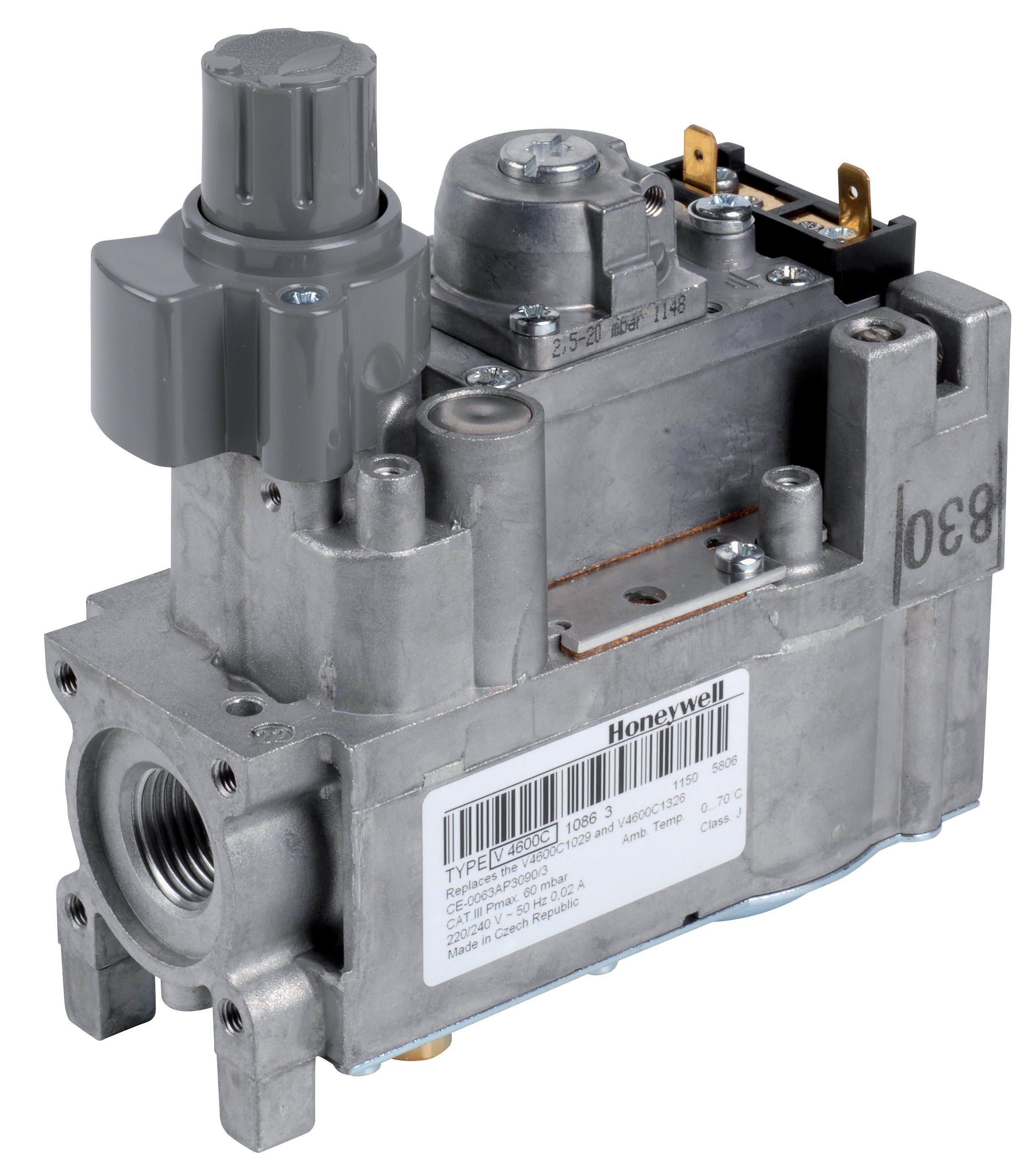
Selecting the correct components requires matching technical specifications to your specific application requirements. The Dungs MVD 515/5 is a prime example of an industrial-grade regulation valve: rated to 200 bar maximum pressure, with sub-1-second opening time and integrated 1 mm filtration. This valve is designed for frequent switching applications—up to 20 cycles per hour—making it ideal for modulating burner systems that require rapid response to load changes.
The Dungs MVD 515/5 features 1½-inch connections suitable for large-volume gas distribution networks. The integrated filter mesh prevents contaminants from reaching sensitive downstream components, extending regulator service life by 40–60% compared to unfiltered systems. Its operating temperature range of −15°C to +60°C accommodates both air-conditioned control rooms and outdoor equipment stations common in Singapore industrial parks.
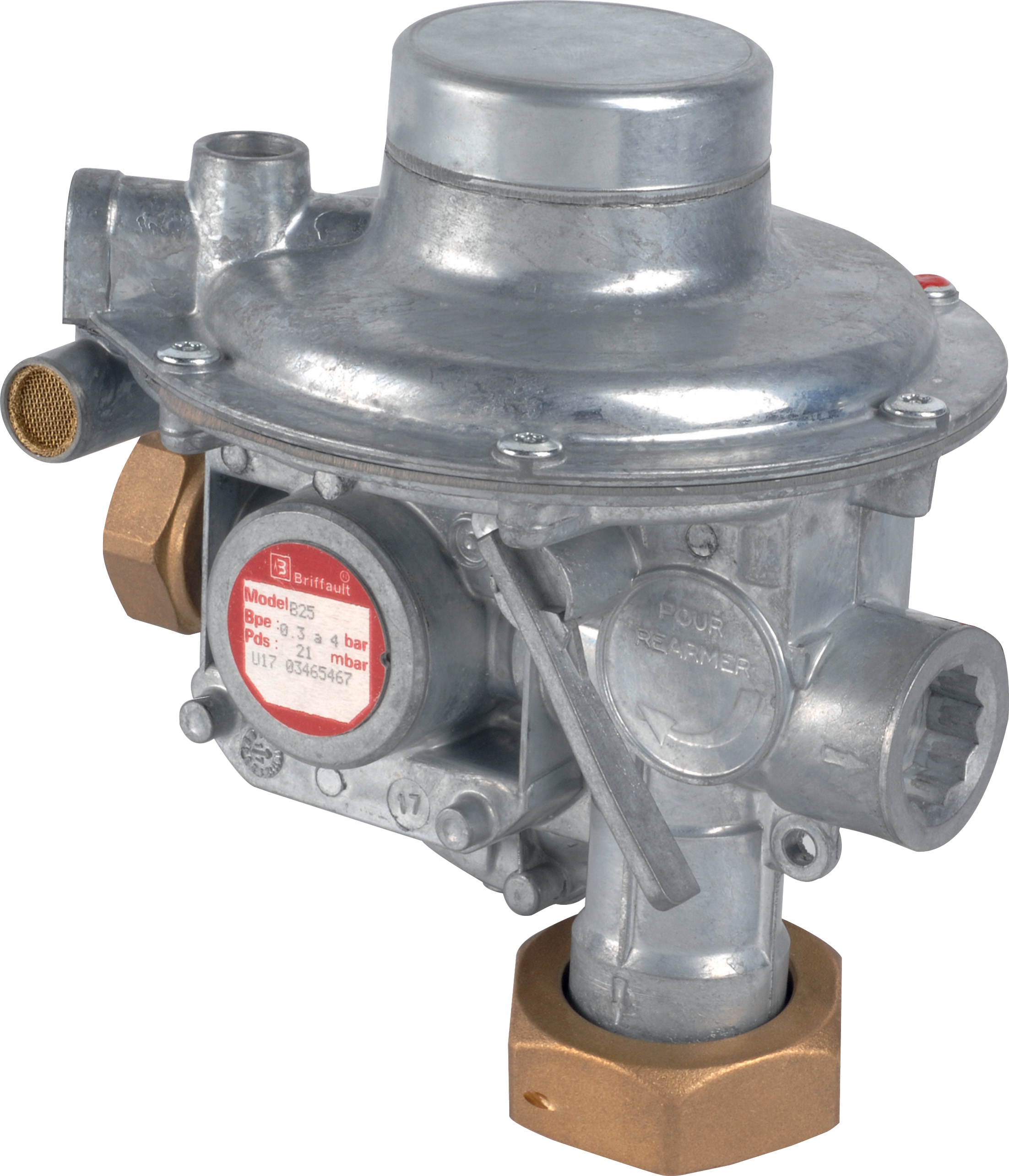
For precision pressure regulation in research facilities, laboratory gas systems, and specialized industrial applications, the Francel B25/37mb pressure regulator delivers consistent 37 mbar outlet pressure with integrated safety relief. This unit's 10 mm vent size and sphero-conical inlet connections provide flexibility for different piping configurations. The flat meter outlet joint ensures compatibility with standard laboratory gas metering equipment, critical for applications requiring volumetric accuracy within ±2% tolerance.
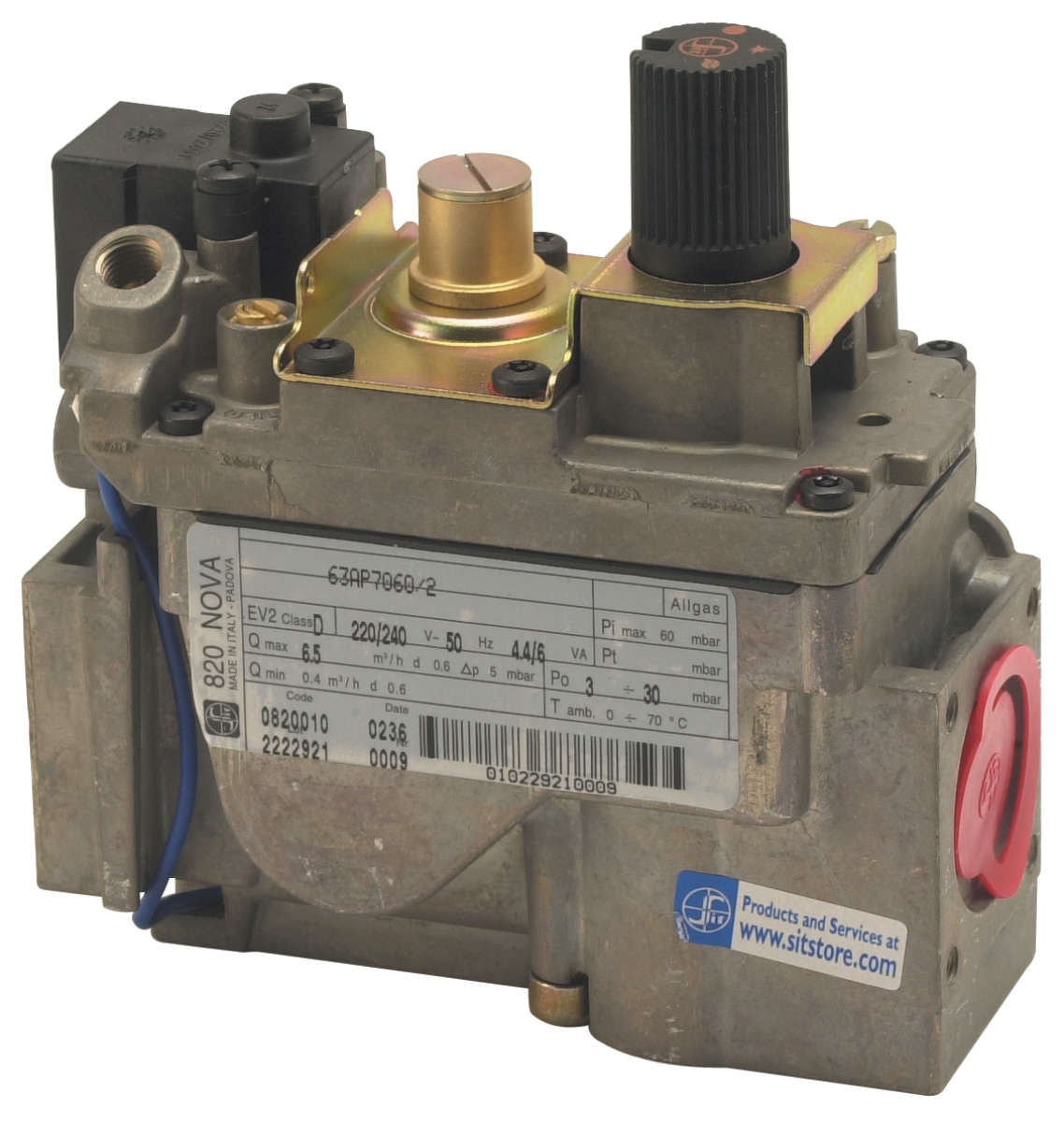
The Elektrogas VMM 20-25 end-of-stroke contact valve operates at 6 bar and conforms to EN 161 safety standards—the European benchmark adopted by Singapore's Energy Market Authority for industrial gas safety. This valve requires only a 3 mm Allen wrench for on-site adjustment, simplifying maintenance protocols and reducing downtime during configuration changes.
For burner systems requiring modulated thermal output, the FBR GAS XP 60/2 CE TC EVO two-stage gas burner delivers 116–630 kW with precise control across its output range. Operating at 66–69 dBA with IP 40 protection, this burner integrates seamlessly with gas regulation systems when properly configured. Its two-stage design enables soft-start operation at 116 kW minimum, reducing thermal stress on boiler vessels and extending equipment life by 15–20% compared to single-stage burners.
Step-by-Step Configuration Process
Step 1: Conduct System Audit and Load Analysis Begin by documenting existing conditions: inlet pressure from your gas supplier, actual gas consumption during peak operation (measured in m³/h or kg/h), minimum and maximum burner load requirements, and current outlet pressure settings. For Singapore facilities, typical utility gas inlet pressure is 200 mbar; confirm this with your gas supplier's documentation. Measure current gas consumption under full-load conditions—if your system cannot provide reliable readings, install an inline gas meter before proceeding further.
Step 2: Map the Regulation Cascade Create a piping schematic showing all pressure reduction stages. Identify where pressure reduction occurs (primary regulator stage), where safety shutoff occurs (typically after primary reduction), and where modulation control happens (burner inlet). Mark manual isolation valves at each stage—you need at least five isolation points: inlet, after primary reduction, after secondary reduction, after safety valve, and at burner inlet.
Step 3: Install or Verify Primary Pressure Reduction If your inlet pressure exceeds outlet requirements by more than 50 bar, install a primary pressure-reducing regulator before secondary equipment. Primary regulators handle the bulk pressure drop and generate substantial heat; they require cooling time of 15–20 minutes after large pressure reductions before accurate pressure reading is possible. Set the primary regulator 15–20 mbar above your target outlet pressure to account for secondary regulator pressure drop.
Step 4: Configure Safety Shutoff Valves Install dual solenoid shutoff valves in series—this redundancy meets EN 161 safety standards and protects against single-point failure. Configure pilot pressure feedback from the burner to trigger immediate shutoff on flame failure. The pilot line diameter must not exceed 3 mm; larger diameter pilot lines cause response lag exceeding acceptable 100 millisecond limits.
Step 5: Set Secondary Pressure Regulation Adjust your secondary regulator to deliver exactly the pressure required by your burner manufacturer—typically 25–37 mbar for most natural gas burners. Use a calibrated pressure gauge (±1% accuracy class) at the regulator outlet, not at the burner inlet; piping friction causes 1–3 mbar loss between regulator and burner. Allow 10 minutes stabilization time before confirming final pressure setting.
Step 6: Test Response and Stability With the system running at 50% burner load, introduce a 20% sudden load increase. Observe the burner response—pressure should recover within 2 seconds and remain within ±3 mbar of setpoint. If overshoot or hunting occurs, the regulator is over-sized; consider downrating to a smaller valve. Run the system for 2 hours at full load and verify outlet pressure has not drifted more than 2 mbar.
Performance Optimization and Safety Best Practices
After initial configuration, implement a structured optimization protocol. First, record baseline performance data: outlet pressure, gas consumption rate, burner flame pattern (visual inspection), and stack temperature. Photograph or videograph the flame for reference; changes in flame color or shape often signal regulation drift before pressure gauges detect it.
Singapore's high humidity environment requires monthly vent line inspection for all regulators. The Francel B25/37mb's 10 mm vent must remain clear; blocked vents prevent normal relief operation and cause pressure overshoot. Clean vent lines using compressed air—never use liquid solvents that can migrate into the regulator body and damage internal components.
Implement quarterly calibration verification using independent test equipment. Most industrial facilities rely on integral regulator gauges, which drift 2–5% annually in tropical climates. Compare integral gauge readings against a portable test gauge at three pressure points: minimum, mid-range, and maximum. If discrepancy exceeds 2 mbar, the integral gauge requires replacement.
Document all adjustments in a maintenance log linked to each burner system. Record adjustment date, previous pressure setting, new setting, reason for change, and technician name. This creates a continuous performance history that often reveals seasonal patterns—for example, pressure drift acceleration during monsoon season often indicates diaphragm moisture ingress requiring seal replacement.
Train operations staff on the three critical safety rules: (1) Never adjust regulators under pressure without using proper lockout/tagout procedures; (2) Always test pilot light response after any regulation system change by manually interrupting the burner flame and confirming immediate shutoff; (3) Report any pressure gauge fluctuation exceeding ±5 mbar as a system fault requiring investigation within 24 hours.
Energy optimization occurs through precise outlet pressure matching to burner requirements. Over-pressurization above manufacturer specification wastes energy (approximately 3% additional gas consumption per 5 mbar excess pressure) and accelerates component wear. Under-pressurization below specification causes flame instability, incomplete combustion, and uncontrolled emissions. The optimal setting lies within a 2–3 mbar window—narrow but achievable with proper equipment and technique.
Troubleshooting Common Configuration Issues
If outlet pressure drifts downward during operation, the primary cause is regulator diaphragm degradation (60% of cases) or internal blockage (25% of cases). Confirm by isolating the regulator and comparing inlet/outlet pressure across a manual pressure gauge. Diaphragm failure shows rapid pressure equaliza-tion; blockage shows sustained pressure difference with zero outlet flow.
Excessive pressure hunting (rapid oscillation ±10 mbar) typically indicates regulator over-sizing. Industrial systems operate most stably when the regulator operates at 40–60% of its maximum flow rating. If your system requires 50 m³/h and your regulator is rated 200 m³/h, downsizing to a 100 m³/h unit eliminates hunting immediately.
If safety shutoff valves fail to isolate gas flow on demand, the most common cause is pilot line blockage or incorrect pilot pressure connection. Disconnect the pilot line and measure pressure directly at the shutoff valve inlet—pilot pressure should be 80–100% of inlet pressure. If pilot pressure is low, trace back to verify the pilot supply line is connected to the correct outlet port.
Flame instability or irregular ignition often results from pressure variations exceeding ±5 mbar at the burner inlet. Check for leaking isolation valves by temporarily isolating each valve and observing whether downstream pressure holds steady. A pressure drop of more than 1 mbar over 5 minutes indicates internal leakage requiring valve replacement.
Regulatory Compliance for Singapore Operations
Singapore's Building and Construction Authority (BCA) requires all gas regulation systems to conform to EN 161 (Safety Devices for Gas Appliances) and SS 553 (Code of Practice for Gas Installation). Your configuration must include: redundant shutoff valves, visible pressure gauges at minimum two locations, manual isolation valves allowing isolation of any major component, and annual third-party inspection certification.
The Elektrogas VMM 20-25 is explicitly certified to EN 161, simplifying compliance documentation. When your configuration includes this valve, regulatory approval typically requires only 2–3 weeks; non-certified valves may require 6–8 weeks of engineering review.
Schedule your annual compliance inspection during your lowest-production month to minimize operational impact. The inspector will verify: all isolation valves operate smoothly without leakage, all pressure gauges read within ±2%, pilot light response occurs within 100 milliseconds of burner flame interruption, and all relief vents remain unobstructed. Prepare documentation showing maintenance records for the preceding 12 months; facilities with gaps in documentation may receive conditional approval requiring corrective action within 30 days.
Final Configuration Checklist
Before declaring your gas regulation system fully operational, complete this verification checklist:
- Inlet pressure from gas supplier confirmed and documented (_____ bar/mbar)
- Primary and secondary regulators installed and adjusted to specification
- Dual solenoid shutoff valves installed in series with pilot feedback
- Five manual isolation valves installed at critical junction points
- Pressure gauges installed at inlet, after primary reduction, and at burner inlet (all ±1% accuracy)
- System run for minimum 2 hours at full load with pressure stability verified (±3 mbar maximum drift)
- Burner flame pattern visually inspected and compared to equipment manufacturer specification
- Pilot light shutdown response tested (must occur within 100 milliseconds)
- All equipment serial numbers, installation dates, and adjustment settings documented
- Staff training completed on safety procedures and emergency shutdown protocols
- Initial compliance inspection scheduled with BCA-approved inspector
Proper gas valve regulation configuration is not a one-time task but an ongoing commitment to operational excellence, safety, and regulatory compliance. By following this structured approach and maintaining detailed documentation, your Singapore facility will achieve stable, efficient, safe gas combustion operations with predictable downtime and extended equipment service life.
Ready to optimize your gas regulation system? Contact 3G Electric today for equipment selection guidance, technical consultation, and commissioning support. Our team has configured gas systems for over 400 industrial facilities across Singapore since 1990. Call us or visit our showroom to discuss your specific requirements with our technical specialists.