Understanding High-Pressure Spray Nozzles in Industry Applications
High-pressure spray nozzles are fundamental components in countless industrial applications, from precision cleaning systems to cooling towers and process automation equipment. For maintenance teams managing equipment across manufacturing, food processing, petrochemical, and pharmaceutical sectors, selecting the appropriate nozzle directly impacts system efficiency, product quality, and operational costs.
With 35+ years of global industrial equipment distribution experience, 3G Electric recognizes that nozzle selection often receives insufficient attention despite its significant role in system performance. A nozzle that delivers inconsistent spray patterns or operates at incorrect pressure ratings can reduce cleaning effectiveness by 20-30%, increase water consumption by 40%, or cause equipment damage through improper impact forces.
The CBM TEC series flat jet nozzles address these concerns through precision engineering and multiple configuration options. Understanding the differences between available index ratings and spray angles allows maintenance teams to match nozzle specifications to specific industrial applications, ensuring optimal performance across diverse operational environments.
CBM Flat Jet Nozzle Index Ratings: Performance Differences and Applications
Index 25 vs. Index 055: Flow Rate and Spray Pattern Characteristics
The most critical distinction between CBM flat jet nozzles lies in their index ratings, which directly correlate to volumetric flow rates and spray coverage patterns. The CBM Flat jet nozzle HP 1/4"M BSPT index 25 angle 15° and CBM Flat jet nozzle HP 1/4"M BSPT index 055 angle 15° represent different capacity specifications designed for distinct operational scenarios.
Index 25 nozzles deliver narrower, more concentrated spray patterns suitable for precision applications requiring focused impact energy. These nozzles excel in:
- Fine surface cleaning where debris removal demands concentrated pressure without broad area coverage
- Burr removal in precision manufacturing where controlled spray geometry prevents part damage
- Cooling operations requiring high-intensity localized thermal transfer in confined spaces
- Process applications demanding repeatable spray patterns with minimal lateral spray drift
Index 055 nozzles provide wider spray coverage with lower unit pressure at the impact point, making them appropriate for:
- Area cleaning where broad surface coverage takes priority over concentrated impact force
- Dust suppression in mining and aggregate operations requiring uniform dispersion patterns
- Washdown operations across large equipment surfaces where even distribution is critical
- Secondary cooling applications where gentler spray action prevents splash-back and material loss
Maintenance teams working with multiple equipment types should understand that nozzle index selection represents a compromise between spray width and impact intensity. Index 25 concentrates more pressure in a narrower band, while index 055 spreads equivalent volume across a wider area at lower impact pressures.
Pressure Rating and Thread Specification Consistency
Both CBM nozzles feature 1/4"M BSPT (British Standard Parallel Taper) thread connections, ensuring compatibility with standard industrial manifolds and spray headers used globally. The HP designation indicates these are high-pressure rated components, typically operating in the 40-400 bar range depending on system configuration.
The 15° spray angle on both variants provides a moderate spread suitable for general industrial applications. This angle prevents excessive spray divergence that causes pressure loss at distance while avoiding overly concentrated patterns that require excessive precision in mounting alignment.
When upgrading or replacing existing nozzles, maintenance teams must verify pressure ratings match system specifications. Installing lower-rated nozzles in high-pressure systems risks premature wear, inconsistent spray patterns, and potential safety issues from cavitation damage to the nozzle orifice.
Integration with System Protection and Monitoring Components
Complementary Safety and Control Systems for High-Pressure Applications
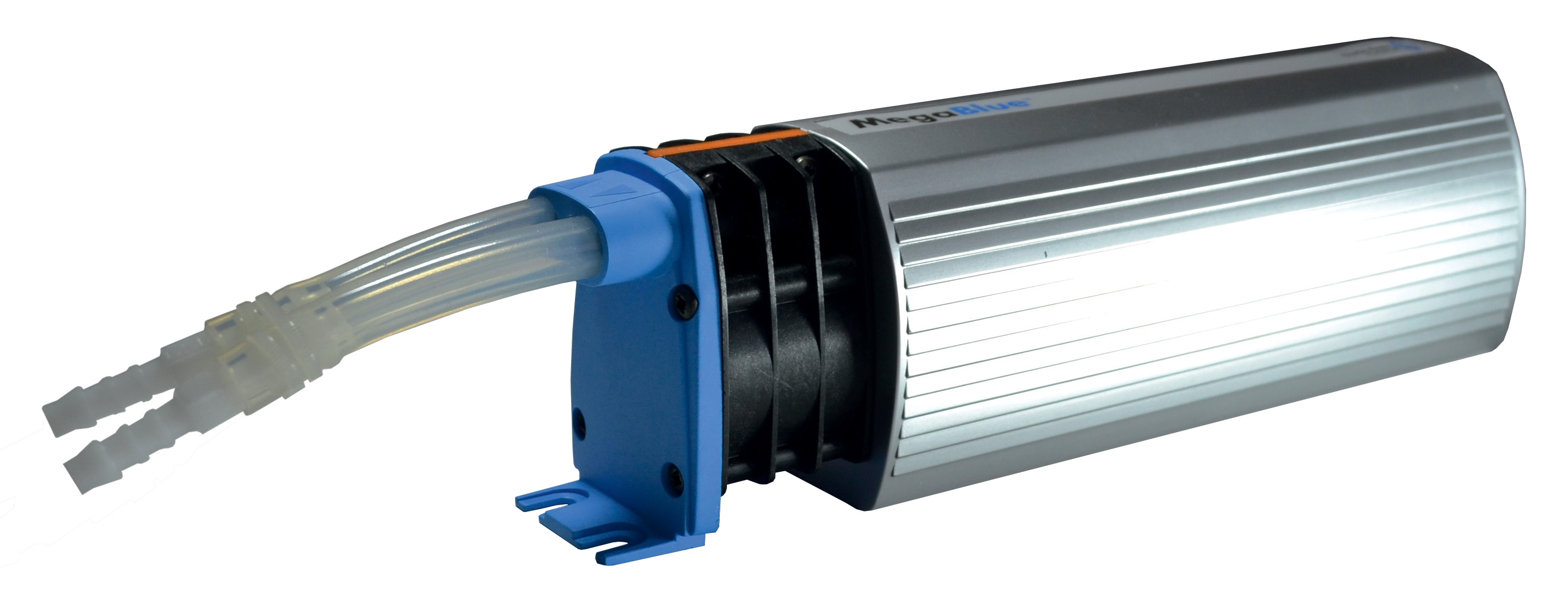
High-pressure spray systems require proper protection and monitoring infrastructure to ensure reliable operation and prevent costly equipment failures. The CBM Megablue reservoir alarm + shut-off X87-813 provides essential safeguards for systems using flat jet nozzles.
This combination alarm and shut-off device monitors reservoir conditions and automatically disconnects the system when parameters fall outside acceptable ranges. For maintenance teams, this component prevents:
- System starvation caused by low fluid levels, which can damage high-pressure pumps within seconds
- Cavitation damage to precision nozzle orifices from inadequate inlet pressure
- Thermal runaway in closed systems where temperature rise reduces fluid performance
- Contamination introduction from external sources entering through low-pressure points
The X87-813 specification ensures compatibility with CBM Megablue reservoir systems widely deployed in European and Asian manufacturing facilities. When replacing flat jet nozzles, maintenance teams should simultaneously verify that monitoring systems correctly detect flow rates appropriate for the new index rating.
Mounting Infrastructure and System Rigidity
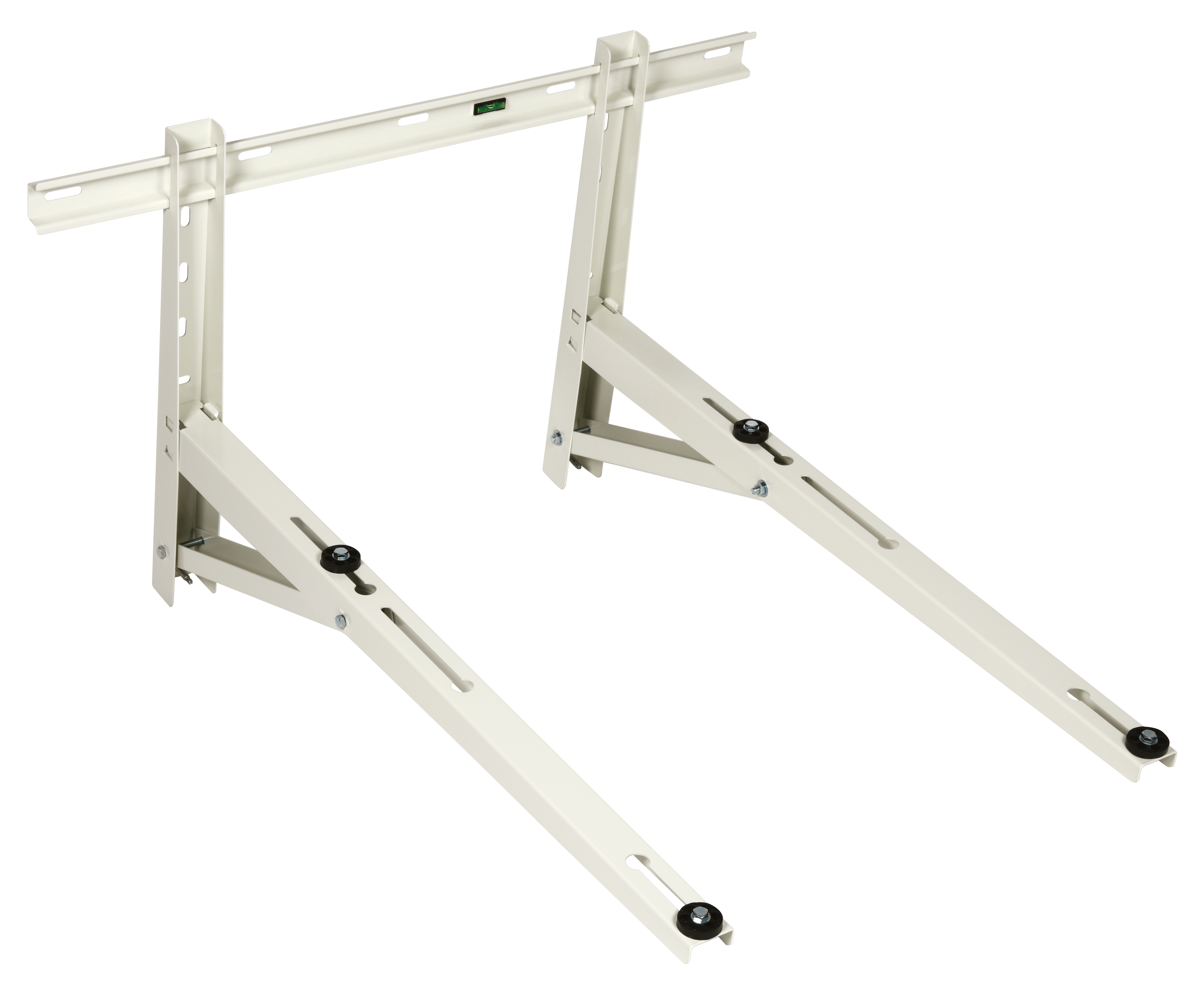
Spray nozzle performance depends significantly on mounting stability and positioning accuracy. The CBM Wall bracket 1000 provides standardized mounting for systems requiring fixed nozzle positions in high-vibration industrial environments.
Wall-mounted configurations offer several advantages for high-pressure spray applications:
- Vibration isolation from rotating equipment that would cause inconsistent spray patterns if nozzles mounted on moving machinery
- Temperature stability through passive thermal regulation in wall-mounted positions away from direct process heat
- Accessibility for routine nozzle inspection, cleaning, and replacement without system disassembly
- Repeatability in applications requiring identical spray geometry across multiple production cycles
The bracket's 1000-series designation indicates load capacity and material specification suitable for industrial-grade systems operating continuously at moderate pressure levels. For maintenance teams deploying multiple CBM nozzles in parallel manifold arrangements, consistent bracket selection ensures uniform spray pattern geometry across the system.
Practical Selection Criteria for Global Maintenance Teams
Application-Specific Decision Matrix
Maintenance teams should approach nozzle selection through systematic evaluation of operating parameters:
Available system pressure determines maximum flow capacity. Index 055 nozzles in 100 bar systems deliver substantially more volume than index 25 at identical pressure, but cannot be "overclocked" to match index 25 concentration without exceeding pressure ratings.
Required spray coverage area directly dictates index selection. Narrow focus applications (burr removal, spot cooling) demand index 25 concentrations, while area coverage (washdown, dust suppression) benefits from index 055 dispersal patterns.
Target impact force varies dramatically between applications. Surface cleaning often requires 20+ bar pressure at the impact point for effective debris removal, while sensitive material cooling may tolerate only 5 bar to prevent damage.
Distance from nozzle to target affects practical selection. Wider-angle sprays (index 055) maintain acceptable coverage at 1.5-3 meter distances, while concentrated sprays (index 25) remain effective to 5+ meters with minimal pressure loss from spray divergence.
Fluid characteristics influence nozzle longevity. Water-based coolants compatible with both index ratings, but viscous process fluids or suspensions may perform better with index 055's lower velocity streams that reduce settling and separation.
Procurement Recommendations from 3G Electric Experience
Drawing on 35+ years of global industrial equipment distribution, several evidence-based practices improve nozzle selection outcomes:
Maintain inventory redundancy. Both index 25 and index 055 variants should be stocked for maintenance teams managing diverse equipment. The minimal cost difference ($8-15 per unit) versus downtime risk justifies keeping 10-15% buffer inventory.
Document original specifications. Legacy equipment frequently lacks clear nozzle identification. Maintain records of original index, angle, and material specifications to enable immediate like-for-like replacement if unexpected performance issues arise after substitution.
Batch test new configurations in low-risk applications before full deployment. When transitioning from index 25 to index 055 (or vice versa), pilot test in secondary systems to identify performance surprises in your specific process before committing to changeover across primary production lines.
Coordinate nozzle replacement with system monitoring updates. When installing new nozzles, simultaneously verify that the CBM Megablue reservoir alarm + shut-off correctly interprets new flow rate signals. Mismatched flow sensors can create false alarms or fail to detect actual problems.
Establish quarterly inspection schedules. High-pressure nozzles degrade gradually through orifice erosion and internal deposits. Visual inspection every 90 days (more frequently in harsh environments) identifies performance decline before it impacts product quality or safety.
Supporting Infrastructure: Energy Management and System Expansion
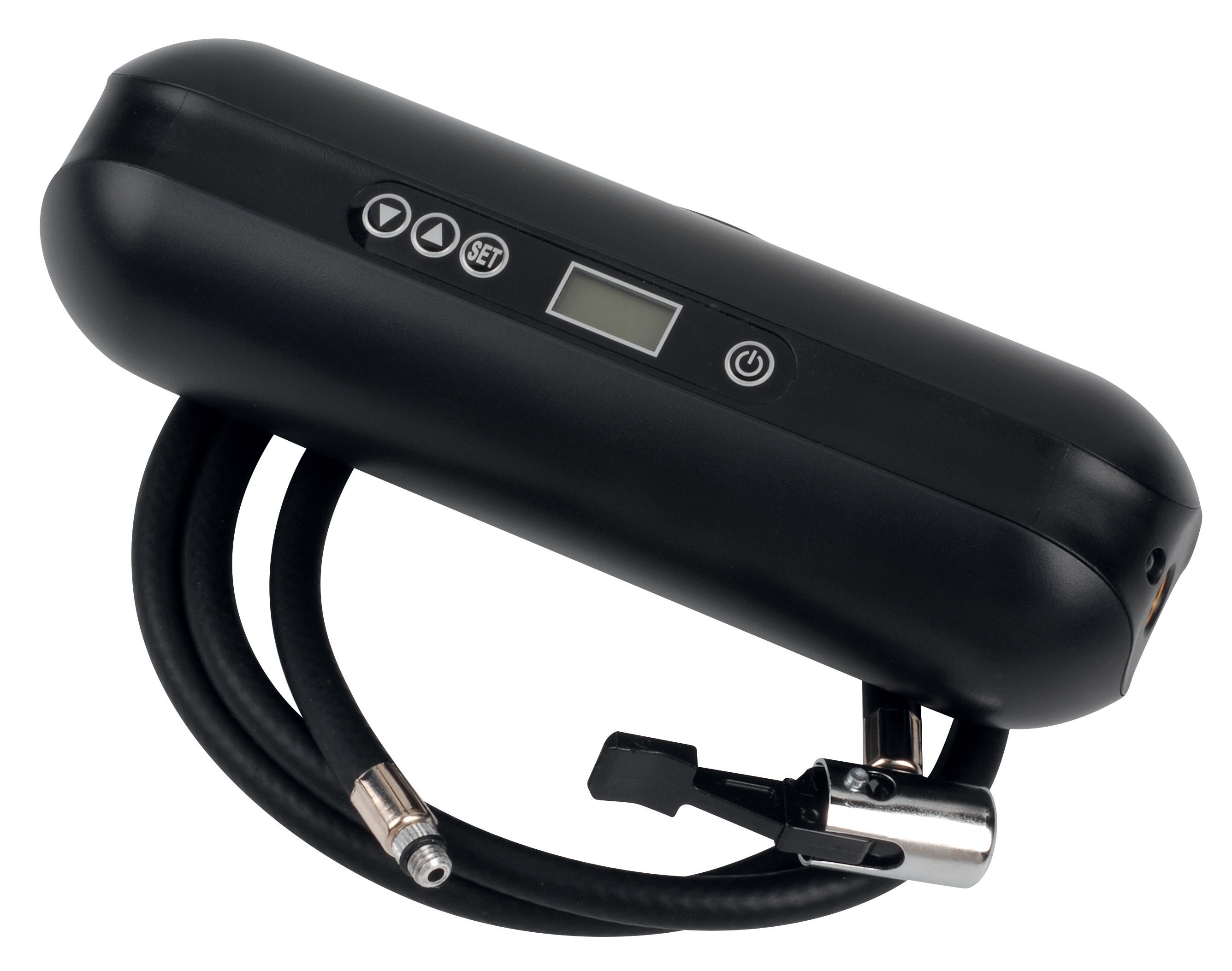
Sustainable industrial operations require attention to energy consumption and system flexibility. The CBM Expansion tank inflator battery 2000 mAH addresses a critical but often-overlooked maintenance need for high-pressure systems.
Expansion tanks in sealed hydraulic systems absorb fluid volume changes from temperature fluctuations. Without proper pre-charge pressure, tanks gradually lose effectiveness, forcing hydraulic systems to maintain excessive baseline pressures that:
- Reduce pump lifespan through continuous high-pressure operation
- Increase energy consumption without adding productive capacity
- Elevate noise levels that indicate system inefficiency
- Generate excessive heat that degrades fluid properties and seal materials
The 2000 mAH battery provides cordless charging capability for expansion tank inflators, enabling maintenance teams to:
- Service expansion tanks on-site without dedicated compressed air infrastructure
- Verify proper pre-charge pressure during routine maintenance
- Respond quickly to pressure maintenance issues that would otherwise escalate into emergency repairs
- Maintain consistent system performance across geographic regions where air quality standards vary
For global maintenance operations, particularly in regions with unreliable compressed air supplies, battery-powered inflation tools represent superior reliability compared to air-dependent alternatives.
Implementation Strategy for Phased System Upgrades
Maintenance teams rarely implement complete system overhauls simultaneously. Phased upgrade approaches minimize disruption while improving performance:
Phase 1: Assessment
Conduct comprehensive audit of existing nozzle configurations, including spray index ratings, thread specifications, and documented performance history. This baseline establishes justified business case for upgrades.
Phase 2: High-Impact replacements
Target nozzles in systems showing performance degradation, excessive energy consumption, or quality issues. Replace with CBM components matched to current application requirements.
Phase 3: Protection infrastructure
Install or upgrade monitoring and safety systems like the CBM Megablue reservoir alarm + shut-off X87-813 to provide real-time system visibility.
Phase 4: Standardization
Converge on consistent CBM Wall bracket 1000 mounting solutions across comparable systems to simplify spare parts inventory and technician training.
Phase 5: Documentation and training
Establish standardized maintenance procedures for CBM nozzle inspection, replacement, and performance verification. Include pressure settings, flow rate expectations, and troubleshooting guides specific to your installed base.
Conclusion: Optimizing Industry Applications Through Precision Component Selection
High-pressure spray nozzles represent seemingly simple components with substantial impact on industrial productivity and efficiency. The choice between CBM flat jet nozzle index ratings—whether index 25 for concentrated applications or index 055 for broad coverage—requires understanding both technical specifications and specific operational requirements.
3G Electric's 35+ years of industrial equipment distribution experience demonstrates that organizations achieving best results combine:
- Proper component selection matched to documented application requirements
- Complementary infrastructure (monitoring, mounting, inflation support) that enables reliable performance
- Systematic maintenance procedures that verify ongoing compliance with original specifications
- Phased upgrade approaches that minimize operational disruption
Maintenance teams investing time in nozzle specification review and system optimization typically achieve 15-25% reductions in energy consumption, extend equipment service life by 20-30%, and improve product quality consistency across production batches. These benefits compound over time, justifying careful attention to seemingly routine component specifications.