Understanding Thermal Output Degradation in Burners & Combustion Systems
When industrial burners lose thermal efficiency, production schedules slip and operational costs rise. Thermal output degradation represents a silent productivity drain that often goes undiagnosed until energy bills spike or process temperatures cannot be maintained. Unlike catastrophic failures that trigger alarms, gradual output loss—typically 5-15% annually—accumulates unnoticed across most industrial facilities.
Thermal output degradation stems from multiple interconnected factors: fuel quality variation, nozzle atomization deterioration, combustion air imbalances, and heat exchanger fouling. Plant managers in Singapore face unique challenges with humidity-laden tropical air affecting combustion stability and fuel storage conditions promoting microbial contamination in tanks.
With over 35 years' experience distributing industrial combustion equipment, 3G Electric has supported hundreds of Southeast Asian plants through systematic recovery procedures. This guide provides the diagnostic framework and recovery protocols that plant managers need to restore burner performance without unplanned downtime.
Section 1: Systematic Thermal Output Measurement and Baseline Establishment
Establishing Accurate Baseline Metrics
Before diagnosing degradation, you need verifiable baseline data. Most plant managers operate without documented thermal performance standards, making it impossible to detect when output falls below specification.
Begin by calculating expected thermal output using fuel consumption rate and fuel calorific value:
Thermal Output (kW) = Fuel consumption (kg/h) × Fuel calorific value (kJ/kg) ÷ 3,600
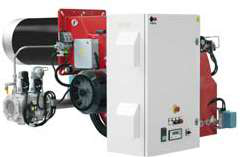
For gas burners like the FBR GAS XP 60/2 CE TC EVO, nameplate output (116–630 kW) should be verified against actual delivery under standard operating conditions.
Measurement Procedures for Singapore Facilities
1. Fuel flow measurement: Install calibrated fuel meters (for oil burners) or gas flow measurements with temperature/pressure compensation. Tropical humidity in Singapore demands meters with desiccant protection.
2. Stack temperature monitoring: Exhaust gas temperature indicates combustion efficiency. Typical target: 200-250°C for oil, 150-200°C for gas. Temperature rise above these ranges signals incomplete combustion or heat exchanger fouling.
3. Flue gas oxygen analysis: Measure O₂ percentage in exhaust. Target ranges: 2-4% for gas burners, 3-5% for oil burners. Excessive oxygen (>6%) indicates atomization problems or combustion air maldistribution.
4. Thermal balance calculations: Compare heat input (fuel × calorific value) against heat delivered to process. Heat loss in excess of 15% warrants investigation.
Document these measurements weekly and establish trend charts. A 10% decline in output over 6 months correlates directly with degradation requiring intervention.
Section 2: Diagnosing Root Causes Through Fuel Quality and Atomization Analysis
Fuel Contamination and Quality Degradation
Fuel quality deteriorates significantly in Singapore's tropical environment. Heavy fuel oil (HFO) absorbs water through tank breathing cycles; light diesel fuel separates and oxidizes in storage. Microbial contamination (bacteria and fungi) thrives in humid conditions, creating sludge that clogs fuel systems.
Diagnostic procedure for fuel quality:
- Obtain fuel samples from supply tank, day tank, and burner feed line separately
- Request laboratory analysis for: water content (Karl Fischer method), viscosity at operating temperature, sulfur content, and microbial count
- Singapore maritime fuel from bunkering operations often contains water content exceeding 1% and microbial loads >1,000 CFU/mL
- High water content causes poor atomization and combustion instability
- Microbial growth produces acids that corrode fuel system components and clog fine nozzle orifices
When fuel quality testing reveals contamination, implement immediate corrective actions:
- Drain and flush fuel tanks with clean diesel or kerosene
- Install additional fuel filtration (10-micron absolute minimum, 5-micron preferred for heavy oil)
- Add biocide treatment if microbial count exceeds 100 CFU/mL
- Increase fuel sampling frequency to monthly in tropical climates
Nozzle deterioration directly reduces thermal output. Burner nozzles operate under extreme conditions: pressures to 25 bar, temperatures to 150°C, and exposure to contaminant particulates. After 5,000-8,000 operating hours, nozzle orifices enlarge by 10-15% due to erosion, degrading atomization quality.
Poor atomization manifests as:
- Coarse fuel droplets (larger than 100 microns) that require extended combustion time
- Incomplete combustion and increased carbon monoxide (CO) in exhaust
- Flame instability and excessive flame length
- Reduced heat transfer efficiency to process equipment
- Remove nozzle assembly and visually inspect orifice diameter using optical magnification (10x minimum)
- Compare against manufacturer specification sheet: ideally nozzle orifice tolerances are ±0.05 mm
- If orifice diameter exceeds specification by >2%, replace immediately
- Clean nozzles with non-corrosive solvents (avoid prolonged acetone exposure); do not use wire brushes that damage orifice edges
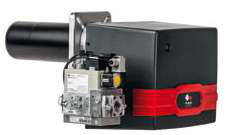
- For dual-fuel burners like the FBR KN 1300/M TL EL, verify nozzle heating is functioning (should operate at 60-80°C) to maintain viscosity consistency
- Establish replacement schedule: gas nozzles every 8,000 hours, oil nozzles every 5,000 hours in contaminated fuel environments
Section 3: Combustion Air Management and Control System Verification
Air Supply Balance and Excess Oxygen Control
Imbalanced combustion air represents the second-leading cause of thermal output loss. Insufficient air causes incomplete combustion (high CO production); excess air carries heat out the flue stack. In Singapore's humid climate, intake air contains 20-30% more moisture than temperate regions, affecting air density and fan performance.
Air flow diagnostic sequence:
1. Measure burner air pressure using a differential pressure transducer across the fan outlet. For forced-draft burners, typical air pressure is 50-150 mmH₂O depending on burner size.
2. Verify fan motor current draw against nameplate specification. Excess current (>110% FLA) indicates fouled fan blades or restricted air intake.
3. Clean intake air filters weekly in tropical environments where dust and salt spray accumulate rapidly. Clogged intake filters reduce air flow by 15-25%.
4. Monitor furnace pressure with manometer. Should be slightly negative (-5 to -15 mmH₂O) to prevent hot gas leakage into machinery space.
5. Measure flue gas oxygen percentage and compare to control setpoint. If actual O₂ exceeds setpoint by >0.5%, the burner control is not responding correctly to damper modulation signals.
Control System Response Verification
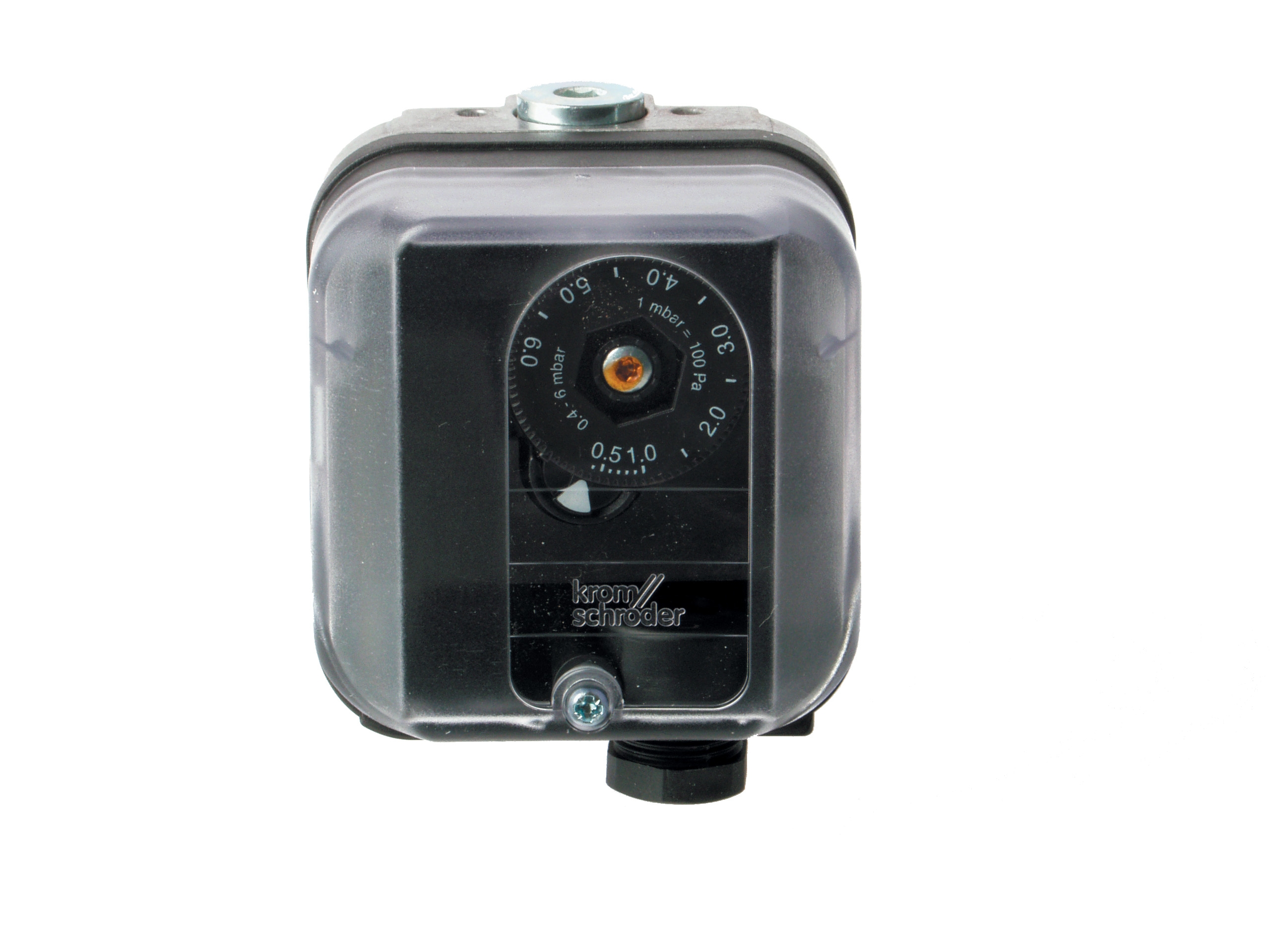
For integrated burner control systems using pressure switches like the Kromschroder DG 50U/6, verify proper operation:
- Confirm pressure switch setpoints match burner specification (typically 50-80 mbar for gas, 8-12 bar for oil)
- Test pressure switch response time: should activate within 1-2 seconds of pressure change
- Inspect for deposits on switch diaphragm (salt spray in Singapore marine environments causes corrosion)
- Verify solenoid valve response: fuel flow should stop completely within 5 seconds of pressure switch deactivation
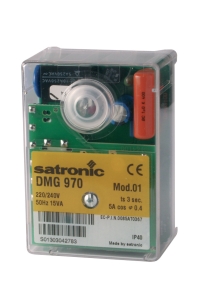
For burners with safety relay control units like the Siemens LFL 1.622, validate flame monitoring:
- UV flame scanner sensitivity should detect flame presence within 5 seconds of ignition
- Test flame failure response: flame should be extinguished within 10 seconds if scanner loses signal
- Verify control relay cycles do not exceed specification (typically 10 consecutive failures before lockout)
- Check ionization probe or UV detector window for deposits; clean with soft cloth and distilled water monthly
When control systems like the Kromschroder BCU 570WC1F1U0K1-E fail to modulate combustion air properly, thermal output cannot be maintained. Verify control signal transmission from burner manager to damper actuator.
Section 4: Recovery Procedures and Performance Verification
Systematic Recovery Protocol
Once root causes are identified, implement recovery in this sequence:
Phase 1 - Immediate Actions (Day 1)
- Drain fuel system and refill with fresh, filtered fuel
- Replace or thoroughly clean burner nozzle(s)
- Clean air intake filter(s) and inspect for blockages
- Verify all electrical connections at control relays are tight
- Perform cold startup test: confirm ignition sequence completes within specification
- Run burner at 50% modulation for 30 minutes and measure stack temperature, O₂ percentage, and fuel flow
- Compare readings against baseline data established in Section 1
- Adjust combustion air damper to achieve target O₂ setpoint (typically 3% for gas, 4% for oil)
- Verify pressure switch and safety relay response under controlled test conditions
- Operate burner at full fire for minimum 4 hours
- Log stack temperature, fuel flow, and process temperature every 15 minutes
- Monitor for flame instability, surging, or color changes (should be blue for gas, orange for clean oil)
- Confirm thermal output matches calculated expectation within ±5%
- Record all baseline measurements in plant logbook
- Photograph nozzle replacement and filter condition
- Schedule next preventive maintenance interval (typically 6 months for tropical climates vs. 12 months temperate)
- Establish quarterly fuel testing program
When all identified degradation factors are corrected, expect:
- Thermal output recovery of 8-15% (industry average)
- Stack temperature reduction of 20-40°C
- Flue gas O₂ stabilization within ±0.3% of setpoint
- Fuel consumption reduction of 10-12%
- Elimination of flame instability and startup delays
For comprehensive burner diagnostics and component replacement, 3G Electric supplies the complete range of control components—pressure switches, safety relays, and nozzle assemblies—that Singapore plant managers need for reliable recovery. Our technical team draws on 35+ years of industrial equipment experience to support your diagnostic and recovery procedures.
Preventive Maintenance Schedule for Singapore Tropical Environment
- Weekly: visual flame observation, air filter inspection, fuel tank breathing filter check
- Monthly: nozzle cleaning, control relay electrical testing, pressure switch functional test
- Quarterly: fuel quality sampling and laboratory analysis, stack gas analysis
- Semi-annually: nozzle replacement (oil systems), complete control system recalibration
- Annually: heat exchanger inspection and cleaning, comprehensive safety function testing per EN 746-2 standards