Understanding Burners & Combustion Safety Standards in Singapore
Safety is non-negotiable in industrial Burners & Combustion systems. Singapore's regulatory environment demands compliance with multiple international standards—EN 746-2, EN 676, EN 1854, SIL ratings, and FM/UL certifications. For HVAC contractors managing installations across manufacturing plants, refineries, and large commercial buildings, understanding these compliance requirements isn't optional; it's essential to project success.
With over 35 years of experience distributing industrial equipment, 3G Electric has guided countless contractors through the complexities of burner control selection. This article breaks down the safety standards you need to know and shows how they apply to real-world installations in Singapore's industrial sector.
Key Safety Standards for Burners & Combustion Systems
EN 746-2: The Foundation for Burner Control Reliability
EN 746-2 is the European standard for safety devices for gas burners and gas appliances. It establishes functional requirements for burner control devices, including automatic shut-off mechanisms, pressure monitoring, and flame supervision. The Kromschroder Relay BCU 570WC1F1U0K1-E is specifically designed to meet EN 746-2 compliance, making it a reliable choice for contractors working on industrial gas burner installations.
What makes EN 746-2 critical? It ensures that your burner control system will:
- Stop fuel supply immediately if ignition fails
- Monitor flame presence continuously
- Respond predictably to pressure fluctuations
- Prevent dangerous fuel accumulation
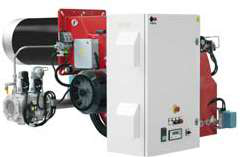
When you specify a control relay that meets EN 746-2, you're protecting both equipment and personnel. For modulating burners like the FBR GAS XP 60/2 CE TC EVO, which delivers 116–630 kW thermal power, EN 746-2 compliance ensures smooth staging and reliable flame detection across the entire operating range.
SIL Ratings: Measuring Safety Integrity Levels
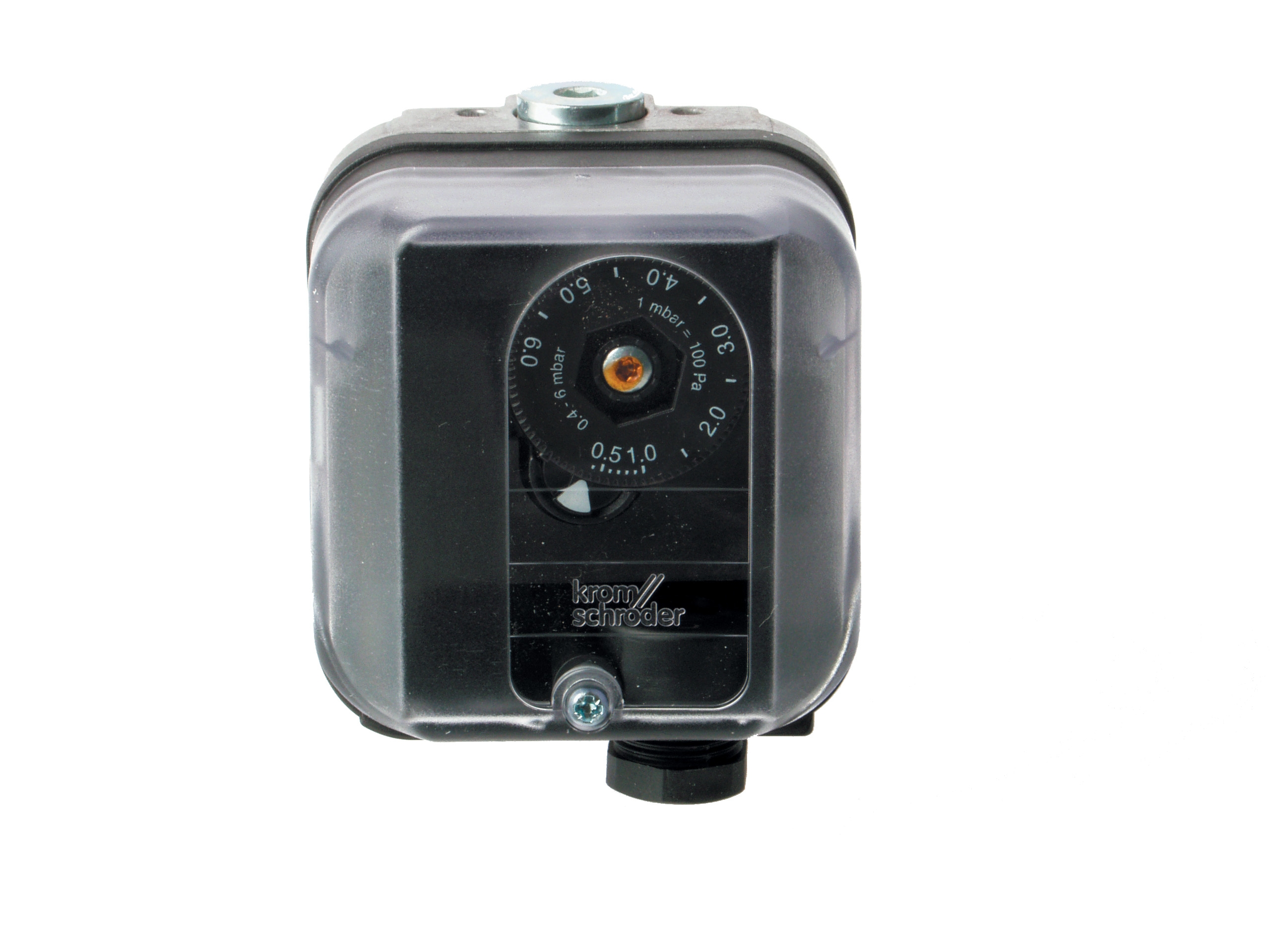
Safety Integrity Level (SIL) ratings quantify how reliably a component prevents dangerous failures. SIL 1 is the lowest; SIL 3 is high. For combustion systems, SIL 3-rated components like the Kromschroder Pressure switch DG 50U/6 provide exceptional reliability—critical for applications where pressure control directly affects safety.
The DG 50U/6 pressure switch is rated SIL 3 and Performance Level e (the highest in the ISO 13849-1 standard), making it suitable for:
- High-pressure burner systems requiring fail-safe operation
- Applications where pressure sensor failure could cause system overpressurization
- Industrial facilities with strict uptime and safety requirements
Why does this matter to you as an HVAC contractor? When a customer's facility is processing chemicals or handling flammable materials, specifying SIL 3 equipment isn't just best practice—it may be legally required. Insurance companies and regulatory bodies in Singapore increasingly demand documented SIL compliance for critical combustion applications.
EN 676 and EN 1854: Complementary Safety Standards
EN 676 covers safety controls for oil burners. EN 1854 addresses pressure switches for combustion safety applications. Together with EN 746-2, they form a comprehensive safety framework.
The Kromschroder BCU 570WC1F1U0K1-E meets both EN 746-2 and EN 676 standards, making it versatile for dual-fuel or conversion projects. Similarly, the DG 50U/6 pressure switch carries FM, UL, AGA, and GOST-TR certifications in addition to EN 1854 compliance—a significant advantage if your customer operates across multiple jurisdictions or follows North American standards.
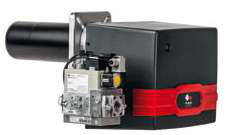
For contractors installing heavy oil burners like the FBR KN 1300/M TL EL, which delivers 1700–11500 Mcal/h thermal power, EN 676 compliance ensures that oil atomization, ignition, and flame supervision all function as designed.
Practical Compliance Checklist for HVAC Contractors
Before Specifying Burner Control Equipment
1. Identify the Fuel Type
- Gas burners require EN 746-2 compliance
- Oil burners require EN 676 compliance
- Dual-fuel systems need both standards met
The Siemens LFL 1.622 is engineered for gas, oil, or dual-fuel burners with medium to high power ratings, offering flexibility when customer requirements shift mid-project.
2. Confirm the Safety Integrity Level Required
- Standard industrial applications: SIL 1–2 acceptable
- High-hazard areas (chemical plants, refineries): SIL 3 mandatory
- Life safety applications: SIL 3 always required
- Check that pressure switches meet EN 1854 and relevant national standards
- Confirm SIL or Performance Level ratings match system requirements
- Document all certifications for compliance records
The Kromschroder DG 50U/6 includes all major international certifications (FM, UL, EN 1854), eliminating certification concerns across different markets.
4. Review Burner Control Relay Specifications
- Direct ignition vs. pilot ignition modes
- Intermittent vs. continuous pilot support
- Flame detection method (UV, ionization, or both)
- Modulation capability for variable load applications
Documentation Requirements
Singapore's regulatory environment, while less prescriptive than some jurisdictions, increasingly requires documented compliance for industrial installations. As a contractor, you should:
- Obtain and retain technical data sheets for all control devices
- Document SIL/Performance Level ratings in system design drawings
- Include certification details in equipment lists provided to customers
- Create compliance matrices showing how each component meets applicable standards
Comparing Control Solutions for Singapore Applications
Scenario 1: Medium-Power Gas Heating System (300–500 kW)
Application: Food processing facility requiring reliable, cost-effective burner control
Recommended Approach:
- Burner: FBR GAS XP 60/2 CE TC EVO (116–630 kW range)
- Control Relay: Kromschroder BCU 570WC1F1U0K1-E (EN 746-2, EN 676 compliant)
- Pressure Switch: DG 50U/6 (SIL 3 rated)
Scenario 2: Heavy Oil Burner Installation (2000–8000 Mcal/h)
Application: Petrochemical facility converting from older equipment
Recommended Approach:
- Burner: FBR KN 1300/M TL EL (1700–11500 Mcal/h dual-fuel capable)
- Control Unit: Siemens LFL 1.622 (EN 746-2, EN 676, flame monitoring)
- Pressure Switch: Kromschroder DG 50U/6 (highest certifications)
Scenario 3: Multi-Unit Installation with Mixed Fuel Requirements
Application: Large commercial facility with both gas and oil-fired systems
Recommended Approach:
- Gas Burners: FBR GAS XP 60/2 CE TC EVO
- Oil Burners: FBR KN 1300/M TL EL
- Universal Control: Siemens LFL 1.622 (supports all fuel types)
- Pressure Monitoring: Kromschroder DG 50U/6 on all systems
Regional Compliance Considerations for Singapore
While Singapore adopts many European standards, local regulations and industry practices also matter:
Building and Construction Authority (BCA) Requirements: Large installations must comply with BCA guidelines, which increasingly reference EN and ISO standards.
Professional Engineering Council (PEC) Standards: Projects involving licensed engineers often require documented compliance with international standards.
Insurance and Audit Expectations: Insurers reviewing facilities for risk assessment increasingly ask about SIL ratings and certification levels.
Energy Efficiency Standards: Singapore's commitment to reducing emissions means burner control systems that enable modulation (like the FBR GAS XP 60/2 and KN 1300/M) may qualify for incentive programs.
With 35+ years of experience, 3G Electric understands these regional nuances. We've helped contractors navigate Singapore's compliance landscape on hundreds of projects, from industrial parks to large commercial developments.
Best Practices for Specification and Installation
1. Always Request Current Technical Data Sheets
Standards evolve. Verify that equipment you're specifying meets current versions of EN 746-2, EN 676, and EN 1854.
2. Use 3G Electric's Technical Resources
Our team can cross-reference component certifications, help you build compliant control systems, and answer specific questions about Singapore regulatory requirements.
3. Document Everything
Maintain records of all certifications, technical data sheets, and compliance justifications. This protects you if a customer ever faces a regulatory audit.
4. Plan for Maintenance
SIL 3-rated equipment requires calibration and testing per manufacturer schedules. Budget maintenance cost estimates accordingly when pitching projects.
5. Consider Future Upgrades
Specify components that support modulation and remote monitoring if the customer's facility may add IoT or energy management systems later.
Conclusion
Burners & Combustion safety standards protect equipment, personnel, and facilities. For HVAC contractors in Singapore, understanding EN 746-2, EN 676, SIL ratings, and Performance Levels isn't just technical knowledge—it's competitive advantage. Customers increasingly expect contractors who can speak confidently about compliance, and regulatory bodies increasingly require documented adherence to these standards.
The equipment you specify today determines whether your customer's system operates safely for decades or faces unexpected failures and costly replacements. By choosing components like the Kromschroder BCU 570WC1F1U0K1-E, DG 50U/6 pressure switch, and Siemens LFL 1.622 that exceed minimum compliance requirements, you're delivering superior value.
3G Electric's 35+ years as a distributor of industrial equipment means we've seen what works and what fails in Singapore's challenging industrial environment. We're here to support your projects with reliable components, technical expertise, and documentation that demonstrates your commitment to safety and compliance.