Introduction: Burners & Combustion Safety as a Maintenance Priority
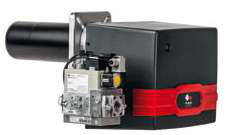
Burners & combustion systems represent some of the most critical assets in industrial facilities, yet maintenance teams often treat them reactively rather than strategically. With over 35 years of experience distributing industrial equipment globally, 3G Electric has observed that burner failures typically stem not from manufacturing defects, but from inadequate safety system maintenance and component integration issues.
The challenge maintenance teams face is clear: burners operate at extreme temperatures with explosive fuel mixtures, making safety the non-negotiable foundation of any combustion program. Unlike optimization-focused approaches, this guide emphasizes the control and safety architecture that prevents incidents while extending equipment life. By understanding how safety relays, flame detection systems, and fuel control valves work together, your team can transition from crisis management to predictive maintenance.
Section 1: Combustion Safety System Architecture and Component Integration
Understanding the Safety Control Loop
Every burner system operates within a safety control loop consisting of three essential functions: fuel delivery, ignition confirmation, and continuous flame monitoring. The integrity of this loop depends entirely on component selection and integration—decisions that maintenance teams must understand intimately.
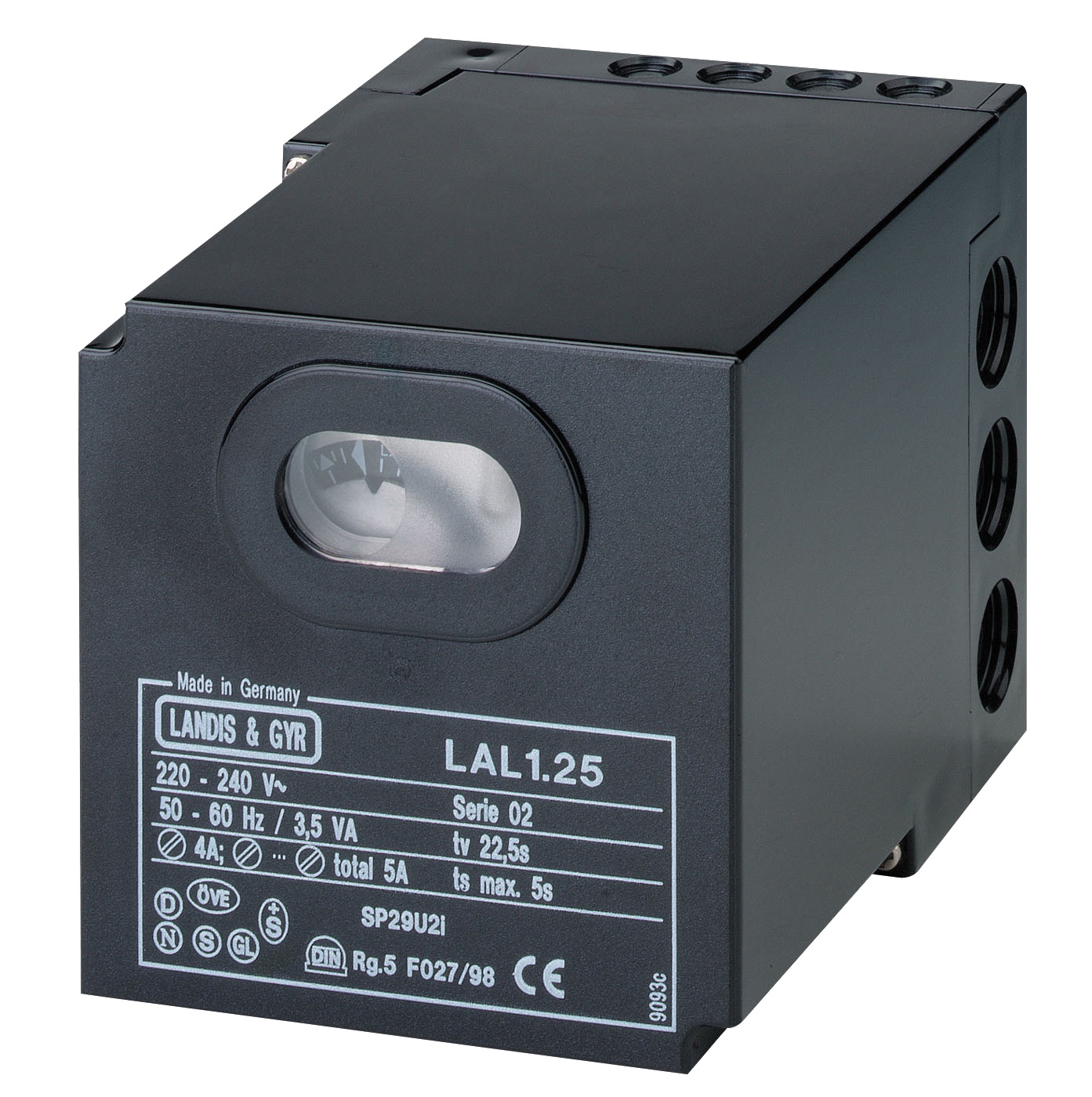
The primary safety relay serves as your system's decision-maker. When you specify the CBM Relay CM391.2 30.5 1.2, you're selecting a component that monitors flame sensor signals and determines whether fuel flow should continue. This relay receives analog or digital flame confirmation from your flame detector and makes microsecond-level decisions about burner operation. If integration is poor—loose terminals, inadequate shielding, or incorrect voltage supply—the relay cannot function reliably, creating a false-safety scenario where the system appears functional but lacks actual protection.
The Flame Detection and Relay Foundation
Flame detection relies on the CBM Flame Relay CF1, which translates combustion light energy into electrical signals your safety system understands. Flame relays detect ultraviolet (UV) or infrared (IR) radiation from the flame itself, then condition this signal for relay processing.
Practical maintenance reality: flame sensors degrade predictably. Carbon buildup on sensor windows, thermal stress, and electromagnetic interference all reduce sensitivity over time. Rather than waiting for a flame-out failure, establish quarterly sensor inspection protocols. Clean optical elements with lint-free cloths and degreaser. Verify sensor mounting angle matches installation documentation—even 5-degree misalignment reduces UV detection by 15-20%. Check wiring harness integrity where it exits the combustion chamber; thermal cycling creates micro-fractures in insulation.
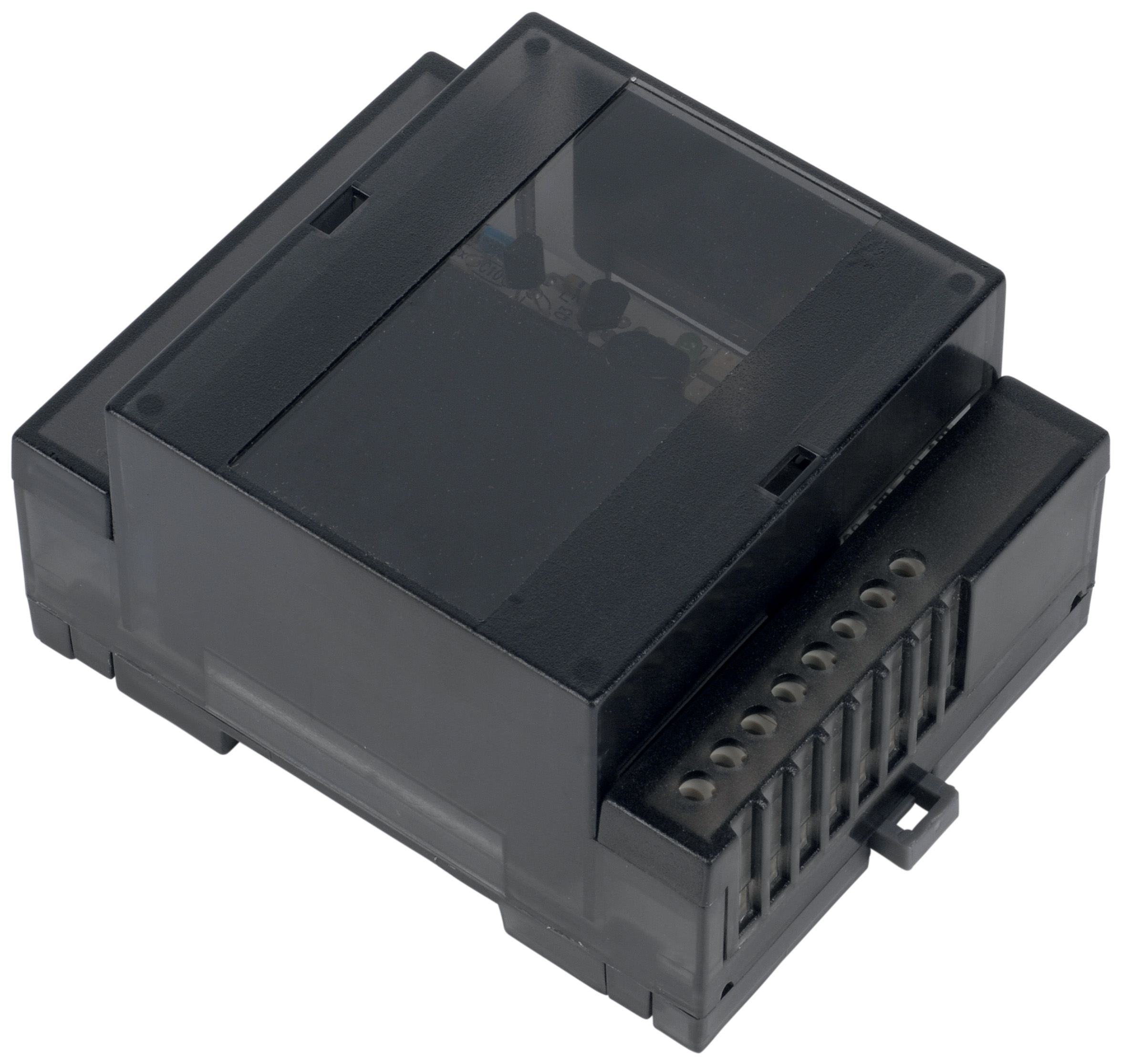
The foundation support CBM Base LGK AGM17 provides critical mechanical mounting and electrical connectivity for your relay stack. This base component determines how reliably your relays make contact and maintain signal integrity. When installing or replacing relay bases, ensure proper DIN-rail mounting, verify all terminal connections are hand-tight (then add quarter-turn), and test continuity across all base circuits before energizing.
Fuel Valve Control and Redundancy
The CBM VCS 1E25R/25R05NNWL3/PPPP/PPPP double solenoid valve represents the final control element in your safety chain. This dual-solenoid design provides proven safety redundancy: the system requires both solenoids to energize for fuel flow, and either solenoid can independently block fuel flow if a fault is detected.
Double solenoid valves demand specific maintenance discipline. At installation, verify gas supply pressure matches valve specifications (typically 3-6 bar for industrial applications). Install isolation ball valves upstream and downstream of the fuel valve for safe servicing. Every six months, energize each solenoid independently and listen for the distinctive "click" of coil engagement. Silence indicates coil failure requiring replacement. Test valve response time using a pressure gauge and stopwatch: solenoid engagement should occur within 200 milliseconds. Response times exceeding 400 milliseconds indicate carbon accumulation in the valve body, requiring professional cleaning or replacement.
Section 2: Diagnostic Protocols for Combustion System Reliability
Establishing Baseline Performance Metrics
Maintenance teams often lack systematic diagnostic approaches for burner systems, instead relying on operator complaints. Establish baseline measurements before problems occur. For each burner, document:
Flame Signal Strength: Measure flame sensor output voltage under normal operation using an analog multimeter. Record this baseline value (typically 2-8V DC depending on sensor type). Any deviation exceeding ±20% indicates sensor performance degradation.
Ignition Timing: Use an oscilloscope to measure the delay between igniter spark and flame detection. Normal ignition response occurs within 2-4 seconds. Delays exceeding 6 seconds suggest weak ignition or poor flame coverage.
Valve Response Characteristics: Measure pressure drop across fuel solenoid valves under operation. Excessive pressure drop (>1.5 bar) indicates valve wear or internal contamination.
Electrical Supply Stability: Burner control systems typically require stable power supply within ±10% of rated voltage. Fluctuations exceeding this tolerance cause erratic relay behavior and unpredictable shutdowns.
Predictive Failure Pattern Recognition
Combustion system failures rarely occur without warning signs. Train your maintenance team to recognize these patterns:
Pattern 1—Increasingly Difficult Ignition: When burners require multiple ignition attempts before achieving stable flame, this indicates declining flame sensor sensitivity or weak ignition electrode performance. Address within two maintenance cycles or schedule component replacement.
Pattern 2—Erratic Flame Loss During Operation: Nuisance flame-out shutdowns with successful re-ignition suggest electromagnetic interference (EMI) affecting flame signal processing. Check cable routing near power conductors, verify sensor shielding is intact, and consider ferrite suppression cores on relay power inputs.
Pattern 3—Extended Fuel Valve Opening Delay: When the burner doesn't respond immediately to "fire" command, your solenoid valve is degrading. The dual solenoid valve should respond within 200ms; delays indicate internal valve contamination requiring servicing.
Pattern 4—Inconsistent Combustion Air Supply: Erratic burner output despite stable fuel delivery often results from air damper or forced draft fan issues, not the burner itself. Verify combustion air path is unobstructed and test forced draft pressure at the burner air inlet.
Component-Level Testing Without Full System Shutdown
Most maintenance teams shut down entire burners for testing. Implement non-invasive testing protocols instead:
Relay Bench Testing: Remove relay modules and test them on a dedicated test panel with simulated flame signal inputs. The CBM Relay LAL 2.14 and other relay modules can operate independently for validation before reinstallation.
Valve Function Testing: Isolate fuel solenoid valves using ball valves and test coil resistance (typically 30-50 ohms AC coils) with an ohmmeter. Verify solenoid response by applying direct 24V power supply while listening for engagement.
Sensor Simulation Testing: Many flame relays include test terminals allowing you to inject simulated flame signals and observe relay response without combustion occurring.
Section 3: Maintenance Team Competency and Documentation Systems
Competency Levels and Role Definition
Effective burner & combustion maintenance requires tiered expertise. Define three competency levels within your maintenance team:
Tier 1 (Operators and First-Response Team): Understand basic burner operation, recognize normal vs. abnormal conditions, know emergency shutdown procedures, and can perform visual inspections. Tier 1 personnel document abnormal observations and escalate appropriately.
Tier 2 (Specialized Technicians): Possess multimeter and basic diagnostic skills. Can perform safe component isolation and testing following documented procedures. Can replace sensors, relays, and valves following manufacturer specifications. Cannot modify system configurations or bypass safety interlocks.
Tier 3 (Control System Specialists): Understand complete system architecture, can diagnose integration issues, perform PLC/control module programming, and make strategic component selection decisions. Only Tier 3 personnel authorize system modifications.
This structure prevents costly mistakes while distributing maintenance workload appropriately.
Documentation Systems That Drive Reliability
Maintenance teams drowning in paperwork often create documentation that nobody uses. Focus on three specific documents:
1. System Baseline Documentation: For each burner, create a single-page reference including:
- Component part numbers and suppliers (3G Electric contact information)
- Normal operating parameters (flame signal voltage, fuel pressure, combustion air pressure)
- Maintenance interval calendar
- Emergency contacts and shutdown procedures
3. Component Replacement Logs: Record every component replacement with date, part number, reason for replacement, and baseline measurements post-replacement. This data reveals which components are chronically failing—indicating installation or integration problems rather than manufacturing defects.
Building Relationships with Equipment Suppliers
With 35+ years in industrial equipment distribution, 3G Electric understands that maintenance teams benefit from supplier partnerships beyond simple transactions. Establish relationships where your equipment supplier:
- Maintains technical documentation and specifications for every component in your system
- Provides rapid component availability for emergency replacements
- Offers technical support for diagnostic questions
- Supplies genuine components compatible with your system architecture
Section 4: Advanced Strategies—From Reactive to Predictive Maintenance
Vibration and Temperature Monitoring
Beyond traditional diagnostics, implement non-invasive monitoring that reveals system stress before failures occur. Install simple temperature sensors on fuel valve bodies and flame relay housings. Temperature increases exceeding 10°C above baseline indicate excessive electrical loading or air cooling obstruction. Add low-cost vibration sensors on burner mounting flanges; vibration increases often precede mechanical failures in ignition electrodes or combustion chamber walls.
Create alert thresholds at the early-detection stage—not at failure point. For example, if flame sensor voltage drops 15%, schedule replacement within two maintenance cycles rather than waiting until it reaches 30% degradation and causes nuisance shutdowns.
Seasonal Maintenance Windows
Industrial facilities often have predictable operational patterns. Identify your facility's minimum-demand periods and schedule comprehensive burner maintenance during these windows. This approach allows thorough component testing, calibration, and documentation without production pressure.
During seasonal maintenance windows:
- Perform complete flame sensor cleaning and recalibration
- Isolate and bench-test all relays
- Inspect solenoid valve coils and replace as needed
- Verify all safety interlocks function properly
- Update baseline performance documentation
This systematic approach prevents the scenario where a critical burner fails during peak demand when replacement is impossible.
Continuous Improvement Through Data Analysis
Over time, your maintenance records reveal patterns invisible to individual incidents. Analyze quarterly data to answer strategic questions:
- Which components are failing chronically? (Indicates installation or integration problems)
- Are failures clustered around specific environmental conditions? (Suggests EMI, temperature, or humidity issues)
- Has overall system reliability improved with each maintenance cycle? (Validates your protocols)
- Which Tier 2 technicians achieve best component longevity? (Identifies training models)
This data-driven approach transforms maintenance from an expense center into a reliability investment.
Conclusion: Safety and Reliability as Operational Excellence
Burners & combustion systems will remain central to industrial operations globally. The difference between facilities with 5-year component life and facilities with 10-year reliability lies not in equipment selection, but in maintenance discipline and systematic approach.
Your maintenance team's competency with burner & combustion safety systems directly impacts facility safety, operational reliability, and cost management. By implementing the protocols outlined here—baseline metrics, diagnostic procedures, competency frameworks, and predictive approaches—you transition from reactive crisis management to strategic equipment stewardship.
3G Electric's 35+ years of global equipment distribution has demonstrated repeatedly that the most reliable facilities are those where maintenance teams understand not just what to do, but why each procedure matters. This guide provides the foundation for that understanding.